
Atrophic Fibrotic Tonsillitis: Clinical Overview, Pathophysiology, and Diagnostics
While tonsillitis is commonly associated with acute, hypertrophic swelling-especially in pediatric and adolescent populations-repeated, unresolved infections over extended periods can alter tonsillar architecture, leading to permanent fibrous transformation and parenchymal atrophy.
General Overview of Atrophic Fibrotic Tonsillitis
Atrophic fibrotic tonsillitis is an advanced, late-stage manifestation of chronic tonsillitis. Unlike classic acute or hypertrophic tonsillitis, which presents with hyperplastic, enlarged tonsillar tissue, atrophic fibrotic tonsillitis is characterized by progressive scarring, connective tissue proliferation, and structural shrinkage of the palatine tonsils.
Epidemiological data indicate that chronic tonsillitis affects approximately 10% of the general population. While acute forms predominate in children, the atrophic fibrotic subtype is frequently observed in older adolescents and adults who have suffered from recurrent, poorly controlled tonsillar infections over many years.
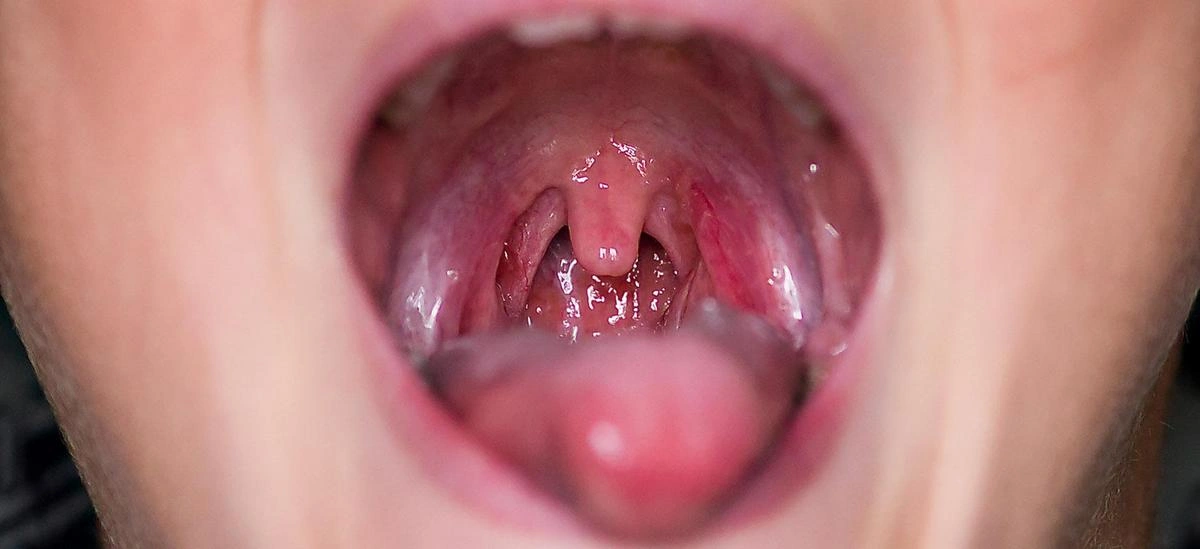
What is Atrophic Fibrotic Tonsillitis?
Atrophic fibrotic tonsillitis is defined as a chronic inflammatory dystrophy of the palatine tonsillar tissue in which active lymphoid germinal centers are progressively destroyed and replaced by dense, fibrotic scar tissue.
Key Pathological Characteristics:
- Parenchymal Atrophy: The functional lymphoid tissue undergoes cell death and regression, causing the tonsils to shrink significantly in volume, often becoming small, hardened, and hidden deep within the tonsillar pillars.
- Fibrotic Replacement and Crypt Trapping: Fibrous connective tissue proliferation obliterates normal lymphatic architecture. The deep tonsillar crypts become narrow, scarred, or occluded, trapping epithelial debris, desquamated cells, and anaerobic bacteria. This leads to the chronic formation of foul-smelling tonsilloliths (tonsil stones) and persistent low-grade focal inflammation.
- Loss of Immunological Function: Rather than serving as an active immune barrier, the severely scarred and atrophied tonsillar tissue transforms into a persistent nidus of chronic infection, periodically seeding bacteria into surrounding mucosal surfaces and systemic circulation.
Clinical Manifestations of Atrophic Fibrotic Tonsillitis
Unlike acute suppurative tonsillitis, which presents with marked tonsillar enlargement and high fever, atrophic fibrotic tonsillitis typically manifests with subtle, persistent, and recurrent symptoms secondary to chronic crypt entrapment and localized tissue scarring.
Primary Clinical Signs and Symptoms
- Persistent Aural Fullness and Pharyngeal Discomfort: Chronic itching, dry irritation, or a persistent sensation of a foreign body in the throat, prompting frequent empty swallowing or hawking.
- Progressive Odynophagia and Dysphagia: Mild to moderate pain or difficulty swallowing, particularly pronounced during the ingestion of dry or coarse foods due to the loss of mucosal elasticity and presence of rigid fibrotic tissue.
- Halitosis and Tonsillolith Formation: Chronic entrapment of desquamated epithelial cells, food particles, and anaerobic bacteria within scarred, narrow crypts leads to the formation of foul-smelling tonsilloliths (tonsil stones) and recalcitrant bad breath.
- Atypical Systemic Manifestations: Low-grade recurrent fevers, chronic malaise, or gastrointestinal discomfort (such as mild abdominal pain or nausea, especially observed in younger patients due to swallowed purulent secretions).
- Cervical Lymphadenopathy: Persistent, mild-to-moderate enlargement and tenderness of the anterior cervical lymph nodes (specifically the jugulodigastric nodes) beneath the jawline.
- Otolaryngologic Physical Findings: Visual inspection using a tongue depressor reveals small, firm, shrunken tonsils deeply recessed behind the anterior and posterior tonsillar pillars, often exhibiting scarred anterior pillars and hyperemic mucosal anterior edges.

Potential Complications of Atrophic Fibrotic Tonsillitis
When chronic atrophic fibrotic tonsillitis is left unmanaged, the tonsillar tissue ceases to function as an immune organ and instead becomes a persistent focal reservoir for opportunistic pathogens, leading to severe locoregional and systemic complications:
Locoregional Complications
- Peritonsillar Abscess (Quinsy): Spread of persistent crypt infection through the tonsillar capsule into the surrounding loose connective tissue of the peritonsillar space, resulting in severe unilateral throat pain, trismus (lockjaw), and uvular deviation.
- Obstructive Sleep Apnea – OSA: Although the tonsils themselves are shrunken, persistent chronic inflammation can cause collateral mucosal swelling of surrounding pharyngeal structures, contributing to upper airway instability, loud snoring, and nocturnal sleep apnea.
Systemic and Immune-Mediated Complications
Due to persistent bacterial antigen stimulation (most notably from Group A Beta-hemolytic Streptococcus), immune complexes can deposit into distant organs, triggering severe autoimmune sequelae:
- Acute Rheumatic Fever: Immune-mediated damage targeting the heart valves (rheumatic carditis), joints, and central nervous system.
- Post-Streptococcal Glomerulonephritis / Nephritis: Deposition of immune complexes within the renal glomeruli, leading to hematuria, proteinuria, hypertension, and impaired renal function.
- Reactive Arthritis: Non-purulent joint inflammation developing secondary to persistent streptococcal antigen exposure in the pharynx.
Indications for Medical Evaluation ?
Prompt otolaryngologic assessment is critical to evaluate the structural integrity of the pharynx, rule out malignant transformation in asymmetric atrophic tonsils, and prevent systemic inflammatory complications.
Patients should seek an immediate evaluation by an ENT specialist if:
- Sore throat, dysphagia, or persistent foreign body sensation lasts for longer than 2 weeks despite over-the-counter care.
- There are recurrent episodes of acute tonsillitis flare-ups (3 or more episodes per year).
- Symptoms are accompanied by red flags such as unilateral throat pain, severe difficulty opening the mouth (trismus), breathing difficulties, or palpable cervical lymph node enlargement.
- There is evidence of systemic involvement, such as unexplained joint pain, dark-colored urine, or persistent low-grade fever following a throat infection.
Primary Etiologies and Pathophysiology
The transition from healthy palatine tonsillar tissue to an atrophic, fibrotic state is driven by chronic, low-grade inflammatory stress and recurrent micro-bacterial invasions that overwhelm the tissue’s regenerative capacity.
Major Etiological Mechanisms:
Recurrent and Chronic Infectious Tonsillitis: Repeated bacterial or viral upper respiratory infections trigger persistent inflammatory responses within the tonsillar parenchyma. Over time, active lymphoid follicles undergo ischemic necrosis and are replaced by non-functional collagenous connective tissue.
Polymicrobial and Anaerobic Biofilm Colonization:
- Viral Triggers: Respiratory viruses (such as Influenza, Parainfluenza, Adenovirus, or Epstein-Barr Virus) initiate mucosal breakdown and transient immunodeficiency.
- Secondary Bacterial Superinfection: Group A Beta-hemolytic Streptococcus (Streptococcus pyogenes), Staphylococcus aureus, and Haemophilus influenzae frequently cause secondary infections. In chronic atrophic forms, obligate anaerobes (Fusobacterium, Bacteroides, and Peptostreptococcus) form dense bacterial biofilms within narrow, scarred crypts, perpetuating tissue destruction.
Crypt Occlusion and Micro-Abscess Formation: Scars from prior acute infection episodes constrict the orifices of the tonsillar crypts. Retention of desquamated epithelial cells, food remnants, and leukocyte debris behind these fibrous strictures leads to micro-abscess formation, localized ischemic necrosis, and eventual parenchymal atrophy.

Epidemiological Risk Factors
While acute tonsillitis predominantly affects young children, atrophic fibrotic tonsillitis is most commonly diagnosed in older adolescents, young adults, and mature populations with a long-standing history of unresolved throat infections.
High-Risk Demographics ?
Individuals with Unresolved Chronic Recurrent Tonsillitis: Patients who suffer from frequent, acute tonsillitis flare-ups (3 or more episodes annually) without receiving definitive medical or surgical intervention.
Adults and Older Adolescents: Chronic tissue remodelling, scarring, and lymphoid atrophy require years of recurrent inflammation to fully develop, making this condition more prevalent in mature demographics compared to young children.
Individuals with Altered Immune Responses: Patients with constitutional vulnerabilities, allergic diathesis, or immunocompromised status who exhibit sluggish pathogen clearance from mucosal surfaces.
Aggravating Risk Factors
- Environmental Exposure to Inhalant Irritants: Regular exposure to secondhand tobacco smoke, chemical vapors, industrial air pollutants, or dry, unhumidified ambient air continuously irritates the pharyngeal mucosa and exacerbates local tissue ischemia.
- Poor Oral and Dental Hygiene: Inadequate oral hygiene promotes high bacterial loads and dental plaque buildup, providing a constant reservoir of opportunistic pathogens that colonize the tonsillar crypts.
- Chronic Sinonasal Inflammation & Post-Nasal Drip: Unmanaged allergic rhinitis, chronic rhinosinusitis, or deviated nasal septum causes persistent post-nasal drip. Mucopurulent secretions continuously bathing the posterior oropharynx fuel chronic tonsillar inflammation.
- Uncontrolled Gastroesophageal / Laryngopharyngeal Reflux: Acidic gastric contents reaching the hypopharynx cause chemical mucosal erosion, weakening local mucosal immunity and predisposing tonsillar crypts to fibrotic degeneration.
- Systemic Factors and Malnutrition: Micronutrient deficiencies, chronic fatigue, severe physical exhaustion, or living in cold, humid climates lower systemic immunity and increase susceptibility to recurrent pharyngeal infections.
Diagnostic Methodologies for Atrophic Fibrotic Tonsillitis
Accurate diagnosis of atrophic fibrotic tonsillitis relies on combining careful clinical inspection, detailed patient history, and targeted laboratory or imaging evaluations to distinguish this condition from hypertrophic tonsillitis, chronic pharyngitis, or malignant laryngeal/tonsillar growths.
Clinical Evaluation & ENT Examination
Detailed Symptom History: Evaluating the duration of chronic throat irritation, frequency of acute flare-ups, history of foul-smelling tonsillolith expulsion, dysphagia, and systemic complaints (such as joint pain or unexplained low-grade fevers).
Otolaryngologic Physical Examination (Oropharyngoscopy): Direct visual inspection with anterior pillar retraction typically demonstrates:
- Small, firm, shrunken tonsils deeply embedded within the tonsillar fossae.
- Fibrotic scar bands across the surface of the tonsillar tissue and anterior/posterior pillars.
- Hyperemic anterior pillars with trapped caseous debris (tonsilloliths) or purulent fluid expressing from narrowed crypt orifices upon gentle pressure.
Cervical Palpation: Systematic examination of the neck to assess for jugulodigastric lymphadenopathy (enlarged, mildly tender anterior cervical nodes).
Diagnostic Testing and Laboratory Workup
- Throat Swab & Microbiological Culture: Collecting swab samples from deep within the tonsillar crypts for bacterial culture and antibiotic susceptibility testing (antibiogram) to identify resistant strains or Group A Beta-hemolytic Streptococcus.
- Complete Blood Count (CBC) & Inflammatory Markers: Assessment of white blood cell (WBC) count, Erythrocyte Sedimentation Rate (ESR), and C-reactive protein (CRP) to evaluate systemic inflammatory activity during flare-ups.
- Serological Immunological Testing: Measurement of Antistreptolysin O (ASO) titers to evaluate recent or persistent streptococcal exposure and screen for autoimmune risk (such as rheumatic fever or glomerulonephritis).
- Histopathological Biopsy: Indicated when asymmetric tonsillar atrophy or suspicious focal ulcerations are observed, ruling out tonsillar lymphoma or squamous cell carcinoma.

Evidence-Based Clinical Management Strategies
Management of atrophic fibrotic tonsillitis requires a staged therapeutic approach. While conservative medical management addresses acute exacerbations and symptoms, surgical intervention remains the definitive cure for irreversible fibrotic degeneration.
Conservative Medical Management
Medical therapy aims to control acute infectious flare-ups, alleviate mucosal pain, and maintain pharyngeal hygiene. It is primarily indicated for patients awaiting surgery, those with mild intermittent symptoms, or individuals with surgical contraindications:
- Targeted Antibiotic Therapy: Prescribing systemic antibiotics based on culture and sensitivity results (e.g., penicillins, amoxicillin-clavulanate, macrolides, or second-generation cephalosporins) for 10 to 14 days during acute inflammatory flare-ups.
- Analgesic & Anti-Inflammatory Medication: Non-Steroidal Anti-Inflammatory Drugs (NSAIDs) such as ibuprofen or paracetamol to relieve throat pain, reduce localized mucosal swelling, and control low-grade fevers.
- Topical Antiseptic & Mucosal Solutions: Regular throat gargling with warm isotonic saline or antiseptic gargles (such as chlorhexidine gluconate or povidone-iodine) to clear trapped crypt debris, reduce bacterial density, and alleviate halitosis.
- Management of Co-Existing Trigger Conditions: Targeted treatment for contributing factors, including proton pump inhibitors (PPIs) for laryngopharyngeal reflux or nasal steroid sprays for chronic sinusitis/post-nasal drip.

Surgical Interventions
Because fibrotic transformation and parenchymal atrophy represent irreversible anatomical damage, Tonsillectomy (surgical removal of the palatine tonsils) is the definitive standard of care when conservative measures fail.
Absolute and Relative Indications for Surgery:
- Recurrent acute bacterial tonsillitis (e.g., 7 or more episodes in a single year, 5 per year for 2 consecutive years, or 3 per year for 3 consecutive years).
- Presence of severe complications, such as peritonsillar abscess history, suspected rheumatic fever, or post-streptococcal glomerulonephritis.
- Persistent severe halitosis, chronic throat pain, or tonsillolith entrapment unresponsive to medical therapy.
- Suspicion of tonsillar malignancy (unilateral tonsillar enlargement/atrophy).
Modern Surgical Techniques:
- Cold Steel Dissection & Snare: Traditional dissection technique offering complete en-bloc removal of the tonsil and its fibrous capsule under general anesthesia.
- Coblation (Cold Ablation) Tonsillectomy: Uses radiofrequency energy to dissolve tissue at lower temperatures (40 – 60°C), minimizing thermal damage to surrounding pharyngeal muscles, reducing postoperative pain, and accelerating recovery.
- Electrocautery & Harmonic Scalpel: High-precision thermal/ultrasonic surgical tools that achieve simultaneous tissue cutting and micro-hemostasis, minimizing intraoperative blood loss.
Lifestyle Modifications and Home Management
Adopting a structured daily regimen and implementing targeted oral-pharyngeal care habits are essential to control the progression of atrophic fibrotic tonsillitis, mitigate chronic crypt retention, and prevent secondary acute exacerbations.
- Strict Clinical Adherence and Follow-Up: Faithfully adhere to the treatment plan prescribed by your otolaryngologist and attend all scheduled follow-up visits to monitor tonsillar tissue status, crypt health, and regional lymph node involvement.
- Prompt Medical Consultation for Exacerbations: Seek immediate medical evaluation if new or alarming manifestations occur, such as severe unilateral throat pain, difficulty opening the mouth (trismus), persistent high fever, or progressive dyspnea.
- Rigorously Maintain Oral and Dental Hygiene: Practice comprehensive oral care by brushing teeth at least twice daily, flossing, and cleaning the tongue surface to minimize bacterial plaque accumulation and reduce the microbial load in tonsillar crypts.
- Regular Pharyngeal Irrigation & Gargling: Perform daily throat gargling with warm isotonic saline or mild antiseptic solutions (such as chlorhexidine) after meals to flush out trapped food particles, epithelial debris, and early tonsilloliths from scarred crypts.
- Environmental Air Humidification: Avoid direct, prolonged exposure to dry, cold air conditioning or dry indoor heating. Utilize ambient cool-mist humidifiers to prevent drying and cracking of the pharyngeal mucosa.
- Eradication of Inhalant Irritants: Strictly avoid smoking tobacco, using electronic cigarettes (vaping), and exposure to secondhand smoke or airborne industrial pollutants that induce mucosal hyperthermia and persistent tissue ischemia.
- Adequate Hydration: Maintain a high daily fluid intake (at least 2 to 2.5 liters of room-temperature water) to ensure optimal mucosal hydration and fluidize pharyngeal secretions.

Proactive Prevention Strategies
Preventing the onset and progression of atrophic fibrotic tonsillitis focuses on minimizing chronic pharyngeal irritation, prompt management of upper airway infections, and safeguarding local mucosal immunity:
- Prompt Management of Upper Respiratory Infections: Treat viral colds, acute pharyngitis, and rhinitis early under medical supervision to prevent secondary bacterial colonizations from settling into the palatine tonsils.
- Effective Control of Sinonasal and Reflux Conditions: Proactively treat underlying chronic rhinosinusitis, allergic rhinitis (to prevent post-nasal drip), and laryngopharyngeal reflux (LPR) to protect the oropharyngeal mucosa from continuous chemical and inflammatory trauma.
- Routine Vaccination Protocols: Ensure up-to-date immunizations against common respiratory pathogens, including the annual influenza vaccine and pneumococcal vaccines, to bolster systemic respiratory immunity.
- Nutritional and Physical Well-being: Eat a balanced, nutrient-dense diet rich in vitamins (specifically Vitamin C and Zinc) and engage in regular, moderate exercise to enhance systemic immune defenses and promote microvascular health.
- Avoid Physical Exhaustion: Ensure adequate sleep and avoid chronic physical or mental overexertion, which temporarily suppresses mucosal immune surveillance and increases vulnerability to recurrent throat infections.