
Kidney function tests are performed to evaluate how effectively the kidneys clear metabolic waste from the body. These tests encompass several blood and urine measurements that together provide a comprehensive picture of renal health, helping clinicians determine whether any intervention or treatment is needed.
Important: Kidney dysfunction often progresses silently. Early testing can detect problems long before noticeable symptoms appear.
What Are Kidney Function Tests?
Kidney function tests refer to a group of blood and urine assessments that measure how well the kidneys are working. Most of these tests focus on estimating the glomerular filtration rate (GFR)—the key indicator of how efficiently the kidneys filter waste products from the bloodstream.
Each person has two kidneys located on both sides of the spine, just beneath the rib cage. Each kidney is roughly the size of a fist and plays a vital role in maintaining overall health. Beyond filtering out toxins and metabolic waste, the kidneys also regulate body fluids, balance essential electrolytes, activate vitamin D, produce red blood cells, and help control blood pressure.
When a healthcare provider suspects that the kidneys may not be functioning properly, kidney function testing is typically recommended.
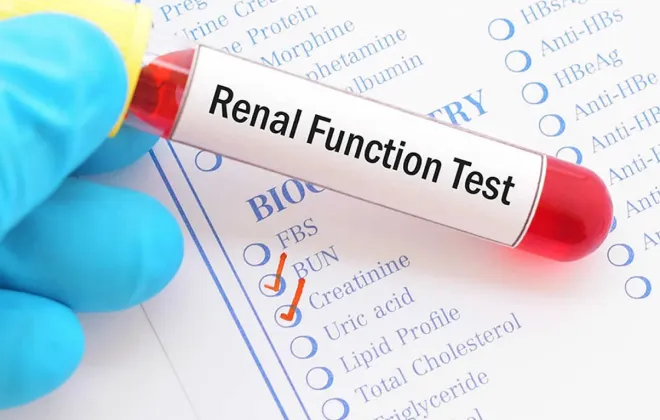
Why Are Kidney Function Tests Performed?
Clinicians order kidney function tests to assess how effectively the kidneys remove waste and maintain internal balance. Healthy kidneys clear toxins easily, but chronic conditions—especially diabetes and hypertension—can damage renal tissues over time. These tests also help detect or rule out infections or acute kidney injury.
When Should You Get Kidney Function Tests?
Your doctor may recommend kidney function testing if you have medical conditions known to impair kidney activity, particularly high blood pressure or diabetes. You should also consider these tests if you experience any concerning symptoms such as:
- Blood in the urine
- Painful urination or difficulty urinating
- Frequent urination
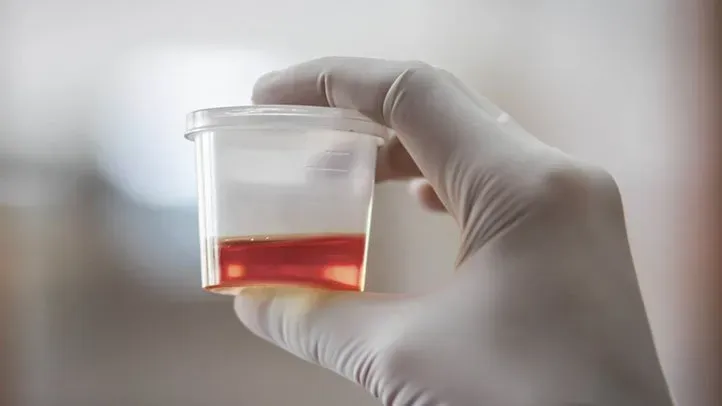
What Tests Are Included in a Kidney Function Evaluation?
A full kidney function assessment typically includes several blood tests, urine analyses, imaging studies, and—when necessary—kidney biopsy. Dưới đây là phần diễn giải chi tiết từng nhóm xét nghiệm.
1. Blood Chemistry Tests
Serum Creatinine
Serum creatinine is a waste product generated from normal muscle metabolism. Its concentration varies depending on age, body weight, and overall muscle mass. Elevated creatinine—typically above 1.2 mg/dL in women and above 1.4 mg/dL in men—may be an early indicator that the kidneys are not filtering waste efficiently. As kidney impairment progresses, serum creatinine levels continue to rise.
Important: A high creatinine level alone does not confirm kidney disease, but it strongly signals the need for further evaluation.
Estimated Glomerular Filtration Rate (eGFR)
The eGFR estimates how effectively the kidneys filter waste and excess fluids from the blood. It is calculated using serum creatinine, age, sex, and sometimes race.
- Normal eGFR: ≥ 90 mL/min/1.73m²
- Reduced kidney function: < 60 mL/min/1.73m²
- Severe kidney failure: < 15 mL/min/1.73m² (often requiring dialysis or urgent transplant evaluation)
Blood Urea Nitrogen (BUN)
BUN measures the amount of urea nitrogen produced from protein metabolism. Normal values range from 7 to 20 mg/dL. When the kidneys fail to excrete waste properly, BUN levels rise.
2. Urine Tests
The volume of urine needed depends on the type of test—some require only a small sample, while others require a full 24-hour urine collection, which provides a more accurate picture of kidney function and protein leakage.
Urinalysis (Dipstick + Microscopy)
A standard urinalysis examines the urine sample under a microscope and uses a chemically treated dipstick. A color change on the dipstick can indicate abnormalities such as:
- Excess protein
- Blood
- Pus (white blood cells)
- Glucose
- Bacteria
Urinalysis helps detect kidney disease, urinary tract infections, kidney stones, diabetes, and chronic kidney conditions.

Urine Protein Test
Protein testing may be part of urinalysis or done as a separate dipstick test. Excess protein in urine is called proteinuria.
A positive dipstick result (≥ 1+) usually requires confirmatory tests such as:
- Albumin-specific dipstick
- Albumin-to-creatinine ratio (ACR)
Microalbuminuria Test
This test detects small amounts of albumin that may not appear on a standard dipstick. It is especially recommended for patients at high risk of kidney disease, such as those with diabetes or hypertension, or when the protein dipstick test is negative but suspicion remains.
Albumin-to-Creatinine Ratio (ACR)
ACR evaluates kidney filtration accuracy by comparing the amount of albumin to creatinine in a single urine sample:
- ACR < 30 mg/g: Normal
- ACR 30–300 mg/g: Moderately increased albuminuria
- ACR > 300 mg/g: Severe albuminuria
Creatinine Clearance Test
This test compares the creatinine level in a 24-hour urine sample with the creatinine in the blood to calculate how much waste the kidneys can filter per minute.
How to Perform a 24-Hour Urine Collection (At Home)
Your provider may ask you to collect all urine within 24 hours. Instructions include:
- Upon waking on Day 1, urinate into the toilet (discard this first sample).
- Collect every urine sample for the rest of the day into the provided container.
- On the morning of Day 2, collect the first urine sample immediately upon waking into the container.
- Seal and return the full sample to your provider as instructed.
3. Imaging Tests
Ultrasound
Ultrasound uses sound waves to create images of the kidneys. It helps identify abnormalities in size, structure, cysts, tumors, or kidney stones.
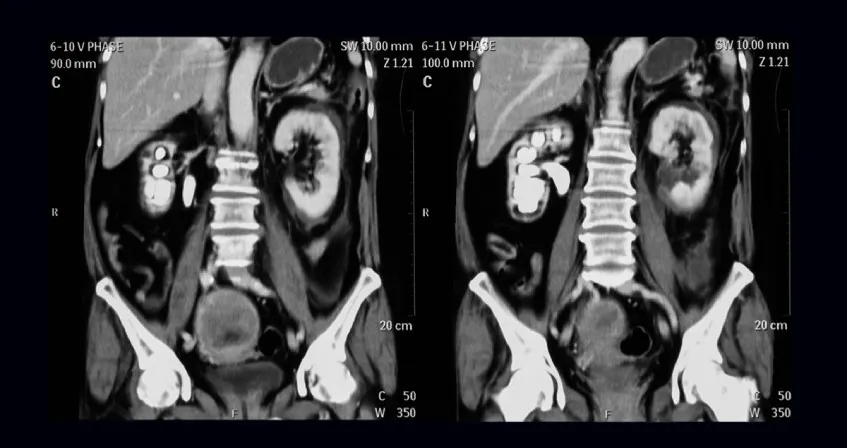
CT Scan
A CT scan provides detailed cross-sectional images of the kidneys. It is useful for detecting structural issues or stones. Some scans require IV contrast, which may pose risks for individuals with reduced kidney function.
4. Kidney Biopsy
A kidney biopsy uses a thin needle with a sharp cutting tip to collect tiny tissue samples for microscopic examination. It is typically performed to:
- Identify the specific type of kidney disease
- Determine the extent of kidney damage
- Investigate the cause of kidney transplant failure
A biopsy provides definitive diagnostic information when blood and urine tests are not enough to clarify the underlying problem.
Important Considerations When Undergoing Kidney Function Testing
1. Possible Side Effects
Kidney function tests are generally simple, safe, and rarely cause complications. However, after blood collection, some individuals may experience mild, short-term symptoms such as:
- Bruising at the needle site
- Dizziness
- Fatigue
These effects typically resolve on their own. Blood and urine tests do not cause persistent pain or long-term problems. If you continue to feel unwell, experience ongoing discomfort, or notice symptoms that do not improve, contact your healthcare provider promptly.
2. How Long It Takes to Receive Results
Turnaround time for kidney function test results varies depending on the type of test and the facility. Results may be available the same day or within several days.
3. Understanding Your Kidney Function Test Results
Test results help determine how well the kidneys are functioning. Most kidney evaluations focus on two key indicators:
- eGFR below 60 mL/min/1.73m²: May indicate chronic kidney disease.
- Urine Albumin-to-Creatinine Ratio (ACR) above 30 mg/g: May signal early kidney damage or an increased risk of kidney disease.
4. What to Do if Your Results Suggest Kidney Disease
If your test results show reduced kidney function, your doctor will discuss treatment options and next steps. Recommendations may include:
- Medication to manage underlying conditions—especially blood pressure medicine that helps protect kidney function.
- Regular monitoring, including periodic kidney function tests, to track disease progression and adjust treatment as needed.
Early detection and consistent follow-up care are essential to slowing the progression of kidney disease and preventing complications.
