
What Is a Complete Blood Count?
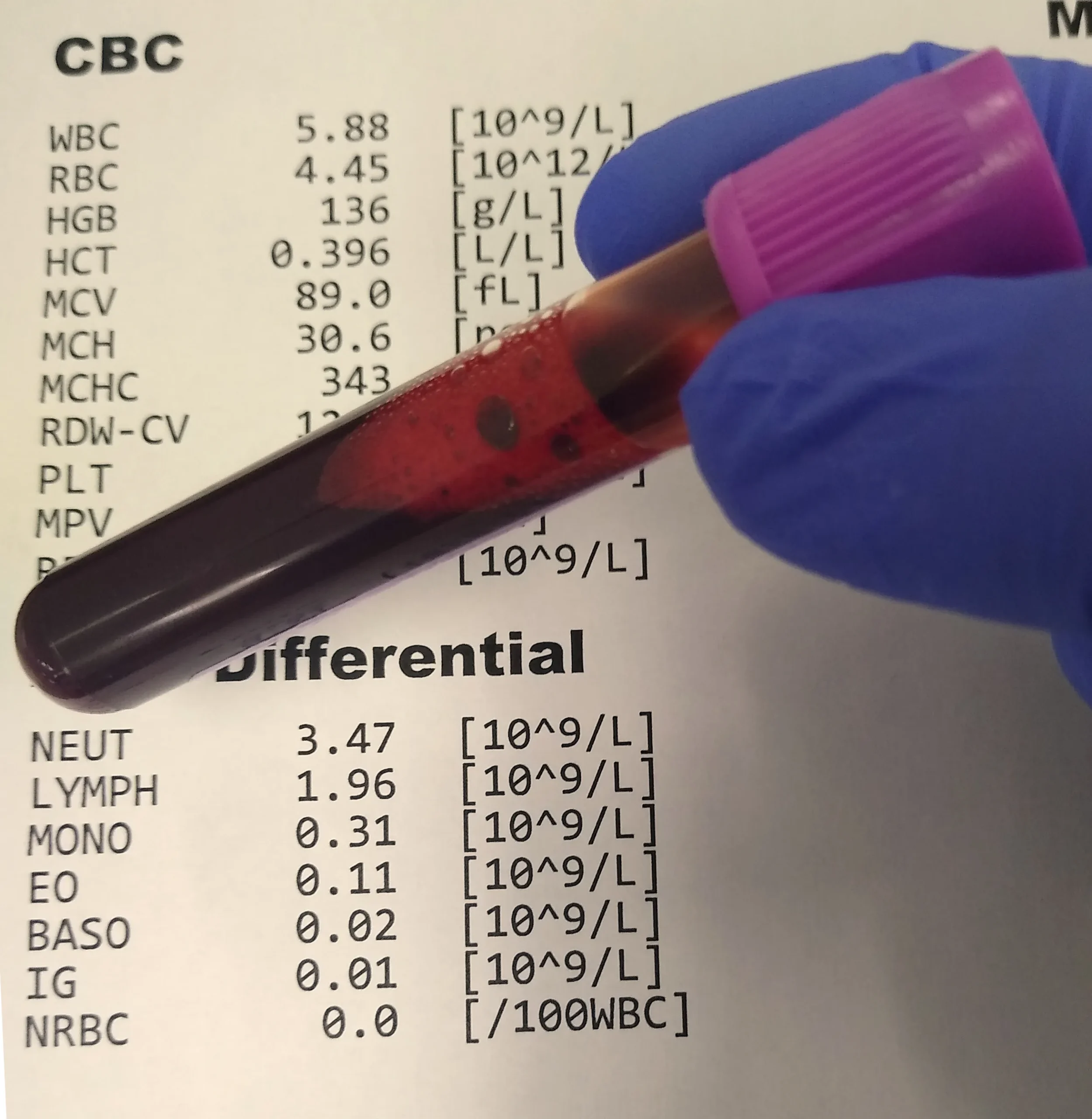
A Complete Blood Count, also known as a Full Blood Count, measures the quantity and characteristics of different blood cells circulating in your body. It is often part of a routine check-up or ordered when a doctor suspects an underlying medical condition.
This test analyzes several key components of your blood, including:
- Red blood cells (RBCs): Carry oxygen from your lungs to tissues throughout the body.
- White blood cells (WBCs): Help your body fight infection and disease. There are five main types of white cells, and the CBC measures both total and differential counts.
- Platelets: Essential for blood clotting and wound healing.
- Hemoglobin (Hb): The oxygen-carrying protein in red blood cells.
- Hematocrit (Hct): The percentage of blood volume made up of red cells.
- Mean Corpuscular Volume (MCV): Indicates the average size of your red blood cells.
Together, these values provide a snapshot of your body’s ability to transport oxygen, fight infections, and maintain normal clotting functions.
What Does a CBC Help Diagnose?
Because the CBC evaluates several critical parameters, it can help identify a variety of health problems, such as:
- Anemia: When the body has too few red blood cells to carry adequate oxygen.
- Bone marrow disorders: Such as myelodysplastic syndromes (MDS).
- Blood cell abnormalities: Including leukopenia (low white cells), thalassemia, or sickle cell anemia.
- Infections or inflammatory diseases: Which can cause abnormal white blood cell counts.
- Certain cancers: Including leukemia and lymphoma.
- Side effects of medications or chemotherapy: That affect blood cell production.
- Nutritional deficiencies: Especially of iron, vitamin B12, or folate.
Why Is a CBC Performed?
A Complete Blood Count is a versatile and informative test that serves multiple purposes:
- Evaluate general health: Often included in annual physical exams to screen for anemia or blood disorders.
- Assist in diagnosis: Helps doctors determine the cause of symptoms such as fatigue, fever, weakness, bruising, or unexplained bleeding.
- Monitor chronic conditions: Used to track diseases that affect blood cell counts or bone marrow function.
- Assess treatment response: Doctors use CBC results to monitor the effects of medications, especially those that can impact blood production (e.g., chemotherapy, immunosuppressants).
When Should You Get a CBC?
Your doctor may recommend a CBC if you experience any of the following symptoms or health issues:
- Unusual or frequent bruising or bleeding
- Fatigue, dizziness, or weakness
- Fever, nausea, or signs of infection
- Inflammation or swelling in any part of the body
- Joint pain or persistent aches
- Irregular heartbeat or changes in blood pressure
A CBC is also routinely performed before surgery, during pregnancy check-ups, and as part of follow-up care for chronic illnesses.
Key Takeaway
A Complete Blood Count is a simple blood test that yields a wealth of diagnostic information. It helps detect early signs of illness, monitor ongoing conditions, and evaluate the effectiveness of treatment — making it one of the most valuable and frequently used tools in modern medicine.
Complete Blood Count (CBC) Test Procedure
1. Preparation
If your doctor has ordered a complete blood count, you can usually eat and drink normally before the test. However, if your blood sample will also be used for biochemical or immunological tests, you may be asked to fast for about 8 hours beforehand. Always follow your healthcare provider’s specific instructions.
2. How the Test Is Performed
A nurse or technician will:
- Clean the skin on your arm or wrist with an antiseptic solution.
- Insert a small needle into a vein in your arm (usually near the elbow crease) to draw about 2 mL of blood. You may feel a brief sting or pinch.
- For infants, the sample is typically taken from a heel prick.
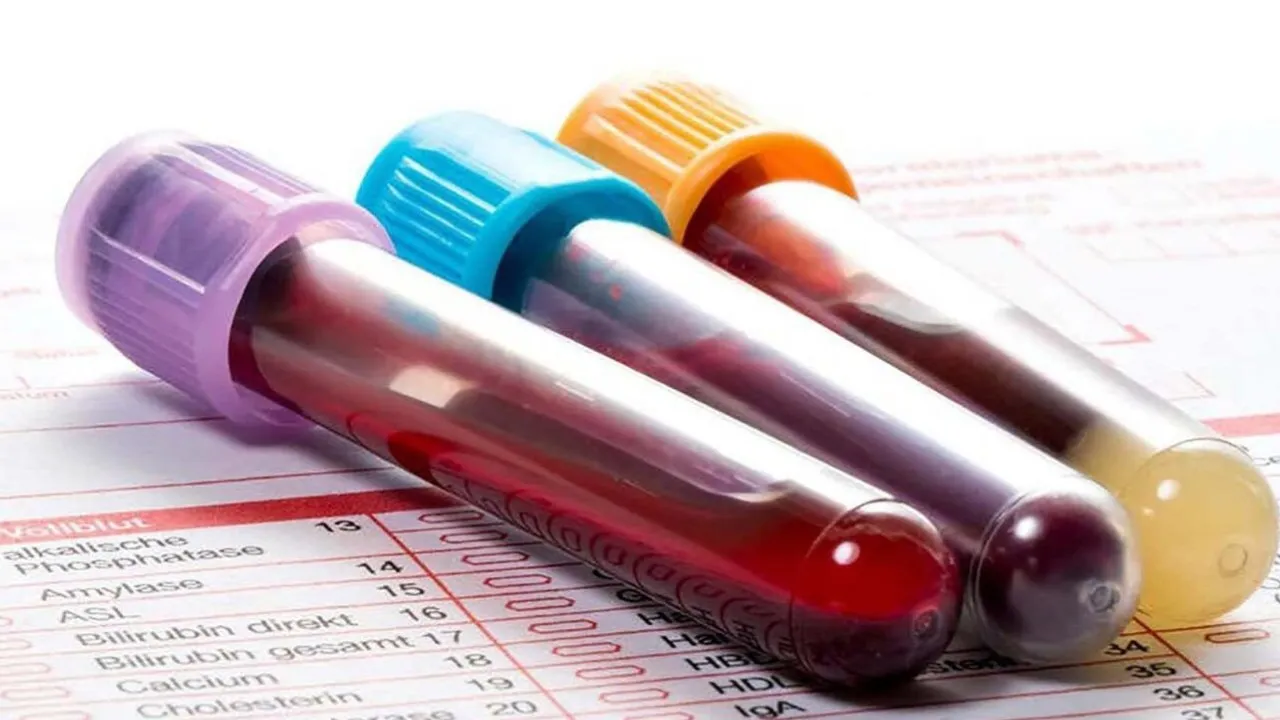
- The collected sample is placed in a tube and sent to the laboratory for analysis.
- Afterward, gentle pressure and a bandage are applied to the puncture site.
How Long Do CBC Results Take?
The turnaround time depends on the laboratory and type of test.
A standard CBC result is usually available within 24 hours, although some specialized analyses may take longer.
Understanding the 18 Key Indicators of a CBC
A complete blood count is an essential part of routine health checkups, often used to assess anemia, infection, allergies, or bleeding disorders, and to monitor patients before surgery or during cancer treatment.
It measures several key components of your blood, including red and white blood cells, platelets, hemoglobin, hematocrit, and other related parameters.
Below is a detailed interpretation of the 18 primary CBC indices:
| Parameter | Meaning | Normal Range | Clinical Significance |
| RBC (Red Blood Cell Count) | Number of red blood cells per volume of whole blood | Men: 4.5–5.8 T/L Women: 3.9–5.2 T/L | ↑: Dehydration, polycythemia, chronic hypoxia ↓: Anemia, blood loss, bone marrow suppression |
| HGB (Hemoglobin) | Amount of hemoglobin in the blood | Men: 130–180 g/L Women: 120–165 g/L | <80 g/L: consider transfusion <70 g/L: transfusion indicated <60 g/L: emergency transfusion required |
| HCT (Hematocrit) | Ratio of red blood cells to total blood volume | Men: 0.39–0.49 L/L Women: 0.33–0.43 L/L | ↑: Dehydration, hypoxia, allergies ↓: Blood loss, anemia, overhydration |
| MCV (Mean Corpuscular Volume) | Average size of red blood cells | 85–95 fL | ↑: Vitamin B12/folate deficiency, alcoholism, hypothyroidism ↓: Thalassemia, chronic kidney disease, lead poisoning |
| MCH (Mean Corpuscular Hemoglobin) | Average hemoglobin per red blood cell | 28–32 pg | ↑: Hereditary spherocytosis ↓: Iron deficiency anemia |
| MCHC (Mean Corpuscular Hemoglobin Concentration) | Average hemoglobin concentration in red cells | 320–360 g/L | ↑: Dehydration ↓: Vitamin B12 deficiency, alcoholism |
| RDW (Red Cell Distribution Width) | Variation in red blood cell size | 11–15% | ↑RDW + ↑MCV: B12/Folate deficiency, chronic leukemia ↑RDW + normal MCV: Iron or B12 deficiency ↑RDW + ↓MCV: Iron deficiency, thalassemia |
| WBC (White Blood Cell Count) | Number of white blood cells | 4–10 G/L | ↑: Infection, inflammation, leukemia ↓: Viral infection, bone marrow failure, allergy |
| NEU (Neutrophils) | Percentage/number of neutrophils | 43–76% (2–8 G/L) | ↑: Infections, abscess, stress, myeloid leukemia ↓: Malaria, marrow suppression, immunosuppressive therapy |
| EO (Eosinophils) | Eosinophil count | 2–4% (0.1–0.7 G/L) | ↑: Allergies, parasitic infections, blood disorders ↓: Bacterial infection, corticosteroid therapy |
| BASO (Basophils) | Basophil count | 0–1% (0.01–0.25 G/L) | ↑: Myeloproliferative disorders, allergic conditions ↓: Acute infection, immune reaction |
| LYM (Lymphocytes) | Lymphocyte count | 17–48% (1–5 G/L) | ↑: Chronic lymphocytic leukemia, adrenal insufficiency ↓: Infection, corticosteroid use |
| MONO (Monocytes) | Monocyte count | 4–8% (0.2–1.5 G/L) | ↑: Parasitic infection, inflammatory bowel disease, lymphoma ↓: Lymphoid leukemia |
| PLT (Platelets) | Number of platelets in the blood | 150–400 G/L | ↑: Cancer, allergic reaction ↓: Cirrhosis, immune thrombocytopenia |
| MPV (Mean Platelet Volume) | Average size of platelets | 5–8 fL | ↑: Cardiovascular disease, diabetes, hyperthyroidism ↓: Chemotherapy, lupus |
| PCT (Plateletcrit) | Volume percentage of platelets in blood | 0.016–0.036 L/L | ↑: Colorectal cancer ↓: Endotoxemia |
| PDW (Platelet Distribution Width) | Variation in platelet size | 11–15% | ↑: Sickle cell disease ↓: Chronic alcohol use |
| P-LCR (Platelet-Large Cell Ratio) | Proportion of large platelets (>12 fL) | 0.13–0.43% or 150–500 G/L | ↑: May indicate ischemia or myocardial infarction risk |
Precautions Before and After a Complete Blood Count (CBC) Test
To ensure your complete blood count (CBC) results are accurate and reliable, both patients and healthcare staff should follow certain guidelines before and after the blood analysis.
Before the CBC Test
Follow pre-test dietary instructions: Avoid foods or drinks that could alter blood sugar or lipid levels, especially if additional biochemical tests are being performed at the same time.
Professional blood collection: Blood should be drawn by trained and experienced nurses or phlebotomists to minimize errors and ensure patient comfort.
Sterile sampling equipment: All needles, tubes, and collection materials must be sterile and single-use to prevent contamination.
Use of modern laboratory equipment: Laboratories should employ advanced analyzers from reliable manufacturers (e.g., EU or U.S.), which are regularly calibrated and properly maintained for accurate results.
After the CBC Test
Inspect sample integrity: The collected blood must be checked for signs of hemolysis (cell damage) or contamination during handling.
Verify sample volume: Ensure there’s enough blood to perform all required analyses.
Compare with reference ranges: Test results should be interpreted relative to established normal values. If there’s a significant deviation, the lab should recheck the analytical process and notify the attending physician or patient.
Proper sample storage: Blood samples must be stored and disposed of according to laboratory safety protocols and temperature requirements.
The complete blood count test is one of the most widely used and informative medical tests available.
When performed and analyzed correctly, it provides crucial insights into a patient’s blood health, immune system, and overall condition, supporting early diagnosis and effective treatment planning.
