
C-Reactive Protein (CRP) Test: Purpose, Procedure, and Results Explained
Introduction
Doctors often use this test to diagnose or monitor conditions such as infections, autoimmune diseases, or chronic inflammatory disorders. A high-sensitivity CRP (hs-CRP) test can also help assess the risk of developing heart disease.
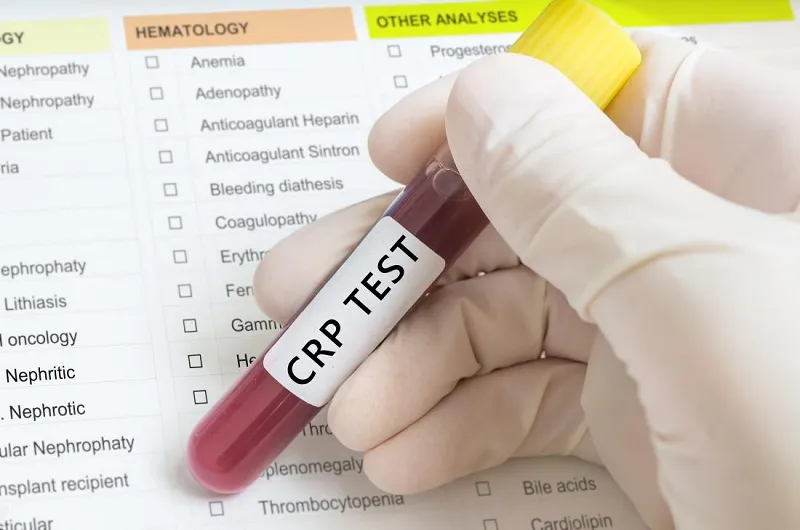
What Is a C-Reactive Protein (CRP) Test?
The C-reactive protein (CRP) test measures the amount of CRP circulating in the bloodstream.
CRP is produced by the liver and released into the blood when the body experiences inflammation. Levels can rise dramatically—sometimes up to 1,000 times higher than normal—within hours of an infection, injury, or inflammatory disease.
There are two main types of CRP tests:
- Standard CRP test: Used to detect and monitor acute or chronic inflammatory conditions, such as bacterial infections or autoimmune diseases.
- High-sensitivity CRP (hs-CRP) test: A more precise version used primarily to evaluate cardiovascular risk—higher hs-CRP levels may indicate an increased chance of heart attack or stroke.
Purpose of the CRP Test
Doctors may recommend a CRP test for several reasons:
- Detect inflammation or infection: To determine whether symptoms such as fever, fatigue, or joint pain are caused by inflammation.
- Monitor treatment effectiveness: To see how well a patient is responding to therapy for inflammatory or infectious diseases.
- Assess the severity of inflammation: In conditions like rheumatoid arthritis, lupus, or inflammatory bowel disease.
- Evaluate cardiovascular risk: In the case of hs-CRP testing, to estimate a person’s long-term risk of heart disease or stroke.
When Is the CRP Test Ordered?
A doctor may order a CRP test when a patient shows signs or symptoms that suggest inflammation or infection, such as:
- Persistent fever or chills
- Fatigue, muscle aches, or general malaise
- Unexplained pain or swelling
- Suspected bacterial or viral infection
- Monitoring chronic conditions (e.g., rheumatoid arthritis, lupus, vasculitis)
- Evaluating post-surgical inflammation or complications
- Assessing heart disease risk using hs-CRP testing
In many cases, the CRP test is ordered alongside other blood tests like the complete blood count (CBC) or erythrocyte sedimentation rate (ESR) to provide a clearer picture of the body’s inflammatory status.

How Is the CRP Test Performed?
The CRP test is a simple blood test that takes just a few minutes and does not require any special preparation in most cases. Here’s what typically happens:
- Blood sample collection: A healthcare professional draws a small amount of blood from a vein, usually in your arm.
- Processing: The sample is sent to a laboratory, where the amount of C-reactive protein is measured using specialized equipment.
- Results: Results are often available within a few hours to a day, depending on the facility.
Most people experience only mild discomfort when the needle is inserted—minor bruising or soreness at the puncture site may occur but resolves quickly.
Normal CRP Levels
The interpretation of CRP results depends on the type of test performed (standard CRP vs. hs-CRP). Below are general reference ranges used by most laboratories:
Standard CRP Test
| CRP Level (mg/L) | Possible Interpretation |
| < 10 | Normal (no significant inflammation) |
| 10–40 | Mild inflammation or viral infection |
| 40–200 | Moderate inflammation or bacterial infection |
| > 200 | Severe infection or sepsis |
High-Sensitivity CRP (hs-CRP) Test – Cardiovascular Risk
| hs-CRP Level (mg/L) | Risk of Heart Disease |
| < 1.0 | Low risk |
| 1.0 – 3.0 | Moderate risk |
| > 3.0 | High risk |
High or Low CRP Levels: What They Mean
CRP levels can fluctuate widely depending on your health condition. Here’s what different results might indicate:
When CRP Is High
High CRP levels often signal that your body is fighting inflammation or infection. Possible causes include:
- Bacterial infections (such as pneumonia or sepsis)
- Autoimmune diseases (e.g., rheumatoid arthritis, lupus)
- Chronic inflammatory diseases (Crohn’s disease, ulcerative colitis)
- Certain cancers or tissue injuries
- Post-surgical inflammation
- Smoking, obesity, or poorly controlled diabetes
In cardiovascular health, high hs-CRP levels (above 3 mg/L) may indicate an increased risk of heart attack or stroke, even if cholesterol levels are normal.
When CRP Is Low
Low or undetectable CRP levels usually mean there’s little or no inflammation in the body.
If you were recently treated for an infection or inflammatory condition, falling CRP levels are a good sign that the treatment is working.
CRP vs. ESR: What’s the Difference?
Both CRP (C-reactive protein) and ESR (erythrocyte sedimentation rate) are blood tests used to detect inflammation—but they measure it in different ways:
| Feature | CRP Test | ESR Test |
| What it measures | Amount of C-reactive protein in blood | Rate at which red blood cells settle in a test tube |
| Response time | Rises and falls rapidly within hours | Changes more slowly (over days) |
| Sensitivity | More specific and accurate | Can be influenced by anemia or other conditions |
| Best for | Monitoring acute inflammation and treatment response | Detecting chronic or systemic inflammation |
Risks and Limitations of the CRP Test
Risks
The CRP test is very safe. Risks are minimal and limited to:
- Slight pain or bruising at the blood draw site
- Dizziness or fainting (rare)
- Minor infection at the puncture site (extremely rare)
Limitations
While CRP is a powerful marker of inflammation, it has key limitations:
- It does not identify the source or cause of inflammation.
- CRP can be temporarily elevated due to non-serious factors like physical exertion, obesity, or even minor infections.
- Certain medications (e.g., statins, NSAIDs) can lower CRP levels, potentially masking inflammation.
For that reason, doctors typically interpret CRP results in combination with other tests—such as CBC, ESR, or blood cultures—to reach an accurate diagnosis.
Summary
The C-reactive protein (CRP) test is a quick and reliable blood test that helps doctors identify and monitor inflammation in the body.
While it does not specify the cause or location of inflammation, it provides essential clues for diagnosing infections, autoimmune diseases, or cardiovascular risks.
In short:
- High CRP → ongoing inflammation or infection
- Normal or low CRP → healthy or improving condition
- hs-CRP → a valuable marker for heart disease risk
If your CRP results are abnormal, don’t panic—discuss them with your healthcare provider for an accurate diagnosis and personalized treatment plan.
References
- Mayo Clinic: C-reactive protein test. Available at: https://www.mayoclinic.org/tests-procedures/c-reactive-protein-test/about/pac-20385228
- Cleveland Clinic: C-Reactive Protein (CRP) Test. Available at: https://my.clevelandclinic.org/health/diagnostics/23056-c-reactive-protein-crp-test
- MedlinePlus: C-Reactive Protein (CRP) Test. Available at: https://medlineplus.gov/lab-tests/c-reactive-protein-crp-test/
- GoodRx: ESR vs. CRP: Understanding the Differences. Available at: https://www.goodrx.com/health-topic/autoimmune/esr-crp-differences
