
Visual Impairment: Causes, Symptoms, and Treatment Options
Understanding Visual Impairment
What Is Visual Impairment?
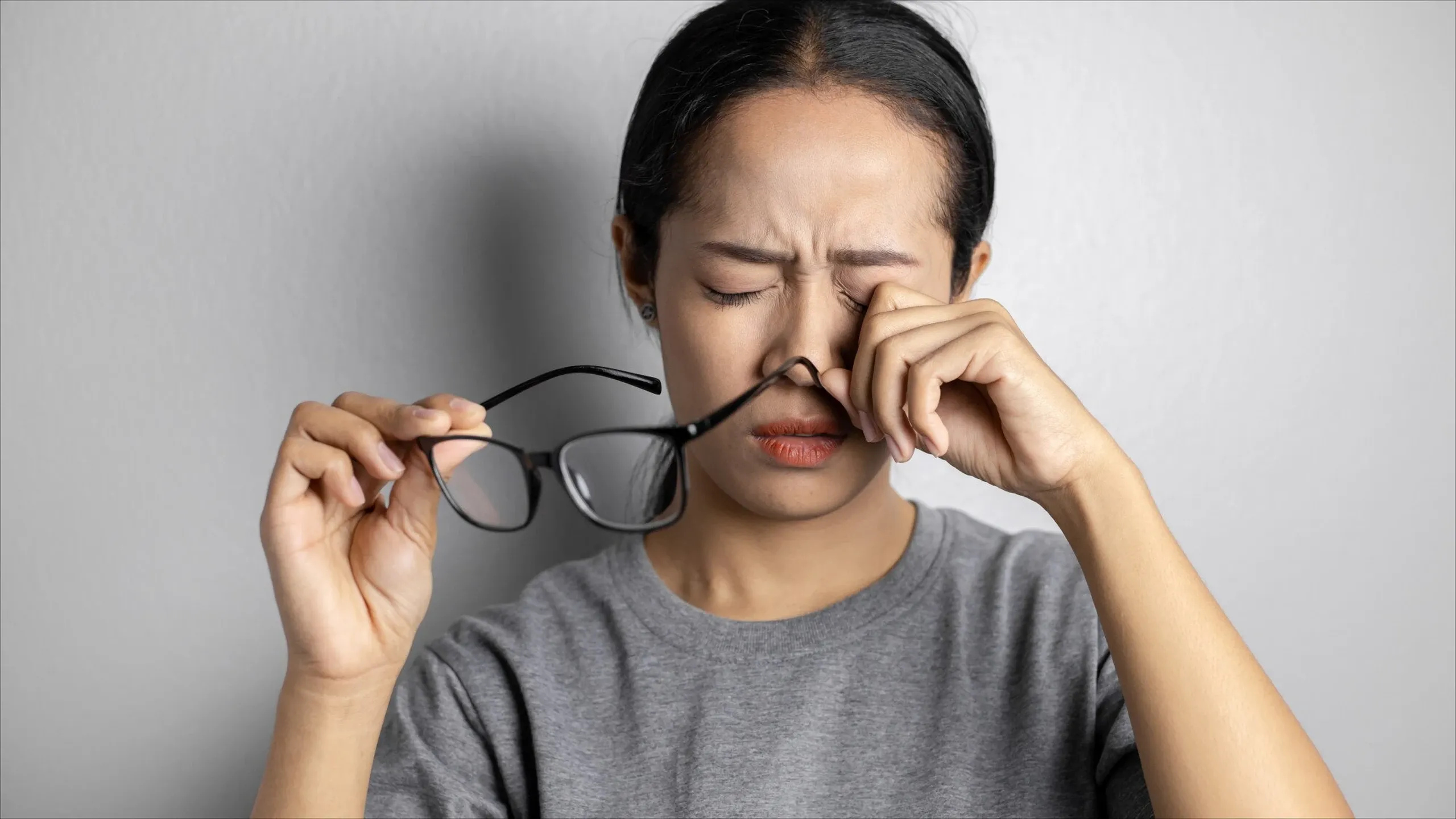
Visual impairment describes a partial or total loss of vision. Depending on the underlying cause, the condition may develop gradually over months or years or appear suddenly. It may affect one eye or both eyes. Some forms of visual impairment are temporary, while others may recur or become permanent.
According to the U.S. Centers for Disease Control and Prevention (CDC), visual impairment is among the top 10 causes of disability in adults and is the most common disability in children.
Current estimates show that approximately 12 million Americans over age 40 live with some degree of visual impairment, including more than 1 million individuals who are legally blind. With rising rates of chronic illnesses—especially diabetes—experts predict that this number may double by 2050.
Classification of Visual Impairment
Visual impairment is typically assessed based on both visual acuity and visual field loss:
- Severe visual impairment:
Vision between 3/60 and 6/60 with a fairly intact field of view. - Moderate visual impairment:
Vision up to 6/24 accompanied by restricted field of view. - Moderate acuity with significant field loss:
Vision up to 6/18 but with extensive visual field defects. - Blindness:
Defined as extremely poor vision (less than 3/60) with severely restricted visual fields, or moderate vision with profound loss of peripheral vision.
Nutritional Visual Impairment
Another important but often overlooked type is nutritional blindness, commonly caused by severe vitamin A deficiency. Prolonged deficiency can damage the eye’s surface, leading to xerophthalmia (dry eyes), impaired night vision, and, in advanced cases, irreversible blindness.
Symptoms of Visual Impairment
Common Signs and Symptoms
Depending on the underlying cause, visual impairment may present with one or several of the following symptoms:
- Seeing distorted shapes or patterns
- Halos or flickering lights
- Changes in iris color
- Blurry or hazy vision
- Double vision
- Sudden eye pain
- Pain inside or around the eye socket
- Sudden changes in vision clarity
- Light sensitivity (photophobia)
Visual impairment can make daily tasks difficult—for example:
- Frequently bumping into objects
- Struggling to walk up or down stairs
- Difficulty navigating uneven surfaces
- Needing to hold reading materials unusually close
- Poor ability to read in dim lighting
These signs should not be ignored, as they may indicate progressive eye diseases such as glaucoma, diabetic retinopathy, or retinal detachment.
When Should You See a Doctor?
You should contact an ophthalmologist immediately if you experience any of the symptoms above. Early diagnosis and timely treatment significantly reduce the risk of permanent vision loss.
RED FLAG SYMPTOMS — SEEK URGENT CARE:
- Sudden, severe eye pain
- Sudden loss of vision in one or both eyes
- Flashes of light accompanied by floaters
- A “shadow” or “curtain” descending over your visual field
These may signal retinal detachment, acute glaucoma, or other emergencies requiring immediate treatment.
Causes of Visual Impairment
Visual impairment can stem from a wide variety of eye diseases, systemic health issues, and environmental factors. Below are the most common causes identified in clinical practice:
- Glaucoma
- Refractive errors (myopia, hyperopia, astigmatism)
- Age-related macular degeneration (AMD)
- Diabetic retinopathy
- Eye-related cancers or tumors
- Hypertension-related eye disease
- Cataracts
- Infections, including:
- Trachoma
- Cytomegalovirus (CMV) infection
- Histoplasmosis
- Toxoplasmosis
- Syphilis
- Endophthalmitis (severe intraocular inflammation)
- Herpes zoster ophthalmicus (shingles affecting the eye)
- Uveitis (inflammation of the uveal tract)
These conditions can damage the retina, optic nerve, cornea, or lens, ultimately leading to partial or complete vision loss if left untreated.
Who Is at Risk of Visual Impairment?
The likelihood of developing visual impairment increases with age because many eye diseases become more common later in life. However, several other groups also face heightened risk.
High-Risk Groups Include:
- Older adults
- Individuals with diabetes
- People who smoke (smoking increases the risk of cataracts and macular degeneration)
Risk Factors That Increase the Likelihood of Visual Impairment
Certain behaviors, health conditions, and environmental exposures can raise the risk of developing vision problems. Key factors include:
- Genetics or family history of eye disease
- Advanced age
- Smoking or long-term tobacco exposure
- Diabetes mellitus
- High blood pressure
- Severe and prolonged vitamin A deficiency
- Chemical burns
- Exposure to harmful toxins
- Eye injuries
- Workplace accidents or falls
- High-impact sports that increase eye pressure or cause trauma
Diagnosis and Treatment of Visual Impairment
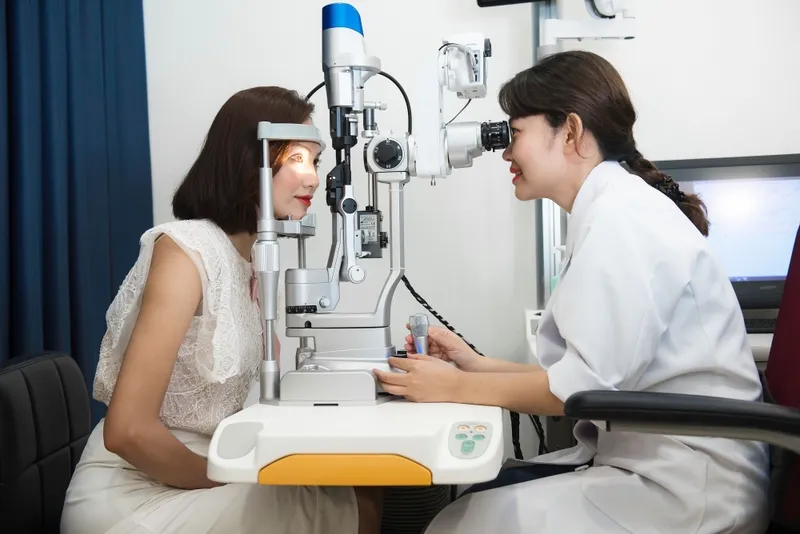
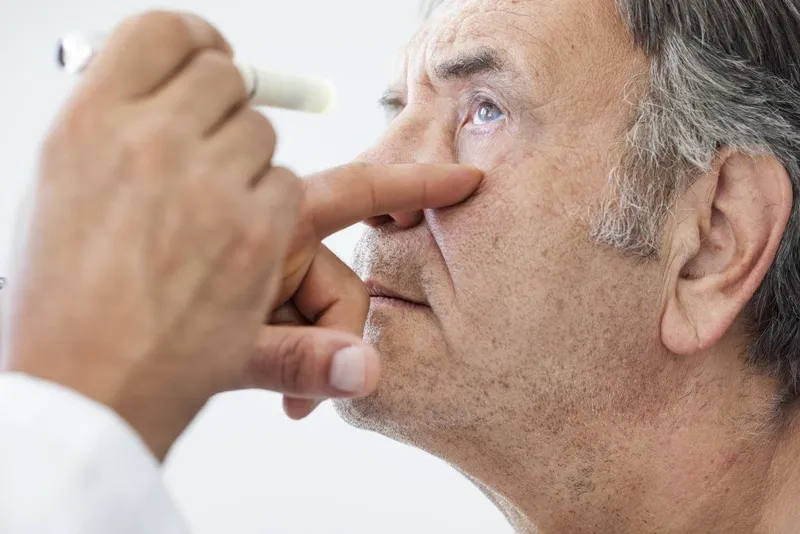
Accurate diagnosis is the foundation of effective treatment. An ophthalmologist will examine both eyes individually and in combination to determine the cause and severity of the vision problem.
Diagnostic Methods
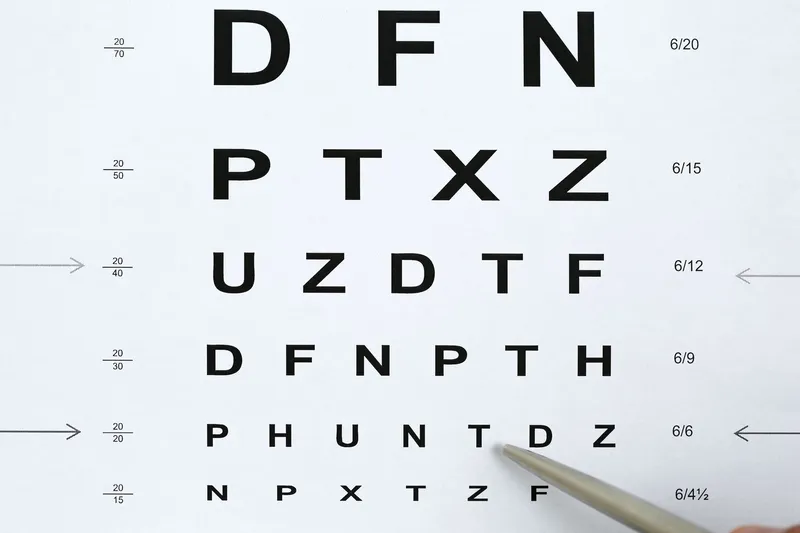
1. Snellen Chart Test (Visual Acuity Test)
Developed in 1862 by Dutch ophthalmologist Herman Snellen, this test evaluates how clearly you can read letters of decreasing size. It measures each eye separately and then both eyes together. The smallest line you can read reliably determines your visual acuity score.
2. Visual Field Test
This examination evaluates your peripheral vision—the range of sight you have without turning your head. It helps detect conditions such as glaucoma, retinal disease, and neurological disorders.
3. Tonometry
This test measures intraocular pressure (IOP), a critical indicator in diagnosing glaucoma. Elevated IOP can damage the optic nerve and lead to permanent vision loss.
4. Ocular Motility Assessment
This evaluates eye alignment and movement, helping identify conditions such as strabismus, nerve palsies, or muscle dysfunction.
5. Additional Diagnostic Tests
In some cases, more specialized tests may be required to assess how visual signals travel from the eye to the brain:
- Visual Evoked Potential (VEP)
- Electroretinography (ERG)
- Electro-oculography (EOG)
These tests help detect retinal dysfunction, optic nerve disorders, or neurological vision problems.
Effective Treatment Options for Visual Impairment
Treatment for visual impairment depends primarily on the underlying cause. Some conditions, such as refractive errors, can be easily corrected with prescription glasses or contact lenses. Others require medical therapy, long-term disease management, or even surgery. Below are the most commonly used strategies:
1. Medications
- Antibiotics: Used to treat vision loss resulting from bacterial infections, such as trachoma or syphilis-related eye disease.
- Anti-inflammatory drugs: Often prescribed for uveitis or viral-related inflammation.
2. Cataract Surgery
Cataract removal remains one of the most successful surgical procedures worldwide. Replacing the clouded natural lens with an artificial intraocular lens (IOL) often restores vision almost immediately.
3. Corneal Transplant (Keratoplasty)
Indicated for individuals with corneal scars, ulcers, or dystrophies that impair vision. A donor cornea replaces the damaged tissue to restore clarity.
4. Retinal Surgery or Laser Therapy
Used to treat retinal tears, detachments, diabetic retinopathy, and other retinal conditions. Laser photocoagulation can prevent further vision loss.
5. Vitamin Supplementation
Vision loss caused by vitamin A deficiency (xerophthalmia) can often be reversed with high-dose vitamin A therapy. Other nutrients, such as vitamins B-complex and D, may also be recommended depending on the patient’s nutritional status.

What Influences the Choice of Treatment?
Healthcare providers base treatment decisions on several key factors:
- Severity of visual impairment
- Underlying cause and potential complications
- Age and overall health
- Coexisting medical conditions (e.g., diabetes, hypertension)
This individualized approach ensures that each patient receives the safest and most effective therapy.
Management Strategies for Visual Impairment
A combination of lifestyle changes, regular monitoring, and medical treatment can help preserve vision or prevent worsening.
1. Managing Diabetes and Hypertension
Controlling blood sugar is critical for preventing the progression of diabetic retinopathy. Likewise, maintaining normal blood pressure reduces the risk of hypertensive eye disease.
2. Visual Aids
Devices such as magnifying glasses, reading aids, and digital magnifiers can help patients maintain independence.
3. Glaucoma Treatment
Glaucoma requires lifelong management. Common medications include:
- Prostaglandin analogs: Latanoprost, Tafluprost, Travoprost
- Beta-blockers: Betaxolol
- Carbonic anhydrase inhibitors: Dorzolamide
- Alpha agonists: Brimonidine tartrate
These eye drops lower intraocular pressure, protecting the optic nerve from further damage.
4. Macular Degeneration (AMD)
Currently, there is no cure for dry age-related macular degeneration. However, certain supplements (AREDS2 formulation), lifestyle changes, and routine monitoring can slow its progression.
Lifestyle Measures to Prevent and Slow Visual Impairment
Adopting healthy daily habits can significantly reduce the risk of vision loss and help maintain eye health.
Healthy Habits to Protect Your Eyes
Schedule regular eye examinations, especially if you notice any changes in vision.
Use prescription glasses or contact lenses exactly as recommended.
Keep blood sugar and blood pressure within healthy ranges.
Wear protective eyewear when working, driving, or playing contact sports.
Wear sunglasses outdoors to protect your eyes from UV radiation.
Quit smoking—tobacco significantly accelerates cataracts and macular degeneration.
Maintain proper hygiene when using contact lenses; never reuse or overwear them.
Manage stress levels through exercise, meditation, hobbies, and social support.
Attend routine checkups to track disease progression and adjust treatment early.
Prioritize mental health; talk to supportive family, friends, or engage in relaxing activities such as reading or caring for pets.

Nutrition for Better Eye Health
Eat a balanced diet rich in vitamin A, omega-3 fatty acids, vitamin C, vitamin E, and zinc—all crucial for maintaining healthy vision.
Follow diabetes-specific dietary guidelines if you have diabetes.
Effective Prevention Strategies
According to the World Health Organization (WHO), up to 80% of visual impairment worldwide is preventable. Many conditions—such as refractive errors, cataracts, and early-stage glaucoma—can be treated effectively if detected early.
How to Lower Your Risk of Vision Loss
- Avoid smoking.
- Seek early diagnosis and treatment for diabetes and hypertension.
- Undergo regular eye screenings, especially for older adults and individuals with chronic diseases.
