
Understanding Age-Related Cataracts
There are two major structural changes in the lens that characterize cataracts in older adults:
1. Nuclear Cataracts (Central Opacification)
The central portion of the lens, called the nucleus, gradually hardens and turns yellow or even brown-black in advanced stages. Under microscopic examination, eye specialists can clearly see the dense, compacted nucleus even before the entire lens becomes opaque.
2. Cortical Cataracts (Peripheral Opacification)
These appear as wedge-shaped or spoke-like opacities starting at the outer layer (cortex) and progressing inward, eventually interfering with the passage of light.
In the United States, cataracts affect approximately:
- 50% of individuals aged 65–74
- Up to 70% of people older than 75
Stages of Cataract Progression
Cataracts generally worsen over time, moving through several recognizable stages:
1. Early Stage
- No obvious cloudiness when looking at the pupil.
- Microscopy reveals early opacities in either the cortex or nucleus.
- Vision may still be relatively good, but symptoms such as mild glare or difficulty seeing in dim lighting may appear.
2. Progressive Stage
- Cloudiness becomes more visible through the pupil.
- Vision declines to the point where the person may only be able to count fingers at close range.
- Light reflex from the pupil becomes extremely faint.
3. Mature (Fully Opaque) Cataract
- Significant vision loss; patients may only detect light or its direction.
- The retina cannot be visualized during examination.
- Surgery is strongly recommended to avoid complications.
Common Symptoms of Age-Related Cataracts
People with cataracts may notice one or more of the following symptoms:
- Blurry or foggy vision (as if looking through a clouded window)
- Glare and light sensitivity, especially at night
- Temporary “second sight” or myopia shift (pseudo-myopia)
- Reduced overall visual clarity
- A white or grayish appearance of the pupil in advanced cases

Possible Complications
The most concerning complication of untreated cataracts in older adults is acute glaucoma. As the lens becomes swollen or excessively opaque, it may block the drainage angle of the eye, causing a dangerous spike in intraocular pressure. Without treatment, this can lead to permanent blindness.
When Should You See an Eye Doctor?
You should schedule an eye examination with an ophthalmologist if you notice:
- Persistent blurry or foggy vision
- Increasing sensitivity to bright lights or glare
- Colors appearing faded or washed out
Seeking early evaluation helps prevent complications and ensures timely surgical intervention when needed.
Causes of Age-Related Cataracts
The lens of the eye sits just behind the iris and pupil, acting as a natural focusing system that directs light onto the retina. It is composed primarily of water and structural proteins arranged in a precise, transparent pattern. With age, these proteins can gradually clump together, disrupting the clarity of the lens and creating cloudy patches. Over time, these opacities enlarge and eventually affect a significant portion of the lens, leading to progressive vision loss.
Age-related cataracts generally arise from three major structural changes:
1. Nuclear Sclerosis (Nuclear Cataracts)
In the early stages, the central core of the lens (the nucleus) becomes increasingly compact and hardened. As the refractive index of the nucleus changes, patients may develop a temporary shift toward nearsightedness—often referred to as “second sight.” This phase may give the impression of improved reading vision before true cataract symptoms emerge.
2. Cortical Cataracts
Cortical cataracts commonly appear in both eyes but may progress unevenly. Degeneration of the cortical fibers creates wedge-shaped, spoke-like opacities that start near the outer edge of the lens and move inward. At advanced stages, the capsule surrounding the lens may wrinkle and collapse, a condition known as hypermature cataract.
3. Posterior Subcapsular Cataracts (PSC)
PSC cataracts develop at the back surface of the lens and often lie directly in the visual axis, causing more severe symptoms at earlier stages. Although aging is the most common cause, PSC can also result from eye trauma, long-term corticosteroid use, or exposure to ionizing radiation.

Risk Factors for Cataracts in Older Adults
While aging is the strongest predictor, several additional factors increase the likelihood of developing cataracts:
Common Risk Factors
- Chronic medical conditions: diabetes, hypertension, obesity, recurrent eye inflammation
- Long-term corticosteroid therapy, particularly systemic or high-dose topical steroids
- Family history of cataracts
- Alcohol consumption and smoking, both linked to oxidative stress
- Poor nutrition, including deficiencies in vitamins C, E, and antioxidants
- Past eye trauma or eye surgery
- Prolonged exposure to UV radiation
Diagnosis of Age-Related Cataracts
Evaluation begins with a detailed medical and visual history. Patients often report:
- Gradual decline in visual clarity, especially distance vision
- Seeing dark floaters or shadows in early stages
- Double vision or “ghost images” in one eye
- Increased glare sensitivity, especially from sunlight or headlights
Doctors will also review underlying conditions such as diabetes, uveitis, high myopia, or glaucoma, as these may alter treatment decisions.
Clinical Examination
1. Pupil Reflex and Red Reflex Test
When light is shined into the eye, cloudy areas appear as dark shadows against the red retinal reflex. This helps the clinician identify early lens opacities.
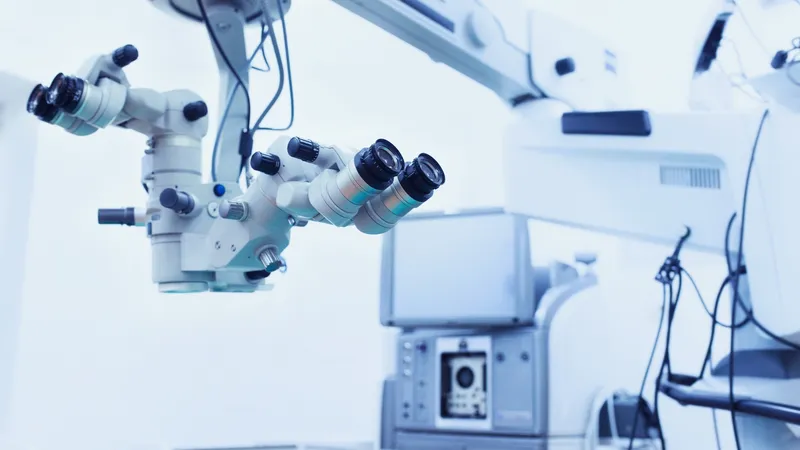
2. Slit-Lamp Examination
A slit-lamp microscope provides a detailed look at:
- The location of the opacity
- The density and hardness of the lens nucleus
- The presence of PSC, cortical spokes, or nuclear yellowing
This assessment guides timing and technique for surgery.
Treatment Options for Cataracts in Older Adults
In early stages, cataracts may not require surgery. Instead, patients can improve visual comfort through:
- Updated prescription glasses
- Better lighting in reading or working areas
- Anti-glare sunglasses for outdoor use
However, when vision loss begins to interfere with daily tasks—such as driving, reading, or recognizing faces—medical therapy is limited, and the definitive treatment is surgery.
Medication and Eye Drops
Research is ongoing into medications that could slow cataract progression. These include:
- Sorbitol modulators
- Aspirin derivatives
- Antioxidants such as Vitamin C, calcium, and glutathione-enhancing agents
However, current evidence shows these treatments only provide potential benefit in early stages and cannot reverse existing cataracts.
Cataract Surgery: The Gold Standard
Cataract surgery is the only effective way to restore vision once the lens becomes significantly cloudy. The procedure involves:
- Removing the opacified natural lens
- Replacing it with a clear intraocular lens (IOL)
Modern techniques—especially phacoemulsification—are highly safe, minimally invasive, and offer fast recovery.
Lifestyle Recommendations and Prevention
While cataracts cannot always be prevented, healthy habits can slow their development.
Healthy Daily Habits
- Seek immediate evaluation if symptoms worsen during treatment
- Wear sunglasses with UV-A and UV-B protection
- Stop smoking, which both accelerates cataract formation and weakens the immune system
Nutrition for Eye Health
A diet rich in:
- Vitamin A, C, and E
- Leafy greens and colorful vegetables
- Omega-3–rich foods (salmon, mackerel, walnuts)
…supports lens health and reduces oxidative stress.
Preventive Measures
Although no method guarantees complete prevention, the following strategies help lower risk:
- Strict control of chronic diseases such as diabetes, hypertension, and obesity
- Managing inflammatory eye conditions (e.g., uveitis)
- Regular comprehensive eye examinations, especially for adults over 60
Routine check-ups allow early detection and timely surgery—key elements in maintaining long-term vision.