
Pituitary Dwarfism: What You Should Know
Overview of Pituitary Dwarfism
Growth hormone deficiency (GHD) is a relatively rare endocrine disorder in which the pituitary gland does not secrete enough growth hormone (GH or somatotropin). This condition can affect infants, children, and adults. Children with GHD are typically shorter than average and show slow growth while maintaining normal body proportions.
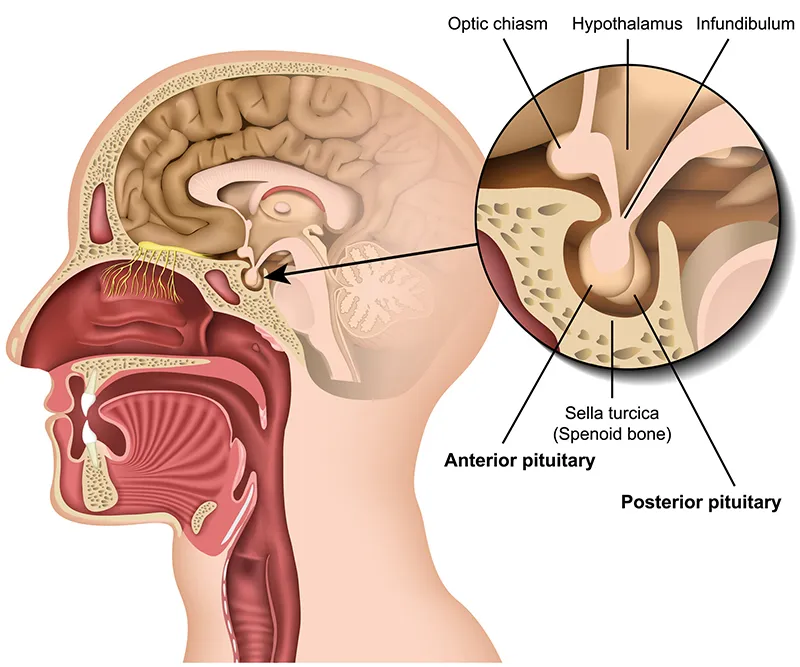
The pituitary gland is a pea-sized endocrine gland located at the base of the brain, beneath the hypothalamus. It consists of two lobes: the anterior and posterior pituitary. Growth hormone is produced in the anterior lobe.
Growth hormone plays a vital role in stimulating body growth in children. It supports bone lengthening, muscle strength, and healthy fat distribution, and also affects metabolism throughout life.

Signs and Symptoms of Pituitary Dwarfism
Symptoms can vary depending on the age at which the condition begins.
In Infants and Young Children
In babies and young children, the most noticeable sign is poor growth velocity. After age three, children with GHD grow significantly slower than their peers.
Other symptoms may include:
- A face that appears younger than the actual age
- Slow hair and nail growth
- Delayed tooth development
- Delayed puberty
- Low blood sugar (hypoglycemia), especially in newborns
- Very small penis size in boys (micropenis)
In Adults (Adult-Onset GHD)
When growth hormone deficiency begins in adulthood, symptoms may be subtle and often go unnoticed at first:
- Decreased sense of well-being
- Anxiety or depression
- Increased body fat, especially around the abdomen
- Reduced muscle mass and strength
- Decreased bone density (osteoporosis)
- Insulin resistance and increased risk of type 2 diabetes
- Elevated LDL (“bad”) cholesterol, increasing heart disease risk

Possible Complications
If left untreated in children, pituitary dwarfism can lead to significantly short stature and delayed puberty. Even with treatment, some adults who had GHD in childhood remain at higher risk of heart disease and stroke later in life.
Adults with untreated growth hormone deficiency are also more prone to osteoporosis, increasing the risk of fractures from even minor injuries.
When to See a Doctor
Parents should consult a doctor if a child appears significantly shorter than peers or grows more slowly than expected after age two. Early diagnosis and treatment are crucial to improve growth outcomes and reduce long-term complications.
Causes of Pituitary Dwarfism
Pituitary dwarfism can result from several underlying factors. In general, the causes are grouped into three main categories:
- Congenital causes – present at birth due to genetic defects or brain structure abnormalities
- Acquired causes – develop later in life due to damage or disease affecting the pituitary gland
- Idiopathic – the cause is unknown and no clear abnormality can be identified
1. Congenital Causes
Congenital growth hormone deficiency is typically the result of genetic mutations or abnormal brain development. Some children may also have associated craniofacial abnormalities, such as a cleft lip or cleft palate.
Researchers have identified several genetic types of pituitary dwarfism:
| Type | Characteristics |
| Type IA | Due to a severe gene mutation. Babies are born significantly smaller than expected and grow poorly. They may initially respond to growth hormone (GH) therapy but later develop antibodies that block GH action, resulting in very short adult height. |
| Type IB | Similar to Type IA, but affected children still produce small amounts of natural GH and continue to respond to synthetic GH treatment throughout life. |
| Type II | Characterized by low GH levels and varying degrees of short stature. Symptoms often appear in early to mid-childhood. About half of patients have an underdeveloped pituitary gland (pituitary hypoplasia). |
| Type III | Similar to Type II but also associated with a weakened immune system, making patients prone to frequent infections. |
| Type IV | Marked by delayed growth and delayed bone age. There may be structural abnormalities in the GH molecule, and response to GH stimulation is abnormal. |
2. Acquired Causes
Acquired growth hormone deficiency occurs when the pituitary gland is damaged after birth, affecting its ability to produce GH. This can happen in both children and adults.
Common causes of pituitary damage include:
- Pituitary adenomas (benign pituitary tumors)
- Radiation therapy to the brain or pituitary region
- Severe head trauma or traumatic brain injury (TBI)
- Reduced blood supply to the pituitary gland
- Brain surgery or pituitary tumor removal procedures
- Central nervous system infections (e.g. meningitis, encephalitis)
- Infiltrative diseases such as Langerhans cell histiocytosis, sarcoidosis, or tuberculosis
- Hypothalamic tumors compressing the pituitary gland
Risk Factors for Pituitary Dwarfism
Who Is at Risk?
Although pituitary dwarfism is rare, certain groups have a higher likelihood of developing it:
- Children are affected more frequently than adults
- Family history of growth hormone deficiency
- Presence of pituitary or hypothalamic tumors
- History of head trauma or brain injury
- Previous surgery involving the brain or pituitary gland
- Patients receiving radiation therapy to the head or brain (e.g. cancer treatment)
Factors That Increase Risk
Certain situations can increase the chance of developing pituitary dwarfism, especially acquired cases:
- Cancer treatment during childhood before reaching final adult height
- Cranial radiotherapy involving the pituitary region
- Brain surgery, especially near the pituitary gland
- Long-term effects of traumatic brain injury
Diagnosis & Treatment of Pituitary Dwarfism
Diagnostic Methods for Pituitary Dwarfism
A detailed medical history, physical examination, and growth assessment are essential first steps in diagnosing pituitary dwarfism. Height, weight, and limb proportions are measured and compared to standardized growth charts. Additional diagnostic tests may include:
X-ray (Bone Age Assessment): A hand and wrist X-ray evaluates bone development (bone age) and growth potential. It may also reveal abnormalities of the skull, such as a small or enlarged sella turcica or other space-occupying lesions.
Blood Tests and Laboratory Studies: These help rule out other medical conditions affecting growth and support the diagnosis. Key tests include:
- Insulin-like Growth Factor 1 (IGF-1)
- Insulin-like Growth Factor Binding Protein 3 (IGFBP-3)
Low levels of these markers are consistent with growth hormone deficiency.
Growth Hormone (GH) Stimulation Test: This is the gold standard for diagnosing pituitary dwarfism. Medications that stimulate GH secretion are administered, followed by serial blood sampling. If GH levels fail to reach expected peaks, GH deficiency is confirmed.
Magnetic Resonance Imaging (MRI) or CT Scan: A brain MRI is typically performed to detect structural abnormalities or lesions affecting the pituitary gland or hypothalamus.

Treatment of Pituitary Dwarfism
Treatment aims to restore normal growth and correct hormonal deficiencies:
Recombinant Human Growth Hormone (rhGH): This is the main treatment for both children and adults. It is given as a daily subcutaneous injection, typically at a dose of 0.03–0.05 mg/kg/day. Treatment often continues for several years and requires regular monitoring to adjust dosage and evaluate effectiveness.
Hormone Replacement Therapy: If other pituitary hormones are also deficient, additional hormone replacement may be necessary:
- Thyroid hormone for hypothyroidism
- Hydrocortisone (cortisol substitute) for adrenal insufficiency
- Desmopressin for diabetes insipidus (administered orally or as a nasal spray)
- Sex steroids (estrogen or testosterone) during puberty to support normal sexual development
Lifestyle Habits & Prevention of Pituitary Dwarfism
Healthy Lifestyle Habits to Support Treatment
Adopting a healthy lifestyle plays an important role in improving treatment outcomes and overall well-being for individuals with pituitary dwarfism.
Daily Habits
Follow medical guidance: Adhere strictly to the treatment plan prescribed by your endocrinologist. Take medications exactly as directed regarding dosage and timing.
Manage stress: Avoid excessive physical or emotional stress. Practice relaxation techniques such as yoga, meditation, or deep breathing.
Get sufficient sleep: Ensure 7–9 hours of quality sleep per night. Avoid staying up late, as growth hormone is primarily secreted during deep sleep.
Maintain a healthy weight: Prevent excessive weight gain and obesity by reducing body fat and increasing lean muscle mass.
Stay physically active: Avoid sedentary habits. Engage in regular physical activities such as swimming, jogging, cycling, or simple daily exercises to support growth and metabolism.
Nutrition Guidelines
A balanced diet is essential for optimal growth and hormone function:
Ensure adequate nutrients: Include all essential food groups. Increase intake of protein-rich foods such as meat, fish, eggs, milk, and legumes.
Increase vitamins and minerals: Eat plenty of leafy green vegetables, fruits, whole grains, and nuts to support bone and muscle development.
Balance daily calorie intake: Provide enough calories to support activity and growth without overeating.
Limit unhealthy foods: Avoid fast food, deep-fried foods, processed meats, canned foods, sugary snacks, and carbonated drinks.
Reduce salt, sugar, and refined carbohydrates.
Avoid smoking, alcohol, and stimulants as they can interfere with hormone balance.
Drink at least 2 liters of water per day to support metabolism and overall health.

Prevention of Pituitary Dwarfism
Currently, there is no specific method to completely prevent pituitary dwarfism, as many cases are congenital or genetic. However, certain measures may help reduce risk and detect health issues early:
- Schedule regular health check-ups to detect hormonal or growth abnormalities as early as possible.
- Manage chronic medical conditions effectively to prevent complications affecting the pituitary gland.
- Maintain a healthy body weight through regular physical activity and proper nutrition.
- Avoid head injuries by wearing safety gear during sports or high-risk activities.
- Reduce stress and maintain a healthy emotional state.
- Follow a balanced diet rich in protein, vitamins, and minerals to support growth.
- Stay hydrated by drinking enough water throughout the day.
