Hypothyroidism: Symptoms, Causes, and Treatment
If left untreated, hypothyroidism can become life-threatening. Early detection and appropriate management are crucial to prevent serious complications.
There are two main types of hypothyroidism:
- Primary hypothyroidism: Caused by a problem within the thyroid gland itself.
- Secondary hypothyroidism: Results from issues in the pituitary gland or hypothalamus that affect thyroid hormone production.

Symptoms of Hypothyroidism
The signs and symptoms of hypothyroidism vary depending on the severity of hormone deficiency. Common manifestations include:
Metabolic symptoms
- Sensitivity to cold
- Mild weight gain
- Low body temperature
Neurological symptoms
- Forgetfulness
- Tingling or numbness in fingers and toes
- Slow deep tendon reflex recovery
Psychiatric symptoms
- Personality changes
- Puffy facial appearance
- Depression, dementia, or psychosis (myxedema madness)
Skin and hair changes
- Puffy face and limbs (myxedema)
- Dry, rough, thickened skin
- Coarse, brittle hair and thinning eyebrows
- Yellowish palms and soles due to carotene buildup
- Enlarged tongue from mucopolysaccharide deposition
Eye manifestations
- Swelling around the eyes
- Reduced eyelid movement
Digestive symptoms
- Constipation
Gynecological symptoms
- Heavy menstrual bleeding or secondary amenorrhea
Cardiovascular symptoms
- Slow heart rate
- Enlarged heart on physical exam
Other symptoms
- Fluid accumulation in the chest or abdomen
- Hoarseness or slow speech
When to See a Doctor
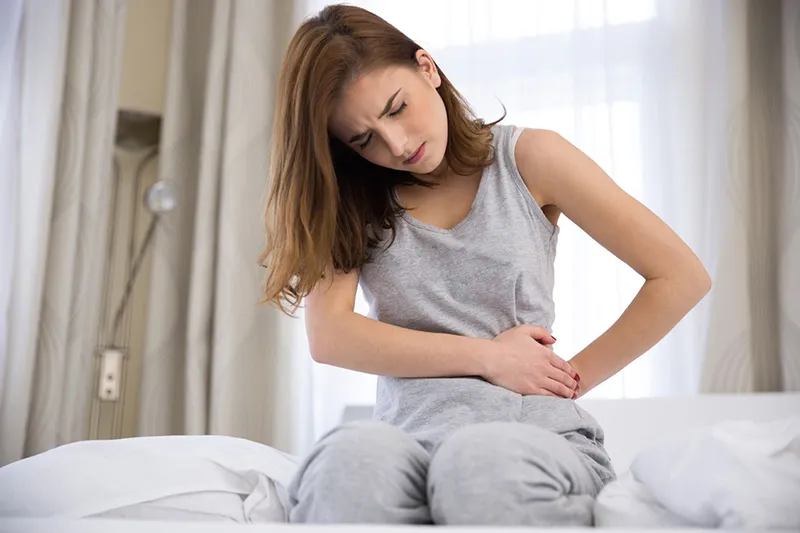
You should consult a healthcare provider if you feel unusually fatigued or notice symptoms such as dry skin, pale or puffy face, constipation, or hoarseness.
If you are already being treated for hypothyroidism, follow your doctor’s instructions and schedule regular checkups to monitor hormone levels and adjust medication if necessary.
Causes of Hypothyroidism
Hypothyroidism develops when the thyroid gland fails to produce enough thyroid hormones to meet the body’s needs. This condition can result from a variety of causes, including:
Autoimmune Disease: The most common cause of hypothyroidism is an autoimmune disorder called Hashimoto’s thyroiditis. In this condition, the immune system mistakenly attacks the thyroid gland, leading to inflammation and reduced hormone production.
Overtreatment of Hyperthyroidism: People treated for hyperthyroidism (overactive thyroid) with radioactive iodine or antithyroid medications may experience an excessive reduction in thyroid activity, resulting in permanent hypothyroidism.
Thyroid Surgery: Surgical removal of all or part of the thyroid gland can significantly reduce or completely stop hormone production, depending on how much tissue is removed.
Radiation Therapy: Radiation used to treat cancers of the head and neck can damage thyroid cells, impairing hormone production and leading to hypothyroidism.
Medications: Certain drugs can interfere with thyroid function. One well-known example is lithium, commonly prescribed for psychiatric disorders such as bipolar disorder.
Congenital Disease: Some babies are born with a defective thyroid gland or no thyroid at all. In most cases, the thyroid fails to develop properly for unknown reasons, though genetic factors may sometimes be involved.
Pituitary Disorders: A rare cause of hypothyroidism is insufficient production of thyroid-stimulating hormone (TSH) by the pituitary gland, often due to a benign pituitary tumor or other pituitary dysfunction.
Pregnancy: Some women develop hypothyroidism during or after pregnancy — a condition called postpartum hypothyroidism — usually triggered by the immune system producing antibodies that damage the thyroid gland.
Iodine Imbalance: Both iodine deficiency and excess can cause hypothyroidism. Too little iodine leads to low thyroid hormone production, while too much iodine may worsen existing thyroid dysfunction.
Risk Factors for Hypothyroidism
Who Is at Risk? Hypothyroidism can occur at any age, but it is most common among older women. The condition often develops gradually and may go unnoticed for years.
Factors That Increase the Risk of Hypothyroidism
You may be at higher risk if you:
- Have a family history of thyroid disease.
- Have an autoimmune disorder such as Type 1 diabetes or celiac disease.
- Have been treated with radioactive iodine or antithyroid medications.
- Have received radiation therapy to the neck or upper chest.
- Have undergone partial thyroid removal surgery.
- Have been pregnant or given birth within the last six months.
Diagnosis and Treatment of Hypothyroidism
Diagnostic Methods for Hypothyroidism
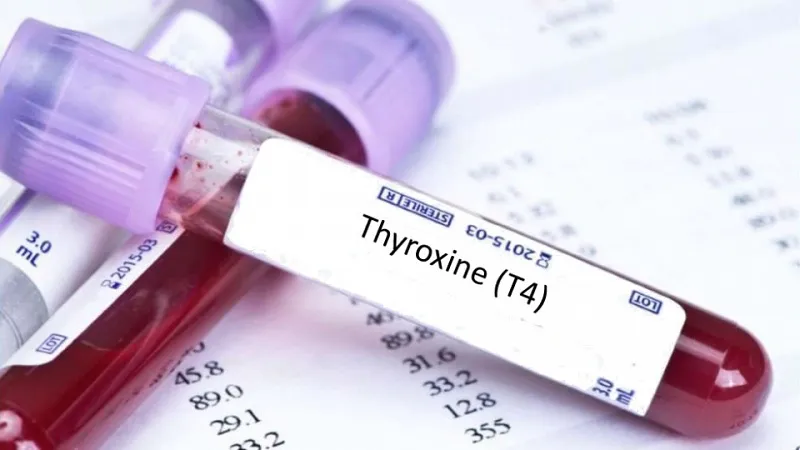
If you have symptoms suggestive of hypothyroidism, your doctor will order blood tests to measure key hormone levels — mainly thyroid-stimulating hormone (TSH) and thyroxine (T4).
- Low T4 levels generally indicate hypothyroidism.
- Some people may have elevated TSH but normal T4 — a condition called subclinical (mild) hypothyroidism, considered an early stage of the disease.
If your thyroid blood tests or physical examination are abnormal, your doctor may also recommend:
- Thyroid ultrasound — to detect nodules, inflammation, or structural changes.
- Thyroid scan — to evaluate thyroid function and iodine uptake.
Effective Treatment for Hypothyroidism
The cornerstone of hypothyroidism treatment is thyroid hormone replacement therapy, which restores normal hormone levels and alleviates symptoms. Several formulations are available:
- Synthetic T4 (levothyroxine, L-thyroxine) – the preferred and most commonly prescribed option.
- Synthetic T3 (liothyronine) – used rarely and usually in combination therapy.
- Combination of synthetic T4 and T3 – in specific cases under medical supervision.
- Desiccated animal thyroid extracts – less commonly used due to inconsistent hormone levels.
Levothyroxine Therapy (L-Thyroxine)
- The typical maintenance dose is 75–150 mcg once daily, depending on age, weight, and individual response.
- For patients with heart disease, treatment starts at a low dose (around 25 mcg/day) and is increased gradually every 6 weeks until optimal TSH levels are achieved.
- Pregnant women often require higher doses, as thyroid hormone demands increase during pregnancy.
- Dosage adjustments may also be needed if the patient takes medications that impair absorption or accelerate metabolism of T4.
The goal is to maintain serum TSH levels within the mid-normal range.
Important Precautions
Liothyronine (T3) should not be used alone for long-term replacement, as it has a short half-life and causes fluctuations in serum T3 levels.
In secondary hypothyroidism, L-thyroxine should not be started until adequate cortisol production is confirmed or corticosteroid therapy is in place — since thyroid hormone may precipitate an adrenal crisis in cortisol-deficient patients.
Lifestyle and Prevention of Hypothyroidism
Healthy Habits to Slow the Progression of Hypothyroidism
Lifestyle Recommendations
- Follow your doctor’s treatment plan carefully. Take medications exactly as prescribed and attend all follow-up appointments.
- Maintain a positive and active lifestyle. Engage in regular physical activity and practice stress management techniques such as meditation or yoga.
- Get regular medical check-ups to monitor hormone levels and adjust therapy as needed.
- Stay alert for abnormal symptoms during treatment and report them promptly to your healthcare provider.
- Keep a positive mindset. Psychological well-being significantly impacts recovery. Talk with trusted friends or family, engage in hobbies, read, or spend time with pets — anything that helps you relax and feel emotionally balanced.

Nutrition Guidelines for People with Hypothyroidism
A balanced diet plays a crucial role in managing thyroid function.
What to Include
- Iodine-rich foods: Since iodine is essential for thyroid hormone production, include fish, seafood, seaweed, and iodized salt in your diet.
- Low-glycemic foods: Choose foods that help stabilize blood sugar levels such as potatoes, corn, carrots, bananas, oranges, pineapples, papayas, and watermelons.
- Healthy carbohydrates in moderation: Prefer whole grains and fiber-rich foods over refined flour or sugar.
What to Limit or Avoid
- Goitrogenic foods (which can interfere with thyroid function) — such as broccoli, cabbage, cauliflower, turnips, and mustard greens.
- Iron or calcium supplements — take them several hours apart from thyroid medication, as they can reduce absorption of levothyroxine.
- Excessive processed starches and sugars, which can contribute to weight gain and metabolic imbalance.
Effective Ways to Prevent Hypothyroidism
To reduce your risk of developing hypothyroidism or detect it early, consider the following strategies:
Regular thyroid screening for individuals with elevated anti-thyroid peroxidase antibodies (anti-TPO) even if no symptoms are present. Early detection allows timely intervention before full hypothyroidism develops.
Preconception screening for women of childbearing age. During the first trimester, the fetus relies entirely on the mother’s thyroid hormones for brain and nervous system development. Untreated maternal hypothyroidism during this period may lead to intellectual and developmental delays in the child.
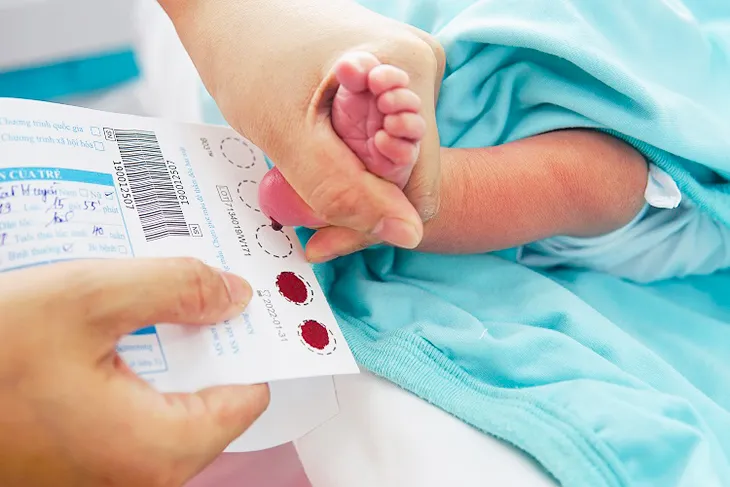
Newborn screening. Babies born to mothers with hypothyroidism should undergo heel-prick blood tests in the first days after birth to check thyroid function.
Thyroid hormone testing for infertile couples, as thyroid dysfunction can contribute to fertility problems in both men and women.