
Grade 1 Obesity: Causes, Symptoms, and Prevention
Overview of Grade 1 Obesity
What is Grade 1 Obesity?
Obesity refers to the excessive accumulation of body fat that can negatively impact health. Having some body fat is normal and necessary for various bodily functions; however, excessive fat storage can disrupt metabolism and increase disease risk. Obesity is considered a chronic and often relapsing disorder influenced by both environmental and genetic factors.
Physicians commonly use the Body Mass Index (BMI) to assess obesity. BMI is calculated by dividing a person’s weight (in kilograms) by the square of their height (in meters), expressed as kg/m². Although BMI has certain limitations, it remains a simple and effective screening tool to estimate body fat and assess related health risks.
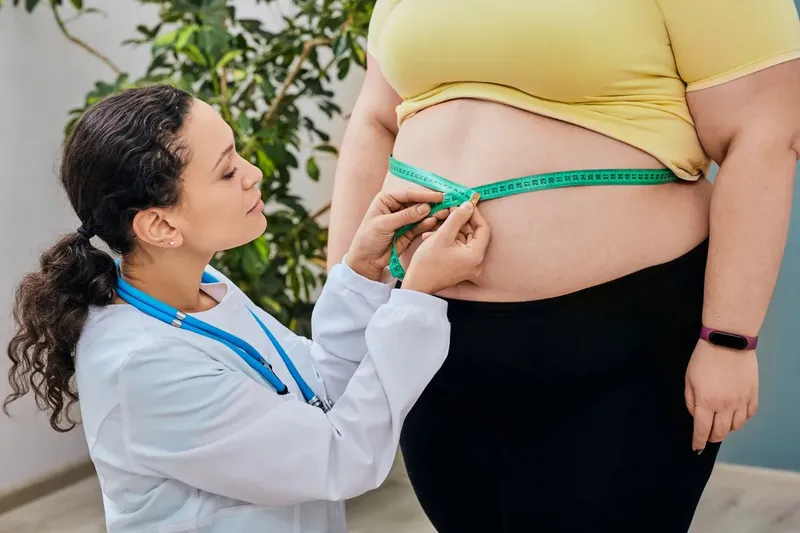
Another key indicator is waist circumference. Excess abdominal fat is strongly associated with metabolic disorders and cardiovascular disease. Generally, health risks increase significantly when waist circumference exceeds 88 cm (35 inches) in women or 102 cm (40 inches) in men, according to global standards.
Obesity Classification (Based on WHO Criteria)
| BMI (kg/m²) | Classification |
| < 18.5 | Underweight |
| 18.5 – 24.9 | Normal weight |
| 25.0 – 29.9 | Overweight |
| 30.0 – 34.9 | Obesity Class I (Grade 1) |
| 35.0 – 39.9 | Obesity Class II (Grade 2) |
| ≥ 40.0 | Obesity Class III (Severe) |

Symptoms of Grade 1 Obesity
Common Signs and Symptoms
Grade 1 obesity is defined by a BMI between 25 and 29.9 kg/m². Although considered a mild form of obesity, it can still lead to significant health concerns if left unmanaged. Gradual weight gain over time may increase the risk of developing more severe conditions.
Common symptoms and physical signs include:
- Shortness of breath
- Excessive sweating
- Snoring during sleep
- Difficulty performing physical activities
- Persistent fatigue
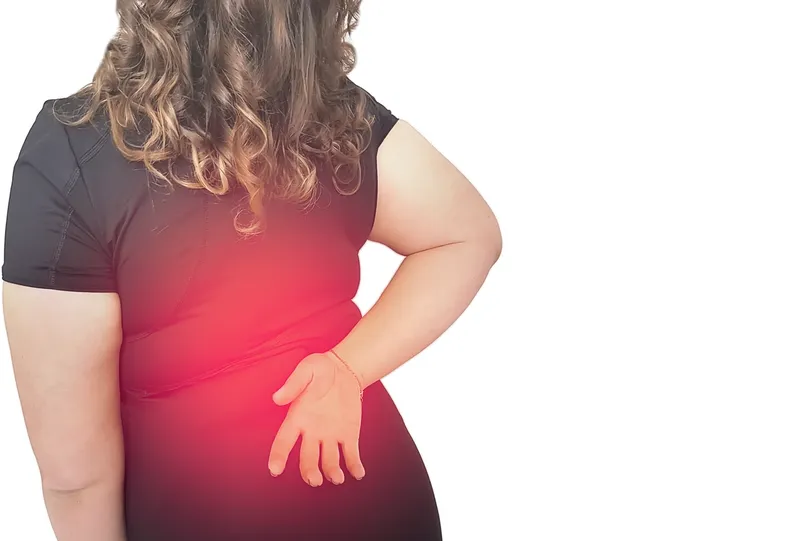
- Joint or back pain
- Low self-esteem or body image concerns
Possible Complications of Grade 1 Obesity
Individuals with obesity have a higher risk of developing several serious health conditions, including:
Heart disease and stroke: Obesity increases the likelihood of high blood pressure and elevated cholesterol levels, which are major risk factors for cardiovascular disease and stroke.
Type 2 diabetes: Excess fat accumulation promotes insulin resistance, a primary cause of type 2 diabetes.
Certain types of cancer: Obesity is linked to an increased risk of several cancers, such as uterine, cervical, endometrial, ovarian, breast, colon, rectal, and esophageal cancer.
Digestive disorders: Obesity raises the risk of developing gastroesophageal reflux disease (GERD) and other gastrointestinal problems.
Sleep apnea: Excess body fat, especially around the neck, can obstruct the airway and cause obstructive sleep apnea.
Osteoarthritis: Carrying extra weight puts additional stress on weight-bearing joints and contributes to chronic inflammation.
Fatty liver disease: Obesity is a major cause of non-alcoholic fatty liver disease (NAFLD), where excess fat builds up in the liver and impairs its function.
When to See a Doctor
Causes of Grade 1 Obesity
Overview
Grade 1 obesity results from a complex interaction of genetic, behavioral, metabolic, and hormonal factors. It occurs when calorie intake consistently exceeds energy expenditure through physical activity and metabolism. The body stores this excess energy as fat tissue.
Below are the most common contributing causes of obesity.
1. High-Calorie Diet and Eating Habits
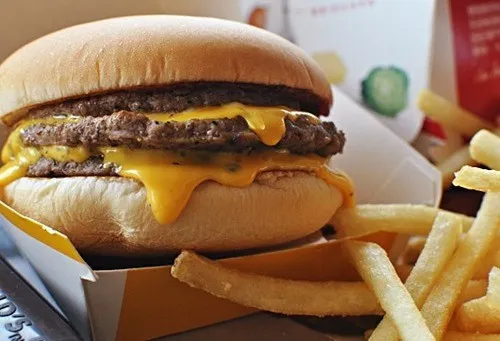
Excess consumption of fast food, sugary drinks, and processed foods leads to a surplus of calories that are easily stored as body fat.
Dietary habits influenced by social environment, cultural norms, or socioeconomic status—such as limited intake of vegetables and whole foods—can also promote weight gain.
2. Genetic Factors
Genetic predisposition plays a significant role in determining body mass index (BMI) and fat distribution. Studies suggest that 40–60% of BMI variation among individuals may be heritable.
Genetic factors influence:
- Appetite regulation via the hypothalamus and gastrointestinal signaling pathways.
- The leptin–melanocortin pathway, particularly the melanocortin-4 receptor (MC4R), which regulates hunger and satiety.
- Energy expenditure, including basal metabolic rate, dietary thermogenesis, and non-exercise activity thermogenesis (NEAT).
- Fat distribution, particularly visceral fat accumulation.
Additionally, epigenetic factors—such as maternal nutrition during pregnancy—can alter gene expression and increase obesity risk later in life.
3. Sedentary Lifestyle
A lack of regular physical activity contributes to a chronic imbalance between calorie intake and expenditure.
Modern sedentary habits—such as prolonged screen time and limited daily movement—are major drivers of global obesity trends.
4. Sleep Deprivation
Inadequate sleep (fewer than 6–8 hours per night) alters the balance of appetite-regulating hormones:
- Leptin (satiety hormone) decreases
- Ghrelin (hunger hormone) increases
As shown in the Wisconsin Sleep Cohort Study involving 1,024 healthy adults, shorter sleep duration was directly correlated with increased BMI.
Adults who slept 5 hours per night had a 3.6% higher BMI compared to those sleeping 8 hours.
5. Hormonal and Endocrine Disorders
Certain hormonal imbalances can cause or worsen obesity, including:
- Hypothyroidism
- Polycystic ovary syndrome (PCOS)
Appetite and metabolism are regulated by multiple hormones:
- GLP-1, CCK, and PYY: reduce appetite and food intake
- Ghrelin: secreted mainly by the stomach, increases hunger
- Leptin: released from fat tissue to signal energy stores to the brain
In obesity, leptin resistance often develops—despite high circulating leptin levels, the brain fails to recognize satiety signals, leading to overeating.
6. Psychological Factors
Emotional and psychological trauma, especially childhood abuse or neglect, can increase the risk of obesity in adulthood.
Studies from the CDC’s Adverse Childhood Experiences (ACE) project showed that individuals with a history of physical, verbal, or sexual abuse had:
- An 8% higher risk of BMI ≥ 30
- A 17.3% higher risk of BMI ≥ 40
Eating disorders such as binge eating disorder or night eating syndrome are also common contributors.
In night eating syndrome, up to 25–50% of daily caloric intake may occur after dinner.
7. Medications
Certain medications can contribute to weight gain, including:
- Antidepressants (tricyclics, tetracyclics, MAO inhibitors)
- Antipsychotics
- Antiepileptic drugs
- Antidiabetic agents (thiazolidinediones)
- Corticosteroids
- Beta-blockers
- Lithium
- Benzodiazepines
These drugs may alter metabolism, appetite, or fluid balance, leading to gradual weight gain.
Risk Factors for Class 1 Obesity
Who Is at Risk of Class 1 Obesity?
Certain individuals are more likely to develop class 1 obesity, including:
Older adults: Obesity can occur at any age, even in childhood. However, hormonal changes and a more sedentary lifestyle with aging increase the risk.
Physically inactive individuals: Lack of exercise leads to reduced calorie expenditure and promotes fat accumulation.
People with underlying health conditions: Disorders such as hypothyroidism, Cushing’s syndrome, and Prader-Willi syndrome can contribute to weight gain.
Factors That Increase the Risk of Class 1 Obesity
A variety of lifestyle, genetic, and psychological factors may heighten the risk of developing class 1 obesity, such as:
- Family history of obesity
- Unhealthy diet
- Sedentary lifestyle
- Pregnancy
- Lack of sleep
- Psychological issues such as depression, anxiety, loneliness, or emotional stress that can lead to overeating
Diagnosis and Treatment of Class 1 Obesity
Diagnostic Methods
During your consultation, the healthcare provider will measure your height, weight, and waist circumference. The dual-energy X-ray absorptiometry (DEXA) scan is considered the most accurate method for assessing body fat composition.
Your doctor will also review your medical history, current medications, diet, exercise habits, sleep quality, and stress factors. They may ask whether you have attempted any weight-loss programs in the past.
In addition, your doctor will check your vital signs (such as heart rate and blood pressure) and may order blood tests to evaluate glucose and cholesterol levels, as well as screen for hormonal imbalances. All these results help determine the degree of obesity and identify related health complications.
Effective Treatment Options for Class 1 Obesity
The primary goal of obesity treatment is to achieve and maintain a healthy body weight, improving overall well-being and reducing the risk of obesity-related complications.
The initial goal is usually to achieve a 5–10% reduction in total body weight. For example, if you weigh 200 pounds (91 kg), losing just 10–20 pounds (4.5–9 kg) can significantly improve your health. Greater weight loss provides even more benefits.
1. Dietary Modifications
Adopt a balanced, calorie-controlled diet by reducing high-fat and high-sugar foods while increasing your intake of vegetables, fruits, and whole grains.
2. Physical Activity
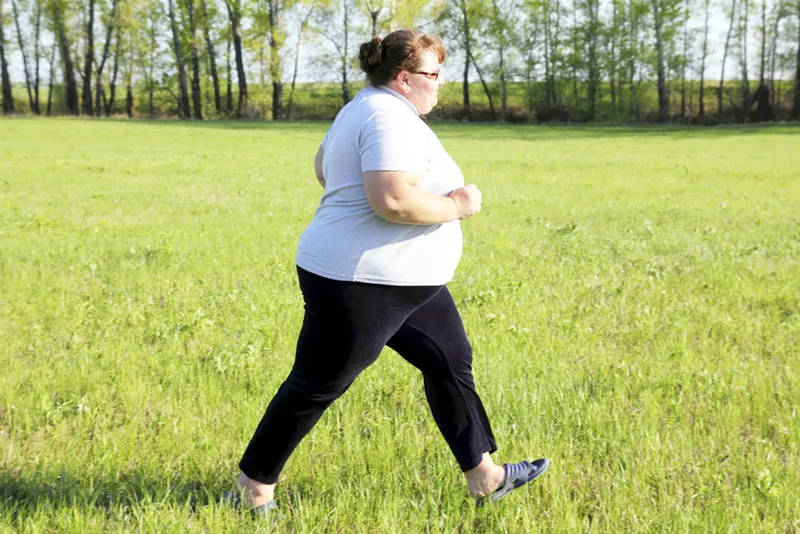
Engage in moderate-intensity exercise for at least 150 minutes per week, such as brisk walking, cycling, or swimming, to burn calories and improve cardiovascular health.
3. Behavioral Therapy
Working with a mental health professional can help address emotional or behavioral factors that lead to overeating. Cognitive behavioral therapy (CBT) can be especially useful in building healthier eating habits and coping mechanisms.
4. Weight-Loss Medications
Prescription medications may be used alongside diet, exercise, and behavior changes, not as substitutes. FDA-approved drugs for obesity management include Liraglutide and Orlistat.
5. Bariatric Surgery
In severe cases—particularly for individuals with class 3 (morbid) obesity—weight-loss surgery (such as gastric bypass or sleeve gastrectomy) may be considered when other treatments have not been effective.
Lifestyle Habits & Prevention of Class I Obesity
Healthy Lifestyle Habits to Help Control Class I Obesity
Daily routine:
Try to stand up and move around your home more often.
Even a 10-minute walk each day can make a difference.
If you are over 40 or have other medical conditions, talk to your doctor for personalized exercise advice and safe activity recommendations.
Nutrition:
Eat more fruits, vegetables, and whole grains. Avoid fried foods, sweets, refined carbohydrates, sugary drinks, and fast food.
Reduce portion sizes at each meal.
Consult a registered dietitian to receive a personalized and sustainable nutrition plan.
Effective Ways to Prevent Class I Obesity
Adopt healthier eating habits: If you tend to snack on high-calorie, sugary foods or drinks, replace them with healthier options such as fruit or low-sugar snacks.
Stay physically active: Make exercise part of your daily routine — even 10 minutes of moderate activity each day can help.
Be intentional with grocery shopping: Choose only nutritious foods such as low-fat milk, fruits, vegetables, and whole grains to keep at home.
Maintain a healthy lifestyle: Limit screen time, spend more time outdoors, and practice stress management. Getting enough sleep also plays a crucial role in preventing weight gain.
