
Warfarin: Vitamin K Antagonist Anticoagulant
Overview
Generic name: Warfarin
Drug class: Vitamin K antagonist (oral anticoagulant)
Dosage Forms and Strengths
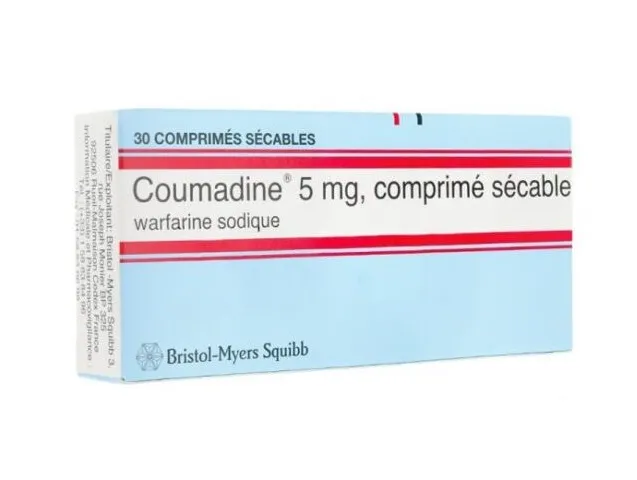
- Tablets: 1 mg, 2 mg, 2.5 mg, 3 mg, 4 mg, 5 mg, 6 mg, 7.5 mg, and 10 mg of warfarin sodium.
- Lyophilized powder: 5 mg vial; when reconstituted with 2.7 mL of sterile water for injection, yields a solution containing 2 mg/mL of warfarin sodium.
Indications
Warfarin is prescribed for the prevention and treatment of thromboembolic disorders in various cardiovascular and surgical settings, including:
1. Cardiac conditions predisposing to embolism
Prevention of thromboembolic complications in patients with atrial fibrillation (chronic or paroxysmal).
In patients with mitral valve disease accompanied by atrial fibrillation.
In those with prosthetic heart valves, especially mechanical or early-generation prosthetic valves where the risk of clot formation is high.
2. Myocardial infarction
Prevention of thromboembolic complications after complicated myocardial infarction, including mural thrombosis, severe left ventricular dysfunction, and ventricular aneurysm formation.
Prevention of recurrent myocardial infarction in patients intolerant to aspirin.
Often administered after heparin in the acute phase to maintain long-term anticoagulation.
3. Venous thromboembolism
Treatment and secondary prevention of deep vein thrombosis (DVT) and pulmonary embolism (PE), typically following initial heparin therapy.
Prophylaxis of DVT and PE following major orthopedic surgery, such as hip replacement.
4. Other uses
Prevention of catheter-associated thrombosis in long-term indwelling catheters.
Pharmacodynamics
Warfarin is a synthetic coumarin derivative that acts as a vitamin K antagonist. It inhibits the vitamin K epoxide reductase complex (VKORC1), an enzyme essential for regenerating reduced vitamin K. Reduced vitamin K is required for the γ-carboxylation of specific glutamate residues on the precursor proteins of clotting factors II (prothrombin), VII, IX, and X, as well as the anticoagulant proteins C and S.
Without γ-carboxylation, these factors remain biologically inactive, resulting in reduced coagulation activity. Because warfarin acts on the synthesis of new clotting factors rather than existing ones, its anticoagulant effect is delayed for 36–72 hours after initiation.
Unlike heparin, warfarin does not act directly on blood clots and has no immediate anticoagulant effect.
Pharmacokinetics
Absorption
Almost completely absorbed from the gastrointestinal tract.
Peak plasma concentrations occur approximately 4 hours after oral administration.
Distribution
Extensively bound (≈99%) to plasma albumin.
Crosses the placenta but is not detected in breast milk, allowing limited use during lactation under medical supervision.
Metabolism
Extensively metabolized in the liver, primarily via the CYP2C9 enzyme, with contributions from CYP2C19, CYP1A2, CYP3A4, and others.
Genetic variations in CYP2C9 or VKORC1 can affect sensitivity and dosing requirements.
Elimination
About 80% of the dose is excreted in urine as inactive metabolites; the remainder is excreted in bile and feces.
Drug Interactions
Warfarin has a narrow therapeutic index and numerous drug–drug and drug–food interactions that can either potentiate or diminish its effect, leading to bleeding or thrombosis.
1. Increased anticoagulant effect (bleeding risk)
Analgesics/anti-inflammatory agents: High-dose aspirin, NSAIDs (especially pyrazolone derivatives).
Antifungals: Miconazole (oral and systemic), metronidazole.
Antibiotics: Chloramphenicol, erythromycin, co-trimoxazole, cefamandole, latamoxef, neomycin, and others.
Antiarrhythmics and cardiac drugs: Amiodarone, quinidine.
Other medications: Cimetidine, allopurinol, tamoxifen, glucagon, vitamin E (high doses), antidepressants (e.g., amitriptyline), and flu vaccine.
2. Decreased anticoagulant effect (thrombosis risk)
Enzyme inducers: Barbiturates, carbamazepine, rifampin, griseofulvin.
Hormonal agents: Oral contraceptives containing estrogen, corticosteroids.
Other agents: Vitamin K, sucralfate, spironolactone, nafcillin, ginkgo biloba, darunavir, and ritonavir.
3. Variable effects
Phenytoin and corticosteroids may either increase or decrease warfarin’s anticoagulant action, requiring close INR monitoring.
Food Interactions
Certain foods can significantly alter warfarin activity:
- Decrease anticoagulant effect: Foods rich in vitamin K (green leafy vegetables such as spinach, kale, and broccoli), garlic, onion, and alcohol consumption.
- Increase bleeding risk: Cranberry juice, mango, and some herbal supplements (e.g., ginseng, ginkgo).
Patients should maintain a consistent intake of vitamin K–rich foods and avoid sudden dietary changes while on warfarin therapy.
Incompatibilities
The injectable form of warfarin sodium is incompatible with several drugs when mixed in the same solution, including:
- Adrenaline hydrochloride
- Amikacin sulfate
- Metaraminol tartrate
- Oxytocin
- Promazine hydrochloride
- Tetracycline hydrochloride
- Vancomycin hydrochloride
Contraindications
Warfarin is strictly contraindicated in patients with conditions that increase the risk of bleeding or in whom anticoagulation could be hazardous.
Its use is absolutely contraindicated in pregnancy due to the risk of fetal malformation and bleeding.
Warfarin should not be used in:
- Pregnancy (FDA Pregnancy Category X).
- Active bleeding or bleeding disorders (e.g., hemophilia, thrombocytopenia).
- Recent or planned surgery involving the eye, brain, or spinal cord.
- Recent trauma or upcoming surgical procedures with high bleeding risk.
- Active or recent gastrointestinal, respiratory, or genitourinary ulcers or bleeding.
- Intracranial hemorrhage or history of cerebral bleeding.
- Aneurysms (cerebral or aortic dissection).
- Pericarditis or pericardial effusion.
- Bacterial endocarditis.
- Eclampsia, preeclampsia, or threatened miscarriage.
- Spinal puncture or invasive diagnostic/therapeutic procedures with high bleeding potential.
- Regional anesthesia or lumbar block.
- Severe, uncontrolled, or malignant hypertension.
- Elderly or high-fall-risk patients, those with alcohol dependence, psychiatric illness, or poor medication adherence.
- Severe hepatic impairment.
- Lack of proper laboratory facilities for INR monitoring.
- Hypersensitivity to warfarin, other coumarin derivatives, or any component of the formulation.
Dosage and Administration
General Principles
Warfarin dosage must be individualized for each patient and adjusted according to the International Normalized Ratio (INR), which reflects the prothrombin time.
The target INR for most indications is 2.5 (range: 2.0–3.0).
Frequent monitoring is essential, especially at the beginning of therapy or when other medications are added or removed.
A loading dose of 5 mg is usually recommended, followed by gradual titration (increments or reductions of 1 mg) based on INR response and clinical observation.
High initial doses (>10 mg) are not recommended as they increase the risk of bleeding and skin necrosis.
Adults
- Route: Oral (preferred) or intravenous.
- Maintenance dose: Adjusted individually to maintain target INR (2–3).
- Loading dose: Usually 5 mg/day. Avoid high loading doses.
Elderly
- Start with very low doses due to reduced metabolism, polypharmacy, and increased bleeding risk.
- Maintenance doses are typically ½ to ¾ of the dose used in younger adults.
Patients with hepatic impairment
- Reduce dose because impaired liver function decreases metabolism and synthesis of clotting factors.
Renal impairment
- No dosage adjustment is typically required, as warfarin is metabolized hepatically.
Debilitated or underweight patients (<50 kg)
- Use lower initial doses due to increased sensitivity.
Pediatric Use
Warfarin is not recommended for infants younger than 1 month due to unpredictable response.
In children, dosing is more variable and should always be guided by frequent INR monitoring.
| Age Group | Loading Dose | Maintenance Dose | Target INR |
| < 12 months | 0.20 mg/kg/day | 0.32 mg/kg/day | 2–3 |
| 1–10 years | 0.20 mg/kg/day | Data limited | 2–3 |
| 11–18 years | 0.20 mg/kg/day | 0.09 mg/kg/day | 2–3 |
Warfarin dosing in children is affected by diet, intercurrent illness, and medication changes.
Frequent INR monitoring is crucial, and dosing intervals should not exceed 15 days once stable.
In young children (<3 years), additional challenges include vomiting, feeding issues, and difficulty in blood sampling.
Adverse Reactions
Common
- Bleeding: The most frequent and clinically significant adverse effect. Bleeding may occur in any organ, including gastrointestinal, intracranial, or nasal sites.
Uncommon
- Diarrhea, skin rash, alopecia (hair loss).
Rare but serious
- Vasculitis, skin necrosis, particularly in patients with congenital protein C or protein S deficiency.
- Hepatic dysfunction.
Precautions and Warnings
General precautions
Before initiating warfarin, assess the patient’s ability to comply with regular dosing and INR monitoring.
Provide each patient with a warfarin monitoring booklet or record.
The first months of therapy are particularly critical due to higher bleeding risk, especially after hospital discharge.
If bleeding occurs, assess for over-anticoagulation by measuring INR.
Extra caution is required in the elderly, who are often on multiple medications, prone to falls, and may forget or duplicate doses.
Surgical or procedural considerations
For minor procedures, anticoagulation may be continued with INR maintained at 2–3 and local hemostasis applied.
For major surgery, discontinue warfarin 3–4 days before the procedure to allow INR to fall below 1.5, and resume after surgery when bleeding risk subsides.
In emergency surgery, a small dose of vitamin K₁ (1 mg orally, subcutaneously, or intravenously) can lower INR below 1.8 within 24 hours.
For high-risk patients (e.g., thromboembolic event within the past month), bridge therapy with heparin is recommended when INR falls below 2.
Avoid intramuscular injections during warfarin therapy to prevent hematoma formation.
Patients with protein C or S deficiency
Always start warfarin therapy alongside heparin, and in severe deficiency (protein C <20%), administer protein C concentrate to prevent skin necrosis.
Dietary considerations
Maintain consistent vitamin K intake to stabilize INR.
Foods high in vitamin K include tomatoes, lettuce, cabbage, and cauliflower.
Avoid sudden changes in diet.
Use in Pregnancy and Lactation
Pregnancy
Warfarin is absolutely contraindicated during pregnancy (FDA Category X) due to teratogenicity and fetal bleeding risks, especially between 6–12 weeks of gestation.
It may cause fetal warfarin syndrome, characterized by nasal hypoplasia, stippled epiphyses, and CNS abnormalities.
Lactation
Warfarin does not pass into breast milk and is generally considered safe for breastfeeding mothers under medical supervision.
Effects on Driving and Machinery
No studies have assessed warfarin’s effect on the ability to drive or operate machinery.
However, dizziness or fatigue related to anemia or bleeding should be considered.
Overdose Management
Toxicity
The primary manifestation of warfarin overdose is bleeding, which may occur anywhere in the body.
Toxic doses vary depending on individual sensitivity and concomitant medications.
Initial management
The benefit of gastric decontamination is uncertain.
If a potentially toxic dose (>0.25 mg/kg or more than the patient’s usual dose) was ingested within 1 hour, activated charcoal may be administered:
- Adults: 50 g orally
- Children: 1 g/kg orally
Life-threatening bleeding
- Immediately discontinue warfarin.
- Administer prothrombin complex concentrate (PCC) containing factors II, VII, IX, and X at 30–50 units/kg.
- If PCC is unavailable, use fresh frozen plasma (FFP) at 15 mL/kg.
- Consider intravenous vitamin K₁ (10–20 mg).
Non–life-threatening bleeding
- Temporarily discontinue warfarin.
- Administer vitamin K₁ (phytomenadione) 10–20 mg IV slowly (250 µg/kg in children).
- When rapid re-anticoagulation is required (e.g., mechanical heart valve patients), supplement with PCC or FFP as above.
- Resume warfarin therapy once INR returns to the therapeutic range.
- Continue INR monitoring for at least 48 hours.
Asymptomatic or minor overdose (no major bleeding)
For long-term anticoagulated patients
- INR > 8 (no or mild bleeding): Stop warfarin. Give vitamin K₁ 0.5–1 mg IV slowly or 5 mg orally; repeat if INR remains elevated after 24 hours.
- INR 6–8 (no bleeding): Stop warfarin; resume when INR < 5.
- INR < 6 (≤0.5 above target): Reduce dose or withhold 1 dose, then resume when INR < 5.
For single accidental ingestion (not on long-term therapy)
- Check baseline INR and recheck every 24–48 hours.
- If INR remains normal and no bleeding occurs, no further monitoring is needed.
- If INR > 4 or prolonged prothrombin time:
- Give vitamin K₁ 10–20 mg orally (250 µg/kg for children).
- Delay administration for ≥4 hours if activated charcoal has been given.
- Reassess INR after 24 hours and repeat vitamin K₁ if necessary.
Missed Dose
If a dose is missed, take it as soon as remembered on the same day.
If it is almost time for the next dose, skip the missed dose—do not double up.
Continue with the regular dosing schedule thereafter.
