
Comprehensive Guide to Voriconazole: Uses, Dosage, Side Effects, and More
1. What is Voriconazole?
2. Overview of Voriconazole
Generic Name
Voriconazole
Brand Name
Vfend, generics
Drug Group
Triazole antifungal
Commonly Used For
This medication is used to:
- Treat invasive aspergillosis.
- Manage candidemia in non-neutropenic patients.
- Control fungal infections in immunocompromised individuals.
Key Characteristics
- Form: Oral tablets (50 mg, 200 mg), powder for IV infusion (200 mg/vial), oral suspension (detailed in Dosage section).
- Mechanism: Inhibits lanosterol 14α-demethylase, disrupting fungal cell membrane formation.
- Approval: FDA-approved (2002 for Vfend) and EMA-approved for invasive fungal infections.
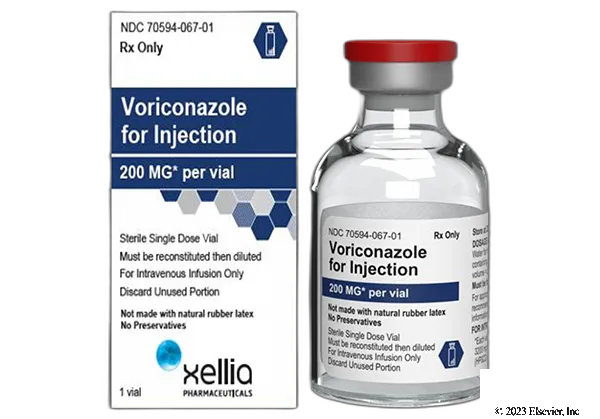
3. Indications and Uses of Voriconazole
Voriconazole is indicated for a wide range of fungal infections, leveraging its broad-spectrum activity:
- Invasive Aspergillosis: Treats aspergillosis in immunocompromised patients (e.g., post-transplant, leukemia), reducing mortality, per infectious disease guidelines, with strong evidence from clinical trials.
- Candidemia: Manages candidemia and invasive Candida infections (e.g., C. albicans, C. glabrata) in non-neutropenic patients, improving outcomes, supported by mycology studies.
- Esophageal Candidiasis: Treats esophageal candidiasis in HIV/AIDS or cancer patients, relieving symptoms, used as an alternative to fluconazole, per CDC protocols.
- Scedosporiosis and Fusariosis: Addresses rare infections by Scedosporium or Fusarium species in immunocompromised individuals, enhancing survival, with data from transplant medicine.
- Cryptococcal Meningitis: Used off-label as salvage therapy for cryptococcal meningitis in HIV patients resistant to amphotericin B, improving cerebrospinal fluid clearance, supported by neurology research.
- Zygomycosis: Investigated off-label for zygomycosis (e.g., Mucor) in refractory cases, with cautious use under specialist supervision, noted in mycology literature.
- Chronic Pulmonary Aspergillosis: Employed off-label to manage chronic aspergillosis in cystic fibrosis or COPD patients, reducing exacerbations, with pulmonology evidence.
- Oropharyngeal Candidiasis: Explored off-label for refractory oropharyngeal candidiasis in immunocompromised patients, improving mucosal healing, supported by oral health studies.
- Invasive Fungal Sinusitis: Used off-label in sinonasal fungal infections (e.g., Aspergillus), preserving sinus function, with data from otolaryngology research.
- Fungal Endocarditis: Investigated off-label for prosthetic valve endocarditis caused by Candida or Aspergillus, with surgical support, noted in cardiology and infectious disease cohorts.
Note: This drug requires therapeutic drug monitoring (TDM) and combination therapy in some cases; consult a healthcare provider for tailored treatment.
4. Dosage of Voriconazole
Important Note: The dosage of this antifungal must be prescribed by a healthcare provider. Dosing varies by indication, route, and patient factors (e.g., weight, liver function), with adjustments based on clinical evaluation.
Dosage for Adults
- Invasive Aspergillosis or Candidemia:
- IV: Loading dose 6 mg/kg every 12 hours for 2 doses, then 4 mg/kg every 12 hours.
- Oral: Loading dose 300 mg every 12 hours for 2 doses, then 200 mg every 12 hours, with food.
- Esophageal Candidiasis:
- 200 mg orally every 12 hours for 14–21 days, adjusted for response.
Dosage for Children
- 2–17 years (weight-based, IV or oral):
- <40 kg: 9 mg/kg every 12 hours (loading), then 8 mg/kg every 12 hours.
- ≥40 kg: Adult dosing, under pediatric infectious disease supervision.
- Not recommended under 2 years.
Dosage for Pregnant Women
- Pregnancy Category D: Avoid unless benefits outweigh risks (e.g., life-threatening infection). Consult an obstetrician, with fetal monitoring.
Dosage Adjustments
- Renal Impairment: IV use avoided if CrCl <50 mL/min due to cyclodextrin; switch to oral.
- Hepatic Impairment:
- Mild (Child-Pugh A): No adjustment; moderate (Child-Pugh B): Reduce to 50% of maintenance dose; severe (Child-Pugh C): Avoid.
- Elderly: Start with lower end of range (e.g., 200 mg orally); increase cautiously with TDM.
- Concomitant Medications: Adjust if combined with CYP2C19/CYP3A4 inducers/inhibitors (e.g., rifampin, fluconazole).
Additional Considerations
- Take this active ingredient with food (oral) to improve bioavailability; shake suspension well.
- Monitor plasma levels (target 1–5.5 mg/L) to optimize efficacy and minimize toxicity.
5. How to Use Voriconazole
- Administration:
- IV: Reconstitute with water, dilute in compatible solution (e.g., 0.9% NaCl), and infuse over 1–2 hours; avoid rapid injection.
- Oral: Swallow tablets or use suspension with a meal, using the provided oral syringe; avoid grapefruit juice.
- Administer in a controlled setting with hydration if IV.
- Timing: Use every 12 hours, maintaining consistency with meals for oral dosing.
- Monitoring: Watch for visual changes, rash, or signs of liver dysfunction (e.g., yellowing skin).
- Additional Tips:
- Store tablets at 15–30°C (59–86°F), suspension at 2–8°C (36–46°F); protect from light.
- Keep out of reach of children due to toxicity risk.
- Report severe hallucinations, photophobia, or signs of allergic reaction immediately.
6. Contraindications for Voriconazole
This drug is contraindicated in:
- Hypersensitivity: Patients with a known allergy to Voriconazole or other azoles.
- Severe Hepatic Impairment: Contraindicated in Child-Pugh Class C.
- Concurrent Use with Certain Drugs: Avoid with CYP3A4 substrates (e.g., ergot alkaloids, sirolimus) or inducers (e.g., rifampin) due to interactions.
7. Warnings & Precautions for Voriconazole
General Warnings
- Hepatotoxicity: Risk of elevated liver enzymes or hepatic failure; monitor regularly.
- Visual Disturbances: Common transient effects (e.g., photopsia); avoid driving if affected.
- QT Prolongation: Risk of arrhythmias; monitor ECG in at-risk patients.
- Photosensitivity: Increased skin reaction to UV light; use sun protection.
- Severe Skin Reactions: Risk of Stevens-Johnson syndrome; discontinue if rash worsens.
Additional Warnings
- Pancreatitis: Rare risk; monitor abdominal pain.
- Neurological Effects: Hallucinations or encephalopathy; assess mental status.
- Renal Toxicity: Risk with IV cyclodextrin; switch to oral if needed.
- Bone Toxicity: Long-term use may affect bone density; monitor in chronic therapy.
- Hypersensitivity Reactions: Rare anaphylaxis; discontinue if swelling occurs.
Use in Specific Populations
- Pregnancy: Category D; avoid unless critical; use contraception.
- Breastfeeding: Avoid due to potential toxicity; monitor infant.
- Elderly: Higher risk of side effects; start with lower doses.
- Children: Limited to 2+ years; supervise closely.
- Renal/Hepatic Impairment: Adjust dose; avoid in severe cases.
Additional Precautions
- Inform your doctor about liver disease, vision issues, or medication history before starting this medication.
- Avoid prolonged sun exposure; use protective clothing and sunscreen.
8. Overdose and Management of Voriconazole
Overdose Symptoms
Overdose may cause:
- Visual hallucinations, nausea, or photophobia.
- Severe cases: Liver failure, QT prolongation, or seizures.
- Dizziness, rash, or fatigue as early signs.
- Respiratory depression with extremely high doses.
Immediate Actions
- Contact the Medical Team: Seek immediate medical help.
- Supportive Care: Administer activated charcoal if ingested recently, monitor vital signs, and provide IV fluids.
- Specific Treatment: Manage arrhythmias or liver function; no specific antidote.
- Monitor: Check liver enzymes, ECG, and mental status for 24–48 hours.
Additional Notes
- Overdose risk is moderate; store securely.
- Report persistent symptoms (e.g., jaundice, severe confusion) promptly.
9. Side Effects of Voriconazole
Common Side Effects
- Visual Disturbances (30–50%, transient, e.g., blurred vision)
- Nausea (10–20%, manageable with food)
- Rash (7–15%, monitor for severity)
- Headache (5–12%, relieved with rest)
- Fever (4–10%, decreases with tolerance)
These effects may subside with dose adjustment.
Serious Side Effects
Seek immediate medical attention for:
- Hepatic: Jaundice, hepatitis, or liver failure.
- Dermatologic: Stevens-Johnson syndrome or photosensitivity reactions.
- Cardiovascular: QT prolongation or torsades de pointes.
- Neurological: Hallucinations, seizures, or encephalopathy.
- Allergic: Rash, angioedema, or anaphylaxis.
Additional Notes
- Regular monitoring for liver function, vision, and cardiac status is advised.
- Report any unusual symptoms (e.g., yellow skin, severe vision changes) immediately to a healthcare provider.
10. Drug Interactions with Voriconazole
This active ingredient may interact with:
- CYP3A4 Inhibitors/Inducers: Alters levels (e.g., ketoconazole, rifampin); adjust dose.
- Statins: Increases myopathy risk (e.g., atorvastatin); use alternatives.
- Warfarin: Enhances bleeding risk; monitor INR.
- Benzodiazepines: Potentiates sedation (e.g., midazolam); reduce dose.
- Anticonvulsants: Alters metabolism (e.g., phenytoin); monitor levels.
Action: Provide your healthcare provider with a complete list of medications.
11. Patient Education or Lifestyle
- Medication Adherence: Take this antifungal as prescribed to manage fungal infections, following the exact schedule.
- Monitoring: Report visual changes, rash, or fatigue immediately.
- Lifestyle: Avoid sun exposure; use sunscreen and protective clothing.
- Diet: Take with food (oral) to enhance absorption; avoid grapefruit juice.
- Emergency Awareness: Know signs of liver failure or allergic reaction; seek care if present.
- Follow-Up: Schedule regular check-ups every 1–2 weeks during therapy to monitor liver, vision, and fungal response.
12. Pharmacokinetics of Voriconazole
- Absorption: Well-absorbed orally (peak at 1–2 hours); enhanced 2–3-fold with food.
- Distribution: Volume of distribution ~4.6 L/kg; 58% protein-bound.
- Metabolism: Hepatic via CYP2C19, CYP2C9, and CYP3A4 to active/inactive metabolites.
- Excretion: Primarily renal (80% as metabolites); half-life 6 hours (varies with CYP2C19 status).
- Half-Life: 6 hours (range 3–12 hours), with nonlinear pharmacokinetics.
13. Pharmacodynamics of Voriconazole
This drug exerts its effects by:
- Inhibiting fungal lanosterol 14α-demethylase, depleting ergosterol and disrupting cell membranes.
- Exhibiting fungicidal activity against Aspergillus and fungistatic effects on Candida.
- Demonstrating concentration-dependent efficacy, requiring TDM for optimal outcomes.
- Exhibiting dose-dependent toxicity (e.g., liver, vision) due to CYP-mediated metabolism.
14. Storage of Voriconazole
- Temperature: Store tablets at 15–30°C (59–86°F), IV powder at 2–8°C (36–46°F), suspension at 2–8°C (36–46°F).
- Protection: Keep in original container, away from light and heat.
- Safety: Store in a locked container out of reach of children due to toxicity risk.
- Disposal: Dispose of unused tablets or vials per local regulations or consult a pharmacist.
15. Frequently Asked Questions (FAQs)
Q: What does Voriconazole treat?
A: This medication treats invasive aspergillosis and candidemia.
Q: Can this active ingredient cause vision changes?
A: Yes, visual disturbances may occur; avoid driving if affected.
Q: Is Voriconazole safe for children?
A: Yes, for 2+ years with a doctor’s guidance.
Q: How is this drug taken?
A: Orally with food or via IV infusion, as directed.
Q: How long is Voriconazole treatment?
A: Varies by infection, often 6–12 weeks with monitoring.
Q: Can I use Voriconazole if pregnant?
A: No, avoid unless critical; consult a doctor.
16. Regulatory Information
This medication is approved by:
- U.S. Food and Drug Administration (FDA): Approved in 2002 (Vfend) for invasive fungal infections.
- European Medicines Agency (EMA): Approved for aspergillosis, candidemia, and rare molds.
- Other Agencies: Approved globally for fungal infections; consult local guidelines.
17. References
- U.S. Food and Drug Administration (FDA). (2023). Vfend (Voriconazole) Prescribing Information.
- Official FDA documentation detailing the drug’s approved uses, dosage, and safety.
- European Medicines Agency (EMA). (2023). Voriconazole Summary of Product Characteristics.
- EMA’s comprehensive information on the medication’s indications and precautions in Europe.
- National Institutes of Health (NIH). (2023). Voriconazole: MedlinePlus Drug Information.
- NIH resource providing detailed information on the drug’s uses, side effects, and precautions.
- World Health Organization (WHO). (2023). WHO Model List of Essential Medicines: Voriconazole.
- WHO’s inclusion of Voriconazole for fungal infections.
- Clinical Infectious Diseases. (2022). Voriconazole in Invasive Aspergillosis.
- Peer-reviewed article on Voriconazole efficacy (note: access may require a subscription).
