
Verapamil: Uses, Indications, Dosage Forms, and Possible Side Effects
What is Verapamil?
Verapamil contains the active ingredient verapamil hydrochloride, available in several pharmaceutical forms and strengths:
- Film-coated tablets: 40 mg, 80 mg, 120 mg
- Extended-release tablets: 120 mg, 180 mg, 240 mg
- Oral solution: 40 mg/5 mL
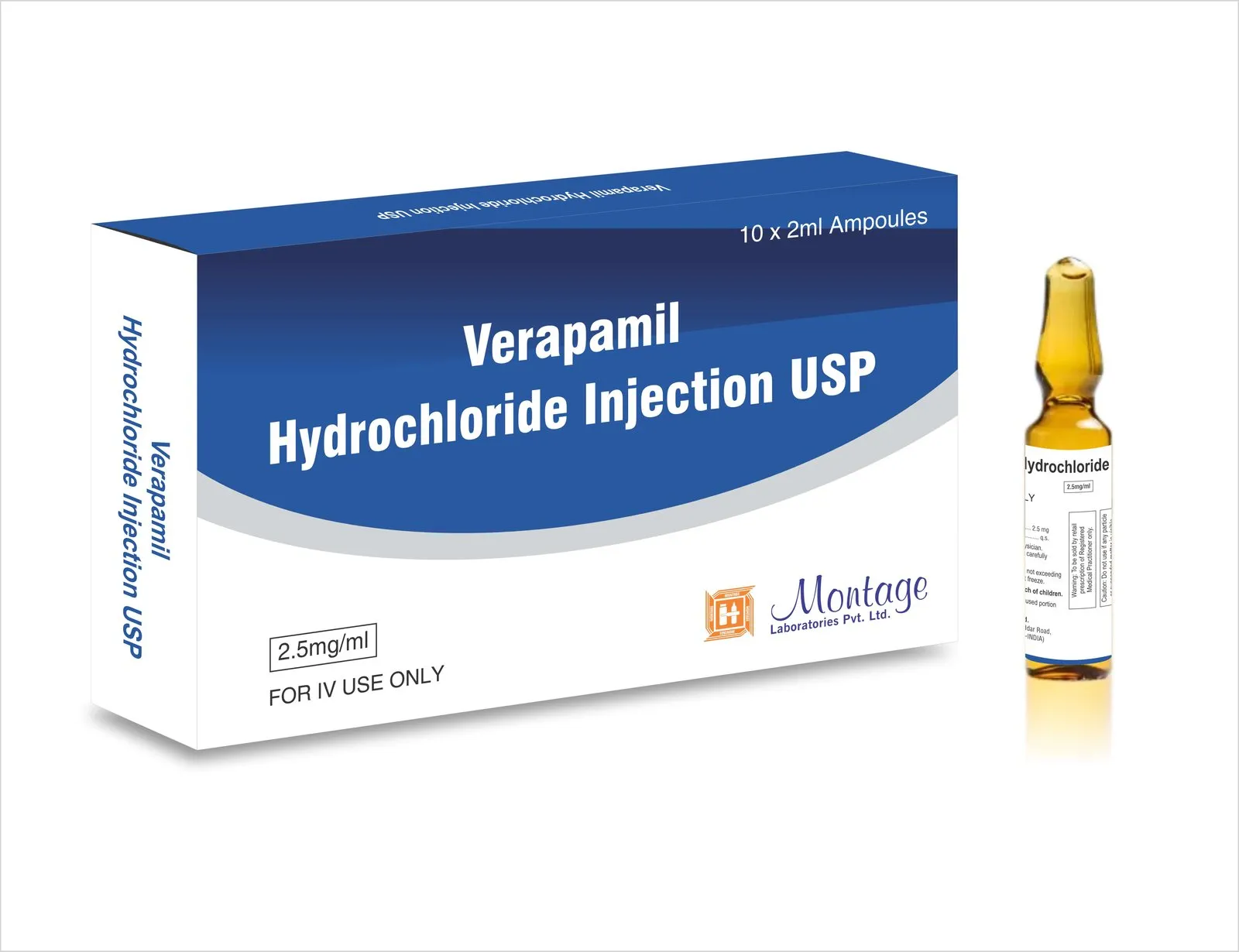
- Injection: 5 mg/2 mL, 10 mg/4 mL ampoules; 5 mg/2 mL and 20 mg/4 mL vials
Mechanism of Action
Verapamil inhibits the influx of calcium ions through slow calcium channels in cardiac and vascular smooth muscle. This results in several key pharmacological effects:
Slows atrioventricular (AV) conduction: By reducing electrical conduction through the AV node, Verapamil helps control ventricular rate in atrial flutter and atrial fibrillation, as well as in paroxysmal supraventricular tachycardia (PSVT).
Relaxes coronary and peripheral arteries: It induces vasodilation of coronary arteries, improving oxygen delivery to cardiac tissue and relieving angina pectoris. By preventing coronary artery spasm, Verapamil is also effective in variant (Prinzmetal’s) angina.
Reduces myocardial oxygen demand: The drug decreases afterload (peripheral vascular resistance) and cardiac workload, which helps lower blood pressure and minimize myocardial oxygen consumption—important in both hypertension and ischemic heart disease.
Additionally, Verapamil exhibits negative inotropic and chronotropic effects, meaning it can decrease heart rate and contractility. These properties make it beneficial in arrhythmia control but require caution in patients with heart failure.
Therapeutic Uses of Verapamil
Verapamil is indicated for the management of several cardiovascular disorders:
Essential (primary) hypertension: It helps lower blood pressure by relaxing vascular smooth muscle and decreasing peripheral resistance.
Angina pectoris: Used to treat stable, unstable, and variant (Prinzmetal’s) angina, improving exercise tolerance and reducing the frequency of anginal attacks.
Supraventricular tachyarrhythmias: Effective for the acute treatment and prevention of paroxysmal supraventricular tachycardia (PSVT) and for controlling ventricular rate in atrial fibrillation or atrial flutter.
Secondary prevention of myocardial infarction: In patients intolerant to beta-blockers or with contraindications to their use, Verapamil can be prescribed to reduce the risk of recurrent ischemic events—provided there is no evidence of heart failure.
Dosage and Administration of Verapamil
The dosage of Verapamil should be individualized based on the patient’s condition, therapeutic response, and tolerance. The drug is available in several formulations, and the route of administration (oral or intravenous) depends on the clinical indication.
For Adults
1. Angina Pectoris
- Typical dose: 80–120 mg taken three times daily.
- Extended-release tablets: Up to 480 mg per day may be used, depending on symptom control and tolerance.
Verapamil should be taken with food to minimize gastrointestinal discomfort. The extended-release form is generally preferred for long-term management to maintain steady plasma concentrations.
2. Paroxysmal Supraventricular Tachycardia (PSVT) and Prevention
Initial intravenous dose: 5–10 mg administered slowly over 2–3 minutes.
- If the arrhythmia persists, a second dose of 5 mg may be given 5–10 minutes after the first.
- Alternatively, 10 mg may be administered 30 minutes after the initial injection if necessary.
Oral maintenance dose: 120–480 mg per day, divided into 3–4 doses.
When given intravenously, Verapamil should be administered only in a hospital setting with continuous ECG and blood pressure monitoring due to the risk of excessive bradycardia or hypotension.
3. Essential (Primary) Hypertension
- Starting dose: 240 mg per day, divided into 2–3 doses.
- The dose may be titrated up to 480 mg per day if blood pressure control is inadequate.
Sustained-release formulations are recommended for improved compliance and smoother 24-hour blood pressure control.
4. Secondary Prevention of Myocardial Infarction
Extended-release tablets: Begin one week after acute myocardial infarction, provided the patient is stable and has no signs of heart failure.
Recommended dose: 360 mg per day, divided into smaller doses as directed by a physician.
For Pediatric Patients
The dose of Verapamil in children varies according to age, body weight, and therapeutic response. Administration should always be under specialist supervision.
1. Intravenous Use (for Supraventricular Tachyarrhythmia):
Infants (<1 year): 100–200 micrograms/kg (0.1–0.2 mg/kg).
Children (1–15 years): 100–300 micrograms/kg (maximum 5 mg).
The injection must be given slowly over at least 2 minutes, with continuous cardiac monitoring.
- If no adequate response is achieved, a repeat dose may be administered after 30 minutes.
- If rhythm control is achieved, stop the infusion immediately.
2. Oral Therapy (for Supraventricular Tachycardia or Hypertension):
- Children under 2 years: 20 mg 2–3 times daily.
- Children over 2 years: 40–120 mg 2–3 times daily.
Dose adjustment should be guided by clinical response and blood pressure monitoring.
For Patients with Hepatic Impairment
Because Verapamil undergoes extensive first-pass metabolism in the liver, dosage reduction is required in patients with hepatic dysfunction.
In cases of severe hepatic impairment, reduce the usual dose by approximately one-third and monitor for signs of drug accumulation or excessive bradycardia.
For Patients with Renal Impairment
Verapamil and its metabolites are minimally excreted by the kidneys, so dose adjustment is generally unnecessary, even in patients undergoing hemodialysis or peritoneal dialysis.
How to Use Verapamil
Oral administration
Verapamil tablets are taken by mouth, usually divided into three doses per day.
- Extended-release tablets must be swallowed whole—do not chew, crush, or split them, as this may alter the drug’s release profile and increase the risk of adverse effects.
- The medication should preferably be taken with meals to improve absorption and minimize gastrointestinal irritation.
Intravenous administration
When given by injection, Verapamil must be administered slowly via intravenous route over at least 2 minutes under close ECG and blood pressure monitoring.
Contraindications
Verapamil is contraindicated in the following conditions due to potential risk of serious cardiovascular complications:
- Bradycardia or ventricular tachycardia
- Decompensated heart failure
- Severe hypotension
- Cardiogenic shock
- Atrial flutter or atrial fibrillation associated with Wolff–Parkinson–White syndrome (may cause ventricular fibrillation)
- Acute myocardial infarction with complications such as pulmonary congestion or low-output syndrome
- Left ventricular failure or hypertrophic cardiomyopathy
- Known hypersensitivity to Verapamil or any component of the formulation
- Concomitant use of intravenous Verapamil and beta-adrenergic blockers is strictly prohibited due to risk of profound bradycardia, AV block, or cardiac arrest.
Adverse Effects
Like all calcium channel blockers, Verapamil may cause both common and rare side effects. Most are dose-related and reversible upon dose reduction or discontinuation.
Common (≥1%)
- Hypotension and complete atrioventricular block
- Bradycardia (heart rate <50 bpm)
- Headache, dizziness, fatigue
- Dyspnea (shortness of breath)
- Nausea and constipation (due to smooth muscle relaxation in the gastrointestinal tract)
- Rash or mild skin reactions
Uncommon (<1%)
- Flushing (facial warmth or redness)
- Second- or third-degree AV block
- Orthostatic hypotension (drop in blood pressure upon standing)
Rare
- Tachycardia or seizures (especially with rapid intravenous administration)
- Erectile dysfunction or decreased libido
Precautions and Warnings
Pediatric use: Exercise caution when prescribing Verapamil for arrhythmias in children, as they may be more sensitive to its cardiac effects. Close ECG monitoring is essential.
Discontinuation: Do not stop Verapamil abruptly, as this may worsen angina or precipitate rebound hypertension. Gradual tapering is recommended under medical supervision.
Pregnancy: There is insufficient evidence regarding safety in pregnant women. Verapamil should only be used when the potential benefits outweigh the risks.
Lactation: Verapamil is excreted in breast milk; breastfeeding should be avoided while taking the drug.
Driving and operating machinery: Verapamil may cause drowsiness, dizziness, or fatigue, especially during the initiation phase or when combined with alcohol. Patients should avoid operating vehicles or heavy machinery until they know how the drug affects them.
Missed Dose
If you forget a dose, take it as soon as you remember.
- If it’s almost time for the next scheduled dose, skip the missed dose and continue with your regular dosing schedule.
- Do not double the dose to make up for a missed one.
Overdose
Verapamil overdose is a medical emergency and requires hospital monitoring for at least 48 hours, as symptoms from sustained-release tablets may appear late.
Symptoms may include: severe hypotension, bradycardia, AV block, cardiac arrest, or metabolic acidosis.
Management of overdose:
Supportive cardiac care: Administer IV calcium (10% calcium gluconate) to counteract calcium channel blockade.
Gastrointestinal decontamination: Use activated charcoal if ingestion occurred within 1 hour; gastric lavage may be considered.
For hypotension:
- Place the patient in Trendelenburg position (legs elevated).
- Administer IV fluids or plasma expanders.
- Consider IV calcium, glucagon, isoproterenol, dopamine, or norepinephrine.
For bradycardia or heart block: Use atropine or isoproterenol, or initiate temporary cardiac pacing if necessary.
In severe cases: Extracorporeal removal techniques (e.g., hemodialysis) may be considered, although Verapamil is poorly dialyzable.
Drug Interactions of Verapamil
Verapamil has numerous clinically significant drug–drug interactions due to its effects on cardiac conduction, blood pressure, and hepatic metabolism (mainly via the CYP3A4 enzyme system). Caution and close monitoring are advised when Verapamil is combined with other cardiovascular or CNS-active agents.
Interactions with Antiarrhythmic Drugs
Flecainide: Cases of cardiogenic shock and asystole have been reported when Flecainide was used concurrently with Verapamil.
Quinidine: Co-administration may cause severe hypotension and increased plasma Quinidine levels, due to inhibition of its metabolism by Verapamil.
Concomitant use of Verapamil with other antiarrhythmic agents should be approached cautiously, as additive depressant effects on cardiac conduction can occur.
Interactions with Antibiotics
Ceftriaxone and Clindamycin: Acute cardiotoxicity has been observed in rare cases when administered concurrently with Verapamil.
Rifampicin (Rifampin): Induces hepatic enzymes that decrease Verapamil plasma concentrations, potentially reducing its therapeutic effect.
Interactions with Beta-Blockers
Both oral Verapamil and beta-adrenergic blockers (such as Propranolol, Atenolol, or Metoprolol) depress myocardial contractility and AV conduction.
Combined use can lead to severe bradycardia, AV block, or heart failure—especially with intravenous Verapamil, which is contraindicated.
Verapamil can increase plasma concentrations of Propranolol and Metoprolol, enhancing their effects and risk of adverse reactions.
Interactions with Digitalis Glycosides
After 2–3 weeks of treatment with Verapamil 240 mg/day, serum Digitoxin levels may rise by approximately 35%, due to decreased clearance.
This interaction increases the risk of digitalis toxicity (manifested by nausea, arrhythmias, and visual disturbances).
Monitoring of serum digoxin or digitoxin concentrations is recommended during concurrent therapy.
Interactions with Antiepileptic Drugs
Phenobarbital and Phenytoin: These enzyme inducers can reduce Verapamil’s plasma concentration, decreasing its antihypertensive and antianginal effects.
Carbamazepine: Verapamil inhibits the metabolism of Carbamazepine, leading to higher free plasma levels and increased neurotoxic effects such as dizziness, diplopia, or ataxia.
Interactions with Benzodiazepines
Concomitant administration with Midazolam (or other benzodiazepines) may double the plasma concentration of Midazolam and prolong its half-life.
This can result in enhanced sedation and respiratory depression, especially in elderly patients or those with hepatic impairment.
Interactions with Calcium Salts and Vitamin D
Intravenous calcium salts (e.g., calcium gluconate) can antagonize the cardiovascular effects of Verapamil, and are used therapeutically in cases of Verapamil overdose or toxicity.
Oral calcium supplements (e.g., calcium adipinate) or vitamin D analogs (Calciferol) may reduce Verapamil’s antiarrhythmic efficacy and, in patients with atrial fibrillation, trigger recurrence of arrhythmia.
Clinical Guidance
Verapamil is a widely used medication for hypertension, angina pectoris, and cardiac arrhythmias. However, due to its complex pharmacokinetic profile and potential for serious interactions, it must be used strictly under medical supervision.
Patients should:
- Inform their healthcare provider of all medications they are taking, including over-the-counter drugs and supplements.
- Avoid self-adjusting the dose or discontinuing therapy abruptly.
- Monitor for symptoms such as dizziness, shortness of breath, fainting, or slow heartbeat, and seek medical attention if these occur.
