
Valsartan: Uses, Indications, Dosage Forms, and Possible Side Effects
What is Valsartan?
Valsartan is a prescription medication primarily used to treat high blood pressure (hypertension). Maintaining well-controlled blood pressure helps reduce the risk of stroke, heart attack, and other cardiovascular complications.
Beyond its role in hypertension management, Valsartan is also prescribed for heart failure and to improve survival rates after a heart attack (myocardial infarction), particularly in older adults or patients with left ventricular dysfunction.
How Valsartan Works
Angiotensin II, a potent vasoconstrictor, binds to specific receptors in the blood vessels, causing them to tighten and raise blood pressure. Valsartan selectively blocks these receptors (type AT1), preventing vasoconstriction and the release of aldosterone—a hormone that causes sodium and water retention. As a result, the drug promotes vasodilation, reduces fluid overload, and eases the heart’s workload.
This mechanism makes Valsartan a cornerstone therapy in the long-term management of hypertension and certain types of heart failure.
Therapeutic Uses of Valsartan
Valsartan may be prescribed alone or in combination with other antihypertensive agents, depending on the patient’s condition and response to treatment. Common indications include:
- Hypertension: Used as monotherapy or in combination with other drugs (e.g., calcium channel blockers or diuretics) to control high blood pressure.
- Heart failure: Helps improve symptoms and reduce hospitalizations in patients with chronic heart failure.
- Left ventricular dysfunction post–myocardial infarction: Prescribed to increase survival and reduce the risk of recurrent cardiac events.
- Diabetic nephropathy: Sometimes used off-label to protect kidney function in patients with diabetes, with or without hypertension.
Who Should Use Valsartan
Valsartan is indicated for:
- Patients with essential hypertension (primary high blood pressure).
- Individuals with heart failure and reduced ejection fraction (HFrEF) who cannot tolerate ACE inhibitors.
- Post–myocardial infarction patients to improve long-term cardiovascular outcomes.
- Patients with diabetic kidney disease, to help slow the progression of renal impairment.
Available Dosage Forms and Strengths
Valsartan is formulated as film-coated tablets or capsules for oral administration. Common strengths include:
- 40 mg tablets
- 80 mg tablets
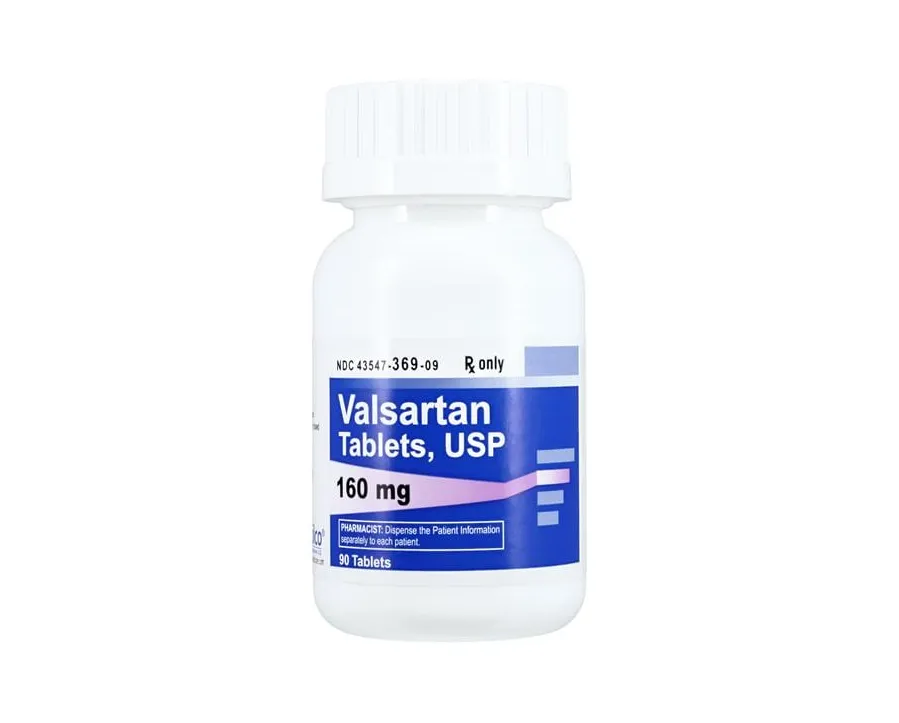
- 160 mg tablets
- 320 mg tablets
How to Take and Dose Valsartan
1. For Adults with Congestive Heart Failure
- Initial dose: 40 mg once daily.
- Maintenance dose: 80–160 mg once daily, depending on patient tolerance and clinical response.
- Titration interval: Dose adjustments should be made at intervals of at least 2 weeks to allow the body to adapt to treatment.
In patients with heart failure, Valsartan helps reduce symptoms such as fatigue, breathlessness, and fluid retention, while improving long-term cardiac function and reducing hospitalizations.
2. For Adults with Hypertension (High Blood Pressure)
- Initial dose: 40 mg once daily. Antihypertensive effects typically appear within 2 weeks and reach maximum benefit after about 4 weeks of consistent use.
- Maintenance dose: 80 mg to a maximum of 160 mg once daily, depending on blood pressure response.
Valsartan may be used alone or in combination with other antihypertensive agents such as amlodipine or hydrochlorothiazide when additional blood pressure control is needed.
3. For Adults After a Myocardial Infarction (Heart Attack)
- Initial dose: 40 mg once daily.
- Maintenance dose: 80–160 mg once daily, titrated gradually according to the patient’s tolerance and clinical response.
When started after a heart attack, Valsartan helps limit cardiac remodeling and reduce the risk of heart failure or recurrent cardiac events.
4. For Children (Ages 6–16) with Hypertension
- Initial dose: 1.3 mg/kg once daily (maximum 40 mg per day).
- Maintenance dose: Up to 2.7 mg/kg once daily (maximum 160 mg per day), depending on blood pressure response.
If a child cannot swallow tablets, a Valsartan suspension can be prepared according to manufacturer guidelines to ensure accurate dosing.
Duration of Treatment
Valsartan is intended for long-term management of hypertension and heart failure. It does not cure these conditions but helps maintain target blood pressure levels and prevent complications.
Even when your blood pressure has returned to normal, you should continue taking Valsartan unless advised otherwise by your doctor. Abrupt discontinuation may cause your blood pressure to rise again or worsen your heart condition. Always follow your physician’s guidance regarding dose adjustments or discontinuation.
Possible Side Effects of Valsartan in Cardiovascular Treatment
Like all prescription medications, Valsartan can cause side effects in some patients. While most people tolerate the drug well, it’s important to recognize and respond promptly to any abnormal symptoms. Seek immediate medical attention if you experience any of the following:
Allergic Reactions (Hypersensitivity)
Serious allergic responses are rare but require urgent care. Symptoms may include:
- Skin rash or hives
- Difficulty breathing or shortness of breath
- Swelling of the face, lips, tongue, or throat (angioedema)
These reactions can occur shortly after starting the medication and may be life-threatening if not treated promptly.
Serious Side Effects
Stop taking Valsartan and contact your doctor or emergency services if you develop:
- Feeling lightheaded or faint, especially when standing up suddenly
- Decreased or absent urination (a sign of kidney problems)
- Elevated potassium levels (hyperkalemia) leading to nausea, muscle weakness, tingling sensations, or irregular heartbeat
- Chest pain or palpitations
- Severe fatigue or unusual weakness
Patients with kidney disease, dehydration, or concurrent potassium-sparing medications are at higher risk of these complications.
Common, Usually Mild Side Effects
These are more frequent and often resolve as your body adjusts to the medication:
- Headache or dizziness
- Dry cough
- Flu-like symptoms (sore throat, mild fever, congestion)
- Fatigue or low energy
- Abdominal pain or diarrhea
- Back pain or joint discomfort
If these effects persist or worsen, consult your healthcare provider for possible dose adjustment or alternative therapy.
Overdose and Missed Dose
1. What to Do in Case of Overdose
An overdose of Valsartan can cause severe hypotension (low blood pressure), rapid heartbeat, or loss of consciousness.
If overdose is suspected:
- Seek emergency medical help immediately.
- Supportive care (such as IV fluids or vasopressors) may be needed to stabilize blood pressure.
- Hemodialysis is not effective in removing Valsartan from the body due to its high protein binding.
Prompt medical intervention is critical to prevent cardiovascular collapse or other serious complications.
2. What to Do If You Miss a Dose
- Take the missed dose as soon as you remember.
- If it’s almost time for your next scheduled dose, skip the missed one and continue with your usual dosing schedule.
- Do not double up to make up for a missed dose, as this may increase the risk of side effects such as low blood pressure or dizziness.
To avoid missed doses, try taking your medication at the same time each day and use reminders if necessary.
Drug Interactions and Precautions When Using Valsartan
1. Drug Interactions
Valsartan may interact with several other medications and substances, potentially altering its effectiveness or increasing the risk of adverse effects. You should inform your doctor of all prescription drugs, over-the-counter medications, and supplements you are taking before starting Valsartan.
Common Drug Interactions
Lithium: Concurrent use of Valsartan with lithium may increase lithium blood levels, raising the risk of lithium toxicity (manifesting as tremors, confusion, or muscle weakness). Regular monitoring of lithium concentrations is strongly recommended.
Aliskiren: Using Valsartan with aliskiren may lead to hyperkalemia (elevated potassium) and symptomatic hypotension. This combination is not recommended, especially in patients with diabetes or kidney impairment.
Beta-blockers and Calcium Channel Blockers: Combining these antihypertensives with Valsartan can enhance blood pressure–lowering effects, possibly causing dizziness or lightheadedness.
Loop and Thiazide Diuretics: Patients taking high-dose diuretics may experience symptomatic hypotension when starting Valsartan. Potassium levels may increase, decrease, or remain unchanged depending on individual factors.
Potassium-sparing Diuretics and Potassium Supplements: Concurrent use can raise the risk of hyperkalemia and elevated serum creatinine, particularly in heart failure patients. Close monitoring of serum potassium and kidney function is essential.
Nonsteroidal Anti-Inflammatory Drugs (NSAIDs): NSAIDs (e.g., ibuprofen, naproxen) may reduce the antihypertensive effect of Valsartan and increase the risk of kidney dysfunction or hyperkalemia, especially in elderly or dehydrated patients.
2. Interaction with Alcohol and Food
Alcohol (ethanol) has an additive blood pressure–lowering effect when taken with Valsartan. Combined use can cause:
- Headache
- Dizziness or lightheadedness
- Fainting episodes
- Irregular heartbeat
These effects are more likely during the initial treatment phase, after dose increases, or when restarting therapy following an interruption.
Patients should also avoid salt substitutes containing potassium or over-the-counter potassium supplements without medical supervision. Excess potassium may cause:
- Muscle weakness
- Tingling sensations in the limbs
- Irregular heartbeat
- Heaviness in the legs
If these symptoms occur, contact your doctor promptly or seek immediate medical care if they persist or worsen.
How to Store Valsartan
To maintain Valsartan’s stability and effectiveness:
- Store at room temperature below 30°C (86°F).
- Keep the medication in a dry place, away from moisture.
- Keep out of reach of children and pets.
Precautions When Using Valsartan
1. Risk of Hypotension
Symptomatic low blood pressure may occur in patients with reduced blood volume due to:
- High-dose diuretic therapy
- Low-sodium diet
- Dialysis
- Persistent vomiting or diarrhea
Transient hypotension is not a contraindication for continued use, but doses should be adjusted carefully. Caution is also advised when starting treatment in heart failure or post–myocardial infarction patients to avoid excessive drops in blood pressure.
2. Risk of Hyperkalemia
Patients with heart failure or renal impairment are at higher risk for elevated potassium levels. Avoid combining Valsartan with:
- Potassium-sparing diuretics
- Potassium supplements
- Other agents that raise serum potassium (e.g., ACE inhibitors, aliskiren)
3. Patients with Renal Artery Stenosis or a Single Kidney
Use caution in patients with unilateral renal artery stenosis or a solitary kidney, and avoid use in those with bilateral renal artery stenosis. Regular monitoring of kidney function and serum potassium is necessary.
4. Patients with Renal Impairment
Contraindicated in acute renal failure.
In chronic kidney disease, use lower doses and monitor renal function closely.
If glomerular filtration rate (GFR) drops more than 30% from baseline, the medication should be discontinued.
5. Driving and Operating Machinery
No specific studies have examined Valsartan’s impact on the ability to drive or operate machinery. However, patients should exercise caution, as dizziness or fatigue may occur, especially at the beginning of treatment or after dose adjustments.
Frequently Asked Questions (FAQs) About Valsartan
1. Can I Take Valsartan During Pregnancy?
No. Valsartan should not be used during pregnancy, especially in the second or third trimesters, as it may harm the developing fetus.
If pregnancy is detected while taking Valsartan, discontinue immediately and consult your doctor. Your healthcare provider will switch you to a safer alternative for managing blood pressure during pregnancy.
2. When Can I Stop Taking Valsartan?
Valsartan is typically a long-term or lifelong therapy for patients with hypertension or heart failure. Stopping it suddenly without medical advice may cause your blood pressure to rise again, increasing the risk of heart attack or stroke. Always consult your physician before making any changes to your treatment plan.
Final Note
Valsartan is an effective medication for controlling high blood pressure, treating heart failure, and protecting kidney function in patients with diabetes or cardiovascular disease.
However, to ensure both safety and optimal therapeutic results, it is crucial to:
- Follow your doctor’s instructions precisely.
- Avoid self-adjusting doses or discontinuing treatment abruptly.
- Report any unusual symptoms promptly.
Proper medical supervision ensures that Valsartan delivers its full benefits while minimizing potential risks.
