
Comprehensive Guide to Ursodiol: Uses, Dosage, Side Effects, and More
1. What is Ursodiol?
2. Overview of Ursodiol (Ursodeoxycholic acid)
Generic Name
Ursodiol (Ursodeoxycholic Acid)
Brand Name
Actigall, Urso, generics
Drug Group
Bile acid (hepatoprotective)
Commonly Used For
This medication is used to:
- Dissolve cholesterol gallstones.
- Treat primary biliary cholangitis (PBC).
- Manage liver disease symptoms.
Key Characteristics
- Form: Oral tablets or capsules (250 mg, 300 mg, 500 mg) and oral suspension (detailed in Dosage section).
- Mechanism: Reduces cholesterol in bile, protects hepatocytes, and modulates immune responses.
- Approval: FDA-approved (1987 for Actigall) and EMA-approved for PBC and gallstone dissolution.
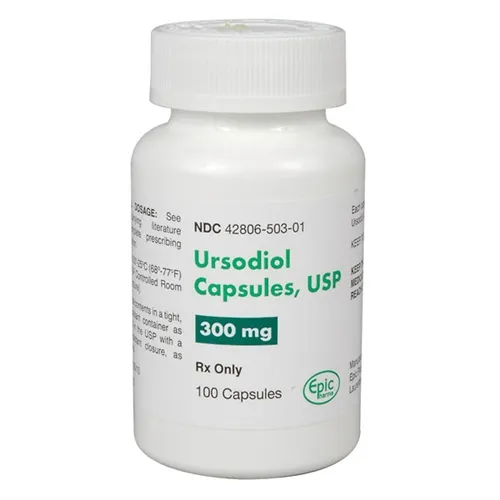
3. Indications and Uses of Ursodiol (Ursodeoxycholic acid)
Ursodiol is indicated for hepatobiliary and metabolic conditions, leveraging its bile-modulating and anti-inflammatory properties:
- Primary Biliary Cholangitis (PBC): Treats PBC to slow disease progression, reduce cholestasis, and improve liver enzymes, recommended as first-line therapy by AASLD and EASL guidelines, with long-term studies showing delayed cirrhosis.
- Cholesterol Gallstones: Dissolves small, non-calcified gallstones in patients unfit for surgery, enhancing gallbladder emptying, supported by gastroenterology trials over 6–24 months.
- Primary Sclerosing Cholangitis (PSC): Used off-label to manage PSC, reducing pruritus and liver enzyme levels, though efficacy varies, with data from hepatology research.
- Non-Alcoholic Fatty Liver Disease (NAFLD): Investigated off-label to reduce liver fat and inflammation in NAFLD, improving insulin sensitivity, supported by metabolic disease studies.
- Cystic Fibrosis-Associated Liver Disease: Employed off-label in cystic fibrosis patients with liver involvement, protecting bile ducts, with pediatric pulmonology evidence.
- Intrahepatic Cholestasis of Pregnancy (ICP): Treats ICP off-label to alleviate pruritus and reduce fetal risk, administered in the third trimester, per obstetric guidelines.
- Alcoholic Liver Disease: Explored off-label to mitigate liver damage in early alcoholic hepatitis, with preliminary hepatology data on reducing fibrosis.
- Autoimmune Hepatitis: Used off-label as an adjunct to corticosteroids in autoimmune hepatitis, modulating immune activity, supported by rheumatology and liver studies.
- Biliary Atresia (Post-Kasai): Investigated off-label in children post-Kasai procedure to improve bile flow and prevent cholangitis, with emerging pediatric hepatology research.
Note: This drug requires monitoring of liver function and gallstone response; consult a healthcare provider for chronic use or comorbidities.
4. Dosage of Ursodiol (Ursodeoxycholic acid)
Important Note: The dosage of this bile acid must be prescribed by a healthcare provider. Dosing varies by indication, body weight, and disease severity, with adjustments based on clinical evaluation.
Dosage for Adults
- Primary Biliary Cholangitis (PBC):
- 13–15 mg/kg/day orally, divided into 2–4 doses, with food, typically 500–1,500 mg/day.
- Cholesterol Gallstones:
- 8–10 mg/kg/day orally, divided into 2 doses, with meals, for 6–24 months.
- Off-Label Uses (e.g., NAFLD, ICP):
- 10–15 mg/kg/day orally, adjusted based on response, under specialist supervision.
Dosage for Children
- Cystic Fibrosis-Associated Liver Disease or Biliary Atresia:
- 15–20 mg/kg/day orally, divided into 2–3 doses, with food, under pediatric hepatologist guidance.
- Not recommended under 6 months unless critical.
Dosage for Pregnant Women
- Pregnancy Category B: Limited data; use only if benefits outweigh risks (e.g., ICP). Consult an obstetrician, with fetal monitoring.
Dosage Adjustments
- Renal Impairment: No adjustment needed; monitor in severe cases (CrCl <30 mL/min).
- Hepatic Impairment: No specific adjustment; use caution in advanced cirrhosis (Child-Pugh C).
- Elderly: Start with 10 mg/kg/day; increase to 15 mg/kg if tolerated.
- Concomitant Medications: Adjust if combined with bile acid sequestrants (e.g., cholestyramine), which reduce absorption.
Additional Considerations
- Take this active ingredient with food to enhance bioavailability and reduce gastrointestinal upset.
- Use a pillbox for consistent dosing, especially in divided regimens.
5. How to Use Ursodiol
- Administration:
- Swallow tablets or capsules whole with a meal or snack, using water; shake suspension well before use.
- Take with other medications as directed, maintaining the same schedule.
- Timing: Use 2–4 times daily with meals, as prescribed, for optimal absorption.
- Monitoring: Watch for diarrhea, abdominal pain, or signs of liver changes (e.g., yellowing skin).
- Additional Tips:
- Store at 20–25°C (68–77°F), protecting from moisture and heat.
- Keep out of reach of children due to overdose risk.
- Report severe nausea, persistent diarrhea, or signs of allergic reaction immediately.
6. Contraindications for Ursodiol
This drug is contraindicated in:
- Hypersensitivity: Patients with a known allergy to Ursodiol or bile acids.
- Calcified Gallstones: Contraindicated due to inefficacy in dissolving calcified stones.
- Biliary Obstruction: Avoid in complete bile duct blockage.
- Severe Hepatic Impairment: Contraindicated in end-stage liver disease.
7. Warnings & Precautions for Ursodiol
General Warnings
- Diarrhea: Risk of severe diarrhea; monitor and adjust dose if persistent.
- Liver Function Worsening: May exacerbate advanced liver disease; assess regularly.
- Gallstone Recurrence: Risk after dissolution; follow-up imaging recommended.
- Cholecystitis: Risk in acute gallbladder inflammation; use cautiously.
- Drug Resistance: Limited efficacy in resistant conditions; monitor response.
Additional Warnings
- Pancreatitis: Rare risk with high doses; monitor abdominal pain.
- Bone Density Loss: Long-term use may affect bone health; assess in PBC patients.
- Immune Modulation: Potential effects in autoimmune conditions; monitor closely.
- Renal Impairment: Rare nephrotoxicity; monitor in severe cases.
- Hypersensitivity Reactions: Rare anaphylaxis; discontinue if swelling occurs.
Use in Specific Populations
- Pregnancy: Category B; use only if essential with fetal monitoring.
- Breastfeeding: Excreted in breast milk; monitor infant for effects.
- Elderly: Higher risk of side effects; start with lower doses.
- Children: Limited to 6 months+; supervise closely.
- Renal/Hepatic Impairment: Use caution; avoid in end-stage disease.
Additional Precautions
- Inform your doctor about gallbladder disease, liver conditions, or medication history before starting this medication.
- Avoid abrupt cessation; taper if needed for long-term use.
8. Overdose and Management of Ursodiol
Overdose Symptoms
Overdose may cause:
- Diarrhea, nausea, or abdominal cramps.
- Severe cases: Liver dysfunction, dehydration, or electrolyte imbalance.
- Drowsiness, weakness, or vomiting as early signs.
- Seizures with extremely high doses.
Immediate Actions
- Contact the Medical Team: Seek immediate medical help.
- Supportive Care: Administer IV fluids, monitor vital signs, and correct electrolytes.
- Specific Treatment: No antidote; manage symptoms and hydrate.
- Monitor: Check liver function, kidney output, and mental status for 24–48 hours.
Additional Notes
- Overdose risk is low; store securely.
- Report persistent symptoms (e.g., severe diarrhea, jaundice) promptly.
9. Side Effects of Ursodiol
Common Side Effects
- Diarrhea (10–30%, manageable with dose reduction)
- Nausea (5–15%, relieved with food)
- Abdominal Pain (4–12%, transient)
- Rash (2–8%, monitor for severity)
- Headache (1–6%, decreases with tolerance)
These effects may subside with dose adjustment.
Serious Side Effects
Seek immediate medical attention for:
- Hepatic: Worsening cholestasis, jaundice, or liver failure.
- Gastrointestinal: Severe diarrhea, pancreatitis, or bowel obstruction.
- Dermatologic: Severe rash or hypersensitivity reactions.
- Metabolic: Electrolyte imbalance or dehydration.
- Allergic: Rash, angioedema, or anaphylaxis.
Additional Notes
- Regular monitoring for liver function, electrolytes, and gastrointestinal tolerance is advised.
- Report any unusual symptoms (e.g., yellow skin, severe abdominal pain) immediately to a healthcare provider.
10. Drug Interactions with Ursodiol
This active ingredient may interact with:
- Bile Acid Sequestrants: Reduces absorption (e.g., cholestyramine); separate doses by 2 hours.
- Antacids: Alters gastric pH; take 1 hour apart.
- Cyclosporine: Increases levels; monitor blood levels.
- Estrogens: Reduces efficacy; adjust dose if combined.
- CYP3A4 Inducers: May lower levels (e.g., rifampin); monitor liver response.
Action: Provide your healthcare provider with a complete list of medications.
11. Patient Education or Lifestyle
- Medication Adherence: Take this bile acid as prescribed to manage liver or gallstone conditions, following the exact schedule.
- Monitoring: Report diarrhea, jaundice, or abdominal pain immediately.
- Lifestyle: Avoid alcohol; maintain a low-fat diet.
- Diet: Take with meals to enhance absorption; increase fiber if constipated.
- Emergency Awareness: Know signs of liver failure or severe dehydration; seek care if present.
- Follow-Up: Schedule regular check-ups every 3–6 months to monitor liver enzymes, gallstone status, and overall health.
12. Pharmacokinetics of Ursodiol
- Absorption: Well-absorbed orally (peak at 1–3 hours); enhanced with food.
- Distribution: Volume of distribution ~50 L; 70–80% protein-bound.
- Metabolism: Hepatic via conjugation to taurine or glycine, forming UDCA conjugates.
- Excretion: Primarily fecal (70%) via bile; renal (20%) as metabolites; half-life 3.5–5.8 hours.
- Half-Life: 3.5–5.8 hours, with enterohepatic recirculation extending effects.
13. Pharmacodynamics of Ursodiol
This drug exerts its effects by:
- Reducing cholesterol saturation in bile, promoting gallstone dissolution.
- Protecting hepatocytes from toxic bile acids, reducing inflammation in PBC.
- Modulating immune responses and apoptosis in liver diseases.
- Exhibiting dose-dependent gastrointestinal and hepatic effects.
14. Storage of Ursodiol
- Temperature: Store at 20–25°C (68–77°F); protect from moisture.
- Protection: Keep in original container, away from light.
- Safety: Store out of reach of children due to overdose risk.
- Disposal: Dispose of unused tablets per local regulations or consult a pharmacist.
15. Frequently Asked Questions (FAQs) About Ursodiol
Q: What does Ursodiol treat?
A: This medication treats PBC and dissolves gallstones.
Q: Can this active ingredient cause diarrhea?
A: Yes, diarrhea may occur; report if severe.
Q: Is Ursodiol safe for children?
A: Yes, for 6 months+ with a doctor’s guidance.
Q: How is this drug taken?
A: Orally with meals, as directed.
Q: How long is Ursodiol treatment?
A: Varies by condition, often long-term for PBC.
Q: Can I use Ursodiol if pregnant?
A: Yes, with caution; consult a doctor.
16. Regulatory Information for Ursodiol
This medication is approved by:
- U.S. Food and Drug Administration (FDA): Approved in 1987 (Actigall) for gallstones and PBC.
- European Medicines Agency (EMA): Approved for PBC and gallstone dissolution.
- Other Agencies: Approved globally for hepatobiliary conditions; consult local guidelines.
17. References
- U.S. Food and Drug Administration (FDA). (2023). Actigall (Ursodiol) Prescribing Information.
- Official FDA documentation detailing the drug’s approved uses, dosage, and safety.
- European Medicines Agency (EMA). (2023). Ursodiol Summary of Product Characteristics.
- EMA’s comprehensive information on the medication’s indications and precautions in Europe.
- National Institutes of Health (NIH). (2023). Ursodiol: MedlinePlus Drug Information.
- NIH resource providing detailed information on the drug’s uses, side effects, and precautions.
- World Health Organization (WHO). (2023). WHO Model List of Essential Medicines: Ursodiol.
- WHO’s consideration of Ursodiol for liver disease.
- Hepatology. (2022). Ursodiol in Primary Biliary Cholangitis.
- Peer-reviewed article on Ursodiol efficacy (note: access may require a subscription).
