
Comprehensive Guide to Topiramate: Uses, Dosage, Side Effects, and More
1. What is Topiramate?
2. Overview of Topiramate
Generic Name
Topiramate
Brand Name
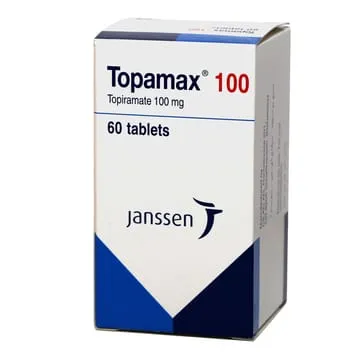
Topamax, Trokendi XR, generics
Drug Group
Anticonvulsant (antiepileptic)
Commonly Used For
This medication is used to:
- Treat epilepsy and seizures.
- Prevent migraine headaches.
- Manage bipolar disorder off-label.
Key Characteristics
- Form: Oral tablets (25 mg, 50 mg, 100 mg, 200 mg) and extended-release capsules (25 mg, 50 mg, 100 mg, 200 mg) (detailed in Dosage section).
- Mechanism: Multiple actions including sodium channel blockade, GABA enhancement, and carbonic anhydrase inhibition.
- Approval: FDA-approved (1996 for Topamax) and EMA-approved for epilepsy and migraine prevention.
3. Indications and Uses of Topiramate
Topiramate is indicated for neurological and psychiatric conditions, leveraging its multifaceted pharmacological profile:
- Epilepsy (Partial-Onset Seizures): Treats partial-onset seizures in adults and children (2+ years) as monotherapy or adjunctive therapy, reducing seizure frequency, per neurology guidelines.
- Generalized Tonic-Clonic Seizures: Manages primary generalized tonic-clonic seizures in patients (2+ years), improving seizure control, supported by clinical trials.
- Lennox-Gastaut Syndrome: Controls seizures in Lennox-Gastaut syndrome, a severe pediatric epilepsy, enhancing quality of life, with pediatric neurology data.
- Migraine Prevention: Prevents chronic migraine in adults and adolescents (12+ years), reducing headache frequency by 50% or more, per American Migraine Foundation recommendations.
- Bipolar Disorder: Used off-label to stabilize mood in bipolar disorder, particularly manic phases, with evidence from psychiatric studies.
- Obesity Management: Employed off-label for weight loss in obese patients, often with phentermine (Qsymia), supported by endocrinology research.
- Alcohol Use Disorder: Investigated off-label to reduce alcohol craving and consumption, improving abstinence rates, with addiction medicine data.
- Post-Traumatic Stress Disorder (PTSD): Explored off-label to alleviate PTSD symptoms, such as nightmares, with promising results from trauma studies.
- Neuropathic Pain: Used off-label for neuropathic pain (e.g., diabetic neuropathy), reducing pain scores, supported by pain management research.
- Eating Disorders (Binge Eating Disorder): Managed off-label to reduce binge episodes in binge eating disorder, enhancing psychological outcomes, with psychiatric evidence.
Note: This drug requires gradual titration and monitoring; consult a healthcare provider for chronic use or off-label applications.
4. Dosage of Topiramate
Important Note: The dosage of this anticonvulsant must be prescribed by a healthcare provider. Dosing varies by indication, age, and patient response, with adjustments based on clinical evaluation.
Dosage for Adults
- Epilepsy (Monotherapy or Adjunctive):
- Initial: 25–50 mg once daily, titrated by 25–50 mg/week to 100–400 mg/day in two divided doses.
- Maintenance: 200–400 mg/day, maximum 800 mg/day if needed.
- Migraine Prevention:
- Initial: 25 mg once daily, increased by 25 mg/week to 50–100 mg/day in two doses.
- Maintenance: 100 mg/day, maximum 200 mg/day.
- Off-Label (Bipolar Disorder or Weight Loss):
- Initial: 25 mg once daily, titrated to 100–200 mg/day, under specialist supervision.
Dosage for Children
- Epilepsy (2–16 years):
- Initial: 1–3 mg/kg/day in two doses, titrated by 1–3 mg/kg/week to 5–9 mg/kg/day.
- Maximum: 400 mg/day, based on weight and response, under pediatric neurologist guidance.
- Migraine Prevention (12–17 years):
- Initial: 25 mg once daily, increased to 50–100 mg/day in two doses, maximum 200 mg/day.
- Not recommended under 12 years for migraine.
Dosage for Pregnant Women
- Pregnancy Category D: Avoid unless benefits outweigh risks (e.g., uncontrolled seizures). Consult an obstetrician, with fetal monitoring for oral cleft risk.
Dosage Adjustments
- Renal Impairment: Reduce dose by 50% if CrCl <70 mL/min; avoid in severe cases (CrCl <30 mL/min).
- Hepatic Impairment: No specific adjustment; monitor in severe cases (Child-Pugh C).
- Elderly: Start with 25 mg once daily; increase cautiously to 100–200 mg/day.
- Concomitant Medications: Adjust if combined with CYP3A4 inducers (e.g., carbamazepine) or carbonic anhydrase inhibitors, altering levels.
Additional Considerations
- Take this active ingredient with or without food, using water; swallow extended-release capsules whole.
- Use a pill organizer for consistent twice-daily dosing if required.
5. How to Use Topiramate
- Administration:
- Swallow tablets or capsules whole with water, with or without food; avoid crushing or chewing extended-release forms.
- Take in one or two daily doses, as directed, with gradual titration to minimize side effects.
- Timing: Use at the same time daily, preferably morning and evening for divided doses, maintaining consistency.
- Monitoring: Watch for dizziness, vision changes, or signs of kidney stones (e.g., flank pain).
- Additional Tips:
- Store at 20–25°C (68–77°F), protecting from moisture and heat.
- Keep out of reach of children due to toxicity risk.
- Report severe confusion, eye pain, or signs of allergic reaction immediately.
6. Contraindications for Topiramate
This drug is contraindicated in:
- Hypersensitivity: Patients with a known allergy to Topiramate or sulfonamides.
- Severe Metabolic Acidosis: Contraindicated due to exacerbation risk.
- Acute Angle-Closure Glaucoma: Avoid due to intraocular pressure risk.
7. Warnings & Precautions for Topiramate
General Warnings
- Metabolic Acidosis: Risk of decreased serum bicarbonate; monitor regularly.
- Acute Angle-Closure Glaucoma: Rare but serious; seek immediate care if eye pain occurs.
- Cognitive Impairment: May cause confusion, memory issues, or word-finding difficulty; assess mental status.
- Kidney Stones: Increased risk; encourage hydration.
- Oligohidrosis: Reduced sweating, especially in children; avoid overheating.
Additional Warnings
- Suicidal Behavior: Increased risk of suicidal thoughts; monitor mood.
- Bone Density Loss: Long-term use may lead to osteoporosis; assess bone health.
- Hypothermia: Rare in elderly; monitor body temperature.
- Hyperammonemia: Risk with valproate co-administration; check ammonia levels.
- Hypersensitivity Reactions: Rare anaphylaxis; discontinue if swelling occurs.
Use in Specific Populations
- Pregnancy: Category D; use only if essential with fetal monitoring.
- Breastfeeding: Excreted in breast milk; monitor infant for effects.
- Elderly: Higher risk of side effects; start with lower doses.
- Children: Limited to 2+ years for epilepsy, 12+ for migraine; supervise closely.
- Renal/Hepatic Impairment: Adjust dose; avoid in severe cases.
Additional Precautions
- Inform your doctor about kidney stones, glaucoma, or medication history before starting this medication.
- Avoid abrupt cessation; taper over 2–8 weeks to prevent seizure risk.
8. Overdose and Management of Topiramate
Overdose Symptoms
Overdose may cause:
- Drowsiness, dizziness, or confusion.
- Severe cases: Metabolic acidosis, hypotension, or coma.
- Nausea, blurred vision, or ataxia as early signs.
- Seizures or respiratory depression with extremely high doses.
Immediate Actions
- Contact the Medical Team: Seek immediate medical help.
- Supportive Care: Administer IV fluids, monitor vital signs, and correct acidosis with sodium bicarbonate.
- Specific Treatment: No specific antidote; manage symptoms and support ventilation if needed.
- Monitor: Check pH, electrolytes, and mental status for 24–48 hours.
Additional Notes
- Overdose risk is moderate; store securely.
- Report persistent symptoms (e.g., severe lethargy, rapid breathing) promptly.
9. Side Effects of Topiramate
Common Side Effects
- Drowsiness (15–30%, manageable with dose adjustment)
- Dizziness (10–25%, reduced with hydration)
- Fatigue (10–20%, decreases with tolerance)
- Nausea (8–15%, relieved with food)
- Weight Loss (5–15%, monitored in obesity cases)
These effects may subside with gradual titration.
Serious Side Effects
Seek immediate medical attention for:
- Ocular: Acute angle-closure glaucoma or blurred vision.
- Metabolic: Metabolic acidosis or hyperammonemia.
- Neurological: Confusion, suicidal ideation, or seizures.
- Renal: Kidney stones or acute kidney injury.
- Allergic: Rash, angioedema, or anaphylaxis.
Additional Notes
- Regular monitoring for kidney function, pH, and mental health is advised.
- Report any unusual symptoms (e.g., eye pain, severe mood changes) immediately to a healthcare provider.
10. Drug Interactions with Topiramate
This active ingredient may interact with:
- CYP3A4 Inducers: Reduces levels (e.g., carbamazepine); increase dose.
- Carbonic Anhydrase Inhibitors: Enhances acidosis risk (e.g., acetazolamide); avoid.
- Oral Contraceptives: Reduces efficacy; use backup methods.
- Antidepressants: Increases CNS depression (e.g., SSRIs); monitor.
- Valproate: Potentiates hyperammonemia; adjust dose.
Action: Provide your healthcare provider with a complete list of medications.
11. Patient Education or Lifestyle
- Medication Adherence: Take this anticonvulsant as prescribed to manage seizures or migraines, following the exact schedule.
- Monitoring: Report vision changes, mood swings, or flank pain immediately.
- Lifestyle: Stay hydrated (2–3 L/day); avoid excessive heat exposure.
- Diet: Take with or without food; avoid ketogenic diets without supervision.
- Emergency Awareness: Know signs of glaucoma or acidosis; seek care if present.
- Follow-Up: Schedule regular check-ups every 3–6 months to monitor kidney function, pH, and seizure/migraine control.
12. Pharmacokinetics of Topiramate
- Absorption: Well-absorbed orally (peak at 2–4 hours); unaffected by food.
- Distribution: Volume of distribution ~0.6–0.8 L/kg; 13–17% protein-bound.
- Metabolism: Hepatic via CYP2C19 and non-CYP pathways to minor metabolites.
- Excretion: Primarily renal (70–80%) as unchanged drug; half-life 21 hours.
- Half-Life: 21 hours, with steady-state reached in 4–8 days.
13. Pharmacodynamics of Topiramate
This drug exerts its effects by:
- Blocking voltage-gated sodium channels, stabilizing neuronal membranes.
- Enhancing GABA-A receptor activity, increasing inhibitory tone.
- Inhibiting carbonic anhydrase, reducing neuronal excitability.
- Exhibiting dose-dependent cognitive and metabolic side effects.
14. Storage of Topiramate
- Temperature: Store at 20–25°C (68–77°F); protect from moisture.
- Protection: Keep in original container, away from light.
- Safety: Store in a locked container out of reach of children due to toxicity risk.
- Disposal: Dispose of unused tablets/capsules per local regulations or consult a pharmacist.
15. Frequently Asked Questions (FAQs) About Topiramate
Q: What does Topiramate treat?
A: This medication treats epilepsy and prevents migraines.
Q: Can this active ingredient cause weight loss?
A: Yes, weight loss may occur; monitor with a doctor.
Q: Is Topiramate safe for children?
A: Yes, for 2+ years for epilepsy, 12+ for migraines, with guidance.
Q: How is this drug taken?
A: Orally as tablets or capsules, once or twice daily, as directed.
Q: How long is Topiramate treatment?
A: Varies by condition, often long-term with monitoring.
Q: Can I use Topiramate if pregnant?
A: No, avoid unless critical; consult a doctor.
16. Regulatory Information for Topiramate
This medication is approved by:
- U.S. Food and Drug Administration (FDA): Approved in 1996 (Topamax) for epilepsy, expanded to migraine prevention in 2004.
- European Medicines Agency (EMA): Approved for epilepsy and migraine prevention.
- Other Agencies: Approved globally for neurological conditions; consult local guidelines.
17. References
- U.S. Food and Drug Administration (FDA). (2023). Topamax (Topiramate) Prescribing Information.
- Official FDA documentation detailing the drug’s approved uses, dosage, and safety.
- European Medicines Agency (EMA). (2023). Topiramate Summary of Product Characteristics.
- EMA’s comprehensive information on the medication’s indications and precautions in Europe.
- National Institutes of Health (NIH). (2023). Topiramate: MedlinePlus Drug Information.
- NIH resource providing detailed information on the drug’s uses, side effects, and precautions.
- World Health Organization (WHO). (2023). WHO Model List of Essential Medicines: Topiramate.
- WHO’s inclusion of Topiramate for epilepsy management.
- Neurology. (2022). Topiramate in Migraine Prevention.
- Peer-reviewed article on Topiramate efficacy (note: access may require a subscription).
