
Comprehensive Guide to Sitagliptin: Uses, Dosage, Side Effects, and More
1. What is Sitagliptin?
2. Overview of Sitagliptin
Generic Name
Sitagliptin
Brand Name
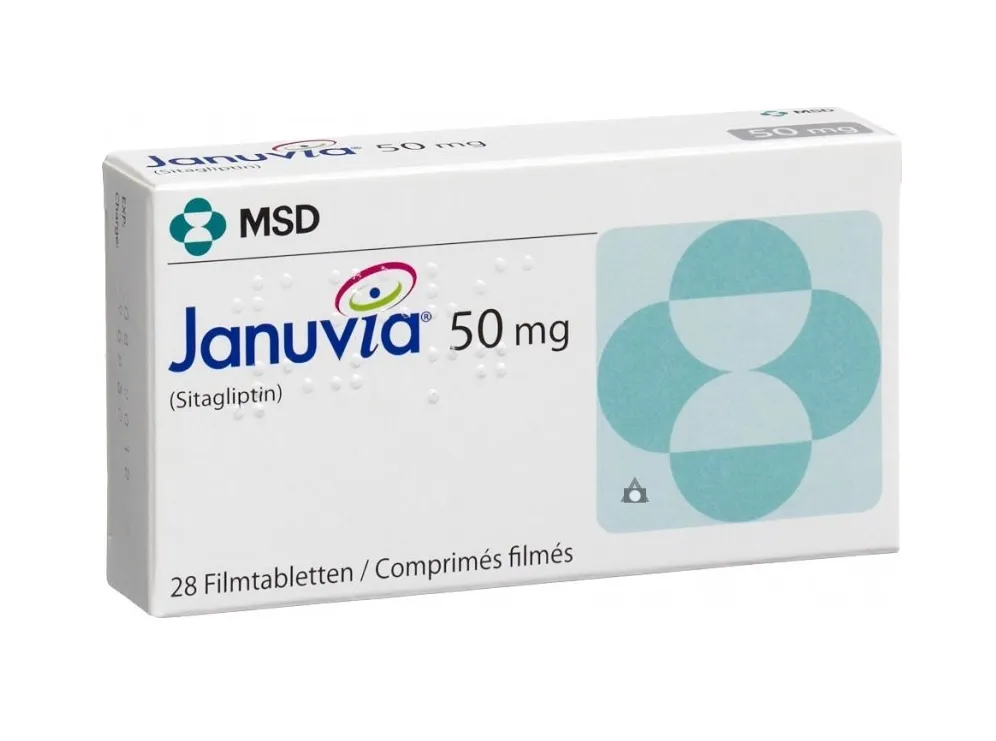
Januvia, generics
Drug Group
DPP-4 inhibitor (antidiabetic)
Commonly Used For
This medication is used to:
- Manage type 2 diabetes mellitus (T2DM).
- Improve glycemic control.
- Reduce HbA1c levels.
Key Characteristics
- Form: Oral tablets (25 mg, 50 mg, 100 mg) (detailed in Dosage section).
- Mechanism: Inhibits DPP-4, prolonging incretin effects to regulate blood glucose.
- Approval: FDA-approved (2006 for Januvia) and EMA-approved for T2DM.
3. Indications and Uses of Sitagliptin
Sitagliptin is indicated for metabolic conditions, leveraging its glucose-lowering effects to enhance diabetes management:
- Type 2 Diabetes Mellitus (T2DM): Improves glycemic control in adults as monotherapy or with metformin, sulfonylureas, or insulin, reducing HbA1c by 0.5–1%, supported by extensive clinical trials over 24 weeks.
- Adjunct to Metformin: Enhances efficacy when combined with metformin in T2DM, minimizing gastrointestinal side effects, per endocrinology guidelines.
- Combination with Insulin: Manages T2DM in patients on insulin therapy, reducing insulin dose requirements, with data from diabetes management studies.
- Postprandial Glucose Control: Used off-label to specifically target postprandial hyperglycemia, improving meal-time glucose spikes, supported by metabolic research.
- Prediabetes Management: Investigated off-label to delay progression to T2DM in prediabetic patients, with evidence from prevention trials.
- Polycystic Ovary Syndrome (PCOS): Explored off-label to improve insulin sensitivity and menstrual regularity in PCOS patients, with promising gynecologic data.
- Non-Alcoholic Fatty Liver Disease (NAFLD): Employed off-label to reduce liver fat and improve liver function in T2DM patients with NAFLD, supported by hepatology studies.
- Gestational Diabetes Mellitus (GDM): Used off-label in GDM with caution, improving glycemic control, with obstetric research under supervision.
- Chronic Kidney Disease (CKD) in T2DM: Manages T2DM in CKD patients to slow progression, adjusting doses, with nephrology evidence.
- Weight-Neutral Diabetes Control: Utilized off-label for weight-conscious T2DM patients, avoiding weight gain seen with other agents, noted in obesity and diabetes research.
Note: This drug is not for type 1 diabetes or diabetic ketoacidosis; consult a healthcare provider for combination therapy and monitoring.
4. Dosage of Sitagliptin
Important Note: The dosage of this DPP-4 inhibitor must be prescribed by a healthcare provider. Dosing varies by renal function and concomitant medications, with adjustments based on clinical evaluation.
Dosage for Adults
- Type 2 Diabetes Mellitus:
- Standard: 100 mg once daily, with or without food.
- With Metformin or Other Agents: 100 mg once daily, adjusted if combined.
- Renal Impairment:
- Mild (eGFR 45–<90 mL/min/1.73 m²): 100 mg once daily.
- Moderate (eGFR 30–<45 mL/min/1.73 m²): 50 mg once daily.
- Severe (eGFR <30 mL/min/1.73 m²): 25 mg once daily.
- ESRD or Dialysis: 25 mg once daily, post-dialysis if applicable.
Dosage for Children
- 10–17 years (off-label):
- 50–100 mg once daily, based on weight and renal function, under pediatric endocrinologist supervision.
- Not recommended under 10 years.
Dosage for Pregnant Women
- Pregnancy Category B: Limited data; use only if benefits outweigh risks. Consult an obstetrician, with fetal monitoring.
Dosage Adjustments
- Hepatic Impairment: No adjustment needed; monitor in severe cases (Child-Pugh C).
- Elderly: Start with 50 mg once daily; increase to 100 mg if tolerated.
- Concomitant Medications: Adjust if combined with strong CYP3A4 inhibitors (e.g., ketoconazole), though rare.
Additional Considerations
- Take this active ingredient with or without food, using a glass of water.
- Monitor renal function regularly, especially in elderly or CKD patients.
5. How to Use Sitagliptin
- Administration:
- Swallow tablets whole with water, with or without food; avoid crushing or splitting.
- Take at the same time daily for consistency, often in the morning.
- Timing: Use once daily, aligning with other diabetes medications if applicable.
- Monitoring: Watch for abdominal pain, nausea, or signs of hypoglycemia (e.g., sweating).
- Additional Tips:
- Store at 20–25°C (68–77°F), protecting from moisture and heat.
- Keep out of reach of children due to overdose risk.
- Report severe thirst, weight loss, or signs of allergic reaction immediately.
6. Contraindications for Sitagliptin
This drug is contraindicated in:
- Hypersensitivity: Patients with a known allergy to Sitagliptin or DPP-4 inhibitors.
- Type 1 Diabetes: Contraindicated due to lack of efficacy.
- Diabetic Ketoacidosis: Avoid due to inappropriate mechanism.
- Severe Renal Impairment: Contraindicated if eGFR <15 mL/min/1.73 m² without dialysis.
7. Warnings & Precautions for Sitagliptin
General Warnings
- Pancreatitis: Risk of acute pancreatitis; discontinue if suspected.
- Hypoglycemia: Risk when combined with insulin or sulfonylureas; monitor glucose.
- Hypersensitivity Reactions: Rare anaphylaxis or angioedema; stop if severe.
- Renal Impairment: Risk of worsening kidney function; assess eGFR regularly.
- Joint Pain: Rare severe arthralgia; report persistent discomfort.
Additional Warnings
- Heart Failure: Possible risk with long-term use; monitor for symptoms.
- Bullous Pemphigoid: Rare skin blistering; seek dermatologic evaluation.
- Hepatic Effects: Mild liver enzyme elevation; monitor in chronic use.
- Immune System Effects: Rare immune-mediated reactions; assess if unexplained symptoms arise.
- Gastrointestinal Issues: Risk of nausea or diarrhea; manage with dietary adjustments.
Use in Specific Populations
- Pregnancy: Category B; use only if essential with fetal monitoring.
- Breastfeeding: Excreted in breast milk; monitor infant for effects.
- Elderly: Higher risk of renal decline; start with lower doses.
- Children: Limited to 10+ years off-label; supervise closely.
- Renal/Hepatic Impairment: Adjust dose; avoid in severe cases.
Additional Precautions
- Inform your doctor about kidney disease, pancreatitis history, or medication use before starting this medication.
- Avoid abrupt cessation; taper if combined with other agents.
8. Overdose and Management of Sitagliptin
Overdose Symptoms
Overdose may cause:
- Hypoglycemia, nausea, or abdominal pain.
- Severe cases: Pancreatitis, renal impairment, or severe hypoglycemia.
- Headache, dizziness, or fatigue as early signs.
- Seizures with extremely high doses.
Immediate Actions
- Contact the Medical Team: Seek immediate medical help.
- Supportive Care: Administer IV glucose if hypoglycemic, monitor vital signs, and provide IV fluids.
- Specific Treatment: No antidote; manage symptoms and monitor pancreatic and renal function.
- Monitor: Check glucose levels, kidney function, and mental status for 24–48 hours.
Additional Notes
- Overdose risk is low; store securely.
- Report persistent symptoms (e.g., severe abdominal pain, confusion) promptly.
9. Side Effects of Sitagliptin
Common Side Effects
- Nasopharyngitis (5–10%, manageable with rest)
- Headache (4–8%, relieved with hydration)
- Nausea (3–7%, reduced with food)
- Diarrhea (2–6%, transient)
- Upper Respiratory Infection (2–5%, treated symptomatically)
These effects may subside with dose adjustment.
Serious Side Effects
Seek immediate medical attention for:
- Pancreatic: Acute pancreatitis or persistent abdominal pain.
- Renal: Worsening kidney function or acute kidney injury.
- Hypoglycemic: Severe hypoglycemia with confusion or seizures.
- Dermatologic: Bullous pemphigoid or severe rash.
- Allergic: Angioedema, rash, or anaphylaxis.
Additional Notes
- Regular monitoring for pancreatic enzymes, renal function, and glucose levels is advised.
- Report any unusual symptoms (e.g., yellow skin, severe joint pain) immediately to a healthcare provider.
10. Drug Interactions with Sitagliptin
This active ingredient may interact with:
- Insulin/Sulfonylureas: Increases hypoglycemia risk; adjust dose.
- Digoxin: Slight increase in levels; monitor closely.
- CYP3A4 Inhibitors: Minimal effect (e.g., ketoconazole); no adjustment needed.
- Antihypertensives: Potential additive hypotension; monitor blood pressure.
- NSAIDs: May affect renal function; use cautiously.
Action: Provide your healthcare provider with a complete list of medications.
11. Patient Education or Lifestyle
- Medication Adherence: Take this DPP-4 inhibitor as prescribed to manage T2DM, following the exact schedule.
- Monitoring: Report abdominal pain, hypoglycemia, or rash immediately.
- Lifestyle: Maintain a balanced diet; engage in regular exercise (e.g., 150 minutes/week).
- Diet: Take with or without food; avoid excessive alcohol to prevent hypoglycemia.
- Emergency Awareness: Know signs of pancreatitis or kidney issues; seek care if present.
- Follow-Up: Schedule regular check-ups every 3–6 months to monitor HbA1c, renal function, and pancreatic health, including annual eye exams for diabetic retinopathy.
12. Pharmacokinetics of Sitagliptin
- Absorption: Well-absorbed orally (peak at 1–4 hours); unaffected by food.
- Distribution: Volume of distribution ~198 L; 38% protein-bound.
- Metabolism: Minimal hepatic metabolism via CYP3A4 and CYP2C8 to inactive metabolites.
- Excretion: Primarily renal (87%) as unchanged drug; half-life 12.4 hours.
- Half-Life: 12.4 hours, with sustained glucose-lowering effect.
13. Pharmacodynamics of Sitagliptin
This drug exerts its effects by:
- Inhibiting DPP-4, increasing active GLP-1 and GIP levels to enhance insulin secretion.
- Reducing glucagon release in a glucose-dependent manner, improving T2DM control.
- Demonstrating weight-neutral effects compared to other antidiabetics.
- Exhibiting dose-dependent risks of gastrointestinal and pancreatic effects.
14. Storage of Sitagliptin
- Temperature: Store at 20–25°C (68–77°F); protect from moisture.
- Protection: Keep in original container, away from light.
- Safety: Store out of reach of children due to overdose risk.
- Disposal: Dispose of unused tablets per local regulations or consult a pharmacist.
15. Frequently Asked Questions (FAQs) About Sitagliptin
Q: What does Sitagliptin treat?
A: This medication treats type 2 diabetes mellitus.
Q: Can this active ingredient cause hypoglycemia?
A: Yes, especially with other diabetes drugs; monitor glucose.
Q: Is Sitagliptin safe for children?
A: Yes, for 10+ years off-label with a doctor’s guidance.
Q: How is this drug taken?
A: Orally as tablets once daily, as directed.
Q: How long is Sitagliptin treatment?
A: Long-term for T2DM with monitoring.
Q: Can I use Sitagliptin if pregnant?
A: Yes, with caution; consult a doctor.
16. Regulatory Information for Sitagliptin
This medication is approved by:
- U.S. Food and Drug Administration (FDA): Approved in 2006 (Januvia) for T2DM.
- European Medicines Agency (EMA): Approved for T2DM management.
- Other Agencies: Approved globally for diabetes; consult local guidelines.
17. References
- U.S. Food and Drug Administration (FDA). (2023). Januvia (Sitagliptin) Prescribing Information.
- Official FDA documentation detailing the drug’s approved uses, dosage, and safety.
- European Medicines Agency (EMA). (2023). Sitagliptin Summary of Product Characteristics.
- EMA’s comprehensive information on the medication’s indications and precautions in Europe.
- National Institutes of Health (NIH). (2023). Sitagliptin: MedlinePlus Drug Information.
- NIH resource providing detailed information on the drug’s uses, side effects, and precautions.
- World Health Organization (WHO). (2023). WHO Guidelines on Diabetes Management: Sitagliptin.
- WHO’s recommendations for Sitagliptin in diabetes care.
- Diabetes Care. (2022). Sitagliptin in T2DM and NAFLD.
- Peer-reviewed article on Sitagliptin efficacy (note: access may require a subscription).
