
Comprehensive Guide to Sirolimus: Uses, Dosage, Side Effects, and More
1. What is Sirolimus?
2. Overview of Sirolimus
Generic Name
Sirolimus
Brand Name
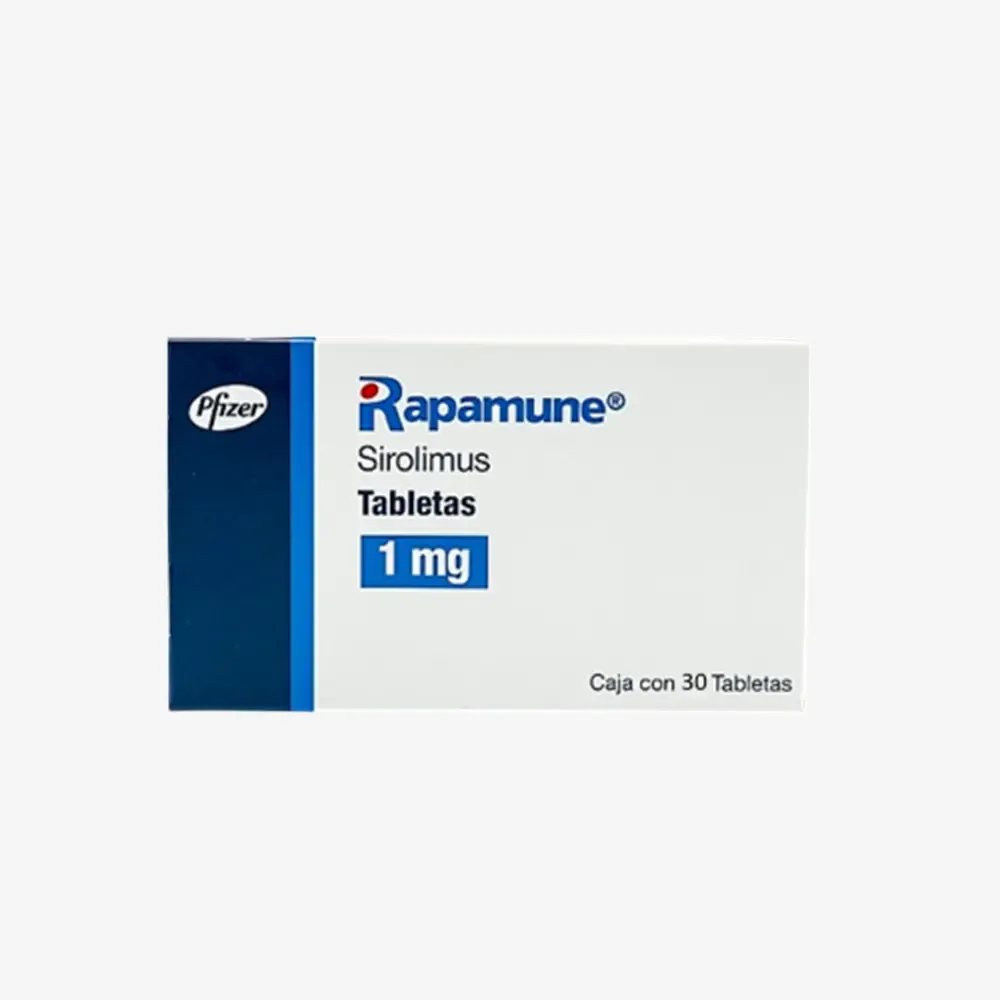
Rapamune, generics
Drug Group
mTOR inhibitor (immunosuppressant, antineoplastic)
Commonly Used For
This medication is used to:
- Prevent kidney transplant rejection.
- Treat lymphangioleiomyomatosis (LAM).
- Manage certain cancers.
Key Characteristics
- Form: Oral tablets (0.5 mg, 1 mg, 2 mg) and oral solution (1 mg/mL) (detailed in Dosage section).
- Mechanism: Inhibits mTOR, blocking cell cycle progression and immune response.
- Approval: FDA-approved (1999 for Rapamune) and EMA-approved for transplant and LAM.
3. Indications and Uses of Sirolimus
Sirolimus is indicated for immunosuppression and specific neoplastic conditions, leveraging its mTOR inhibitory effects:
- Kidney Transplant Rejection Prophylaxis: Prevents acute rejection in kidney transplant recipients, often combined with cyclosporine and corticosteroids, improving graft survival, per transplant society guidelines.
- Lymphangioleiomyomatosis (LAM): Treats LAM, a rare lung disease in women, reducing lung function decline and improving quality of life, supported by pulmonary and rare disease studies.
- Liver Transplant Rejection: Used off-label to prevent rejection in liver transplant patients, particularly with calcineurin inhibitor intolerance, enhancing outcomes, noted in hepatology research.
- Heart Transplant Rejection: Investigated off-label for heart transplant rejection prophylaxis, reducing vasculopathy, with cardiology evidence from clinical trials.
- Renal Cell Carcinoma (RCC): Manages advanced RCC, especially in patients with poor prognosis, as an antineoplastic agent, supported by oncology guidelines.
- Angiofibroma in Tuberous Sclerosis Complex (TSC): Employed off-label to reduce facial angiofibromas in TSC patients, improving cosmetic outcomes, with dermatology and neurology data.
- Subependymal Giant Cell Astrocytoma (SEGA): Used off-label to shrink SEGA tumors in TSC patients, avoiding surgery, supported by pediatric neurology studies.
- Autoimmune Diseases: Explored off-label for severe autoimmune conditions (e.g., lupus nephritis), modulating immune responses, with rheumatology research.
- Post-Transplant Lymphoproliferative Disorder (PTLD): Investigated off-label for PTLD management in transplant recipients, reducing lymphoma risk, with hematology and transplant evidence.
Note: This drug requires therapeutic drug monitoring (TDM) and combination therapy; consult a healthcare provider for individualized dosing and oversight.
4. Dosage of Sirolimus
Important Note: The dosage of this mTOR inhibitor must be prescribed by a healthcare provider. Dosing varies by indication, body surface area (BSA), and therapeutic levels, with adjustments based on clinical evaluation and TDM.
Dosage for Adults
- Kidney Transplant Rejection Prophylaxis:
- Loading Dose: 6 mg orally on day 1 post-transplant.
- Maintenance: 2 mg daily, adjusted to maintain trough levels of 5–15 ng/mL, with cyclosporine tapered over time.
- Lymphangioleiomyomatosis (LAM):
- 2 mg daily, adjusted to maintain trough levels of 5–15 ng/mL, with monitoring for side effects.
- Renal Cell Carcinoma:
- 10 mg daily for 4 weeks, then 5 mg daily, adjusted based on tolerance and response.
Dosage for Children
- Kidney Transplant Rejection (13+ years):
- Loading Dose: 3 mg/m² orally on day 1.
- Maintenance: 1 mg/m² daily, adjusted to trough levels of 5–15 ng/mL, under pediatric nephrologist supervision.
- Not recommended under 13 years unless critical.
Dosage for Pregnant Women
- Pregnancy Category C: Limited data; use only if benefits outweigh risks (e.g., transplant maintenance). Consult an obstetrician, with fetal monitoring.
Dosage Adjustments
- Renal Impairment: No adjustment needed; monitor in severe cases (CrCl <30 mL/min).
- Hepatic Impairment:
- Mild (Child-Pugh A): Reduce by 33%; moderate (Child-Pugh B): Reduce by 50%; severe (Child-Pugh C): Avoid.
- Elderly: Start with lower doses (e.g., 1 mg daily); increase cautiously with TDM.
- Concomitant Medications: Adjust if combined with CYP3A4 inducers/inhibitors (e.g., rifampin, ketoconazole), altering levels.
Additional Considerations
- Take this active ingredient consistently with or without food, using the same conditions daily.
- Measure oral solution with a syringe; avoid grapefruit juice.
5. How to Use Sirolimus
- Administration:
- Swallow tablets whole or use oral solution with a syringe, with or without food; avoid grapefruit juice.
- Take at the same time daily for consistency, often with other immunosuppressants.
- Timing: Use once daily, preferably in the morning or evening, as directed.
- Monitoring: Watch for mouth sores, swelling, or signs of infection (e.g., fever).
- Additional Tips:
- Store tablets at 20–25°C (68–77°F) and solution at 2–8°C (36–46°F); protect from light.
- Keep out of reach of children due to toxicity risk.
- Report severe abdominal pain, rash, or signs of allergic reaction immediately.
6. Contraindications for Sirolimus
This drug is contraindicated in:
- Hypersensitivity: Patients with a known allergy to Sirolimus or mTOR inhibitors.
- Severe Hepatic Impairment: Contraindicated in Child-Pugh Class C due to toxicity risk.
- Concurrent Use with Strong CYP3A4 Inducers: Avoid with drugs like rifampin unless adjusted.
7. Warnings & Precautions for Sirolimus
General Warnings
- Immunosuppression: Increased risk of infections and lymphoma; monitor closely.
- Nephrotoxicity: Risk of renal impairment, especially with calcineurin inhibitors; assess kidney function regularly.
- Hyperlipidemia: May increase cholesterol/triglycerides; check lipid profiles.
- Wound Healing Complications: Delayed healing post-surgery; avoid in early post-transplant period.
- Interstitial Lung Disease: Rare pneumonitis; monitor respiratory symptoms.
Additional Warnings
- Angioedema: Risk with ACE inhibitors; discontinue if swelling occurs.
- Thrombotic Microangiopathy: Rare hemolytic-uremic syndrome; monitor blood counts.
- Proteinuria: Increased urinary protein; assess renal status.
- Malignancy Risk: Higher incidence of skin cancers; use sun protection.
- Hypersensitivity Reactions: Rare anaphylaxis; discontinue if severe.
Use in Specific Populations
- Pregnancy: Category C; use only if essential with fetal monitoring.
- Breastfeeding: Avoid due to potential toxicity; monitor infant.
- Elderly: Higher risk of side effects; start with lower doses.
- Children: Limited to 13+ years; supervise closely.
- Renal/Hepatic Impairment: Adjust dose; avoid in severe cases.
Additional Precautions
- Inform your doctor about kidney disease, infections, or medication history before starting this medication.
- Avoid live vaccines during therapy.
8. Overdose and Management of Sirolimus
Overdose Symptoms
Overdose may cause:
- Nausea, diarrhea, or headache.
- Severe cases: Renal failure, immunosuppression, or seizures.
- Fatigue, swelling, or mouth sores as early signs.
- Cardiac arrhythmias with extremely high doses.
Immediate Actions
- Contact the Medical Team: Seek immediate medical help.
- Supportive Care: Administer IV fluids, monitor vital signs, and correct electrolytes.
- Specific Treatment: No antidote; manage symptoms and reduce dose; consider hemodialysis in severe cases.
- Monitor: Check kidney function, blood levels, and mental status for 24–72 hours.
Additional Notes
- Overdose risk is moderate; store securely.
- Report persistent symptoms (e.g., severe swelling, confusion) promptly.
9. Side Effects of Sirolimus
Common Side Effects
- Peripheral Edema (15–30%, manageable with diuretics)
- Hyperlipidemia (20–40%, controlled with statins)
- Stomatitis (10–25%, relieved with oral care)
- Hypertension (10–20%, managed with antihypertensives)
- Headache (5–15%, decreases with rest)
These effects may subside with dose adjustment.
Serious Side Effects
Seek immediate medical attention for:
- Renal: Acute kidney injury or proteinuria.
- Infectious: Pneumonia, sepsis, or opportunistic infections.
- Pulmonary: Interstitial lung disease or pneumonitis.
- Hematologic: Thrombocytopenia or anemia.
- Allergic: Rash, angioedema, or anaphylaxis.
Additional Notes
- Regular monitoring for kidney function, lipids, and infection risk is advised.
- Report any unusual symptoms (e.g., difficulty breathing, severe swelling) immediately to a healthcare provider.
10. Drug Interactions with Sirolimus
This active ingredient may interact with:
- CYP3A4 Inhibitors/Inducers: Alters levels (e.g., ketoconazole, rifampin); adjust dose.
- Calcineurin Inhibitors: Increases nephrotoxicity (e.g., cyclosporine); monitor levels.
- Antifungals: Enhances effects (e.g., fluconazole); reduce dose.
- Anticonvulsants: Reduces levels (e.g., phenytoin); increase dose if needed.
- Statins: Increases myopathy risk; use cautiously.
Action: Provide your healthcare provider with a complete list of medications.
11. Patient Education or Lifestyle
- Medication Adherence: Take this mTOR inhibitor as prescribed to prevent rejection or manage LAM, following the exact schedule.
- Monitoring: Report swelling, mouth sores, or fever immediately.
- Lifestyle: Avoid sun exposure; use sunscreen and protective clothing.
- Diet: Take with or without food; avoid grapefruit juice; maintain a low-fat diet if hyperlipidemia occurs.
- Emergency Awareness: Know signs of infection or kidney issues; seek care if present.
- Follow-Up: Schedule regular check-ups every 1–3 months to monitor kidney function, lipid levels, and drug levels.
12. Pharmacokinetics of Sirolimus
- Absorption: Well-absorbed orally (peak at 1–2 hours); enhanced with food but variable.
- Distribution: Volume of distribution ~12 L/kg; 92% protein-bound.
- Metabolism: Hepatic via CYP3A4 and P-glycoprotein to multiple metabolites.
- Excretion: Primarily fecal (91%) as metabolites; renal (2.2%); half-life 62 hours.
- Half-Life: 62 hours, requiring steady-state monitoring.
13. Pharmacodynamics of Sirolimus
This drug exerts its effects by:
- Inhibiting mTOR, blocking IL-2-induced T-cell proliferation and B-cell differentiation.
- Suppressing tumor growth in LAM and RCC by inhibiting angiogenesis.
- Demonstrating dose-dependent immunosuppression and metabolic effects.
- Exhibiting synergistic effects with calcineurin inhibitors in transplant settings.
14. Storage of Sirolimus
- Temperature: Store tablets at 20–25°C (68–77°F) and solution at 2–8°C (36–46°F); protect from light.
- Protection: Keep in original container, away from heat and moisture.
- Safety: Store in a locked container out of reach of children due to toxicity risk.
- Disposal: Dispose of unused tablets or solution per local regulations or consult a pharmacist.
15. Frequently Asked Questions (FAQs) About Sirolimus
Q: What does Sirolimus treat?
A: This medication prevents kidney transplant rejection and treats LAM.
Q: Can this active ingredient cause swelling?
A: Yes, swelling may occur; report if severe.
Q: Is Sirolimus safe for children?
A: Yes, for 13+ years with a doctor’s guidance.
Q: How is this drug taken?
A: Orally as tablets or solution, once daily, as directed.
Q: How long is Sirolimus treatment?
A: Lifelong for transplant or LAM with monitoring.
Q: Can I use Sirolimus if pregnant?
A: Yes, with caution; consult a doctor.
16. Regulatory Information for Sirolimus
This medication is approved by:
- U.S. Food and Drug Administration (FDA): Approved in 1999 (Rapamune) for kidney transplant and expanded for LAM in 2015.
- European Medicines Agency (EMA): Approved for transplant and LAM.
- Other Agencies: Approved globally for immunosuppression and LAM; consult local guidelines.
17. References
- U.S. Food and Drug Administration (FDA). (2023). Rapamune (Sirolimus) Prescribing Information.
- Official FDA documentation detailing the drug’s approved uses, dosage, and safety.
- European Medicines Agency (EMA). (2023). Sirolimus Summary of Product Characteristics.
- EMA’s comprehensive information on the medication’s indications and precautions in Europe.
- National Institutes of Health (NIH). (2023). Sirolimus: MedlinePlus Drug Information.
- NIH resource providing detailed information on the drug’s uses, side effects, and precautions.
- World Health Organization (WHO). (2023). WHO Model List of Essential Medicines: Sirolimus.
- WHO’s consideration of Sirolimus for transplant therapy.
- American Journal of Transplantation. (2022). Sirolimus in Transplant Outcomes.
- Peer-reviewed article on Sirolimus efficacy (note: access may require a subscription).
