
Comprehensive Guide to Phenobarbital: Uses, Dosage, Side Effects, and More
What is Phenobarbital?
Overview of Phenobarbital
Generic Name: Phenobarbital
Brand Name: Luminal, generics
Drug Group: Barbiturate (anticonvulsant, sedative-hypnotic)
Commonly Used For
- Treat various types of seizures.
- Manage status epilepticus.
- Provide sedation or preoperative anxiolysis.
Key Characteristics
Form: Oral tablets (15 mg, 30 mg, 60 mg, 100 mg), injectable solution (65 mg/mL, 130 mg/mL) (detailed in Dosage section).
Mechanism: Enhances GABA-mediated inhibition, stabilizing neuronal activity.
Approval: FDA-approved (1912) and widely used globally, with EMA recognition for epilepsy.
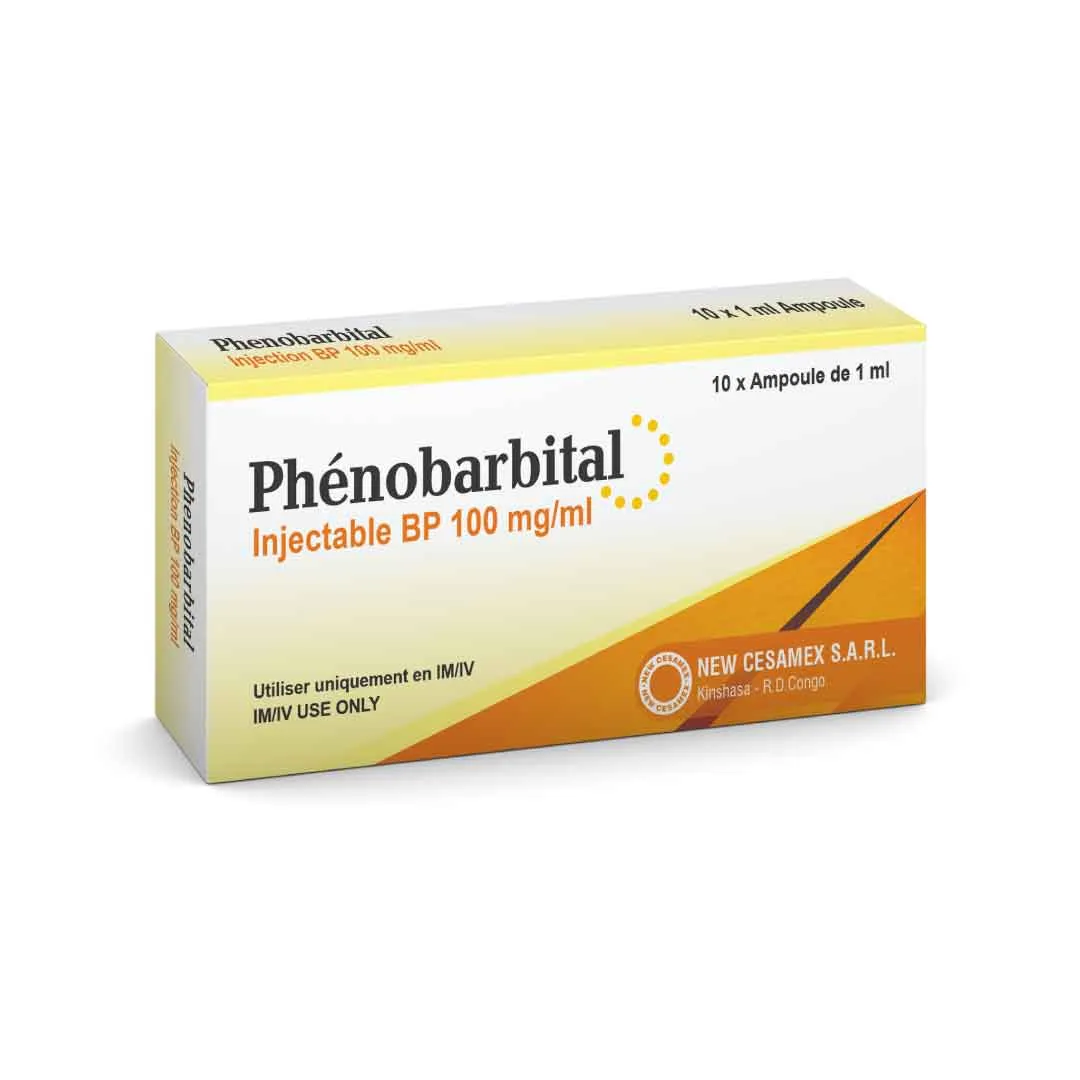
Indications and Uses of Phenobarbital
Phenobarbital is indicated for neurological and sedative purposes, leveraging its broad anticonvulsant and calming effects:
Generalized Tonic-Clonic Seizures: Treats grand mal seizures in adults and children, reducing frequency and severity, per epilepsy guidelines from the American Academy of Neurology (AAN).
Partial Seizures: Manages focal seizures with or without secondary generalization, improving control, supported by clinical studies.
Status Epilepticus: Controls prolonged seizures as an IV option, stabilizing patients in emergency settings, per emergency medicine protocols.
Febrile Seizures: Used in children (6 months–5 years) to prevent recurrent febrile seizures, with pediatric neurology evidence.
Neonatal Seizures: Administered off-label in neonates for seizure control, adjusting doses for immature metabolism, supported by neonatal intensive care research.
Insomnia: Employed off-label for short-term insomnia in adults, inducing sleep, though less common due to dependence risk, noted in sleep medicine studies.
Anxiety Disorders: Investigated off-label for preoperative sedation or acute anxiety, calming patients, with historical psychiatric data.
Alcohol Withdrawal: Used off-label to manage severe alcohol withdrawal symptoms (e.g., delirium tremens), reducing agitation, per addiction medicine guidelines.
Hyperbilirubinemia: Administered off-label in neonates to enhance bilirubin conjugation and prevent kernicterus, with pediatric hepatology evidence.
Migraine Prophylaxis: Explored off-label for refractory migraine prevention, reducing frequency, with emerging neurology research.
Dosage of Phenobarbital
Dosage for Adults
Epilepsy (Maintenance): 60–250 mg orally once daily, typically at bedtime, titrated to 1–3 mg/kg/day, targeting serum levels of 15–40 mcg/mL.
Status Epilepticus: 10–20 mg/kg IV loading dose over 10–15 minutes, followed by 1–3 mg/kg/day maintenance.
Sedation or Insomnia: 30–120 mg orally at bedtime, for short-term use only.
Dosage for Children
Epilepsy (Maintenance): 1–6 mg/kg/day orally in divided doses (e.g., twice daily), adjusted to serum levels, under pediatric neurologist supervision.
Febrile Seizures: 3–5 mg/kg/day orally, started after a second febrile seizure, monitored closely.
Neonatal Seizures: 10–20 mg/kg IV loading dose, followed by 2–4 mg/kg/day maintenance, adjusted for gestational age.
Dosage for Pregnant Women
Pregnancy Category D: Use only if benefits outweigh risks (e.g., uncontrolled seizures). Consult an obstetrician, with fetal monitoring and dose adjustment.
Dosage Adjustments
Renal Impairment: Reduce dose by 25–50% if CrCl <30 mL/min; monitor levels.
Hepatic Impairment: Reduce dose by 50% if liver function is compromised (e.g., Child-Pugh B/C); avoid in severe cases.
Elderly: Start with 30–60 mg once daily; increase cautiously to avoid sedation.
Concomitant Medications: Adjust if combined with CYP2C9 or CYP3A4 inducers/inhibitors (e.g., phenytoin, valproate), altering metabolism.
Additional Considerations
- Take this active ingredient with water, with or without food; avoid alcohol.
- Monitor serum levels (15–40 mcg/mL) to guide therapy.
How to Use Phenobarbital
Administration:
Swallow tablets whole with water, with or without food; injectable form given IV slowly by a healthcare provider.
Use a calibrated syringe for oral liquid in children.
Timing: Take once or twice daily as prescribed, preferably at consistent times (e.g., bedtime for sedation).
Monitoring: Watch for drowsiness, confusion, or signs of respiratory depression (e.g., shallow breathing).
Additional Tips:
- Store at 20–25°C (68–77°F), protecting from light and moisture.
- Keep out of reach of children due to overdose risk.
- Report severe lethargy, rash, or signs of allergic reaction immediately.
Contraindications for Phenobarbital
Hypersensitivity: Patients with a known allergy to Phenobarbital or barbiturates.
Severe Respiratory Depression: Contraindicated due to risk of worsening.
Porphyria: Avoid due to potential exacerbation of acute attacks.
Severe Hepatic Impairment: Contraindicated in Child-Pugh Class C.
Side Effects of Phenobarbital
Common Side Effects
- Drowsiness (30–50%, reduces with tolerance)
- Dizziness (20–40%, manageable with rest)
- Confusion (15–30%, more common in elderly)
- Nausea (10–25%, relieved with food)
- Headache (5–15%, decreases over time)
These effects may subside with dose adjustment.
Serious Side Effects
Seek immediate medical attention for:
- Respiratory: Depression or apnea.
- Neurological: Severe sedation, coma, or paradoxical hyperactivity.
- Hepatic: Jaundice, hepatitis, or liver failure.
- Hematologic: Agranulocytosis or thrombocytopenia.
- Allergic: Rash, angioedema, or anaphylaxis.
Additional Notes
- Regular monitoring for liver function, blood counts, and respiratory status is advised.
- Report any unusual symptoms (e.g., yellow skin, difficulty breathing) immediately to a healthcare provider.
Warnings & Precautions for Phenobarbital
General Warnings
Respiratory Depression: Risk with overdose or in compromised patients; monitor breathing.
Dependence and Withdrawal: High risk with chronic use; taper slowly to avoid seizures.
Hepatotoxicity: Risk of liver injury; monitor liver function regularly.
Cognitive Impairment: May cause drowsiness or confusion; avoid driving if affected.
Hypotension: Risk in elderly or volume-depleted patients; monitor blood pressure.
Additional Warnings
Bone Health: Long-term use may reduce vitamin D and increase fracture risk; assess bone density.
Hyperalgesia: Paradoxical pain sensitivity with prolonged use; monitor pain levels.
Suicidal Behavior: Rare risk of depression or suicidal ideation; assess mental health.
Drug Interactions: Enhanced sedation with alcohol or CNS depressants; adjust dose.
Hypersensitivity Reactions: Rare anaphylaxis; discontinue if swelling occurs.
Use in Specific Populations
- Pregnancy: Category D; use only if essential; monitor for fetal effects (e.g., withdrawal).
- Breastfeeding: Excreted in breast milk; monitor infant for sedation.
- Elderly: Higher risk of side effects; start with lower doses.
- Children: Limited to 6 months+; supervise closely.
- Renal/Hepatic Impairment: Adjust dose; avoid in severe cases.
Additional Precautions
- Inform your doctor about liver disease, respiratory issues, or medication history before starting this medication.
- Avoid abrupt cessation; taper over weeks under supervision.
Overdose and Management of Phenobarbital
Overdose Symptoms
- Drowsiness, confusion, or ataxia.
- Severe cases: Respiratory depression, coma, or cardiovascular collapse.
- Shallow breathing, bradycardia, or hypothermia as early signs.
- Death with extremely high doses.
Immediate Actions
Contact the Medical Team: Seek immediate medical help.
Supportive Care: Administer oxygen, IV fluids, and mechanical ventilation if needed; use activated charcoal if ingested recently.
Specific Treatment: Administer alkalinization (e.g., sodium bicarbonate) or hemodialysis for severe cases; no specific antidote.
Monitor: Check respiratory rate, blood pressure, and serum levels (therapeutic: 15–40 mcg/mL; toxic: >40 mcg/mL) for 24–72 hours.
Additional Notes
- Overdose risk is significant; store securely.
- Report persistent symptoms (e.g., unresponsiveness, blue lips) promptly.
Drug Interactions with Phenobarbital
This active ingredient may interact with:
- CYP2C9/CYP3A4 Inducers: Reduces levels (e.g., rifampin); increase dose.
- CYP2C9/CYP3A4 Inhibitors: Increases levels (e.g., valproate); reduce dose.
- Anticoagulants: Enhances bleeding risk (e.g., warfarin); monitor INR.
- Oral Contraceptives: Reduces efficacy; use backup methods.
- CNS Depressants: Potentiates sedation (e.g., alcohol, benzodiazepines); avoid combinations.
Action: Provide your healthcare provider with a complete list of medications.
Patient Education or Lifestyle
Medication Adherence: Take this barbiturate as prescribed to manage seizures, following the exact schedule.
Monitoring: Report drowsiness, confusion, or breathing issues immediately.
Lifestyle: Avoid alcohol and driving; ensure adequate sleep.
Diet: Take with food to reduce nausea; avoid grapefruit juice.
Emergency Awareness: Know signs of overdose or respiratory distress; seek care if present.
Follow-Up: Schedule regular check-ups every 3–6 months to monitor liver, blood levels, and seizure control.
Pharmacokinetics of Phenobarbital
Absorption: Well-absorbed orally (peak at 0.5–4 hours); IV provides rapid onset.
Distribution: Volume of distribution ~0.5–0.7 L/kg; 20–45% protein-bound.
Metabolism: Hepatic via CYP2C9 and CYP2C19 to inactive metabolites.
Excretion: Primarily renal (25–50% unchanged); half-life 53–118 hours.
Half-Life: 53–118 hours, with prolonged effects requiring gradual dose changes.
Pharmacodynamics of Phenobarbital
This drug exerts its effects by:
- Enhancing GABA-A receptor activity, increasing chloride conductance and neuronal inhibition.
- Suppressing seizure activity in the brain, particularly in generalized epilepsy.
- Inducing hepatic enzymes (CYP450), affecting metabolism of other drugs.
- Exhibiting dose-dependent sedation and respiratory depression risks.
Storage of Phenobarbital
Temperature: Store at 20–25°C (68–77°F); protect from light and moisture.
Protection: Keep in original container, away from heat sources.
Safety: Store in a locked container out of reach of children due to overdose risk.
Disposal: Dispose of unused tablets or vials per local regulations or consult a pharmacist.
Frequently Asked Questions (FAQs)
Q: What does Phenobarbital treat?
A: This medication treats seizures and provides sedation.
Q: Can this active ingredient cause drowsiness?
A: Yes, drowsiness is common; avoid driving.
Q: Is Phenobarbital safe for children?
A: Yes, for 6 months+ with a doctor’s guidance.
Q: How is this drug taken?
A: Orally as tablets or IV, as directed.
Q: How long is Phenobarbital treatment?
A: Long-term for epilepsy; short-term for sedation.
Q: Can I use Phenobarbital if pregnant?
A: Use with caution; consult a doctor.
Regulatory Information
This medication is approved by:
U.S. Food and Drug Administration (FDA): Approved in 1912 (Luminal) for epilepsy and sedation.
European Medicines Agency (EMA): Approved for seizure management.
Other Agencies: Approved globally for neurological conditions; consult local guidelines.
References
- U.S. Food and Drug Administration (FDA). (2023). Luminal (Phenobarbital) Prescribing Information.
- Official FDA documentation detailing the drug’s approved uses, dosage, and safety.
- European Medicines Agency (EMA). (2023). Phenobarbital Summary of Product Characteristics.
- EMA’s comprehensive information on the medication’s indications and precautions in Europe.
- National Institutes of Health (NIH). (2023). Phenobarbital: MedlinePlus Drug Information.
- NIH resource providing detailed information on the drug’s uses, side effects, and precautions.
- World Health Organization (WHO). (2023). WHO Model List of Essential Medicines: Phenobarbital.
- WHO’s inclusion of Phenobarbital for epilepsy management.
- Epilepsy Research. (2022). Phenobarbital in Status Epilepticus.
- Peer-reviewed article on Phenobarbital efficacy (note: access may require a subscription).
