
Comprehensive Guide to Pentamidine: Uses, Dosage, Side Effects, and More
What is Pentamidine?
Overview of Pentamidine
Generic Name: Pentamidine
Brand Name: Pentam 300, generics
Drug Group: Antiprotozoal/antifungal
Commonly Used For
- Treat Pneumocystis pneumonia (PCP).
- Manage visceral leishmaniasis.
- Prevent PCP in high-risk patients.
Key Characteristics
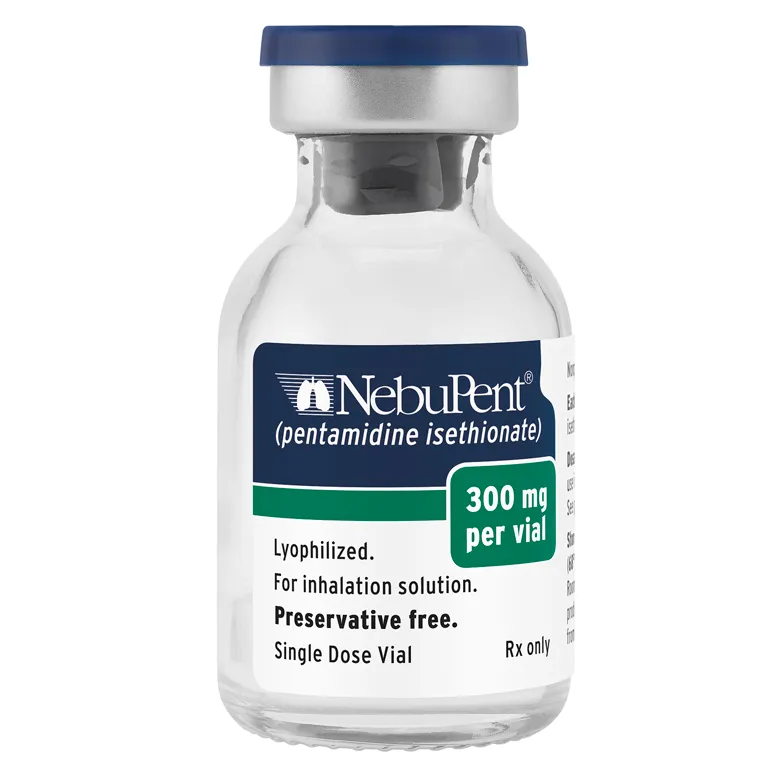
Form: Lyophilized powder for injection (300 mg/vial) or aerosolized solution (detailed in Dosage section).
Mechanism: Disrupts parasite metabolism by binding to DNA and inhibiting enzymes.
Approval: FDA-approved (1984 for Pentam 300) and EMA-approved for PCP and leishmaniasis.
Indications and Uses of Pentamidine
Pentamidine is indicated for parasitic and fungal infections, leveraging its broad-spectrum activity:
Pneumocystis Pneumonia (PCP): Treats PCP in HIV/AIDS patients or other immunocompromised individuals (e.g., transplant recipients), reducing mortality, per CDC and WHO guidelines, often as an alternative to trimethoprim-sulfamethoxazole.
Visceral Leishmaniasis: Manages visceral leishmaniasis (kala-azar) in endemic regions, improving survival rates, used alone or with antimony compounds, supported by tropical medicine studies.
PCP Prophylaxis: Prevents PCP in HIV patients with CD4 counts <200 cells/mm³ or prior PCP history, administered as aerosolized therapy, per infectious disease protocols.
Cutaneous Leishmaniasis: Used off-label to treat cutaneous leishmaniasis, reducing lesion size and healing time, with dermatology and travel medicine evidence.
Trypanosoma cruzi Infection: Investigated off-label for Chagas disease (chronic phase), improving cardiac function in select cases, supported by parasitology research.
Cryptosporidiosis: Explored off-label in HIV patients with cryptosporidiosis, reducing diarrhea severity, with emerging infectious disease data.
Babesiosis: Employed off-label in severe babesiosis cases resistant to standard therapy (e.g., atovaquone), enhancing parasite clearance, noted in hematology studies.
Toxoplasmosis: Investigated off-label as an adjunct in toxoplasmosis management in immunocompromised patients, reducing brain lesion progression, with neurology and infectious disease insights.
Fungal Infections (e.g., Aspergillosis): Used off-label in refractory aspergillosis cases, improving outcomes when combined with amphotericin B, supported by mycology research.
Dosage of Pentamidine
Dosage for Adults
Pneumocystis Pneumonia (PCP) Treatment:
- IV: 4 mg/kg once daily for 14–21 days, infused over 60–120 minutes.
- Aerosolized: 300 mg via nebulizer every 4 weeks for prophylaxis.
Visceral Leishmaniasis:
- IV: 2–4 mg/kg once daily or every other day for 15–20 doses, adjusted for response.
PCP Prophylaxis:
- Aerosolized: 300 mg monthly via Respirgard II nebulizer.
Dosage for Children
PCP Treatment or Prophylaxis:
- IV: 4 mg/kg once daily for 14–21 days, under pediatric infectious disease supervision.
- Aerosolized: 8 mg/kg monthly (max 300 mg), adjusted for weight.
- Not recommended under 5 years for aerosol unless critical.
Visceral Leishmaniasis:
- IV: 2–4 mg/kg every other day for 10–15 doses, monitored closely.
Dosage for Pregnant Women
Pregnancy Category C: Limited data; use only if benefits outweigh risks (e.g., severe PCP). Consult an obstetrician, with fetal monitoring.
Dosage Adjustments
Renal Impairment: Reduce to 3–4 mg/kg every 24–48 hours if CrCl <10 mL/min; avoid if on dialysis.
Hepatic Impairment: No specific adjustment; monitor in severe cases (Child-Pugh C).
Elderly: Start with 3 mg/kg; increase cautiously to 4 mg/kg if tolerated.
Concomitant Medications: Adjust if combined with nephrotoxic drugs (e.g., aminoglycosides), increasing toxicity risk.
Additional Considerations
- Administer this active ingredient IV slowly to minimize hypotension; use aerosol with proper equipment.
- Premedicate with antipyretics or antihistamines for infusion reactions.
How to Use Pentamidine
Administration:
IV: Reconstitute with sterile water, dilute in 50–250 mL saline, and infuse over 60–120 minutes; avoid rapid injection.
Aerosolized: Use a Respirgard II nebulizer with 6–10 L/min oxygen flow for 30–45 minutes.
Administer in a controlled setting with monitoring.
Timing: Use daily for treatment or monthly for prophylaxis, as directed.
Monitoring: Watch for hypotension, hypoglycemia, or signs of kidney issues (e.g., reduced urine output).
Additional Tips:
- Store at 20–25°C (68–77°F) for IV form; protect from light.
- Handle with gloves; dispose of waste per hazardous drug protocols.
- Report chest pain, severe dizziness, or signs of allergic reaction immediately.
Contraindications for Pentamidine
Hypersensitivity: Patients with a known allergy to Pentamidine or its components.
Severe Renal Impairment: Contraindicated if CrCl <10 mL/min due to accumulation risk.
Uncontrolled Hypotension: Avoid due to risk of exacerbation.
Pregnancy: Contraindicated unless life-saving, with caution.
Side Effects of Pentamidine
Common Side Effects
- Hypotension (10–20%, managed with fluids)
- Nausea (8–15%, reduced with antiemetics)
- Fever (5–12%, transient)
- Rash (4–10%, monitor for severity)
- Taste Disturbance (3–8%, decreases with time)
These effects may subside with dose adjustment.
Serious Side Effects
Seek immediate medical attention for:
- Metabolic: Severe hypoglycemia, hyperkalemia, or pancreatitis.
- Renal: Acute kidney injury or nephrotoxicity.
- Cardiovascular: QT prolongation, arrhythmias, or cardiac arrest.
- Pulmonary: Pneumothorax or respiratory failure.
- Allergic: Rash, angioedema, or anaphylaxis.
Additional Notes
- Regular monitoring for renal function, glucose, and cardiac status is advised.
- Report any unusual symptoms (e.g., severe abdominal pain, chest pain) immediately to a healthcare provider.
Warnings & Precautions for Pentamidine
General Warnings
Hypoglycemia: Risk of severe low blood sugar, especially after therapy; monitor glucose levels.
Nephrotoxicity: Risk of acute kidney injury; check renal function regularly.
Hypotension: Common during IV infusion; administer slowly with fluids.
Pancreatitis: Rare but severe; monitor for abdominal pain.
Electrolyte Imbalance: Risk of hypocalcemia or hypomagnesemia; correct as needed.
Additional Warnings
Cardiotoxicity: Risk of QT prolongation or arrhythmias; monitor ECG.
Hepatotoxicity: Elevated liver enzymes; assess liver function.
Pneumothorax: Rare with aerosol use; monitor respiratory status.
Hyperkalemia: Late-onset risk; check electrolytes.
Hypersensitivity Reactions: Rare anaphylaxis; discontinue if swelling occurs.
Use in Specific Populations
- Pregnancy: Category C; avoid unless critical; use alternatives if possible.
- Breastfeeding: Excreted in breast milk; monitor infant for effects.
- Elderly: Higher risk of toxicity; start with lower doses.
- Children: Limited to 5+ years for aerosol; supervise closely.
- Renal/Hepatic Impairment: Adjust dose; avoid in severe cases.
Additional Precautions
- Inform your doctor about kidney disease, diabetes, or medication history before starting this medication.
- Avoid abrupt cessation; taper if used long-term.
Overdose and Management of Pentamidine
Overdose Symptoms
- Hypotension, hypoglycemia, or renal failure.
- Severe cases: Pancreatitis, arrhythmias, or respiratory distress.
- Nausea, dizziness, or fatigue as early signs.
- Cardiac arrest with extremely high doses.
Immediate Actions
Contact the Medical Team: Seek immediate medical help.
Supportive Care: Administer IV fluids, glucose for hypoglycemia, and monitor vital signs.
Specific Treatment: No antidote; manage symptoms, correct electrolytes, and support kidney function.
Monitor: Check blood glucose, renal function, and ECG for 24–72 hours.
Additional Notes
- Overdose risk is moderate; store securely.
- Report persistent symptoms (e.g., severe weakness, irregular heartbeat) promptly.
Drug Interactions with Pentamidine
This active ingredient may interact with:
- Diuretics: Enhances electrolyte imbalance; monitor closely.
- Antidiabetic Agents: Increases hypoglycemia risk; adjust dose.
- Nephrotoxic Drugs: Potentiates kidney damage (e.g., vancomycin); avoid combinations.
- Antiarrhythmics: Increases QT prolongation risk (e.g., amiodarone); monitor ECG.
- CYP2C19 Inhibitors: Alters metabolism (e.g., omeprazole); adjust dose.
Action: Provide your healthcare provider with a complete list of medications.
Patient Education or Lifestyle
Medication Adherence: Take this antiprotozoal as prescribed for PCP or leishmaniasis, following the exact schedule.
Monitoring: Report hypotension, hypoglycemia, or kidney issues immediately.
Lifestyle: Stay hydrated; avoid prolonged standing during IV infusion.
Diet: Take with antiemetics if nauseated; maintain balanced meals.
Emergency Awareness: Know signs of pancreatitis or cardiac issues; seek care if present.
Follow-Up: Schedule regular check-ups every 1–2 weeks during therapy to monitor renal, glucose, and cardiac health.
Pharmacokinetics of Pentamidine
Absorption: Poor oral bioavailability; IV peak at 1–2 hours, aerosolized variable.
Distribution: Volume of distribution ~7–19 L/kg; 69% protein-bound.
Metabolism: Hepatic via non-CYP pathways to inactive metabolites.
Excretion: Primarily renal (50–60%) and tissue sequestration; half-life 6–9 hours (prolonged in tissues).
Half-Life: 6–9 hours (plasma), with tissue retention up to weeks.
Pharmacodynamics of Pentamidine
This drug exerts its effects by:
- Binding to DNA minor groove, inhibiting topoisomerase and RNA polymerase in parasites.
- Disrupting mitochondrial function in Pneumocystis and Leishmania.
- Demonstrating concentration-dependent toxicity to host tissues (e.g., pancreas, kidneys).
- Exhibiting enhanced efficacy with combination therapies in resistant cases.
Storage of Pentamidine
Temperature: Store at 20–25°C (68–77°F) for aerosol; 2–8°C (36–46°F) for IV form; protect from light.
Protection: Keep in original container, away from heat and moisture.
Safety: Store in a locked container out of reach of children due to toxicity risk.
Disposal: Dispose of unused vials or solutions per hazardous drug regulations or consult a pharmacist.
Frequently Asked Questions (FAQs)
Q: What does Pentamidine treat?
A: This medication treats PCP and visceral leishmaniasis.
Q: Can this active ingredient cause hypoglycemia?
A: Yes, hypoglycemia may occur; monitor blood sugar.
Q: Is Pentamidine safe for children?
A: Yes, for 5+ years with a doctor’s guidance.
Q: How is this drug taken?
A: Via IV infusion or aerosol, as directed.
Q: How long is Pentamidine treatment?
A: 14–21 days for PCP, varies for leishmaniasis.
Q: Can I use Pentamidine if pregnant?
A: No, avoid unless life-saving; consult a doctor.
Regulatory Information
This medication is approved by:
U.S. Food and Drug Administration (FDA): Approved in 1984 (Pentam 300) for PCP and leishmaniasis.
European Medicines Agency (EMA): Approved for PCP prophylaxis and treatment.
Other Agencies: Approved globally for parasitic infections; consult local guidelines.
References
- U.S. Food and Drug Administration (FDA). (2023). Pentam 300 (Pentamidine) Prescribing Information.
- Official FDA documentation detailing the drug’s approved uses, dosage, and safety.
- European Medicines Agency (EMA). (2023). Pentamidine Summary of Product Characteristics.
- EMA’s comprehensive information on the medication’s indications and precautions in Europe.
- National Institutes of Health (NIH). (2023). Pentamidine: MedlinePlus Drug Information.
- NIH resource providing detailed information on the drug’s uses, side effects, and precautions.
- World Health Organization (WHO). (2023). WHO Guidelines on Pneumocystis Pneumonia: Pentamidine.
- WHO’s recommendations for Pentamidine in PCP management.
- Clinical Infectious Diseases. (2022). Pentamidine in Leishmaniasis Therapy.
- Peer-reviewed article on Pentamidine efficacy (note: access may require a subscription).
