
Comprehensive Guide to Penicillin: Uses, Dosage, Side Effects, and More
What is Penicillin?
Overview of Penicillin
Generic Name: Penicillin (e.g., Penicillin G, Penicillin V)
Brand Name: Various (e.g., Pfizerpen, Pen-Vee K, generics)
Drug Group: Beta-lactam antibiotic
Commonly Used For
- Treat bacterial infections.
- Prevent infection in surgical or dental procedures.
- Manage streptococcal infections.
Key Characteristics
Form: Injectable (Penicillin G) or oral tablets/syrup (Penicillin V) in various strengths (e.g., 500 mg, 1 million units) (detailed in Dosage section).
Mechanism: Disrupts peptidoglycan synthesis, leading to bacterial cell lysis.
Approval: FDA-approved since the 1940s and EMA-approved for multiple indications.
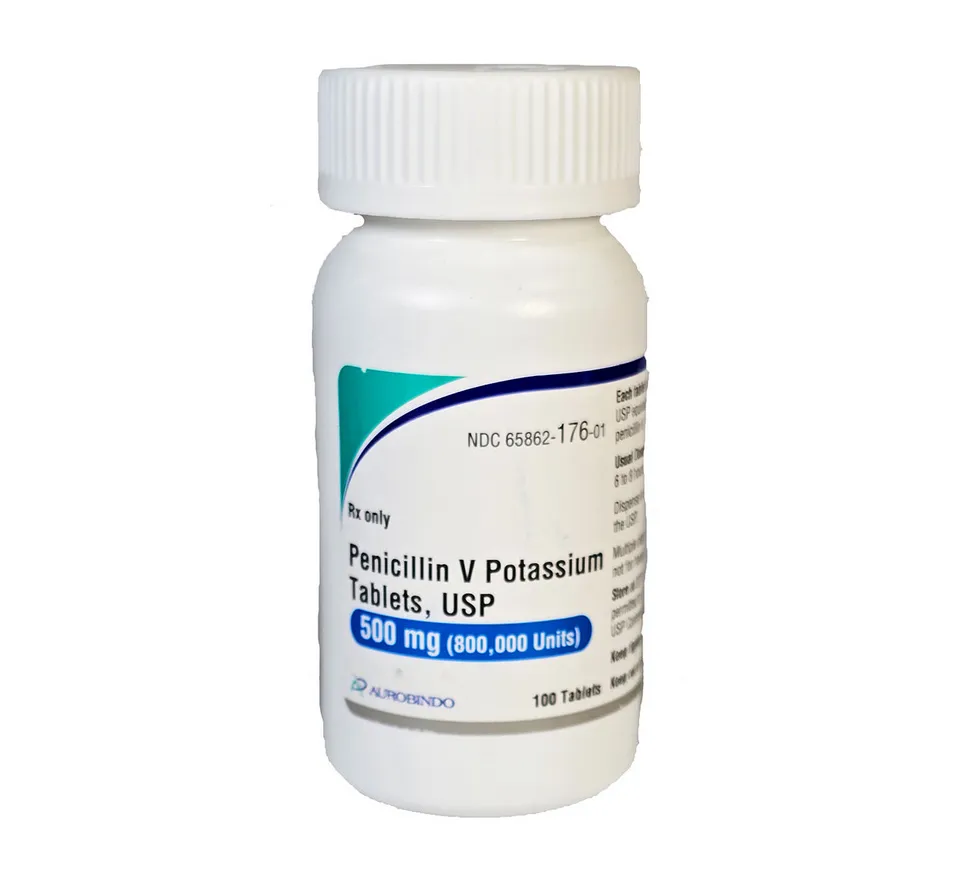
Indications and Uses of Penicillin
Penicillin is indicated for a broad spectrum of bacterial infections, leveraging its bactericidal action:
Streptococcal Infections: Treats pharyngitis, scarlet fever, and rheumatic fever prophylaxis caused by Streptococcus pyogenes, reducing complications, per CDC guidelines.
Syphilis: Manages all stages of syphilis (primary, secondary, latent, neurosyphilis) with Penicillin G, offering a cure, supported by WHO and STI protocols.
Pneumococcal Infections: Controls pneumonia, meningitis, and otitis media caused by Streptococcus pneumoniae, improving outcomes, per pediatric and infectious disease guidelines.
Meningococcal Infections: Treats meningococcal meningitis and septicemia caused by Neisseria meningitidis, reducing mortality, used in emergency settings.
Anthrax: Used for cutaneous and inhalation anthrax (Bacillus anthracis), including post-exposure prophylaxis, per bioterrorism response plans.
Diphtheria: Administered with antitoxin for Corynebacterium diphtheriae infections, preventing toxin spread, supported by global health initiatives.
Actinomycosis: Manages chronic infections caused by Actinomyces israelii, often with surgical intervention, noted in oral and maxillofacial medicine.
Rat-Bite Fever: Treats Streptobacillus moniliformis infections from rodent bites, reducing systemic symptoms, with evidence from infectious disease case studies.
Prophylaxis in Surgery/Dentistry: Prevents endocarditis in at-risk patients (e.g., with valvular heart disease) during procedures, per American Heart Association guidelines.
Leptospirosis: Used off-label for severe Leptospira interrogans infections, improving renal and hepatic outcomes, with data from tropical medicine research.
Dosage of Penicillin
Dosage for Adults
Streptococcal Pharyngitis (Penicillin V):
- 500 mg orally 2–3 times daily for 10 days.
Syphilis (Penicillin G):
- Primary/Secondary: 2.4 million units IM once (single dose).
- Neurosyphilis: 18–24 million units IV daily (3–4 million units every 4 hours) for 10–14 days.
Pneumococcal Pneumonia (Penicillin G):
- 1–2 million units IV every 4–6 hours for 7–10 days.
Dosage for Children
Streptococcal Pharyngitis (Penicillin V): 25–50 mg/kg/day orally in 2–3 divided doses for 10 days, max 500 mg/dose.
Meningococcal Meningitis (Penicillin G): 250,000–300,000 units/kg/day IV in divided doses every 4 hours for 7–10 days, under pediatric supervision.
Not recommended under 1 month unless critical.
Dosage for Pregnant Women
Pregnancy Category B: Safe for most indications (e.g., syphilis); adjust dose if renal impairment. Consult an obstetrician, with fetal monitoring.
Dosage Adjustments
Renal Impairment: Reduce dose if CrCl <10 mL/min (e.g., extend interval to every 8–12 hours); monitor in dialysis patients.
Hepatic Impairment: No adjustment needed; monitor in severe cases.
Elderly: Start with lower end of range; increase cautiously with renal function assessment.
Concomitant Medications: Adjust if combined with probenecid, which increases levels.
Additional Considerations
- Administer this antibiotic on an empty stomach (1 hour before or 2 hours after meals) for oral forms to enhance absorption.
- Use IV or IM routes for severe infections under medical supervision.
How to Use Penicillin
Administration:
Oral (Penicillin V): Swallow tablets or syrup with water, avoiding food; shake liquid well.
IV/IM (Penicillin G): Administer by healthcare provider over 15–30 minutes (IV) or deep IM injection; avoid rapid IV push.
Timing: Use at regular intervals (e.g., every 6–8 hours) as prescribed, maintaining consistency.
Monitoring: Watch for rash, swelling, or signs of anaphylaxis (e.g., difficulty breathing).
Additional Tips:
- Store oral forms at 20–25°C (68–77°F) and injections at 2–8°C (36–46°F), protecting from light.
- Keep out of reach of children due to overdose risk.
- Report severe diarrhea, joint pain, or signs of allergic reaction immediately.
Contraindications for Penicillin
Hypersensitivity: Patients with a known allergy to Penicillin or other beta-lactams (e.g., cephalosporins).
Severe Renal Impairment: Avoid in anuric patients unless benefits outweigh risks.
Previous Anaphylaxis: Contraindicated if history of severe allergic reaction.
Side Effects of Penicillin
Common Side Effects
- Diarrhea (5–10%, transient)
- Nausea (3–8%, manageable with food)
- Rash (2–6%, monitor for severity)
- Vomiting (1–5%, reduced with hydration)
- Oral Thrush (1–4%, treat with antifungals)
These effects may subside with dose adjustment or supportive care.
Serious Side Effects
Seek immediate medical attention for:
- Allergic: Anaphylaxis, angioedema, or Stevens-Johnson syndrome.
- Hematologic: Hemolytic anemia or leukopenia.
- Renal: Interstitial nephritis or acute kidney injury.
- Neurological: Seizures or encephalopathy.
- Gastrointestinal: Pseudomembranous colitis.
Additional Notes
- Regular monitoring for renal function, blood counts, and allergic reactions is advised.
- Report any unusual symptoms (e.g., difficulty breathing, severe rash) immediately to a healthcare provider.
Warnings & Precautions for Penicillin
General Warnings
Allergic Reactions: Risk of anaphylaxis, especially in penicillin-allergic patients; screen for history.
Clostridium difficile Infection: Risk of pseudomembranous colitis; monitor for diarrhea.
Neurotoxicity: Rare seizures with high IV doses; adjust in renal impairment.
Jarisch-Herxheimer Reaction: Fever and rash in syphilis treatment; manage symptomatically.
Superinfections: Risk of fungal or resistant bacterial overgrowth; assess during therapy.
Additional Warnings
Hemolytic Anemia: Rare immune-mediated anemia; monitor blood counts.
Electrolyte Imbalance: High IV doses may cause hypokalemia; check levels.
Neuromuscular Irritability: Rare with intrathecal use; avoid unless indicated.
Renal Toxicity: Monitor in patients with pre-existing kidney disease.
Hypersensitivity Reactions: Cross-reactivity with cephalosporins; use cautiously.
Use in Specific Populations
- Pregnancy: Category B; safe for most uses with monitoring.
- Breastfeeding: Excreted in breast milk; monitor infant for diarrhea or thrush.
- Elderly: Higher risk of toxicity; adjust dose with renal function.
- Children: Safe from 1 month+; supervise closely.
- Renal/Hepatic Impairment: Adjust dose; avoid in severe renal failure.
Additional Precautions
- Inform your doctor about allergies, kidney issues, or medication history before starting this antibiotic.
- Complete the full course to prevent resistance, even if symptoms improve.
Overdose and Management of Penicillin
Overdose Symptoms
- Nausea, vomiting, or diarrhea.
- Severe cases: Seizures, neuromuscular irritability, or electrolyte imbalance.
- Agitation, confusion, or rash as early signs.
- Cardiac arrest with extremely high IV doses.
Immediate Actions
Contact the Medical Team: Seek immediate medical help.
Supportive Care: Administer IV fluids, monitor vital signs, and correct electrolytes (e.g., potassium).
Specific Treatment: Hemodialysis if severe; no specific antidote.
Monitor: Check renal function, neurological status, and blood levels for 24–48 hours.
Additional Notes
- Overdose risk is low with proper dosing; store securely.
- Report persistent symptoms (e.g., severe confusion, swelling) promptly.
Drug Interactions with Penicillin
This active ingredient may interact with:
- Probenecid: Increases levels by reducing renal excretion; monitor.
- Oral Contraceptives: Rare reduction in efficacy; use backup methods.
- Methotrexate: Enhances toxicity; adjust dose.
- Warfarin: Alters anticoagulant effect; monitor INR.
- Aminoglycosides: Synergistic effect in some infections; adjust timing.
Action: Provide your healthcare provider with a complete list of medications.
Patient Education or Lifestyle
Medication Adherence: Take this antibiotic as prescribed to treat infections, completing the full course.
Monitoring: Report rash, swelling, or diarrhea immediately.
Lifestyle: Avoid alcohol during treatment; maintain hydration.
Diet: Take oral forms on an empty stomach; avoid dairy if possible.
Emergency Awareness: Know signs of anaphylaxis or kidney issues; seek care if present.
Follow-Up: Schedule regular check-ups to monitor infection resolution and renal health.
Pharmacokinetics of Penicillin
Absorption: Well-absorbed orally (Penicillin V, peak 30–60 minutes); IV/IM (Penicillin G) provides immediate effect.
Distribution: Volume of distribution ~0.2–0.5 L/kg; 60–90% protein-bound, penetrates inflamed tissues well.
Metabolism: Minimal hepatic metabolism; hydrolyzed to penicilloic acid.
Excretion: Primarily renal (60–90%) via tubular secretion; half-life 30–60 minutes (prolonged in renal impairment).
Half-Life: 30–60 minutes, with extended duration in high doses or renal dysfunction.
Pharmacodynamics of Penicillin
This drug exerts its effects by:
- Binding to penicillin-binding proteins, inhibiting transpeptidation in cell wall synthesis.
- Causing osmotic lysis in actively dividing bacteria (e.g., Gram-positive cocci).
- Demonstrating time-dependent killing, with efficacy tied to time above MIC.
- Exhibiting synergy with aminoglycosides against certain pathogens.
Storage
Temperature: Store oral forms at 20–25°C (68–77°F) and injections at 2–8°C (36–46°F); protect from light.
Protection: Keep in original container, away from moisture.
Safety: Store out of reach of children due to overdose risk.
Disposal: Dispose of unused doses per local regulations or consult a pharmacist.
Frequently Asked Questions (FAQs)
Q: What does Penicillin treat?
A: This medication treats bacterial infections like strep throat and syphilis.
Q: Can this active ingredient cause rash?
A: Yes, rash may occur; report if severe or with swelling.
Q: Is Penicillin safe for children?
A: Yes, from 1 month+ with a doctor’s guidance.
Q: How is this drug taken?
A: Orally or via IV/IM, as directed by a healthcare provider.
Q: How long is Penicillin treatment?
A: Typically 7–14 days, depending on infection.
Q: Can I use Penicillin if pregnant?
A: Yes, generally safe; consult a doctor.
Regulatory Information
This medication is approved by:
U.S. Food and Drug Administration (FDA): Approved since the 1940s for various bacterial infections.
European Medicines Agency (EMA): Approved for multiple indications, including syphilis and streptococcal infections.
Other Agencies: Approved globally as an essential medicine; consult local guidelines.
References
- U.S. Food and Drug Administration (FDA). (2023). Penicillin G Prescribing Information.
- Official FDA documentation detailing the drug’s approved uses, dosage, and safety.
- European Medicines Agency (EMA). (2023). Penicillin Summary of Product Characteristics.
- EMA’s comprehensive information on the medication’s indications and precautions in Europe.
- National Institutes of Health (NIH). (2023). Penicillin: MedlinePlus Drug Information.
- NIH resource providing detailed information on the drug’s uses, side effects, and precautions.
- World Health Organization (WHO). (2023). WHO Model List of Essential Medicines: Penicillin.
- WHO’s inclusion of Penicillin as an essential antibiotic.
- Clinical Infectious Diseases. (2022). Penicillin in Bacterial Resistance.
- Peer-reviewed article on Penicillin efficacy and resistance trends (note: access may require a subscription).
