
Comprehensive Guide to Pegfilgrastim: Uses, Dosage, Side Effects, and More
What is Pegfilgrastim?
Overview of Pegfilgrastim
Generic Name: Pegfilgrastim
Brand Name: Neulasta, Neulasta Onpro, generics
Drug Group: Granulocyte colony-stimulating factor (G-CSF, hematopoietic growth factor)
Commonly Used For
- Reduce febrile neutropenia in chemotherapy patients.
- Support neutrophil recovery post-stem cell transplantation.
- Manage severe chronic neutropenia.
Key Characteristics
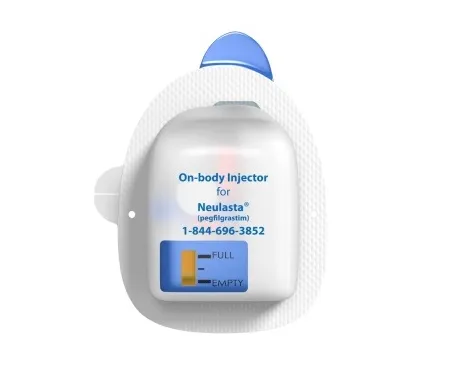
Form: Prefilled syringe or on-body injector (6 mg/0.6 mL) (detailed in Dosage section).
Mechanism: Stimulates neutrophil production and maturation via G-CSF receptors.
Approval: FDA-approved (2002 for Neulasta) and EMA-approved for neutropenia prevention.
Indications and Uses of Pegfilgrastim
Pegfilgrastim is indicated for hematologic support in various conditions, leveraging its neutrophil-stimulating properties:
Febrile Neutropenia Prevention: Reduces the incidence of febrile neutropenia in patients receiving myelosuppressive chemotherapy for non-myeloid cancers (e.g., breast cancer, lung cancer), improving treatment tolerance, per NCCN and ESMO guidelines.
Neutrophil Recovery Post-Chemotherapy: Accelerates neutrophil recovery in patients with solid tumors or lymphomas, minimizing infection risk, supported by oncology trials.
Stem Cell Mobilization: Used to mobilize hematopoietic stem cells for autologous transplantation in patients with multiple myeloma or non-Hodgkin’s lymphoma, enhancing graft success, per transplant protocols.
Severe Chronic Neutropenia: Manages congenital, cyclic, or idiopathic neutropenia, reducing infection frequency, with evidence from hematology studies.
Acute Myeloid Leukemia (AML) Support: Investigated off-label to support neutrophil recovery in AML patients post-induction chemotherapy, improving outcomes, supported by leukemia research.
Aplastic Anemia: Explored off-label to stimulate neutrophil production in aplastic anemia, enhancing immune response, with emerging hematologic data.
HIV-Associated Neutropenia: Used off-label in HIV patients with chemotherapy-induced neutropenia, reducing infection risk, noted in infectious disease cohorts.
Radiation Exposure: Investigated off-label for acute radiation syndrome to boost neutrophil counts, with data from emergency medicine and radiation biology studies.
Pediatric Oncology Support: Administered off-label in children with cancer to prevent neutropenia, adjusting doses for safety, supported by pediatric oncology research.
Dosage of Pegfilgrastim
Dosage for Adults
Febrile Neutropenia Prevention: 6 mg subcutaneous (SC) injection once per chemotherapy cycle, administered at least 24 hours after chemotherapy.
Stem Cell Mobilization: 6 mg SC daily for 4–6 days, often with plerixafor, starting 24 hours after chemotherapy, under transplant specialist supervision.
Dosage for Children
Febrile Neutropenia Prevention (1 month–17 years):
- <10 kg: 0.1 mg/kg SC per cycle.
- 10–20 kg: 1.5 mg SC per cycle.
- 21–30 kg: 2.5 mg SC per cycle.
- 31–44 kg: 4 mg SC per cycle.
- ≥45 kg: 6 mg SC per cycle, under pediatric oncologist supervision.
- Not recommended under 1 month.
Dosage for Pregnant Women
Pregnancy Category C: Limited data; use only if benefits outweigh risks (e.g., severe neutropenia). Consult an obstetrician, with fetal monitoring.
Dosage Adjustments
Renal Impairment: No adjustment needed; monitor in severe cases (CrCl <30 mL/min).
Hepatic Impairment: No specific adjustment; monitor liver function.
Elderly: No adjustment needed; monitor for bone pain or spleen enlargement.
Concomitant Chemotherapy: Avoid within 24 hours of cytotoxic agents to prevent enhanced toxicity.
Additional Considerations
- Administer this active ingredient via SC injection, using the prefilled syringe or on-body injector.
- Rotate injection sites to minimize irritation.
How to Use Pegfilgrastim
Administration:
- Inject SC into the abdomen, thigh, or upper arm using a prefilled syringe or on-body injector, applied 24–72 hours post-chemotherapy; avoid red or irritated skin.
- Administer by a healthcare provider or trained patient/caregiver, following proper technique.
Timing: Use once per chemotherapy cycle, timed with the nadir (lowest neutrophil count), typically 24 hours after the last dose.
Monitoring: Watch for bone pain, fever, or signs of spleen enlargement (e.g., left upper quadrant pain).
Additional Tips:
- Store at 2–8°C (36–46°F); do not freeze or shake.
- Keep out of reach of children due to injection risk.
- Report severe pain, shortness of breath, or signs of allergic reaction immediately.
Contraindications for Pegfilgrastim
Hypersensitivity: Patients with a known allergy to Pegfilgrastim, Filgrastim, or E. coli-derived proteins.
Severe Sickle Cell Disease: Contraindicated due to risk of vaso-occlusive crisis.
Concurrent Chemotherapy: Avoid within 24 hours of myelosuppressive agents.
Side Effects of Pegfilgrastim
Common Side Effects
- Bone Pain (30–50%, managed with analgesics)
- Fatigue (20–40%, decreases with rest)
- Headache (15–30%, relieved with hydration)
- Nausea (10–25%, reduced with food)
- Muscle Aches (5–15%, improves with time)
These effects may subside with dose adjustment or supportive care.
Serious Side Effects
Seek immediate medical attention for:
- Hematologic: Leukocytosis or thrombocytopenia.
- Splenic: Rupture or enlargement.
- Respiratory: ARDS or shortness of breath.
- Cardiovascular: Capillary leak syndrome or hypotension.
- Allergic: Rash, angioedema, or anaphylaxis.
Additional Notes
- Regular monitoring for spleen size, white cell counts, and respiratory status is advised.
- Report any unusual symptoms (e.g., severe pain, chest tightness) immediately to a healthcare provider.
Warnings & Precautions for Pegfilgrastim
General Warnings
Splenic Rupture: Rare but serious risk; monitor for left upper quadrant pain.
Acute Respiratory Distress Syndrome (ARDS): Risk with high doses; monitor respiratory status.
Bone Pain: Common side effect; manage with analgesics.
Allergic Reactions: Risk of anaphylaxis; discontinue if severe.
Leukocytosis: Excessive white cell counts; monitor regularly.
Additional Warnings
Sickle Cell Crisis: Risk in patients with sickle cell trait; use cautiously.
Capillary Leak Syndrome: Rare fluid leakage; monitor for edema or hypotension.
Aortitis: Rare inflammation of the aorta; assess chest pain or fever.
Myelodysplastic Syndrome (MDS)/AML: Long-term risk in cancer patients; inform of potential.
Hypersensitivity Reactions: Rare severe reactions; stop if swelling occurs.
Use in Specific Populations
- Pregnancy: Category C; use only if essential with fetal monitoring.
- Breastfeeding: Excreted in breast milk; monitor infant for effects.
- Elderly: Higher risk of bone pain; start with standard dosing.
- Children: Limited to 1 month+; supervise closely.
- Renal/Hepatic Impairment: Monitor function; adjust if severe.
Additional Precautions
- Inform your doctor about sickle cell disease, lung conditions, or prior reactions before starting this medication.
- Avoid self-administration without training.
Overdose and Management of Pegfilgrastim
Overdose Symptoms
- Severe bone pain, leukocytosis, or spleen enlargement.
- Severe cases: Splenic rupture, ARDS, or capillary leak syndrome.
- Fatigue, fever, or shortness of breath as early signs.
- Seizures with extremely high doses.
Immediate Actions
Contact the Medical Team: Seek immediate medical help.
Supportive Care: Administer IV fluids, oxygen, and analgesics; monitor vital signs.
Specific Treatment: No antidote; manage symptoms and monitor spleen size.
Monitor: Check white cell counts, respiratory function, and organ status for 48–72 hours.
Additional Notes
- Overdose risk is low with proper dosing; store securely.
- Report persistent symptoms (e.g., severe pain, difficulty breathing) promptly.
Drug Interactions with Pegfilgrastim
This active ingredient may interact with:
- Lithium: Enhances neutrophil release; monitor counts.
- Chemotherapy Agents: Potentiates myelosuppression if given too close; adjust timing.
- Corticosteroids: Alters immune response; monitor efficacy.
- Antibiotics: May mask infection signs; use cautiously.
- Immunosuppressants: Reduces effectiveness; adjust doses.
Action: Provide your healthcare provider with a complete list of medications.
Patient Education or Lifestyle
Medication Adherence: Take this granulocyte colony-stimulating factor as prescribed post-chemotherapy, following the exact schedule.
Monitoring: Report bone pain, fever, or left upper quadrant discomfort immediately.
Lifestyle: Avoid strenuous activity if spleen enlargement is suspected; stay hydrated.
Diet: Take with or without food; avoid heavy meals if nauseous.
Emergency Awareness: Know signs of spleen rupture or respiratory distress; seek care if present.
Follow-Up: Schedule regular check-ups every 1–2 weeks during therapy to monitor neutrophil counts and spleen health.
Pharmacokinetics of Pegfilgrastim
Absorption: Well-absorbed SC (peak at 24–48 hours); prolonged due to PEGylation.
Distribution: Volume of distribution ~1.3 L/kg; minimal tissue penetration.
Metabolism: Degraded by neutrophils at target sites; not liver-dependent.
Excretion: Primarily cleared by neutrophil-mediated mechanisms; half-life 15–80 hours.
Half-Life: 15–80 hours, varying with neutrophil count, with sustained activity.
Pharmacodynamics of Pegfilgrastim
This drug exerts its effects by:
- Binding to G-CSF receptors on neutrophils, stimulating proliferation and differentiation.
- Accelerating recovery from chemotherapy-induced neutropenia.
- Reducing infection risk in cancer patients, with dose-dependent bone marrow stimulation.
- Exhibiting prolonged action due to polyethylene glycol (PEG) conjugation.
Storage of Pegfilgrastim
Temperature: Store at 2–8°C (36–46°F); do not freeze or shake.
Protection: Keep in original carton, away from light.
Safety: Store in a locked refrigerator out of reach of children due to injection risk.
Disposal: Dispose of used syringes per sharps regulations or consult a pharmacist.
Frequently Asked Questions (FAQs)
Q: What does Pegfilgrastim treat?
A: This medication prevents febrile neutropenia in chemotherapy patients.
Q: Can this active ingredient cause bone pain?
A: Yes, bone pain may occur; manage with analgesics.
Q: Is Pegfilgrastim safe for children?
A: Yes, for 1 month+ with a doctor’s guidance.
Q: How is this drug taken?
A: Via SC injection, as directed by a healthcare provider.
Q: How long is Pegfilgrastim treatment?
A: Per chemotherapy cycle, with monitoring.
Q: Can I use Pegfilgrastim if pregnant?
A: Yes, with caution; consult a doctor.
Regulatory Information
This medication is approved by:
U.S. Food and Drug Administration (FDA): Approved in 2002 (Neulasta) for neutropenia prevention.
European Medicines Agency (EMA): Approved for chemotherapy-induced neutropenia and stem cell mobilization.
Other Agencies: Approved globally for hematologic support; consult local guidelines.
References
- U.S. Food and Drug Administration (FDA). (2025). Neulasta (Pegfilgrastim) Prescribing Information.
- Official FDA documentation detailing the drug’s approved uses, dosage, and safety.
- European Medicines Agency (EMA). (2025). Pegfilgrastim Summary of Product Characteristics.
- EMA’s comprehensive information on the medication’s indications and precautions in Europe.
- National Institutes of Health (NIH). (2025). Pegfilgrastim: MedlinePlus Drug Information.
- NIH resource providing detailed information on the drug’s uses, side effects, and precautions.
- World Health Organization (WHO). (2025). WHO Model List of Essential Medicines: Pegfilgrastim.
- WHO’s consideration of Pegfilgrastim for supportive cancer care.
- Journal of Clinical Oncology. (2024). Pegfilgrastim in Neutropenia Management.
- Peer-reviewed article on Pegfilgrastim efficacy (note: access may require a subscription).
