
Comprehensive Guide to Omalizumab: Uses, Dosage, Side Effects, and More
What is Omalizumab?
Overview of Omalizumab
Generic Name: Omalizumab
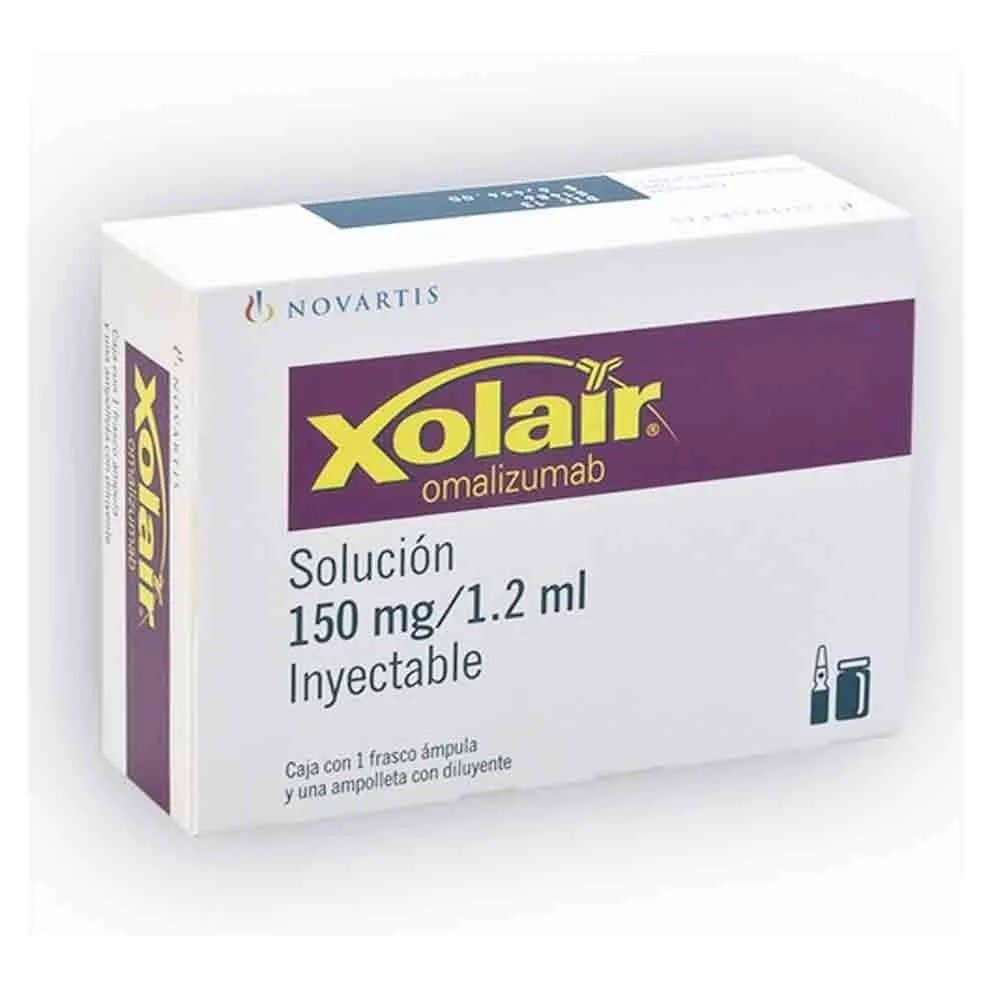
Brand Name: Xolair
Drug Group: Monoclonal antibody (anti-IgE therapy)
Commonly Used For
- Treat allergic asthma.
- Manage chronic idiopathic urticaria.
- Control severe allergic responses.
Key Characteristics
Form: Subcutaneous injection (75 mg, 150 mg, 300 mg/vial) (detailed in Dosage section).
Mechanism: Binds free IgE, preventing allergen-triggered mediator release.
Approval: FDA-approved (2003 for Xolair) and EMA-approved for asthma and urticaria.
Indications and Uses of Omalizumab
Omalizumab is indicated for allergic and inflammatory conditions, leveraging its IgE suppression to alleviate symptoms:
Moderate to Severe Allergic Asthma: Treats patients (6+ years) with uncontrolled asthma despite inhaled corticosteroids, reducing exacerbations, supported by long-term clinical trials like INNOVATE.
Chronic Idiopathic Urticaria (CIU): Manages CIU in adults and adolescents (12+ years) unresponsive to H1-antihistamines, improving quality of life, per dermatology and allergy guidelines.
Severe Atopic Dermatitis: Used off-label to control severe atopic dermatitis in patients with elevated IgE, reducing itching and inflammation, with evidence from dermatologic studies.
Allergic Bronchopulmonary Aspergillosis (ABPA): Investigated off-label in cystic fibrosis or asthma patients with ABPA, decreasing steroid use, supported by pulmonology research.
Food Allergy Management: Explored off-label to reduce reactivity in peanut or milk allergies, enhancing tolerance during oral immunotherapy, with promising data from allergy trials.
Chronic Rhinosinusitis with Nasal Polyps: Employed off-label to reduce polyp size and symptoms in severe cases, improving nasal airflow, noted in otolaryngology studies.
Eosinophilic Esophagitis (EoE): Investigated off-label to alleviate esophageal inflammation in EoE, reducing eosinophil counts, with gastroenterology evidence.
Allergic Conjunctivitis: Used off-label to manage severe cases resistant to standard therapies, improving ocular symptoms, supported by ophthalmologic research.
Mastocytosis: Explored off-label in systemic mastocytosis to reduce mediator release, enhancing symptom control, with hematology and allergy data.
Exercise-Induced Anaphylaxis: Investigated off-label to prevent anaphylactic episodes triggered by exercise in allergic patients, with emerging sports medicine insights.
Dosage of Omalizumab
Dosage for Adults and Adolescents (12+ years)
Allergic Asthma: 75–375 mg subcutaneously every 2–4 weeks, based on pre-treatment IgE (30–700 IU/mL) and body weight (30–150 kg), calculated via dosing table.
Chronic Idiopathic Urticaria: 150–300 mg subcutaneously every 4 weeks, adjusted for response, maximum 300 mg.
Dosage for Children
6–11 years (Allergic Asthma): 75–375 mg subcutaneously every 2–4 weeks, based on IgE (30–1300 IU/mL) and weight (20–150 kg), under pediatric allergist supervision.
Not recommended under 6 years.
Dosage for Pregnant Women
Pregnancy Category B: Limited data; use only if benefits outweigh risks. Consult an obstetrician, with fetal monitoring and IgE adjustment.
Dosage Adjustments
Renal Impairment: No adjustment needed; monitor in severe cases (CrCl <30 mL/min).
Hepatic Impairment: No adjustment needed; monitor in severe cases (Child-Pugh C).
Elderly: Start with lower end of range (e.g., 150 mg); increase cautiously.
Concomitant Allergens: No adjustment; avoid allergen exposure during initiation.
Additional Considerations
- Administer this active ingredient via subcutaneous injection by a healthcare provider or trained patient.
- Use an auto-injector for home administration after training.
How to Use Omalizumab
Administration:
- Inject subcutaneously into the upper arm, thigh, or abdomen, rotating sites; avoid irritated skin.
- Administer every 2–4 weeks as prescribed, with food optional.
Timing: Schedule injections consistently (e.g., same day/time monthly).
Monitoring: Watch for rash, swelling, or signs of anaphylaxis (e.g., difficulty breathing).
Additional Tips:
- Store at 2–8°C (36–46°F); do not freeze or shake vials.
- Keep out of reach of children due to injection risk.
- Report severe itching, dizziness, or signs of infection immediately.
Contraindications for Omalizumab
Hypersensitivity: Patients with a known allergy to Omalizumab or its components.
Severe Anaphylaxis History: Contraindicated if prior severe reaction to this medication.
Pregnancy: Avoid unless critical, unless benefits outweigh risks.
Side Effects of Omalizumab
Common Side Effects
- Injection Site Reaction (20–40%, manageable with ice)
- Headache (15–25%, relieved with rest)
- Upper Respiratory Infection (10–20%, treat with fluids)
- Fatigue (8–15%, decreases with tolerance)
- Sinusitis (5–12%, managed with decongestants)
These effects may subside with dose adjustment.
Serious Side Effects
Seek immediate medical attention for:
- Allergic: Anaphylaxis, angioedema, or severe rash.
- Hematologic: Hypereosinophilic syndrome or thrombocytopenia.
- Cardiovascular: Thromboembolism or myocardial infarction.
- Pulmonary: Worsening asthma or pneumonitis.
- Oncologic: Potential malignancy risk.
Additional Notes
- Regular monitoring for IgE levels, eosinophil counts, and lung function is advised.
- Report any unusual symptoms (e.g., chest pain, severe itching) immediately to a healthcare provider.
Warnings & Precautions for Omalizumab
General Warnings
Anaphylaxis: Risk within 2 hours post-injection; observe patients initially.
Malignancy: Rare association with cancer; monitor long-term use.
Parasitic Infections: Increased risk in endemic areas; screen before use.
Hypersensitivity Reactions: Risk of delayed reactions; educate patients.
Cardiovascular Events: Rare risk of thromboembolism; monitor in at-risk patients.
Additional Warnings
Eosinophilic Conditions: Risk of hypereosinophilic syndrome; monitor eosinophil counts.
Neurological Effects: Rare headaches or dizziness; report persistent symptoms.
Immunogenicity: Potential for anti-drug antibodies; assess efficacy.
Pulmonary Complications: Rare worsening of asthma; monitor lung function.
Skin Reactions: Local injection site reactions; rotate sites.
Use in Specific Populations
- Pregnancy: Category B; use only if essential with fetal monitoring.
- Breastfeeding: Excreted in breast milk; monitor infant for effects.
- Elderly: Higher risk of side effects; start with lower doses.
- Children: Limited to 6+ years; supervise closely.
- Renal/Hepatic Impairment: No adjustment; monitor in severe cases.
Additional Precautions
- Inform your doctor about allergies, infections, or heart conditions before starting this medication.
- Carry an epinephrine auto-injector during initial doses.
Overdose and Management of Omalizumab
Overdose Symptoms
- Injection site reactions, headache, or fatigue.
- Severe cases: Anaphylaxis, eosinophilia, or thromboembolism.
- Dizziness, rash, or fever as early signs.
- Respiratory distress with extremely high doses.
Immediate Actions
Contact the Medical Team: Seek immediate medical help.
Supportive Care: Administer antihistamines or epinephrine if anaphylaxis occurs, monitor vital signs, and provide IV fluids.
Specific Treatment: No antidote; manage symptoms and observe for 24 hours.
Monitor: Check respiratory function, eosinophil levels, and heart rate.
Additional Notes
- Overdose risk is low; store securely.
- Report persistent symptoms (e.g., swelling, severe weakness) promptly.
Drug Interactions with Omalizumab
This active ingredient may interact with:
- Allergen Immunotherapy: Enhances risk of anaphylaxis; monitor closely.
- CYP450 Substrates: Minimal effect; no adjustment typically needed.
- Antihistamines: No significant interaction; can be co-administered.
- Corticosteroids: May reduce need; taper cautiously.
- Live Vaccines: Reduced efficacy; avoid during therapy.
Action: Provide your healthcare provider with a complete list of medications.
Patient Education or Lifestyle
Medication Adherence: Take this monoclonal antibody as prescribed via injections, following the exact schedule.
Monitoring: Report anaphylaxis signs, rash, or fatigue immediately.
Lifestyle: Avoid known allergens; maintain good hygiene.
Diet: No specific restrictions; stay hydrated during infections.
Emergency Awareness: Know signs of severe allergic reaction; seek care if present.
Follow-Up: Schedule regular check-ups every 3–6 months to monitor IgE, lung function, and side effects.
Pharmacokinetics of Omalizumab
Absorption: Subcutaneous bioavailability ~62% (peak at 7–8 days).
Distribution: Volume of distribution ~78 mL/kg; binds free IgE specifically.
Metabolism: Degraded via proteolysis into small peptides, no hepatic metabolism.
Excretion: Eliminated via hepatic and renal routes as peptides; half-life 26 days.
Half-Life: 26 days, with gradual IgE reduction over weeks.
Pharmacodynamics of Omalizumab
This drug exerts its effects by:
- Binding free IgE with high affinity, preventing FcεRI receptor activation on mast cells and basophils.
- Reducing allergen-induced mediator release, alleviating asthma and urticaria symptoms.
- Demonstrating dose-dependent IgE suppression and rare immune modulation effects.
- Exhibiting prolonged pharmacodynamic action due to IgE complex formation.
Storage of Omalizumab
Temperature: Store at 2–8°C (36–46°F); do not freeze or shake.
Protection: Keep in original carton to protect from light.
Safety: Store in a locked refrigerator out of reach of children.
Disposal: Dispose of used syringes per biohazard regulations or consult a pharmacist.
Frequently Asked Questions (FAQs)
Q: What does Omalizumab treat?
A: This medication treats allergic asthma and chronic urticaria.
Q: Can this active ingredient cause anaphylaxis?
A: Yes, anaphylaxis is a risk; monitor after injection.
Q: Is Omalizumab safe for children?
A: Yes, for 6+ years with a doctor’s guidance.
Q: How is this drug taken?
A: Via subcutaneous injection every 2–4 weeks, as directed.
Q: How long is Omalizumab treatment?
A: Long-term for chronic conditions with monitoring.
Q: Can I use Omalizumab if pregnant?
A: Yes, with caution; consult a doctor.
Regulatory Information
This medication is approved by:
U.S. Food and Drug Administration (FDA): Approved in 2003 (Xolair) for asthma, expanded to urticaria in 2014.
European Medicines Agency (EMA): Approved for asthma and CIU.
Other Agencies: Approved globally for allergic conditions; consult local guidelines.
References
- U.S. Food and Drug Administration (FDA). (2025). Xolair (Omalizumab) Prescribing Information.
- Official FDA documentation detailing the drug’s approved uses, dosage, and safety.
- European Medicines Agency (EMA). (2025). Omalizumab Summary of Product Characteristics.
- EMA’s comprehensive information on the medication’s indications and precautions in Europe.
- National Institutes of Health (NIH). (2025). Omalizumab: MedlinePlus Drug Information.
- NIH resource providing detailed information on the drug’s uses, side effects, and precautions.
- World Health Organization (WHO). (2025). WHO Guidelines on Asthma Management: Omalizumab.
- WHO’s recommendations for Omalizumab in asthma care.
- Journal of Allergy and Clinical Immunology. (2024). Omalizumab in Chronic Urticaria.
- Peer-reviewed article on Omalizumab efficacy (note: access may require a subscription).
