
Comprehensive Guide to Nystatin: Uses, Dosage, Side Effects, and More
What is Nystatin?
Overview of Nystatin
Generic Name: Nystatin
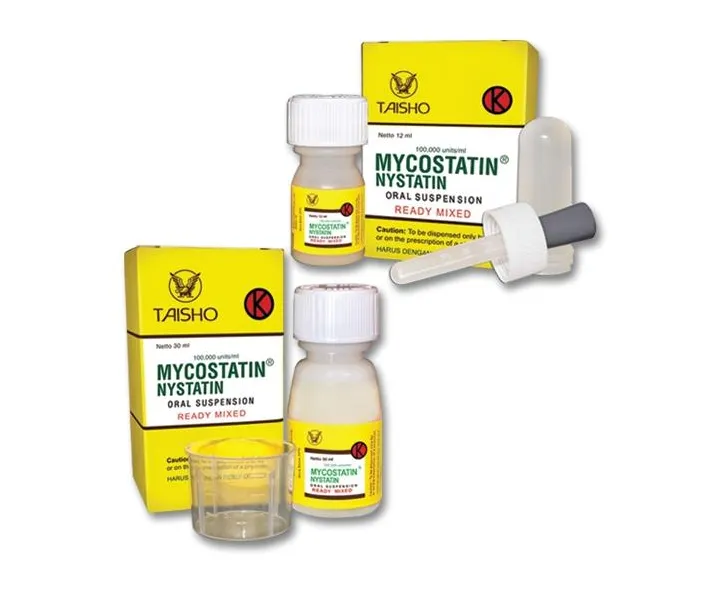
Brand Name: Mycostatin, Nilstat, generics
Drug Group: Polyene antifungal
Commonly Used For
- Treat oral thrush (candidiasis).
- Manage cutaneous candidiasis.
- Prevent fungal infections in immunocompromised patients.
Key Characteristics
Form: Topical cream/ointment (100,000 units/g), oral suspension (100,000 units/mL), tablets (500,000 units), and vaginal tablets (100,000 units) (detailed in Dosage section).
Mechanism: Binds to ergosterol in fungal cell membranes, causing leakage and cell death.
Approval: FDA-approved (1950s) and EMA-approved for fungal infections.
Indications and Uses of Nystatin
Nystatin is indicated for a variety of fungal infections, leveraging its targeted antifungal activity:
Oral Candidiasis (Thrush): Treats thrush in infants, adults, and immunocompromised patients (e.g., HIV, cancer), reducing white patches and discomfort, supported by pediatric and infectious disease guidelines.
Cutaneous Candidiasis: Manages skin infections (e.g., diaper rash, intertrigo), alleviating redness and itching, widely used in dermatology.
Vaginal Candidiasis: Treats yeast infections, reducing discharge and irritation, often as an adjunct to other therapies, per gynecologic protocols.
Intestinal Candidiasis: Used off-label to address gastrointestinal yeast overgrowth, improving symptoms in immunocompromised patients, with gastroenterology evidence.
Prevention in Immunosuppression: Employed off-label to prevent fungal infections in patients undergoing chemotherapy, organ transplantation, or with AIDS, reducing morbidity, supported by oncology studies.
Oropharyngeal Candidiasis in Denture Wearers: Manages chronic thrush in denture users, enhancing oral health, with data from dental research.
Neonatal Candidiasis: Treats systemic or cutaneous candidiasis in preterm infants, improving outcomes, under neonatal intensive care supervision.
Fungal Nail Infections: Investigated off-label for onychomycosis caused by Candida, with cautious use alongside other antifungals, noted in podiatry studies.
Chronic Mucocutaneous Candidiasis: Used off-label in rare genetic conditions causing persistent candidiasis, improving quality of life, supported by immunology research.
Dosage of Nystatin
Dosage for Adults
Oral Thrush:
- Suspension: 400,000–600,000 units (4–6 mL) swished and swallowed 4 times daily for 7–14 days.
- Tablets: 500,000–1,000,000 units 3 times daily for 14 days.
Cutaneous Candidiasis: Cream/Ointment: Apply to affected area 2–3 times daily for 2–4 weeks.
Vaginal Candidiasis: Vaginal tablets: 100,000 units inserted once daily at bedtime for 14 days.
Dosage for Children
Oral Thrush:
- Infants: 100,000–200,000 units (1–2 mL) suspension 4 times daily, swished and swallowed or dropped into mouth.
- Children: 400,000 units 4 times daily, adjusted by age/weight, under pediatric supervision.
Cutaneous Candidiasis: Apply cream/ointment 2–3 times daily for 2–4 weeks, tailored to lesion size.
Dosage for Pregnant Women
Pregnancy Category C: Safe for topical/vaginal use; use oral forms only if benefits outweigh risks. Consult an obstetrician, with fetal monitoring.
Dosage Adjustments
Renal Impairment: No adjustment needed; monitor in severe cases (CrCl <30 mL/min).
Hepatic Impairment: No adjustment needed; monitor liver function if systemic absorption occurs.
Elderly: Start with lower end of range (e.g., 200,000 units); increase if tolerated.
Concomitant Medications: Avoid with other antifungals unless directed, to prevent antagonism.
Additional Considerations
- Apply or administer this active ingredient as directed, ensuring contact with affected areas.
- Use a calibrated dropper for oral suspension in infants.
How to Use Nystatin
Administration:
Oral Suspension: Swish in mouth for several minutes and swallow, or drop into infant’s mouth using a dropper; avoid eating/drinking for 30 minutes.
Topical: Apply a thin layer to clean, dry skin, rubbing gently; cover if directed.
Vaginal: Insert tablet high into vagina at bedtime, using an applicator if provided.
Timing: Use 2–4 times daily, depending on form, maintaining consistency.
Monitoring: Watch for irritation, worsening rash, or signs of systemic reaction (e.g., fever).
Additional Tips:
- Store at 15–30°C (59–86°F), protecting from moisture and heat.
- Keep out of reach of children due to accidental ingestion risk.
- Report severe burning, swelling, or signs of allergic reaction immediately.
Contraindications for Nystatin
- Hypersensitivity: Patients with a known allergy to Nystatin or polyene antifungals.
- Intolerance to Components: Avoid if sensitive to inactive ingredients (e.g., propylene glycol in creams).
Side Effects of Nystatin
Common Side Effects
- Skin Irritation (5–15%, manageable with reduced frequency)
- Burning Sensation (3–10%, transient)
- Nausea (2–8%, with oral use, reduced with food)
- Diarrhea (1–5%, with oral overdose)
- Redness (1–4%, decreases with tolerance)
These effects may subside with proper application or dose adjustment.
Serious Side Effects
Seek immediate medical attention for:
- Allergic: Rash, itching, or anaphylaxis.
- Gastrointestinal: Severe nausea, vomiting, or abdominal pain.
- Systemic: Rare signs of absorption (e.g., dizziness, confusion).
- Dermatologic: Severe irritation or blistering.
- Infectious: Worsening infection despite use.
Additional Notes
- Regular monitoring for skin reactions and oral health is advised.
- Report any unusual symptoms (e.g., severe swelling, persistent diarrhea) immediately to a healthcare provider.
Warnings & Precautions for Nystatin
General Warnings
Skin Irritation: Risk of local burning or redness; discontinue if severe.
Systemic Absorption: Rare with topical use; monitor if applied to large areas or broken skin.
Resistance Development: Risk with prolonged use; limit to recommended duration.
Oral Overuse: May cause nausea if swallowed in excess; use as directed.
Allergic Reactions: Rare hypersensitivity; monitor for rash or swelling.
Additional Warnings
Diaper Rash Complications: Avoid occlusive dressings in infants; monitor for worsening.
Pregnancy Concerns: Limited systemic absorption; use cautiously with oral forms.
Elderly Skin Sensitivity: Higher risk of irritation; start with lower frequency.
Immunocompromised Patients: Monitor for breakthrough infections; combine with other agents if needed.
Hypersensitivity Reactions: Rare anaphylaxis; discontinue if swelling occurs.
Use in Specific Populations
- Pregnancy: Category C; safe topically/vaginally; oral use only if essential.
- Breastfeeding: Safe topically; avoid oral forms if nursing.
- Elderly: Higher risk of skin sensitivity; adjust application frequency.
- Children: Safe for all ages with appropriate dosing; supervise infants.
- Renal/Hepatic Impairment: No adjustment needed; monitor if systemic use occurs.
Additional Precautions
- Inform your doctor about skin conditions, allergies, or medication history before starting this medication.
- Avoid overuse; complete the full course to prevent resistance.
Overdose and Management of Nystatin
Overdose Symptoms
- Nausea, vomiting, or diarrhea (with oral forms).
- Severe cases: Gastrointestinal distress or rare systemic toxicity.
- Irritation or burning at application site (with topical forms).
- Drowsiness or lethargy with extremely high doses.
Immediate Actions
Contact the Medical Team: Seek immediate medical help.
Supportive Care: Administer IV fluids or gastric lavage if ingested in excess, monitor vital signs.
Specific Treatment: No antidote; manage symptoms and discontinue use.
Monitor: Check gastrointestinal function and skin condition for 24–48 hours.
Additional Notes
- Overdose risk is low with proper use; store securely.
- Report persistent symptoms (e.g., severe nausea, rash) promptly.
Drug Interactions with Nystatin
This active ingredient may interact with:
- Other Antifungals: Potential antagonism with azoles (e.g., fluconazole); use cautiously.
- Antacids: May reduce oral efficacy if taken simultaneously; space doses.
- Oral Medications: May bind to drugs in the gut (e.g., digoxin); monitor levels.
- Immunosuppressants: No significant interaction; monitor infection risk.
- Topical Steroids: Enhanced irritation risk; apply separately.
Action: Provide your healthcare provider with a complete list of medications.
Patient Education or Lifestyle
Medication Adherence: Use this antifungal as prescribed to treat fungal infections, following the exact schedule.
Monitoring: Report irritation, worsening rash, or gastrointestinal upset immediately.
Lifestyle: Keep skin dry and clean; avoid tight clothing in affected areas.
Diet: Take oral forms with food to reduce nausea; avoid sugary foods to prevent recurrence.
Emergency Awareness: Know signs of allergic reaction or systemic symptoms; seek care if present.
Follow-Up: Schedule regular check-ups every 1–2 weeks during treatment to monitor infection resolution and skin health.
Pharmacokinetics of Nystatin
Absorption: Poorly absorbed orally or topically (<5% systemic); acts locally in the gut or skin.
Distribution: Minimal systemic distribution; concentrated in fungal cell membranes.
Metabolism: Not significantly metabolized; excreted unchanged.
Excretion: Primarily fecal (via bile) for oral forms; negligible renal excretion; half-life not well-defined due to local action.
Half-Life: Not applicable systemically; local effect persists for hours.
Pharmacodynamics of Nystatin
This drug exerts its effects by:
- Binding to ergosterol in fungal cell membranes, forming pores and causing leakage.
- Exhibiting selective toxicity against Candida species, sparing human cells.
- Demonstrating concentration-dependent fungicidal activity.
- Showing limited efficacy against systemic infections due to poor absorption.
Storage of Nystatin
Temperature: Store at 15–30°C (59–86°F); protect from moisture and heat.
Protection: Keep in original container, away from light.
Safety: Store out of reach of children due to accidental ingestion risk.
Disposal: Dispose of unused portions per local regulations or consult a pharmacist.
Frequently Asked Questions (FAQs)
Q: What does Nystatin treat?
A: This medication treats fungal infections like thrush and skin candidiasis.
Q: Can this active ingredient cause irritation?
A: Yes, mild irritation may occur; report if severe.
Q: Is Nystatin safe for infants?
A: Yes, for oral thrush with a doctor’s guidance.
Q: How is this drug taken?
A: Orally, topically, or vaginally as directed, depending on form.
Q: How long is Nystatin treatment?
A: Typically 7–14 days, or as prescribed.
Q: Can I use Nystatin if pregnant?
A: Yes, topically/vaginally; consult a doctor for oral use.
Regulatory Information
This medication is approved by:
U.S. Food and Drug Administration (FDA): Approved in the 1950s for fungal infections.
European Medicines Agency (EMA): Approved for candidiasis and related conditions.
Other Agencies: Approved globally for antifungal therapy; consult local guidelines.
References
- U.S. Food and Drug Administration (FDA). (2023). Nystatin Prescribing Information.
- Official FDA documentation detailing the drug’s approved uses, dosage, and safety.
- European Medicines Agency (EMA). (2023). Nystatin Summary of Product Characteristics.
- EMA’s comprehensive information on the medication’s indications and precautions in Europe.
- National Institutes of Health (NIH). (2023). Nystatin: MedlinePlus Drug Information.
- NIH resource providing detailed information on the drug’s uses, side effects, and precautions.
- World Health Organization (WHO). (2023). WHO Model List of Essential Medicines: Nystatin.
- WHO’s inclusion of Nystatin for fungal infections.
- Journal of Antimicrobial Chemotherapy. (2022). Nystatin in Candidiasis Management.
- Peer-reviewed article on Nystatin efficacy (note: access may require a subscription).
