
Comprehensive Guide to Norfloxacin: Uses, Dosage, Side Effects, and More
What is Norfloxacin?
Overview of Norfloxacin
Generic Name: Norfloxacin
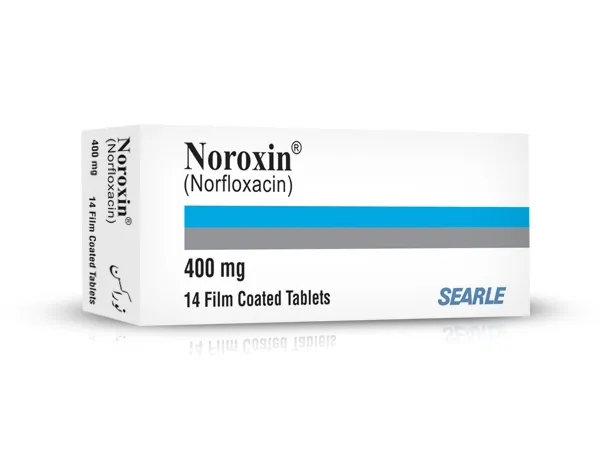
Brand Name: Noroxin, generics
Drug Group: Fluoroquinolone (antibiotic)
Commonly Used For
- Treat urinary tract infections (UTIs).
- Manage bacterial gastroenteritis.
- Address prostatitis.
Key Characteristics
Form: Oral tablets (400 mg) (detailed in Dosage section).
Mechanism: Inhibits bacterial DNA replication, leading to cell death.
Approval: FDA-approved (1986 for Noroxin) and EMA-approved for specific infections.
Indications and Uses of Norfloxacin
Norfloxacin is indicated for a range of bacterial infections, leveraging its bactericidal properties to combat susceptible pathogens:
Uncomplicated Urinary Tract Infections (UTIs): Treats cystitis caused by E. coli, Klebsiella pneumoniae, or Proteus mirabilis, reducing symptoms within 3–7 days, per urology and infectious disease guidelines.
Complicated Urinary Tract Infections: Manages pyelonephritis or UTIs in patients with structural abnormalities, improving outcomes when combined with hydration, supported by clinical trials.
Prostatitis: Treats bacterial prostatitis (acute or chronic) caused by E. coli or Enterococcus faecalis, alleviating pelvic pain and urinary symptoms, per urologic protocols.
Bacterial Gastroenteritis: Controls diarrhea from Shigella, Salmonella, or Campylobacter, reducing stool frequency, used cautiously to avoid resistance, supported by gastroenterology studies.
Traveler’s Diarrhea: Used off-label to manage acute traveler’s diarrhea caused by enterotoxigenic E. coli, shortening illness duration, with evidence from travel medicine research.
Chancroid: Treats chancroid caused by Haemophilus ducreyi, reducing genital ulcers, employed off-label under infectious disease supervision.
Osteomyelitis: Investigated off-label for chronic osteomyelitis caused by gram-negative bacilli, improving bone infection control, supported by orthopedic infectious disease data.
Intra-Abdominal Infections: Explored off-label as an adjunct in complicated intra-abdominal infections, enhancing bacterial clearance, with surgical and infectious disease input.
Respiratory Tract Infections: Used off-label for community-acquired pneumonia or bronchitis caused by Haemophilus influenzae, though less preferred due to resistance, noted in pulmonary medicine studies.
Prevention of Infections in Neutropenic Patients: Employed off-label to prevent bacterial infections in neutropenic cancer patients, reducing febrile episodes, supported by oncology research.
Dosage of Norfloxacin
Dosage for Adults
Uncomplicated Urinary Tract Infections: 400 mg orally twice daily for 3 days.
Complicated Urinary Tract Infections: 400 mg orally twice daily for 7–10 days.
Prostatitis: 400 mg orally twice daily for 28 days (chronic) or 14 days (acute).
Bacterial Gastroenteritis: 400 mg orally twice daily for 3–5 days.
Dosage for Children
Not Recommended: Use is generally avoided in patients under 18 years due to tendon rupture risk, except in life-threatening cases under pediatric infectious disease supervision.
Dosage for Pregnant Women
Pregnancy Category C: Avoid unless benefits outweigh risks (e.g., severe infection). Consult an obstetrician, with fetal monitoring.
Dosage Adjustments
Renal Impairment:
- Mild to moderate (CrCl 30–50 mL/min): 400 mg once daily.
- Severe (CrCl <30 mL/min): 400 mg initially, then 200 mg once daily.
Hepatic Impairment: No adjustment needed; monitor in severe cases.
Elderly: Start with 400 mg once daily; increase to twice daily if tolerated.
Concomitant Medications: Adjust if combined with antacids, iron, or dairy, which reduce absorption.
Additional Considerations
- Take this active ingredient on an empty stomach (1 hour before or 2 hours after meals), with a full glass of water.
- Avoid multivitamins or mineral supplements within 2 hours of dosing.
How to Use Norfloxacin
Administration:
- Swallow tablets whole with a full glass of water, avoiding dairy products, antacids, or iron supplements.
- Take at least 1 hour before or 2 hours after meals for optimal absorption.
Timing: Use twice daily (e.g., morning and evening) on an empty stomach, maintaining consistency.
Monitoring: Watch for tendon pain, rash, or signs of nerve damage (e.g., tingling).
Additional Tips:
- Store at 15–30°C (59–86°F), protecting from moisture and excessive heat.
- Keep out of reach of children due to toxicity risk.
- Report severe joint pain, dizziness, or signs of allergic reaction immediately.
Contraindications for Norfloxacin
Hypersensitivity: Patients with a known allergy to Norfloxacin or other fluoroquinolones.
Tendon Disorders: Contraindicated in patients with a history of tendon rupture or tendinitis.
Myasthenia Gravis: Avoid due to risk of worsening muscle weakness.
Pregnancy and Lactation: Contraindicated unless life-saving.
Side Effects of Norfloxacin
Common Side Effects
- Nausea (5–10%, manageable with food avoidance)
- Headache (3–8%, relieved with rest)
- Dizziness (2–7%, decreases with tolerance)
- Diarrhea (2–6%, transient)
- Insomnia (1–5%, improved with sleep hygiene)
These effects may subside with dose adjustment.
Serious Side Effects
Seek immediate medical attention for:
- Musculoskeletal: Tendon rupture, arthralgia, or myalgia.
- Neurological: Peripheral neuropathy, seizures, or confusion.
- Cardiac: QT prolongation or torsades de pointes.
- Gastrointestinal: C. difficile infection or severe diarrhea.
- Allergic: Rash, angioedema, or anaphylaxis.
Additional Notes
- Regular monitoring for tendon health, kidney function, and ECG is advised.
- Report any unusual symptoms (e.g., joint pain, severe headache) immediately to a healthcare provider.
Warnings & Precautions for Norfloxacin
General Warnings
Tendon Rupture: Risk of Achilles or other tendon injuries, especially in the elderly or with corticosteroids; discontinue if pain occurs.
Peripheral Neuropathy: Risk of nerve damage; monitor for numbness or tingling.
Antibiotic Resistance: Overuse may lead to resistant bacteria; use only when necessary.
QT Prolongation: Risk of arrhythmias; avoid in patients with known QT issues.
Photosensitivity: Increased risk of sunburn; use sun protection.
Additional Warnings
Central Nervous System Effects: May cause dizziness, confusion, or seizures; avoid driving if affected.
Hypoglycemia: Risk in diabetic patients on oral hypoglycemics; monitor blood sugar.
Aortic Aneurysm: Rare risk of dissection; screen high-risk patients.
Clostridium difficile Infection: Risk of severe diarrhea; monitor stool changes.
Hypersensitivity Reactions: Rare anaphylaxis; discontinue if swelling occurs.
Use in Specific Populations
- Pregnancy: Category C; avoid unless critical; use alternatives if possible.
- Breastfeeding: Excreted in breast milk; avoid to protect infants.
- Elderly: Higher risk of tendon and CNS effects; start with lower doses.
- Children: Avoid under 18 years unless life-threatening.
- Renal/Hepatic Impairment: Adjust dose; monitor closely in severe cases.
Additional Precautions
- Inform your doctor about tendon issues, diabetes, or medication history before starting this medication.
- Avoid prolonged sun exposure and discontinue if tendon pain develops.
Overdose and Management of Norfloxacin
Overdose Symptoms
- Nausea, vomiting, or dizziness.
- Severe cases: Seizures, renal failure, or QT prolongation.
- Headache, confusion, or tremor as early signs.
- Cardiac arrest with extremely high doses.
Immediate Actions
Contact the Medical Team: Seek immediate medical help.
Supportive Care: Administer activated charcoal if ingested recently, monitor vital signs, and provide IV fluids.
Specific Treatment: Manage seizures with benzodiazepines, correct electrolytes, and monitor ECG; no specific antidote.
Monitor: Check kidney function, heart rhythm, and neurological status for 24–48 hours.
Additional Notes
- Overdose risk is moderate; store securely.
- Report persistent symptoms (e.g., severe weakness, irregular heartbeat) promptly.
Drug Interactions with Norfloxacin
This active ingredient may interact with:
- Antacids/Iron/Dairy: Reduces absorption; separate by 2 hours.
- Warfarin: Increases bleeding risk; monitor INR.
- Theophylline: Elevates levels, risking toxicity; adjust dose.
- NSAIDs: Enhances CNS effects; use cautiously.
- Diabetes Medications: Alters glucose control; monitor blood sugar.
Action: Provide your healthcare provider with a complete list of medications.
Patient Education or Lifestyle
Medication Adherence: Take this fluoroquinolone as prescribed to manage infections, following the exact schedule.
Monitoring: Report tendon pain, dizziness, or rash immediately.
Lifestyle: Avoid sun exposure; stay hydrated.
Diet: Take on an empty stomach; avoid dairy or calcium-rich foods during dosing.
Emergency Awareness: Know signs of tendon rupture or allergic reaction; seek care if present.
Follow-Up: Schedule regular check-ups every 1–2 weeks during therapy to monitor kidney function and side effects.
Pharmacokinetics of Norfloxacin
Absorption: Well-absorbed orally (peak at 1–2 hours); reduced by food or divalent cations.
Distribution: Volume of distribution ~2.5 L/kg; 10–15% protein-bound.
Metabolism: Minimal hepatic metabolism; primarily excreted unchanged.
Excretion: Primarily renal (70–80%) as unchanged drug; half-life 3–4 hours.
Half-Life: 3–4 hours, with prolonged effects in renal impairment.
Pharmacodynamics of Norfloxacin
This drug exerts its effects by:
- Inhibiting bacterial DNA gyrase and topoisomerase IV, halting DNA replication.
- Exhibiting concentration-dependent bactericidal activity against gram-negative bacilli.
- Demonstrating broad-spectrum coverage with potential for resistance development.
- Showing dose-dependent risks of tendon and CNS toxicity.
Storage of Norfloxacin
Temperature: Store at 15–30°C (59–86°F); protect from moisture.
Protection: Keep in original container, away from light.
Safety: Store in a locked container out of reach of children due to toxicity risk.
Disposal: Dispose of unused tablets per local regulations or consult a pharmacist.
Frequently Asked Questions (FAQs)
Q: What does Norfloxacin treat?
A: This medication treats UTIs and bacterial gastroenteritis.
Q: Can this active ingredient cause tendon issues?
A: Yes, tendon rupture may occur; stop if pain develops.
Q: Is Norfloxacin safe for children?
A: No, avoid under 18 years unless critical.
Q: How is this drug taken?
A: Orally as tablets twice daily on an empty stomach, as directed.
Q: How long is Norfloxacin treatment?
A: 3–28 days, depending on infection type.
Q: Can I use Norfloxacin if pregnant?
A: No, avoid unless life-saving; consult a doctor.
Regulatory Information
This medication is approved by:
U.S. Food and Drug Administration (FDA): Approved in 1986 (Noroxin) for UTIs and prostatitis.
European Medicines Agency (EMA): Approved for bacterial infections.
Other Agencies: Approved globally for infections; consult local guidelines.
References
- U.S. Food and Drug Administration (FDA). (2023). Noroxin (Norfloxacin) Prescribing Information.
- Official FDA documentation detailing the drug’s approved uses, dosage, and safety.
- European Medicines Agency (EMA). (2023). Norfloxacin Summary of Product Characteristics.
- EMA’s comprehensive information on the medication’s indications and precautions in Europe.
- National Institutes of Health (NIH). (2023). Norfloxacin: MedlinePlus Drug Information.
- NIH resource providing detailed information on the drug’s uses, side effects, and precautions.
- World Health Organization (WHO). (2023). WHO Model List of Essential Medicines: Norfloxacin.
- WHO’s consideration of Norfloxacin for bacterial infections.
- Clinical Infectious Diseases. (2022). Norfloxacin in UTI Management.
- Peer-reviewed article on Norfloxacin efficacy (note: access may require a subscription).
