
Comprehensive Guide to Nivolumab: Uses, Dosage, Side Effects, and More
What is Nivolumab?
Overview of Nivolumab
Generic Name: Nivolumab
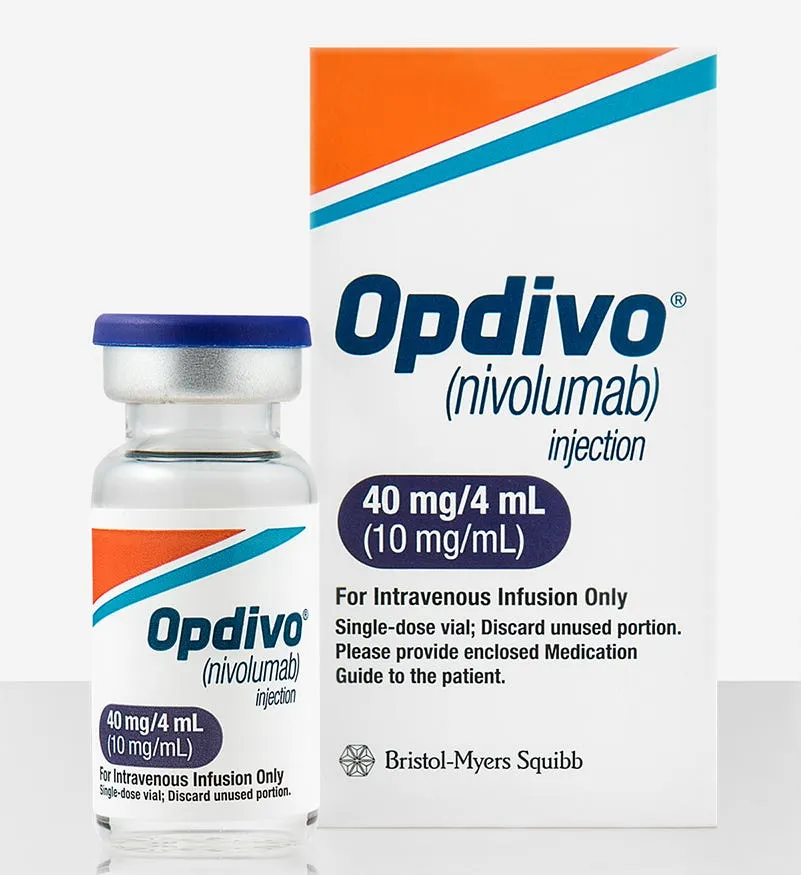
Brand Name: Opdivo, generics
Drug Group: Immune checkpoint inhibitor (monoclonal antibody, antineoplastic)
Commonly Used For
- Treat advanced melanoma.
- Manage lung cancer.
- Control renal cell carcinoma.
Key Characteristics
Form: Intravenous infusion (10 mg/mL concentrate, 100 mg/10 mL or 240 mg/24 mL vials) (detailed in Dosage section).
Mechanism: Blocks PD-1/PD-L1 interaction, activating T-cell-mediated tumor destruction.
Approval: FDA-approved (2014 for Opdivo) and EMA-approved for multiple cancers.
Indications and Uses of Nivolumab
Nivolumab is indicated for a broad spectrum of cancers, harnessing its immunomodulatory effects to target malignant cells:
Advanced Melanoma: Treats unresectable or metastatic melanoma, including BRAF-mutated cases, often as a single agent or with ipilimumab, improving survival rates, per oncology guidelines.
Non-Small Cell Lung Cancer (NSCLC): Manages metastatic NSCLC with PD-L1 expression ≥1%, used as first-line monotherapy or with chemotherapy, supported by clinical trials like CheckMate 017 and 057.
Renal Cell Carcinoma (RCC): Treats advanced RCC, including clear cell histology, often combined with cabozantinib or ipilimumab, enhancing progression-free survival, per urologic oncology protocols.
Hodgkin Lymphoma: Used in relapsed or refractory classical Hodgkin lymphoma after autologous stem cell transplant, improving response rates, supported by hematology studies.
Head and Neck Squamous Cell Carcinoma (HNSCC): Manages recurrent or metastatic HNSCC with disease progression on platinum-based therapy, boosting outcomes, per head and neck cancer guidelines.
Urothelial Carcinoma: Treats locally advanced or metastatic urothelial carcinoma post-platinum therapy, with evidence from bladder cancer trials.
Hepatocellular Carcinoma (HCC): Employed in advanced HCC after sorafenib failure, improving survival, supported by hepatology and oncology research.
Colorectal Cancer (MSI-H/dMMR): Used off-label for microsatellite instability-high (MSI-H) or mismatch repair deficient (dMMR) colorectal cancer, with promising data from immunotherapy studies.
Gastric Cancer: Investigated off-label for advanced gastric or gastroesophageal junction cancer, enhancing response when combined with chemotherapy, noted in gastrointestinal oncology research.
Triple-Negative Breast Cancer (TNBC): Explored off-label in PD-L1-positive TNBC, improving pathological complete response rates in neoadjuvant settings, with emerging data from breast cancer trials.
Merkel Cell Carcinoma: Managed off-label for advanced Merkel cell carcinoma, reducing tumor burden, supported by dermatologic oncology evidence.
Dosage of Nivolumab
Dosage for Adults
Melanoma (Monotherapy): 240 mg IV every 2 weeks or 480 mg IV every 4 weeks, over 30 minutes, until disease progression or unacceptable toxicity.
Melanoma (with Ipilimumab): 1 mg/kg IV every 3 weeks for 4 doses, followed by 240 mg every 2 weeks or 480 mg every 4 weeks.
NSCLC, RCC, HNSCC, Urothelial Carcinoma, HCC: 240 mg IV every 2 weeks or 480 mg IV every 4 weeks, adjusted for combination therapies (e.g., with ipilimumab or cabozantinib).
Hodgkin Lymphoma: 240 mg IV every 2 weeks or 480 mg IV every 4 weeks, post-transplant.
Dosage for Children
Not Established: Limited data; use only in clinical trials or under pediatric oncologist supervision for specific indications (e.g., Hodgkin lymphoma).
Dosage for Pregnant Women
Pregnancy Category D: Avoid unless benefits outweigh risks (e.g., life-threatening cancer). Consult an obstetrician, with fetal monitoring and contraception advised.
Dosage Adjustments
Renal Impairment: No adjustment needed; monitor in severe cases (CrCl <30 mL/min).
Hepatic Impairment: No adjustment for mild/moderate (Child-Pugh A/B); avoid in severe (Child-Pugh C).
Elderly: No specific adjustment; monitor for toxicity.
Immune-Related Adverse Events: Interrupt or discontinue based on severity (e.g., Grade 3 colitis requires holding dose, Grade 4 requires permanent discontinuation).
Additional Considerations
- Administer this active ingredient via IV infusion over 30–60 minutes by a healthcare provider.
- Premedicate with antihistamines or corticosteroids if prior infusion reactions occur.
How to Use Nivolumab
Administration:
- Dilute in 0.9% sodium chloride or 5% dextrose, infuse IV over 30–60 minutes; avoid rapid injection.
- Administer in a controlled setting with access to emergency equipment.
Timing: Use every 2 or 4 weeks as scheduled, depending on regimen, maintaining consistency.
Monitoring: Watch for fatigue, rash, or signs of immune-related toxicity (e.g., diarrhea).
Additional Tips:
- Store at 2–8°C (36–46°F); protect from light.
- Handle with gloves; dispose of waste per hazardous drug protocols.
- Report severe shortness of breath, swelling, or signs of infection immediately.
Contraindications for Nivolumab
Hypersensitivity: Patients with a known allergy to Nivolumab or its components.
Active Severe Autoimmune Disease: Contraindicated due to exacerbation risk (e.g., myasthenia gravis).
Severe Immunodeficiency: Avoid in patients with active organ transplants requiring immunosuppression.
Side Effects of Nivolumab
Common Side Effects
- Fatigue (30–50%, managed with rest)
- Rash (20–40%, monitor for severity)
- Diarrhea (15–30%, reduced with hydration)
- Nausea (10–25%, relieved with antiemetics)
- Decreased Appetite (10–20%, improved with nutrition support)
These effects may subside with dose adjustment or supportive care.
Serious Side Effects
Seek immediate medical attention for:
- Immune-Related: Colitis, hepatitis, pneumonitis, or endocrinopathies (e.g., adrenal insufficiency).
- Pulmonary: Severe pneumonitis or interstitial lung disease.
- Hepatic: Hepatotoxicity or liver failure.
- Neurological: Encephalitis or peripheral neuropathy.
- Allergic: Rash, angioedema, or anaphylaxis.
Additional Notes
- Regular monitoring for immune function, liver enzymes, and respiratory status is advised.
- Report any unusual symptoms (e.g., persistent cough, yellowing skin) immediately to a healthcare provider.
Warnings & Precautions for Nivolumab
General Warnings
Immune-Related Adverse Events (irAEs): Risk of colitis, hepatitis, pneumonitis, and endocrinopathies (e.g., hypophysitis); monitor regularly.
Infusion Reactions: Risk of anaphylaxis or cytokine release syndrome; premedicate if needed.
Organ Transplant Rejection: Increased risk in prior transplant patients; avoid unless benefits outweigh risks.
Infections: Higher susceptibility due to immune activation; prophylaxis may be required.
Tumor Lysis Syndrome: Rare risk in high tumor burden; monitor electrolytes.
Additional Warnings
Neurological Toxicity: Rare encephalitis or Guillain-Barré syndrome; assess neurological status.
Cardiotoxicity: Rare myocarditis; monitor ECG and troponin levels.
Skin Reactions: Severe rash or vitiligo; dermatologic evaluation needed.
Renal Toxicity: Rare nephritis; monitor creatinine.
Hypersensitivity Reactions: Rare anaphylaxis; discontinue if swelling occurs.
Use in Specific Populations
- Pregnancy: Category D; avoid unless critical; use contraception.
- Breastfeeding: Avoid due to potential toxicity; monitor infant.
- Elderly: Higher risk of irAEs; start with standard dosing but monitor closely.
- Children: Limited data; use only in trials or specific cases.
- Renal/Hepatic Impairment: Adjust monitoring; avoid in severe cases.
Additional Precautions
- Inform your doctor about autoimmune conditions, prior transplants, or medication history before starting this medication.
- Avoid live vaccines during therapy.
Overdose and Management of Nivolumab
Overdose Symptoms
- Fatigue, rash, or diarrhea.
- Severe cases: Cytokine release syndrome, organ inflammation, or multi-organ failure.
- Fever, confusion, or shortness of breath as early signs.
- Cardiac arrest with extremely high doses.
Immediate Actions
Contact the Medical Team: Seek immediate medical help.
Supportive Care: Administer IV fluids, corticosteroids for irAEs, and monitor vital signs.
Specific Treatment: No antidote; manage symptoms and suppress immune response if needed.
Monitor: Check organ function (liver, kidney, lung) and immune markers for 7–14 days.
Additional Notes
- Overdose risk is low with controlled dosing; store securely.
- Report persistent symptoms (e.g., severe weakness, jaundice) promptly.
Drug Interactions with Nivolumab
This active ingredient may interact with:
- Immunosuppressants: Reduces efficacy (e.g., corticosteroids); use only for irAEs.
- Live Vaccines: Increases infection risk; avoid.
- CYP3A4 Substrates: Minimal effect; monitor if combined.
- Anticoagulants: Rare bleeding risk with irAEs; monitor INR.
- Other Immunotherapies: Enhances toxicity (e.g., with ipilimumab); adjust dosing.
Action: Provide your healthcare provider with a complete list of medications.
Patient Education or Lifestyle
Medication Adherence: Take this immune checkpoint inhibitor as prescribed in immunotherapy cycles, following the exact schedule.
Monitoring: Report fatigue, rash, or changes in bowel habits immediately.
Lifestyle: Avoid sun exposure; maintain a nutrient-rich diet.
Diet: Take with hydration support; avoid irritants during diarrhea.
Emergency Awareness: Know signs of immune overreaction or organ inflammation; seek care if present.
Follow-Up: Schedule regular check-ups every 4–6 weeks to monitor tumor response, immune function, and organ health.
Pharmacokinetics of Nivolumab
Absorption: Administered IV (peak not applicable); steady-state reached by 12 weeks.
Distribution: Volume of distribution ~8 L; 6–11% protein-bound.
Metabolism: Degraded via proteolytic pathways, not CYP enzymes, to small peptides.
Excretion: Minimal renal or hepatic clearance; half-life 26.7 days.
Half-Life: 26.7 days, with sustained immune activation.
Pharmacodynamics of Nivolumab
This drug exerts its effects by:
- Binding PD-1 on T-cells, preventing PD-L1/PD-L2 inhibition, enhancing anti-tumor immunity.
- Promoting cytotoxic T-cell activity against cancer cells across multiple histologies.
- Demonstrating durable responses with potential long-term remission.
- Exhibiting dose-independent immune-related toxicity risks.
Storage of Nivolumab
Temperature: Store at 2–8°C (36–46°F); protect from light.
Protection: Keep in original carton, away from heat.
Safety: Store in a locked refrigerator out of reach of children due to toxicity risk.
Disposal: Dispose of unused vials per hazardous drug regulations or consult a pharmacist.
Frequently Asked Questions (FAQs)
Q: What does Nivolumab treat?
A: This medication treats cancers like melanoma and lung cancer.
Q: Can this active ingredient cause rash?
A: Yes, rash may occur; report if severe.
Q: Is Nivolumab safe for children?
A: Limited data; use only under specialist supervision.
Q: How is this drug taken?
A: Via IV infusion every 2–4 weeks, as directed.
Q: How long is Nivolumab treatment?
A: Varies by cancer, often until progression or toxicity.
Q: Can I use Nivolumab if pregnant?
A: No, avoid unless life-saving; consult a doctor.
Regulatory Information
This medication is approved by:
U.S. Food and Drug Administration (FDA): Approved in 2014 (Opdivo) for melanoma, with expansions for NSCLC, RCC, and others.
European Medicines Agency (EMA): Approved for multiple cancer indications.
Other Agencies: Approved globally for oncology; consult local guidelines.
References
- U.S. Food and Drug Administration (FDA). (2025). Opdivo (Nivolumab) Prescribing Information.
- Official FDA documentation detailing the drug’s approved uses, dosage, and safety.
- European Medicines Agency (EMA). (2025). Nivolumab Summary of Product Characteristics.
- EMA’s comprehensive information on the medication’s indications and precautions in Europe.
- National Institutes of Health (NIH). (2025). Nivolumab: MedlinePlus Drug Information.
- NIH resource providing detailed information on the drug’s uses, side effects, and precautions.
- World Health Organization (WHO). (2025). WHO Guidelines on Cancer Immunotherapy: Nivolumab.
- WHO’s recommendations for Nivolumab in cancer care.
- New England Journal of Medicine. (2024). Nivolumab in Advanced NSCLC.
- Peer-reviewed article on Nivolumab efficacy (note: access may require a subscription).
