
Comprehensive Guide to Neomycin: Uses, Dosage, Side Effects, and More
What is Neomycin?
Overview of Neomycin
Generic Name: Neomycin
Brand Name: Neo-Fradin, generics (topical forms include Neosporin)
Drug Group: Aminoglycoside antibiotic
Commonly Used For
- Treat bacterial infections.
- Prevent infection in wounds or burns (topical).
- Reduce ammonia-producing bacteria in hepatic encephalopathy (oral).
Key Characteristics
Form: Oral tablets (500 mg), topical ointment/cream (with polymyxin B, bacitracin), or solution for irrigation (detailed in Dosage section).
Mechanism: Binds to the 30S ribosomal subunit, disrupting bacterial protein synthesis.
Approval: FDA-approved (1950s) and EMA-approved for various indications.
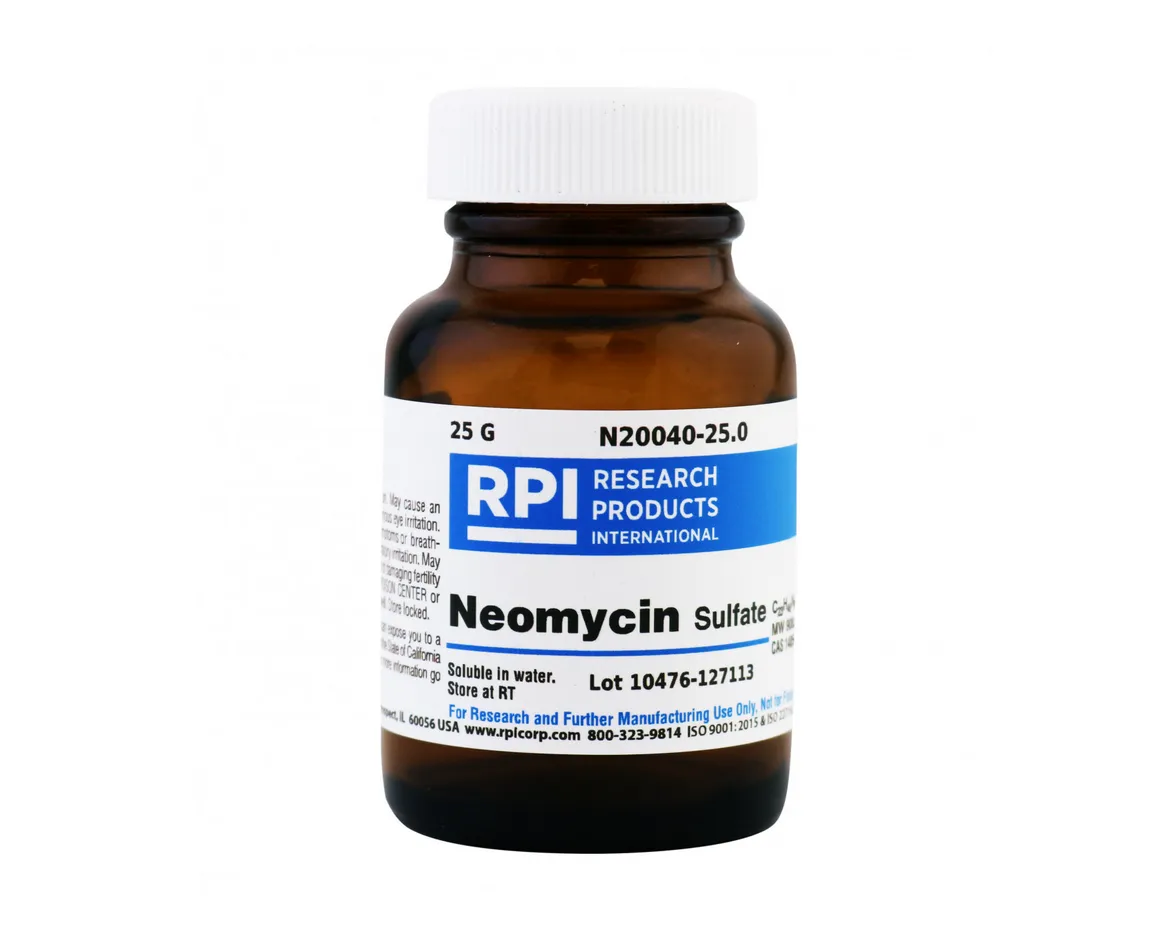
Indications and Uses of Neomycin
Neomycin is indicated for a range of bacterial infections and supportive therapies, leveraging its antimicrobial properties:
Hepatic Encephalopathy: Reduces ammonia levels in the gut by suppressing urease-producing bacteria, improving mental status in liver disease patients, per hepatology guidelines.
Pre-Surgical Bowel Preparation: Used orally to sterilize the bowel before colorectal surgery, minimizing postoperative infections, supported by surgical protocols.
Topical Infections: Treats minor skin infections, burns, and wounds (e.g., impetigo, abrasions) when combined with other agents like polymyxin B, enhancing wound healing, per dermatology standards.
Ophthalmic Infections: Manages bacterial conjunctivitis or keratitis when formulated as eye drops, reducing inflammation, under ophthalmologic care.
Otitis Externa: Applied off-label as ear drops to treat outer ear infections caused by susceptible bacteria, improving ear health, with otolaryngology evidence.
Diarrhea from Enteropathogenic E. coli: Used off-label orally to control severe diarrhea in infants and children, reducing morbidity, supported by pediatric infectious disease studies.
Chronic Ulcerative Colitis: Investigated off-label to manage bacterial overgrowth in ulcerative colitis, alleviating symptoms, with gastroenterology research.
Prophylaxis in Immunocompromised Patients: Employed off-label to prevent bacterial translocation in neutropenic patients, enhancing infection control, per oncology guidelines.
Veterinary Medicine Support: Used off-label in animals (e.g., dogs, cats) for skin or gastrointestinal infections, with veterinary pharmacology data, though human use is prioritized here.
Dosage of Neomycin
Dosage for Adults
Hepatic Encephalopathy (Oral): 1–3 grams daily in divided doses (e.g., 500 mg every 6–8 hours) for 5–7 days, with dietary protein restriction.
Pre-Surgical Bowel Preparation (Oral): 1 gram every hour for 4 hours, then 1 gram every 4 hours for 24–72 hours, often with erythromycin.
Topical Use: Apply a thin layer of ointment/cream (e.g., Neosporin) to affected area 1–3 times daily for up to 7 days.
Dosage for Children
Hepatic Encephalopathy (Oral): 50–100 mg/kg daily in divided doses (e.g., 25–50 mg/kg every 6–8 hours) for 5–7 days, under pediatric supervision.
Not recommended under 1 year unless critical.
Topical Use: Apply a small amount to affected area 1–3 times daily, adjusted for age, under pediatric dermatologist guidance.
Dosage for Pregnant Women
Pregnancy Category D: Avoid systemic use unless benefits outweigh risks (e.g., life-threatening infection). Consult an obstetrician, with fetal monitoring; topical use is safer.
Dosage Adjustments
Renal Impairment: Reduce dose or extend interval if CrCl <50 mL/min; monitor serum levels in systemic use.
Hepatic Impairment: No adjustment needed for topical use; use caution with oral doses in severe liver disease.
Elderly: Start with lower end of range (e.g., 500 mg every 8 hours); increase cautiously.
Concomitant Medications: Adjust if combined with other nephrotoxic drugs (e.g., vancomycin), increasing toxicity risk.
Additional Considerations
- Take this active ingredient orally with water, or apply topically as directed; avoid systemic overuse.
- Monitor renal function and hearing during prolonged use.
How to Use Neomycin
Administration:
Oral: Swallow tablets with a full glass of water, preferably on an empty stomach; avoid crushing.
Topical: Clean and dry the affected area, apply a thin layer of ointment/cream, and cover if instructed.
Irrigation: Use solution as directed by a healthcare provider for specific procedures.
Timing: Use as prescribed (e.g., every 6–8 hours for oral, 1–3 times daily for topical), maintaining consistency.
Monitoring: Watch for hearing changes, rash, or signs of kidney issues (e.g., reduced urine output).
Additional Tips:
- Store at 15–30°C (59–86°F), protecting from moisture (oral) or heat (topical).
- Keep out of reach of children due to toxicity risk.
- Report severe dizziness, hearing loss, or signs of allergic reaction immediately.
Contraindications for Neomycin
Hypersensitivity: Patients with a known allergy to Neomycin or other aminoglycosides.
Severe Renal Impairment: Contraindicated if CrCl <10 mL/min due to accumulation risk.
Preexisting Hearing Loss: Avoid due to ototoxicity risk.
Myasthenia Gravis: Contraindicated due to neuromuscular blockade potential.
Side Effects of Neomycin
Common Side Effects
- Diarrhea (10–20%, transient with oral use)
- Nausea (5–15%, manageable with food)
- Rash (5–10%, monitor for severity with topical use)
- Hearing Loss (2–8%, reversible if caught early)
- Itching (2–6%, reduced with proper application)
These effects may subside with dose adjustment or discontinuation.
Serious Side Effects
Seek immediate medical attention for:
- Otologic: Permanent hearing loss or tinnitus.
- Renal: Acute kidney injury or proteinuria.
- Neuromuscular: Weakness, paralysis, or respiratory distress.
- Allergic: Anaphylaxis, angioedema, or severe dermatitis.
- Gastrointestinal: Severe diarrhea or pseudomembranous colitis.
Additional Notes
- Regular monitoring for renal function, hearing, and skin reactions is advised.
- Report any unusual symptoms (e.g., hearing changes, swelling) immediately to a healthcare provider.
Warnings & Precautions for Neomycin
General Warnings
Ototoxicity: Risk of hearing loss or tinnitus, especially with prolonged use; monitor auditory function.
Nephrotoxicity: Risk of kidney damage; check renal function regularly.
Neuromuscular Blockade: Rare paralysis risk in patients with neuromuscular disorders; use cautiously.
Superinfection: Risk of resistant bacteria or fungi; monitor for secondary infections.
Allergic Reactions: Contact dermatitis with topical use; discontinue if severe.
Additional Warnings
Electrolyte Imbalance: May cause hypomagnesemia or hypocalcemia; monitor levels.
Hepatotoxicity: Rare liver enzyme elevation with oral use; assess liver function.
Photosensitivity: Increased skin reaction to sunlight with topical use; use protection.
Anaphylaxis: Rare systemic reaction; discontinue if swelling occurs.
Bone Marrow Suppression: Rare with systemic use; monitor blood counts.
Use in Specific Populations
Pregnancy: Category D; avoid systemic use unless critical; topical use with caution.
Breastfeeding: Excreted in breast milk; monitor infant for effects.
Elderly: Higher risk of toxicity; start with lower doses.
Children: Limited to 1 year+ for oral use; supervise closely.
Renal/Hepatic Impairment: Adjust dose; avoid in severe cases.
Additional Precautions
- Inform your doctor about kidney disease, hearing issues, or medication history before starting this medication.
- Avoid prolonged or excessive use to prevent resistance or toxicity.
Overdose and Management of Neomycin
Overdose Symptoms
- Hearing loss, vertigo, or tinnitus.
- Severe cases: Acute kidney injury, neuromuscular blockade, or respiratory failure.
- Nausea, weakness, or rash as early signs.
- Seizures with extremely high doses.
Immediate Actions
Contact the Medical Team: Seek immediate medical help.
Supportive Care: Administer IV fluids, monitor vital signs, and correct electrolytes; hemodialysis if renal failure occurs.
Specific Treatment: Use calcium gluconate for neuromuscular blockade; no specific antidote.
Monitor: Check renal function, hearing, and neurological status for 48–72 hours.
Additional Notes
- Overdose risk is moderate with systemic use; store securely.
- Report persistent symptoms (e.g., hearing changes, severe fatigue) promptly.
Drug Interactions with Neomycin
This active ingredient may interact with:
- Nephrotoxic Drugs: Increases toxicity (e.g., gentamicin); monitor renal function.
- Neuromuscular Blockers: Enhances paralysis risk (e.g., succinylcholine); avoid combinations.
- Diuretics: Potentiates ototoxicity (e.g., furosemide); adjust dose.
- Oral Anticoagulants: Alters vitamin K synthesis; monitor INR.
- Antibiotics: Synergistic or antagonistic effects with other aminoglycosides; adjust therapy.
Action: Provide your healthcare provider with a complete list of medications.
Patient Education or Lifestyle
Medication Adherence: Take this aminoglycoside as prescribed for infection control, following the exact schedule.
Monitoring: Report hearing changes, rash, or reduced urine output immediately.
Lifestyle: Avoid loud noises; maintain hydration.
Diet: Take oral doses with water; avoid dairy with oral use to enhance absorption.
Emergency Awareness: Know signs of kidney failure or allergic reaction; seek care if present.
Follow-Up: Schedule regular check-ups every 1–2 weeks during oral therapy to monitor renal and auditory health.
Pharmacokinetics of Neomycin
Absorption: Poor oral bioavailability (<3%); topical absorption minimal; systemic levels rise with damaged skin or mucosa.
Distribution: Volume of distribution ~0.25–0.35 L/kg; minimal tissue penetration except in inflamed areas.
Metabolism: Not significantly metabolized; excreted unchanged.
Excretion: Primarily renal (90–95%) via glomerular filtration; half-life 2–3 hours (prolonged in renal impairment).
Half-Life: 2–3 hours, with accumulation in renal failure.
Pharmacodynamics of Neomycin
This drug exerts its effects by:
- Binding irreversibly to the 30S ribosomal subunit, inhibiting bacterial protein synthesis.
- Exhibiting bactericidal activity against Gram-negative bacilli and some Gram-positive cocci.
- Demonstrating concentration-dependent killing, with potential for ototoxicity and nephrotoxicity at high levels.
- Showing reduced efficacy against anaerobic bacteria due to limited ribosomal targeting.
Storage of Neomycin
Temperature: Store at 15–30°C (59–86°F) for tablets; 2–30°C (36–86°F) for topical forms; protect from moisture.
Protection: Keep in original container, away from light and heat.
Safety: Store in a locked container out of reach of children due to toxicity risk.
Disposal: Dispose of unused tablets or creams per local regulations or consult a pharmacist.
Frequently Asked Questions (FAQs)
Q: What does Neomycin treat?
A: This medication treats bacterial infections and hepatic encephalopathy.
Q: Can this active ingredient cause hearing loss?
A: Yes, hearing loss may occur with prolonged use; report changes.
Q: Is Neomycin safe for children?
A: Yes, for 1 year+ with a doctor’s guidance.
Q: How is this drug taken?
A: Orally, topically, or via irrigation, as directed.
Q: How long is Neomycin treatment?
A: Varies by condition, typically 5–7 days.
Q: Can I use Neomycin if pregnant?
A: No, avoid systemic use unless critical; consult a doctor.
Regulatory Information
This medication is approved by:
U.S. Food and Drug Administration (FDA): Approved in the 1950s for various indications, including Neo-Fradin and topical forms.
European Medicines Agency (EMA): Approved for bacterial infections and hepatic encephalopathy.
Other Agencies: Approved globally for topical and oral use; consult local guidelines.
References
- U.S. Food and Drug Administration (FDA). (2023). Neo-Fradin (Neomycin) Prescribing Information.
- Official FDA documentation detailing the drug’s approved uses, dosage, and safety.
- European Medicines Agency (EMA). (2023). Neomycin Summary of Product Characteristics.
- EMA’s comprehensive information on the medication’s indications and precautions in Europe.
- National Institutes of Health (NIH). (2023). Neomycin: MedlinePlus Drug Information.
- NIH resource providing detailed information on the drug’s uses, side effects, and precautions.
- World Health Organization (WHO). (2023). WHO Model List of Essential Medicines: Neomycin.
- WHO’s inclusion of Neomycin for bacterial infections.
- Antimicrobial Agents and Chemotherapy. (2022). Neomycin in Hepatic Encephalopathy.
- Peer-reviewed article on Neomycin efficacy (note: access may require a subscription).
