
Comprehensive Guide to Naloxone: Uses, Dosage, Side Effects, and More
What is Naloxone?
Overview of Naloxone
Generic Name: Naloxone
Brand Name: Narcan, Evzio, generics
Drug Group: Opioid antagonist
Commonly Used For
- Reverse opioid overdose.
- Treat respiratory depression caused by opioids.
- Support harm reduction in communities.
Key Characteristics
Form: Injectable solution (0.4 mg/mL, 1 mg/mL), nasal spray (4 mg/0.1 mL), auto-injector (detailed in Dosage section).
Mechanism: Competitive opioid receptor antagonist with high affinity for mu-opioid receptors.
Approval: FDA-approved (1971 for injectable; 2015 for Narcan nasal spray) and EMA-approved for opioid overdose reversal.
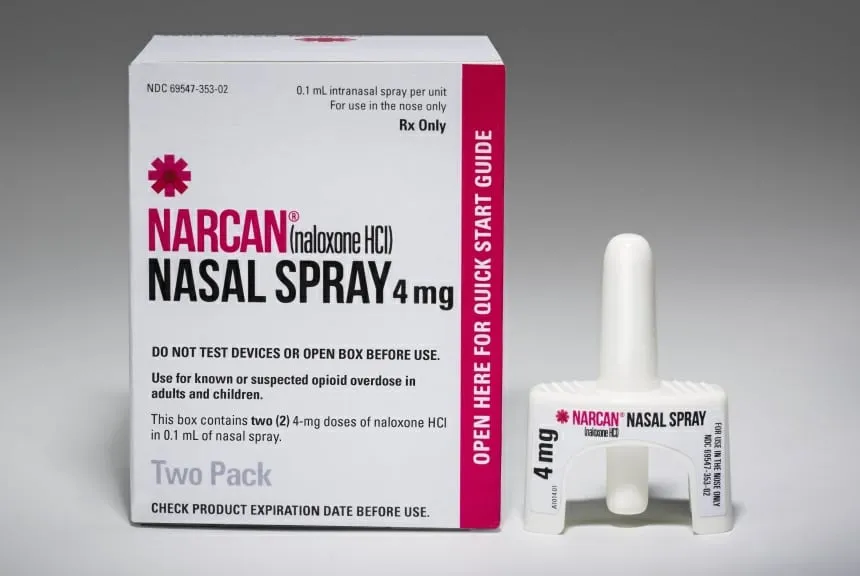
Indications and Uses of Naloxone
Naloxone is indicated for opioid-related emergencies and preventive measures, leveraging its rapid action to save lives:
Opioid Overdose Reversal: Treats life-threatening overdose from heroin, fentanyl, morphine, or prescription opioids (e.g., oxycodone), restoring breathing within minutes, per CDC and WHO guidelines.
Respiratory Depression: Reverses opioid-induced respiratory depression in hospital or pre-hospital settings, critical in emergency care, supported by toxicology studies.
Post-Operative Opioid Reversal: Used in surgical settings to reverse opioid effects after anesthesia (e.g., fentanyl), ensuring patient recovery, per anesthesiology protocols.
Chronic Pain Management Overdose: Manages overdose in patients on long-term opioid therapy for chronic pain, reducing mortality, with evidence from pain management research.
Neonatal Opioid Withdrawal: Administered off-label to newborns exposed to maternal opioids during pregnancy, reversing respiratory depression, supported by neonatal care studies.
Harm Reduction Programs: Distributed off-label in community settings (e.g., needle exchanges) to bystanders for overdose prevention, reducing fatalities, per public health initiatives.
Opioid Use Disorder (OUD) Support: Investigated off-label as part of OUD management to prevent relapse overdoses, enhancing patient safety, with addiction medicine data.
Accidental Pediatric Exposure: Used off-label to treat accidental opioid ingestion in children, reversing toxicity, supported by pediatric emergency research.
Veterinary Opioid Overdose: Explored off-label in veterinary medicine for pets overdosed on opioids (e.g., tramadol), with emerging data from veterinary toxicology.
Dosage of Naloxone
Dosage for Adults
Opioid Overdose (Injectable):
- Initial: 0.4–2 mg IV, IM, or SC every 2–3 minutes until response, maximum 10 mg.
Opioid Overdose (Nasal Spray):
- Initial: 4 mg in one nostril; repeat with second device after 2–3 minutes if needed.
Post-Operative Reversal:
- 0.1–0.2 mg IV every 2–3 minutes, titrated to effect, under anesthesia supervision.
Dosage for Children
Opioid Overdose (Injectable):
- 0.01 mg/kg IV, IM, or SC; repeat every 2–3 minutes, maximum 2 mg per dose, under pediatric supervision.
Opioid Overdose (Nasal Spray):
- 2 mg in one nostril for children >8 years or >20 kg; repeat if needed, guided by weight.
- Not recommended under 1 year unless critical.
Dosage for Pregnant Women
Pregnancy Category C: Safe for overdose reversal; use standard dosing with fetal monitoring. Consult an obstetrician for maternal opioid use management.
Dosage Adjustments
Renal Impairment: No adjustment needed; monitor in severe cases (CrCl <30 mL/min).
Hepatic Impairment: No adjustment needed; monitor liver function if coexisting conditions.
Elderly: Start with lower dose (e.g., 0.4 mg); increase cautiously based on response.
Opioid Dependence: Use lower initial doses (e.g., 0.1 mg) to minimize withdrawal.
Additional Considerations
- Administer this active ingredient as soon as opioid overdose is suspected, regardless of route.
- Train bystanders in nasal spray or auto-injector use for community access.
How to Use Naloxone
Administration (Injectable):
- Reconstitute if needed, inject IV, IM, or SC using a syringe, aiming for rapid delivery; avoid delays.
- Administer in a medical or emergency setting with monitoring equipment.
Administration (Nasal Spray):
- Insert nozzle into one nostril, press to deliver 4 mg, and observe response; repeat in other nostril if needed.
- Suitable for layperson use with proper training.
Administration (Auto-Injector):
- Remove safety guard, press against thigh, and hold for 5 seconds; device delivers 2 mg dose.
- Designed for emergency use by non-medical personnel.
Timing: Administer immediately upon overdose signs (e.g., unresponsiveness, slow breathing); repeat every 2–3 minutes if no response.
Monitoring: Watch for return of consciousness, breathing, or signs of withdrawal (e.g., agitation).
Additional Tips:
- Store at 20–25°C (68–77°F) for nasal spray/auto-injector; injectable at 15–30°C (59–86°F).
- Keep in accessible locations (e.g., home, car) for overdose emergencies.
- Report persistent unresponsiveness, severe withdrawal, or signs of allergic reaction immediately.
Contraindications for Naloxone
Hypersensitivity: Patients with a known allergy to Naloxone or its components.
Non-Opioid Overdose: Contraindicated unless opioid co-ingestion is suspected, to avoid masking other causes.
Use in Opioid-Dependent Patients Without Medical Supervision: Risk of severe withdrawal; use cautiously.
Side Effects of Naloxone
Common Side Effects
- Agitation (20–40%, due to withdrawal)
- Nausea (15–30%, manageable with antiemetics)
- Vomiting (10–25%, reduced with hydration)
- Sweating (10–20%, transient)
- Tremors (5–15%, decreases with stabilization)
These effects may subside with supportive care.
Serious Side Effects
Seek immediate medical attention for:
- Cardiovascular: Pulmonary edema, hypertension, or arrhythmias.
- Neurological: Seizures or severe agitation.
- Respiratory: Recurrence of depression or hyperventilation.
- Gastrointestinal: Severe vomiting or abdominal cramps.
- Allergic: Rash, angioedema, or anaphylaxis.
Additional Notes
- Regular monitoring for vital signs and withdrawal severity is advised.
- Report any unusual symptoms (e.g., chest pain, prolonged unresponsiveness) immediately to a healthcare provider.
Warnings & Precautions for Naloxone
General Warnings
Precipitated Withdrawal: Risk of sudden withdrawal symptoms (e.g., agitation, vomiting) in opioid-dependent patients; titrate dose.
Incomplete Reversal: May not fully reverse potent synthetic opioids (e.g., fentanyl analogs); repeat doses or use higher amounts.
Cardiovascular Effects: Risk of pulmonary edema or arrhythmias; monitor vital signs.
Re-Narcotization: Risk of relapse into overdose if opioid half-life exceeds Naloxone; observe for 2–3 hours.
Neurological Risks: Rare seizures; monitor in overdose settings.
Additional Warnings
Hypotension: Possible drop in blood pressure; support with fluids if needed.
Respiratory Depression Recurrence: Risk if opioid effects outlast Naloxone; extend monitoring.
Pregnancy Complications: Potential fetal distress in opioid-dependent mothers; balance benefits.
Pediatric Sensitivity: Higher risk of withdrawal in opioid-exposed infants; use lowest effective dose.
Hypersensitivity Reactions: Rare anaphylaxis; discontinue if swelling occurs.
Use in Specific Populations
- Pregnancy: Category C; safe for overdose reversal; monitor fetus.
- Breastfeeding: Minimal excretion; use if needed, monitor infant.
- Elderly: Higher risk of side effects; start with lower doses.
- Children: Safe for 1+ years with weight-based dosing; supervise closely.
- Renal/Hepatic Impairment: No adjustment needed; monitor in severe cases.
Additional Precautions
- Inform your doctor about opioid use history, allergies, or concurrent medications before use.
- Train community members in recognition of overdose signs and Naloxone administration.
Overdose and Management of Naloxone
Overdose Symptoms
Overdose of this opioid antagonist (rare, due to therapeutic use) may cause:
- Agitation, tremors, or severe withdrawal symptoms.
- Severe cases: Hypertension, cardiac arrhythmias, or pulmonary edema.
- Anxiety, sweating, or irritability as early signs.
- No life-threatening toxicity reported at high doses.
Immediate Actions
- Contact the Medical Team: Seek immediate medical help.
- Supportive Care: Monitor vital signs, provide sedation (e.g., benzodiazepines) for withdrawal, and ensure oxygenation.
- Specific Treatment: No antidote needed; manage symptoms and observe for opioid re-emergence.
- Monitor: Check blood pressure, heart rate, and respiratory status for 4–6 hours.
Additional Notes
- Overdose risk is negligible with standard use; store securely.
- Report persistent symptoms (e.g., chest pain, severe agitation) promptly.
Drug Interactions with Naloxone
This active ingredient may interact with:
- Opioids: Displaces opioids from receptors, precipitating withdrawal; monitor closely.
- Sedatives: May mask sedative effects; adjust dosing.
- Antihypertensives: Potentiates hypotension risk; monitor blood pressure.
- Alcohol: Enhances withdrawal severity; avoid concurrent use.
- Other Antagonists: No significant interactions; use cautiously with mixed overdoses.
Action: Provide your healthcare provider with a complete list of substances used.
Patient Education or Lifestyle
Medication Adherence: Use this opioid antagonist immediately upon overdose signs, following training or prescription guidelines.
Monitoring: Report unresponsiveness, severe withdrawal, or breathing issues immediately.
Lifestyle: Avoid opioid use post-reversal; seek addiction support.
Diet: No specific requirements; hydrate during withdrawal.
Emergency Awareness: Recognize overdose signs (e.g., blue lips, slow pulse); keep Naloxone accessible.
Follow-Up: Schedule medical evaluation post-use to address underlying opioid use or addiction, ideally within 24 hours.
Pharmacokinetics of Naloxone
Absorption: Rapid via IV (peak <2 minutes); IM/ nasal (peak 5–15 minutes); enhanced with higher doses.
Distribution: Volume of distribution ~2 L/kg; 50% protein-bound.
Metabolism: Hepatic via glucuronidation to inactive naloxone-3-glucuronide.
Excretion: Primarily renal (70%) as metabolites; half-life 30–81 minutes.
Half-Life: 30–81 minutes, with rapid onset but short duration.
Pharmacodynamics of Naloxone
This drug exerts its effects by:
Competitively binding to mu-, kappa-, and delta-opioid receptors, reversing opioid effects.
Restoring respiratory drive and consciousness in overdose within 1–2 minutes.
Demonstrating dose-dependent reversal and withdrawal risk.
Exhibiting limited intrinsic activity, making it a pure antagonist.
Storage of Naloxone
Temperature: Store nasal spray/auto-injector at 20–25°C (68–77°F); injectable at 15–30°C (59–86°F).
Protection: Keep in original packaging, away from light and extreme heat.
Safety: Store in easily accessible, locked locations out of reach of children.
Disposal: Dispose of expired or unused doses per local regulations or consult a pharmacist.
Frequently Asked Questions (FAQs)
Q: What does Naloxone treat?
A: This medication treats opioid overdose.
Q: Can this active ingredient cause withdrawal?
A: Yes, withdrawal may occur; seek medical help if severe.
Q: Is Naloxone safe for children?
A: Yes, for 1+ years with proper dosing and supervision.
Q: How is this drug taken?
A: Via injection, nasal spray, or auto-injector, as directed in emergencies.
Q: How long does Naloxone last?
A: Effects last 30–90 minutes; monitor for relapse.
Q: Can I use Naloxone if pregnant?
A: Yes, for overdose reversal; consult a doctor.
Regulatory Information
This medication is approved by:
U.S. Food and Drug Administration (FDA): Approved in 1971 (injectable); 2015 (Narcan nasal spray) for overdose reversal, with over-the-counter status in 2023.
European Medicines Agency (EMA): Approved for opioid overdose management.
Other Agencies: Approved globally for emergency use; consult local guidelines.
References
- U.S. Food and Drug Administration (FDA). (2023). Narcan (Naloxone) Prescribing Information.
- Official FDA documentation detailing the drug’s approved uses, dosage, and safety.
- European Medicines Agency (EMA). (2023). Naloxone Summary of Product Characteristics.
- EMA’s comprehensive information on the medication’s indications and precautions in Europe.
- National Institutes of Health (NIH). (2023). Naloxone: MedlinePlus Drug Information.
- NIH resource providing detailed information on the drug’s uses, side effects, and precautions.
- World Health Organization (WHO). (2023). WHO Guidelines on Opioid Overdose: Naloxone.
- WHO’s recommendations for Naloxone in overdose prevention.
- New England Journal of Medicine. (2022). Naloxone in the Opioid Crisis.
- Peer-reviewed article on Naloxone efficacy (note: access may require a subscription).
