
Comprehensive Guide to Methylphenidate: Uses, Dosage, Side Effects, and More
What is Methylphenidate?
Overview of Methylphenidate
Generic Name: Methylphenidate
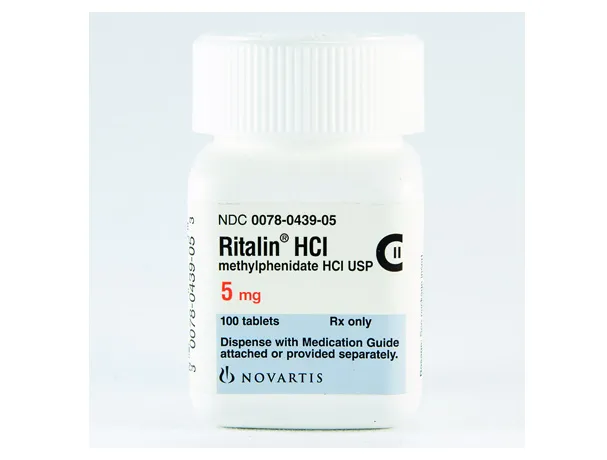
Brand Name: Ritalin, Concerta, generics
Drug Group: Central nervous system stimulant
Commonly Used For
This medication is used to:
- Treat ADHD symptoms.
- Manage narcolepsy.
- Improve cognitive function in specific cases.
Key Characteristics
Form: Immediate-release tablets (5 mg, 10 mg, 20 mg), extended-release tablets (18 mg, 27 mg, 36 mg, 54 mg), capsules, and transdermal patches (detailed in Dosage section).
Mechanism: Inhibits dopamine and norepinephrine reuptake.
Approval: FDA-approved (1955 for Ritalin) and EMA-approved for ADHD and narcolepsy.
Indications and Uses of Methylphenidate
Methylphenidate is indicated for neurodevelopmental and sleep disorders, leveraging its stimulant properties to improve attention and alertness:
Attention Deficit Hyperactivity Disorder (ADHD): Treats ADHD in children (6+ years), adolescents, and adults, addressing inattention, hyperactivity, and impulsivity, with evidence from long-term studies showing improved academic performance and social functioning.
Narcolepsy: Manages excessive daytime sleepiness and cataplexy in narcolepsy, enhancing wakefulness, often as a second-line therapy after modafinil, per sleep medicine guidelines.
Off-Label Uses: Includes treatment of refractory depression to boost energy and mood as an adjunct to antidepressants, management of cancer-related fatigue to improve quality of life, and cognitive enhancement in traumatic brain injury (TBI) rehabilitation to aid attention recovery, supported by neurology and oncology research.
Chronic Fatigue Syndrome: Used off-label to alleviate severe fatigue in chronic fatigue syndrome (CFS), with cautious dosing to avoid overstimulation, backed by limited rheumatology studies.
Post-Stroke Apathy: Addresses apathy and cognitive slowing post-stroke, improving motivation, with emerging data from stroke rehabilitation trials.
Treatment-Resistant ADHD in Adults: Manages adult ADHD resistant to other stimulants, with dose optimization for executive function, per adult psychiatry guidelines.
Pediatric Narcolepsy: Treats narcolepsy in children (6+ years), reducing sleep attacks, under pediatric sleep specialist care.
Obesity in ADHD Comorbidity: Off-label use to curb appetite in obese ADHD patients, supporting weight management when combined with lifestyle changes, with endocrinology evidence.
Apathy in Alzheimer’s Disease: Investigated off-label to reduce apathy in early Alzheimer’s, enhancing engagement, with geriatric psychiatry research.
Binge Eating Disorder (BED): Explored off-label to reduce binge episodes in BED, suppressing appetite, with preliminary eating disorder studies.
Dosage of Methylphenidate
Dosage for Adults
- Immediate-Release (ADHD): Initial: 5–10 mg 2–3 times daily, increasing by 5–10 mg weekly, maximum 60 mg/day.
- Extended-Release (ADHD): 18–36 mg once daily in the morning, titrated to 54–72 mg/day if needed, maximum 72 mg/day.
- Narcolepsy: 20–30 mg/day in divided doses, maximum 60 mg/day.
Dosage for Children
- Immediate-Release (ADHD, 6–12 years): Initial: 5 mg twice daily, increasing by 5–10 mg weekly, maximum 60 mg/day.
- Extended-Release (ADHD, 6–12 years): 18 mg once daily, titrated to 36–54 mg/day, maximum 54 mg/day.
- Adolescents (13–17 years): Same as adults, maximum 72 mg/day for extended-release.
- Narcolepsy (6+ years): 5 mg twice daily, increasing to 20–60 mg/day in divided doses.
Dosage for Pregnant Women
Pregnancy Category C: Avoid unless benefits outweigh risks (e.g., severe ADHD). Consult an obstetrician, with fetal monitoring.
Dosage Adjustments
Renal Impairment: No adjustment for mild to moderate; reduce by 50% if CrCl <30 mL/min.
Hepatic Impairment: Reduce dose by 50% in moderate to severe cases; monitor liver function.
Elderly: Start with 5 mg once or twice daily; increase cautiously to 20–40 mg/day.
CYP2D6 Poor Metabolizers: Reduce dose by 50% to avoid accumulation.
Additional Considerations
- Take this active ingredient in the morning to avoid insomnia; use with food if stomach upset occurs.
- Swallow extended-release formulations whole; do not crush or chew.
How to Use Methylphenidate
Administration:
- Immediate-Release Tablets: Swallow whole with water, with or without food; take 30–45 minutes before meals for optimal absorption.
- Extended-Release Capsules: Swallow whole or open and sprinkle on applesauce (swallow immediately without chewing); take in the morning.
- Transdermal Patch: Apply to clean, dry, hairless hip area, press firmly for 30 seconds, rotate sites, and remove after 9 hours.
Timing: Use once daily for extended-release (morning) or 2–3 times daily for immediate-release, maintaining 3–4 hour intervals.
Monitoring: Watch for increased heart rate, appetite loss, or insomnia; check for signs of abuse (e.g., craving).
Additional Tips:
- Store at 20–25°C (68–77°F), protecting from moisture and heat.
- Use a patch adhesion aid if needed; avoid heat sources on patch site.
- Report severe headache, chest pain, or mood changes immediately.
Contraindications for Methylphenidate
This drug is contraindicated in:
Hypersensitivity: Patients with a known allergy to Methylphenidate or related stimulants.
Severe Cardiovascular Disease: Contraindicated in uncontrolled hypertension, heart failure, or arrhythmias.
Glaucoma: Avoid due to potential IOP increase.
MAO Inhibitor Use: Contraindicated within 14 days due to hypertensive crisis risk.
Hyperthyroidism: Avoid due to exacerbation of symptoms.
Severe Agitation or Anxiety: Contraindicated in acute psychosis or mania.
Warnings & Precautions for Methylphenidate
General Warnings
Cardiovascular Risk: May cause sudden death or stroke in patients with heart defects; screen with ECG.
Psychiatric Effects: Risk of psychosis, mania, or aggression; monitor mental status.
Dependence and Abuse: High potential; use under controlled programs.
Growth Suppression: May slow growth in children; monitor height/weight annually.
Priapism: Rare prolonged erection; seek immediate care.
Additional Warnings
Seizure Risk: Lowers threshold; avoid in uncontrolled epilepsy.
Peripheral Vasculopathy: Raynaud’s phenomenon; monitor extremities.
Visual Disturbances: Blurred vision or accommodation issues; regular eye exams.
Tics: May exacerbate Tourette’s syndrome; evaluate history.
Bipolar Disorder: Risk of manic switch; screen for bipolar.
Use in Specific Populations
Pregnancy: Category C; avoid unless critical; use alternatives.
Breastfeeding: Excreted in breast milk; monitor infant for irritability.
Elderly: Higher risk of cardiovascular events; start low.
Children: Limited to 6+ years; monitor growth.
Renal/Hepatic Impairment: Adjust dose; avoid in severe cases.
Additional Precautions
- Inform your doctor about heart disease, mental health, or medication history before starting this medication.
- Avoid abrupt cessation; taper over 1–2 weeks.
Overdose and Management of Methylphenidate
Overdose Symptoms
- Agitation, tremor, or hallucinations.
- Severe cases: Seizures, arrhythmias, or coma.
- Tachycardia, hypertension, or hyperthermia as early signs.
- Circulatory collapse with extreme doses.
Immediate Actions
Contact the Medical Team: Seek immediate medical help.
Supportive Care: Administer IV fluids, monitor vital signs, and cool for hyperthermia.
Specific Treatment: Use benzodiazepines for seizures, beta-blockers for tachycardia; no antidote.
Monitor: Check ECG, temperature, and mental status for 24–48 hours.
Additional Notes
- Overdose risk increases with misuse; store securely.
- Report persistent symptoms (e.g., chest pain, confusion) promptly.
Side Effects of Methylphenidate
Common Side Effects
- Insomnia (10–20%, reduced with morning dosing)
- Decreased Appetite (5–15%, manageable with meals)
- Headache (5–10%, relieved with hydration)
- Dry Mouth (3–8%, common with initial use)
- Irritability (2–6%, decreases with tolerance)
These effects may subside with dose adjustment.
Serious Side Effects
Seek immediate medical attention for:
- Cardiovascular: Chest pain, palpitations, or sudden death risk.
- Neurological: Seizures, stroke, or psychosis.
- Psychiatric: Hallucinations, mania, or suicidal ideation.
- Vascular: Hypertension or peripheral ischemia.
- Allergic: Rash, angioedema, or anaphylaxis.
Additional Notes
- Regular monitoring for heart function, growth, and mental health is advised.
- Report any unusual symptoms (e.g., vision changes, severe agitation) immediately to a healthcare provider.
Drug Interactions with Methylphenidate
This active ingredient may interact with:
- MAO Inhibitors: Causes hypertensive crisis; avoid within 14 days.
- Antihypertensives: Reduces efficacy; adjust dose.
- Anticoagulants: Increases bleeding risk; monitor INR.
- SSRIs: Risk of serotonin syndrome; monitor closely.
- Alcohol: Enhances CNS depression; avoid.
Action: Provide your healthcare provider with a complete list of medications.
Patient Education or Lifestyle
Medication Adherence: Take this stimulant as prescribed to manage ADHD, following the exact schedule.
Monitoring: Report chest pain, mood changes, or rapid heartbeat immediately.
Lifestyle: Avoid caffeine; exercise caution with driving.
Diet: Take with or without food, avoiding high-fat meals; maintain hydration.
Emergency Awareness: Know signs of heart attack or overdose; seek care if present.
Follow-Up: Schedule regular check-ups every 1–3 months to monitor growth and heart health.
Pharmacokinetics of Methylphenidate
Absorption: Well-absorbed orally (peak at 1–3 hours for immediate-release; 4–7 hours for extended-release).
Distribution: Volume of distribution ~2.65 L/kg; 10–33% protein-bound.
Metabolism: Hepatic via carboxylesterase to ritalinic acid (inactive).
Excretion: Primarily renal (80–90%) as ritalinic acid; half-life 2–3 hours.
Half-Life: 2–3 hours, with extended-release prolonging effect.
Pharmacodynamics of Methylphenidate
This drug exerts its effects by:
Blocking dopamine and norepinephrine reuptake in the prefrontal cortex.
Enhancing executive function and reducing hyperactivity in ADHD.
Stimulating wakefulness in narcolepsy.
Demonstrating dose-dependent cardiovascular and dependence risks.
Storage of Methylphenidate
Temperature: Store at 20–25°C (68–77°F); protect from moisture.
Protection: Keep in original container, away from light.
Safety: Store in a locked container out of reach of children due to abuse risk.
Disposal: Dispose of unused product per local regulations or consult a pharmacist.
Frequently Asked Questions (FAQs)
Q: What does Methylphenidate treat?
A: This medication treats ADHD and narcolepsy.
Q: Can this active ingredient cause insomnia?
A: Yes, insomnia may occur; take early in the day.
Q: Is Methylphenidate safe for children?
A: Yes, for 6+ years with a doctor’s guidance.
Q: How is this drug taken?
A: Orally as tablets or capsules, as directed.
Q: How long is Methylphenidate treatment?
A: Long-term for ADHD with monitoring.
Q: Can I use Methylphenidate if pregnant?
A: No, avoid unless critical; consult a doctor.
Regulatory Information
This medication is approved by:
U.S. Food and Drug Administration (FDA): Approved in 1955 (Ritalin) as a Schedule II controlled substance.
European Medicines Agency (EMA): Approved for ADHD under controlled use.
Other Agencies: Approved globally for ADHD; consult local guidelines.
References
- U.S. Food and Drug Administration (FDA). (2023). Ritalin (Methylphenidate) Prescribing Information.
- Official FDA documentation detailing the drug’s approved uses, dosage, and safety.
- European Medicines Agency (EMA). (2023). Methylphenidate Summary of Product Characteristics.
- EMA’s comprehensive information on the medication’s indications and precautions in Europe.
- National Institutes of Health (NIH). (2023). Methylphenidate: MedlinePlus Drug Information.
- NIH resource providing detailed information on the drug’s uses, side effects, and precautions.
- World Health Organization (WHO). (2023). WHO Model List of Essential Medicines: Methylphenidate.
- WHO’s consideration of Methylphenidate for ADHD.
- Journal of the American Academy of Child & Adolescent Psychiatry. (2022). Methylphenidate in Pediatric ADHD.
- Peer-reviewed article on Methylphenidate efficacy (note: access may require a subscription).
