
Mefenamic Acid: Nonsteroidal Anti-inflammatory Drug (NSAID)
Overview
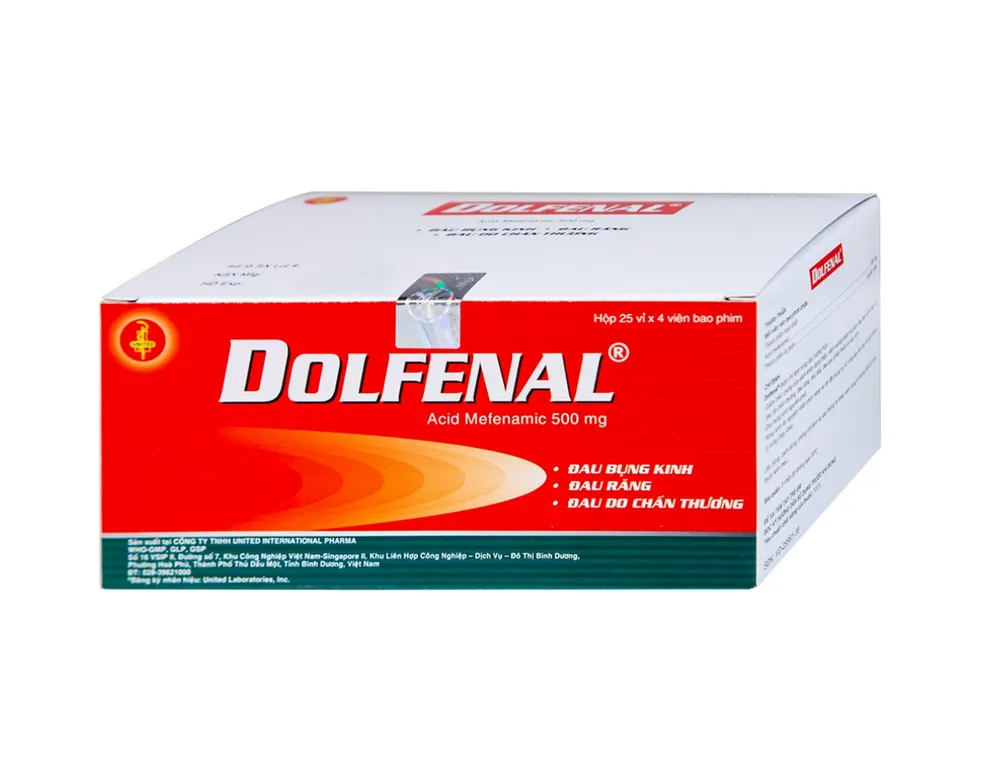
Generic name: Mefenamic acid
Drug class: Nonsteroidal anti-inflammatory drug (NSAID)
Dosage forms and strengths:
- Tablets: 200 mg, 250 mg, 500 mg
- Suspension: 50 mg per 5 mL
Indications
Mefenamic acid is prescribed for the relief of mild to moderate pain and inflammation in a wide range of conditions, including:
- Rheumatoid arthritis (including Still’s disease) and osteoarthritis
- Muscular pain, trauma-related pain, and dental pain
- Headache of various origins
- Postoperative or postpartum pain
- Primary dysmenorrhea (menstrual cramps)
- Dysfunctional uterine bleeding (including cases associated with intrauterine devices, after ruling out pelvic pathology)
- Fever in children
Pharmacodynamics
Mefenamic acid, a derivative of anthranilic acid, belongs to the fenamate group of NSAIDs. It exhibits anti-inflammatory, analgesic, and antipyretic properties.
Its primary mechanism involves inhibition of prostaglandin synthesis—key mediators of inflammation and pain. Like other NSAIDs, mefenamic acid inhibits the cyclooxygenase (COX) enzymes, which convert arachidonic acid into prostaglandin precursors within damaged tissues.
A distinctive feature of mefenamic acid is that its fenamate salt structure also competes directly with prostaglandins for receptor binding, thereby reducing the biological activity of prostaglandins that have already been synthesized. This dual mechanism enhances its analgesic and anti-inflammatory potential.
⚠️ Clinical Note: Despite its strong prostaglandin inhibition, mefenamic acid has a higher risk of gastrointestinal irritation and renal adverse effects than some other NSAIDs. Patients should be advised to take it with food and maintain adequate hydration.
Pharmacokinetics
Absorption:
Mefenamic acid is well absorbed from the gastrointestinal tract. Following an oral dose of 1 g in adults, the peak plasma concentration of about 10 mg/L is typically reached within 2 hours.
Distribution:
- Extensively bound to plasma proteins (>90%).
- Crosses the placenta and is excreted into breast milk in small amounts.
- Should be used with caution in pregnant or breastfeeding women unless the potential benefit outweighs the risk.
Metabolism:
Metabolized primarily in the liver by the CYP2C9 enzyme pathway. The main metabolite is 3-hydroxymethyl mefenamic acid, which is further oxidized to 3-carboxy mefenamic acid. Both undergo secondary glucuronidation before elimination.
Excretion:
About 52% of an administered dose is excreted in the urine, including:
- 6% unchanged drug
- 25% as metabolite I
- 21% as metabolite II
An additional 10–20% is excreted in the feces, mainly as unconjugated metabolite II.
The elimination half-life is approximately 2 hours.
Clinical Considerations
- Elderly patients and those with hepatic or renal impairment should use mefenamic acid cautiously due to slower drug clearance.
- Concurrent use with other NSAIDs, anticoagulants, or corticosteroids can increase the risk of bleeding and gastrointestinal ulcers.
- Long-term or high-dose use may elevate the risk of cardiovascular events (e.g., heart attack, stroke).
Drug Interactions
1. Interactions with Other Medications
Mefenamic acid, like other NSAIDs, can interact with a wide range of drugs. These interactions may alter the therapeutic effect or increase the risk of toxicity, particularly involving the gastrointestinal (GI), renal, and cardiovascular systems.
Highly protein-bound drugs: Mefenamic acid is extensively bound to plasma proteins. Caution is advised when it is co-administered with other highly protein-bound agents (e.g., phenytoin, sulfonylureas, warfarin), as displacement interactions may necessitate dose adjustments to prevent toxicity.
Anticoagulants (e.g., Warfarin, Heparin): NSAIDs, including mefenamic acid, can potentiate the anticoagulant effect, increasing the risk of bleeding. Regular monitoring of prothrombin time (PT) or INR is recommended when these drugs are used concurrently.
Lithium: Mefenamic acid decreases renal clearance of lithium, leading to elevated serum concentrations and potential lithium toxicity. Lithium levels should be closely monitored, and dosage adjustments may be necessary.
Other NSAIDs and Aspirin: Concurrent use with other NSAIDs or high-dose aspirin increases the likelihood of GI bleeding, ulcers, and cardiovascular complications without providing additional therapeutic benefit. Avoid combination therapy whenever possible.
SSRIs, Corticosteroids, and Antiplatelet Agents: Co-administration heightens the risk of gastrointestinal hemorrhage due to additive effects on the gastric mucosa and platelet function.
Antihypertensive drugs: NSAIDs may reduce the effectiveness of blood pressure medications (e.g., beta-blockers, diuretics, ACE inhibitors, ARBs) by sodium retention and reduced prostaglandin synthesis, which can increase blood pressure.
ACE inhibitors and ARBs: Concurrent use may impair glomerular filtration and provoke acute kidney injury, especially in elderly patients or those with dehydration. Adequate hydration and periodic renal function assessment are strongly recommended during combined therapy.
Nephrotoxic agents: Drugs such as aminoglycosides, cyclosporine, or tacrolimus may amplify renal toxicity when used with mefenamic acid. Regular renal monitoring is essential.
Cardiac glycosides: NSAIDs can reduce renal perfusion, leading to increased plasma levels of digoxin or similar glycosides, and exacerbate heart failure.
Sulfonylureas: Mefenamic acid may inhibit sulfonylurea metabolism, prolonging their half-life and increasing the risk of severe hypoglycemia.
Methotrexate: Reduced renal clearance caused by mefenamic acid can result in elevated methotrexate levels and enhanced toxicity (e.g., bone marrow suppression, mucositis). Avoid co-administration or use with extreme caution.
Probenecid: May reduce the metabolism and excretion of mefenamic acid, increasing plasma concentrations and the risk of side effects.
Quinolone antibiotics (e.g., ciprofloxacin): Co-use can increase the risk of seizures by lowering the convulsive threshold.
Zidovudine: Combining with NSAIDs, including mefenamic acid, may increase hematologic toxicity (e.g., anemia, neutropenia). Monitor blood counts during therapy.
2. Interactions with Food and Alcohol
Alcohol: Alcohol consumption while taking mefenamic acid significantly increases the risk of gastric ulceration, bleeding, or perforation, which can be life-threatening.
⚠️ Warning: Avoid all alcoholic beverages during treatment. Even small amounts may exacerbate gastrointestinal injury.
Food: Taking the medication with food or milk can help reduce gastric irritation and improve tolerance.
Contraindications
Mefenamic acid is contraindicated in patients with any of the following conditions:
- Hypersensitivity or allergic reactions to mefenamic acid or other NSAIDs, including a history of asthma, bronchospasm, rhinitis, angioedema, or urticaria after NSAID exposure.
- Active or previous gastrointestinal bleeding or perforation related to NSAID therapy.
- Peptic ulcer disease, either current or recurrent (≥2 episodes of ulceration or bleeding).
- Inflammatory bowel disease (e.g., Crohn’s disease, ulcerative colitis), due to potential exacerbation.
- Severe heart failure, hepatic impairment, or renal impairment, as these patients are at high risk of fluid retention and nephrotoxicity.
- Third trimester of pregnancy, because prostaglandin inhibition may cause premature closure of the fetal ductus arteriosus and prolonged labor.
- Post–coronary artery bypass graft (CABG) surgery, as NSAID use in this setting is associated with an increased risk of myocardial infarction and stroke.
Any symptoms such as black stools, vomiting blood, unusual fatigue, swelling, or shortness of breath require immediate medical attention.
Dosage and Administration
Adults
General Pain Management:
- Initial dose: 500 mg once
- Maintenance dose: 250 mg every 6 hours as needed
- Duration of therapy: Usually not longer than 7 days
Dysmenorrhea (Menstrual Pain):
- Initial dose: 500 mg once
- Maintenance dose: 250 mg every 6 hours as needed
- Duration of therapy: Typically 2–3 days, beginning at the onset of menstruation
⚠️ Clinical Note: Mefenamic acid is recommended only for short-term use. Prolonged administration increases the risk of gastrointestinal bleeding, renal impairment, and cardiovascular events.
Pediatric Use
Children over 14 years: Same dosage as adults for general pain or menstrual cramps.
Children 14 years and below: Use the oral suspension (50 mg/5 mL) formulation according to the following guideline:
| Age | Typical Dose | Equivalent Volume |
| 6 months – 2 years | 50 mg | 5 mL |
| 2 – 5 years | 100 mg | 10 mL |
| 5 – 9 years | 150 mg | 15 mL |
| 9 – 14 years | 200 mg | 20 mL |
Always use a calibrated dosing device. Pediatric dosing should be guided by a physician, as safety data in young children remain limited.
Elderly Patients (>65 years)
Dosage is generally the same as for adults, but closer monitoring is required. Elderly patients are more susceptible to GI bleeding, renal dysfunction, and fluid retention.
Adverse Effects
Common Reactions:
- Elevated liver enzymes
- Unusual bleeding or bruising
- Rash or itching
- Indigestion, bloating, flatulence
- Shortness of breath or wheezing (even at rest)
Less Common:
- Abdominal pain, nausea, vomiting, constipation, diarrhea
- Loss of appetite, heartburn, or fatty stools
- Gastric or duodenal ulcers, upper GI bleeding
Rare but Serious:
- Blood disorders: leukopenia, eosinophilia, thrombocytopenia, agranulocytosis, or bone marrow suppression
- Interstitial nephritis, nephrotic syndrome, or acute renal failure (including papillary necrosis)
- Hepatitis or elevated bilirubin
- Severe allergic or dermatologic reactions such as Stevens–Johnson syndrome or toxic epidermal necrolysis
Precautions and Warnings
General Precautions
Patients on long-term therapy should undergo regular liver, kidney, and hematologic monitoring. Discontinue the drug if abnormalities occur.
Prolonged analgesic use for headaches can paradoxically worsen the condition (medication-overuse headache).
Exercise caution in dehydrated patients and those with renal impairment, especially the elderly.
NSAIDs, including mefenamic acid, may exacerbate hypertension or heart failure through fluid retention and edema.
In asthmatic patients, NSAIDs can precipitate bronchospasm—use with caution if there’s a history of aspirin-induced asthma.
⚠️ Cardiovascular Risk: High-dose or long-term use of NSAIDs has been associated with arterial thrombotic events (e.g., myocardial infarction or stroke). Use the lowest effective dose for the shortest possible duration.
- Mefenamic acid can impair platelet aggregation, increasing the risk of bleeding in patients with intracranial or internal hemorrhage.
- Use caution in patients with epilepsy, as NSAIDs can lower the seizure threshold.
- Patients with poor CYP2C9 metabolism may experience abnormally high plasma concentrations of mefenamic acid; dose adjustment or alternative therapy should be considered.
- Prolonged use may reduce female fertility, typically reversible upon discontinuation.
Pregnancy and Lactation
Pregnancy:
Mefenamic acid, like other NSAIDs, can adversely affect both mother and fetus:
- May cause premature closure of the fetal ductus arteriosus, delayed labor, or prolonged bleeding.
- Contraindicated during the third trimester.
- Avoid use during the first and second trimesters unless the therapeutic benefit clearly outweighs potential fetal risk.
Breastfeeding:
Mefenamic acid is excreted in breast milk. Because of possible adverse effects on nursing infants, its use during lactation is not recommended.
Driving and Operating Machinery
Drowsiness, dizziness, fatigue, and visual disturbances may occur after taking mefenamic acid.
⚠️ If affected, patients should avoid driving or operating heavy machinery until they feel alert and stable.
Overdose Management
Symptoms of Overdose: Headache, nausea, vomiting, epigastric pain, gastrointestinal bleeding, disorientation, agitation, drowsiness, tinnitus, fainting, or convulsions. Severe cases may progress to acute renal failure or liver injury.
Treatment:
- Symptomatic and supportive care is the mainstay of treatment.
- If ingestion occurred within one hour, consider activated charcoal or gastric lavage.
- Recurrent or prolonged seizures can be controlled with intravenous diazepam.
- Monitor renal and hepatic function closely, as well as urine output and vital signs.
Missed Dose
If a dose is missed, take it as soon as you remember.
If it’s almost time for the next scheduled dose, skip the missed dose—do not double up to make up for it.
