
Comprehensive Guide to Ibandronate: Uses, Dosage, Side Effects, and More
What is Ibandronate?
Overview of Ibandronate
Generic Name: Ibandronate
Brand Name: Boniva, generics
Drug Group: Bisphosphonate (bone resorption inhibitor)
Commonly Used For
- Treat and prevent osteoporosis in postmenopausal women.
- Manage bone metastases in breast cancer.
- Reduce fracture risk.
Key Characteristics
Form: Oral tablets (150 mg) and intravenous injection (3 mg/3 mL) (detailed in Dosage section).
Mechanism: Inhibits osteoclast-mediated bone resorption, strengthening bone matrix.
Approval: FDA-approved (2003 for Boniva) and EMA-approved for osteoporosis and bone metastases.
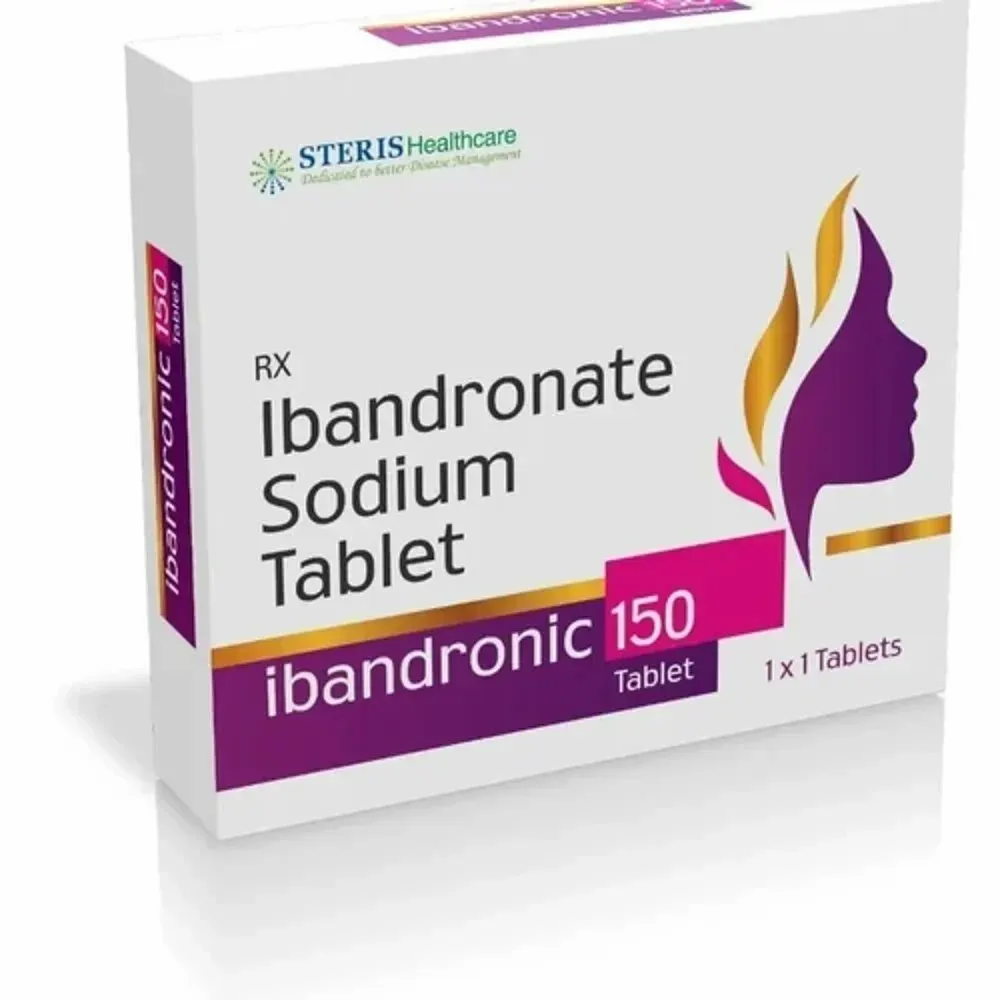
Indications and Uses of Ibandronate
Ibandronate is indicated for bone health conditions, leveraging its anti-resorptive properties to enhance skeletal integrity:
Postmenopausal Osteoporosis: Treats and prevents osteoporosis in postmenopausal women, reducing vertebral and non-vertebral fracture risk, supported by clinical trials like the BONE study.
Bone Metastases in Breast Cancer: Manages skeletal-related events (e.g., fractures, pain) in breast cancer patients with bone metastases, administered intravenously, per oncology guidelines.
Hypercalcemia of Malignancy: Controls hypercalcemia in patients with advanced cancers (e.g., multiple myeloma), lowering serum calcium levels, with evidence from hematology studies.
Paget’s Disease of Bone: Used off-label to treat Paget’s disease, reducing bone turnover and alleviating pain, supported by rheumatology research.
Glucocorticoid-Induced Osteoporosis: Investigated off-label for patients on long-term steroids (e.g., rheumatoid arthritis), preserving bone density, with emerging data.
Osteogenesis Imperfecta: Explored off-label in children with osteogenesis imperfecta to improve bone strength, requiring pediatric specialist oversight, noted in rare disease studies.
Male Osteoporosis: Employed off-label in men with osteoporosis (e.g., due to hypogonadism), enhancing bone mass, supported by endocrinology trials.
Bone Loss in Prostate Cancer: Used off-label to manage bone loss in men receiving androgen deprivation therapy for prostate cancer, with urology evidence.
Charcot Neuroarthropathy: Investigated off-label for Charcot foot in diabetic patients, stabilizing bone structure, with preliminary podiatry data.
Dosage of Ibandronate
Dosage for Adults
- Postmenopausal Osteoporosis (Oral): 150 mg once monthly, taken on the same date each month, at least 60 minutes before food or drink (except water).
- Postmenopausal Osteoporosis (IV): 3 mg every 3 months via intravenous injection, administered by a healthcare provider.
- Bone Metastases in Breast Cancer (IV): 6 mg every 3–4 weeks, adjusted for renal function, under oncologist supervision.
Dosage for Children
- Osteogenesis Imperfecta (off-label): 0.5–2 mg/kg IV every 3 months, titrated based on tolerance, under pediatric endocrinologist supervision.
Not recommended under 2 years unless critical.
Dosage for Pregnant Women
Pregnancy Category C: Limited data; avoid unless benefits outweigh risks (e.g., severe osteoporosis). Consult an obstetrician, with fetal monitoring.
Dosage Adjustments
Renal Impairment: Avoid if CrCl <30 mL/min; monitor in mild to moderate cases (CrCl 30–50 mL/min).
Hepatic Impairment: No adjustment needed; monitor in severe cases.
Elderly: Start with standard dose; increase cautiously with renal monitoring.
Concomitant Medications: Avoid with calcium supplements or antacids within 60 minutes of oral dose; adjust if combined with nephrotoxic drugs.
Additional Considerations
- Take this active ingredient on an empty stomach with a full glass of plain water, remaining upright for 60 minutes.
- Ensure adequate hydration to support renal function.
How to Use Ibandronate
Administration (Oral):
Take 150 mg tablet with a full glass of plain water (6–8 oz) at least 60 minutes before food, drink (except water), or other medications; remain upright (sitting or standing) to prevent esophageal irritation.
Schedule on the same date monthly for consistency.
Administration (IV): Administer 3 mg IV over 15–30 seconds every 3 months by a healthcare provider, with pre- and post-hydration.
Monitoring: Watch for jaw pain, difficulty swallowing, or signs of low calcium (e.g., muscle cramps).
Additional Tips:
- Store at 20–25°C (68–77°F), protecting from moisture and heat.
- Keep out of reach of children due to toxicity risk.
- Report severe bone pain, dental issues, or signs of allergic reaction immediately.
Contraindications for Ibandronate
This drug is contraindicated in:
Hypersensitivity: Patients with a known allergy to Ibandronate or bisphosphonates.
Severe Renal Impairment: Contraindicated if CrCl <30 mL/min due to accumulation risk.
Inability to Sit or Stand: Avoid in patients unable to remain upright for 60 minutes post-oral dose.
Hypocalcemia: Contraindicated until corrected due to worsening risk.
Warnings & Precautions for Ibandronate
General Warnings
Osteonecrosis of the Jaw (ONJ): Risk with long-term use or dental procedures; maintain oral hygiene and schedule dental check-ups.
Atypical Femoral Fractures: Increased risk with prolonged therapy; monitor for thigh pain.
Renal Impairment: Risk of acute kidney injury with IV use; monitor renal function.
Hypocalcemia: May worsen if calcium or vitamin D levels are low; supplement as needed.
Esophageal Irritation: Risk with oral use if not taken correctly; follow administration guidelines.
Additional Warnings
Severe Musculoskeletal Pain: Rare severe pain reported; discontinue if persistent.
Ocular Inflammation: Rare uveitis or scleritis; seek ophthalmologic evaluation.
Atrial Fibrillation: Rare association with IV use; monitor cardiac rhythm.
Hypersensitivity Reactions: Rare anaphylaxis; discontinue if swelling occurs.
Bone Turnover Suppression: Prolonged use may affect bone remodeling; assess periodically.
Use in Specific Populations
Pregnancy: Category C; avoid unless critical; use alternatives if possible.
Breastfeeding: Excreted in breast milk; monitor infant for effects.
Elderly: Higher risk of renal and jaw issues; start with lower doses or IV route.
Children: Limited to off-label use in osteogenesis imperfecta; supervise closely.
Renal/Hepatic Impairment: Adjust dose; avoid in severe renal cases.
Additional Precautions
- Inform your doctor about kidney disease, dental issues, or calcium deficiency before starting this medication.
- Avoid abrupt cessation; taper if discontinuing long-term therapy.
Overdose and Management of Ibandronate
Overdose Symptoms
- Hypocalcemia, muscle cramps, or paresthesia.
- Severe cases: Renal failure, esophageal damage, or tetany.
- Nausea, heartburn, or fatigue as early signs.
- Seizures with extremely high doses.
Immediate Actions
Contact the Medical Team: Seek immediate medical help.
Supportive Care: Administer IV calcium gluconate, monitor vital signs, and provide hydration.
Specific Treatment: Treat hypocalcemia and renal function; no specific antidote.
Monitor: Check calcium levels, kidney function, and ECG for 24–48 hours.
Additional Notes
- Overdose risk is low with proper use; store securely.
- Report persistent symptoms (e.g., severe muscle spasms, confusion) promptly.
Side Effects of Ibandronate
Common Side Effects
- Back Pain (10–15%, manageable with rest)
- Abdominal Pain (8–12%, relieved with food adjustment)
- Dyspepsia (6–10%, reduced with antacids)
- Headache (5–9%, relieved with hydration)
- Flu-like Symptoms (4–7%, decreases with tolerance)
These effects may subside with dose adjustment.
Serious Side Effects
Seek immediate medical attention for:
- Musculoskeletal: Atypical femoral fractures or severe joint pain.
- Gastrointestinal: Esophageal ulceration, stricture, or perforation.
- Renal: Acute kidney injury or nephrotoxicity.
- Dental: Osteonecrosis of the jaw or tooth loss.
- Allergic: Rash, angioedema, or anaphylaxis.
Additional Notes
- Regular monitoring for renal function, calcium levels, and dental health is advised.
- Report any unusual symptoms (e.g., jaw pain, severe bone ache) immediately to a healthcare provider.
Drug Interactions with Ibandronate
This active ingredient may interact with:
- Calcium Supplements/Antacids: Reduces absorption if taken within 60 minutes; separate dosing.
- Aspirin/NSAIDs: Increases gastrointestinal irritation; use cautiously.
- Nephrotoxic Drugs: Enhances renal risk (e.g., aminoglycosides); monitor closely.
- H2 Blockers/PPIs: May alter absorption; adjust timing.
- Vitamin D Analogs: Enhances hypocalcemia risk; monitor levels.
Action: Provide your healthcare provider with a complete list of medications.
Patient Education or Lifestyle
Medication Adherence: Take this bisphosphonate as prescribed to manage osteoporosis, following the exact schedule (e.g., monthly oral or quarterly IV).
Monitoring: Report jaw pain, difficulty swallowing, or muscle cramps immediately.
Lifestyle: Maintain good oral hygiene; avoid smoking to support bone health.
Diet: Take oral dose on an empty stomach; ensure adequate calcium and vitamin D intake.
Emergency Awareness: Know signs of esophageal damage or kidney issues; seek care if present.
Follow-Up: Schedule regular check-ups every 6–12 months to monitor bone density, renal function, and dental health, including DEXA scans and blood tests.
Pharmacokinetics of Ibandronate
Absorption: Poor oral bioavailability (0.6%); reduced by food; peak at 0.5–2 hours (IV peak immediate).
Distribution: Volume of distribution ~90 L; 85–99% protein-bound.
Metabolism: Not metabolized; excreted unchanged.
Excretion: Primarily renal (50–60%) as unchanged drug; half-life 10–60 hours (dose-dependent).
Half-Life: 10–60 hours, with prolonged bone retention (up to 10 years).
Pharmacodynamics of Ibandronate
This drug exerts its effects by:
Binding to hydroxyapatite in bone, inhibiting osteoclast activity and reducing resorption.
Increasing bone mineral density and strength in osteoporosis.
Preventing skeletal complications in malignancy-related bone disease.
Exhibiting dose-dependent risks of renal toxicity and jaw osteonecrosis.
Storage of Ibandronate
Temperature: Store at 20–25°C (68–77°F); protect from moisture (oral) or freeze IV solution if unopened.
Protection: Keep in original container, away from light.
Safety: Store in a locked container out of reach of children due to toxicity risk.
Disposal: Dispose of unused tablets or vials per local regulations or consult a pharmacist.
Frequently Asked Questions (FAQs)
Q: What does Ibandronate treat?
A: This medication treats osteoporosis and bone metastases.
Q: Can this active ingredient cause jaw pain?
A: Yes, jaw pain may occur; report to a dentist.
Q: Is Ibandronate safe for children?
A: Yes, off-label for osteogenesis imperfecta with a doctor’s guidance.
Q: How is this drug taken?
A: Orally monthly or IV every 3 months, as directed.
Q: How long is Ibandronate treatment?
A: Long-term for osteoporosis, with periodic reassessment.
Q: Can I use Ibandronate if pregnant?
A: No, avoid unless critical; consult a doctor.
Regulatory Information
This medication is approved by:
U.S. Food and Drug Administration (FDA): Approved in 2003 (Boniva) for postmenopausal osteoporosis, later expanded to IV use.
European Medicines Agency (EMA): Approved for osteoporosis and bone metastases.
Other Agencies: Approved globally for bone health; consult local guidelines.
References
- U.S. Food and Drug Administration (FDA). (2023). Boniva (Ibandronate) Prescribing Information.
- Official FDA documentation detailing the drug’s approved uses, dosage, and safety.
- European Medicines Agency (EMA). (2023). Ibandronate Summary of Product Characteristics.
- EMA’s comprehensive information on the medication’s indications and precautions in Europe.
- National Institutes of Health (NIH). (2023). Ibandronate: MedlinePlus Drug Information.
- NIH resource providing detailed information on the drug’s uses, side effects, and precautions.
- World Health Organization (WHO). (2023). WHO Guidelines on Osteoporosis Management: Bisphosphonates.
- WHO’s recommendations for Ibandronate in bone health.
- Journal of Bone and Mineral Research. (2024). Ibandronate in Bone Metastases.
- Peer-reviewed article on Ibandronate efficacy (note: access may require a subscription).
