
Comprehensive Guide to Hydromorphone: Uses, Dosage, Side Effects, and More
What is Hydromorphone?
Overview of Hydromorphone
Generic Name: Hydromorphone
Brand Name: Dilaudid, Exalgo, generics
Drug Group: Opioid analgesic (mu-opioid receptor agonist)
Commonly Used For
- Manage acute postoperative pain.
- Treat chronic cancer-related pain.
- Relieve severe injury-induced pain.
Key Characteristics
Form: Oral tablets (2 mg, 4 mg, 8 mg), extended-release tablets (8 mg, 12 mg, 16 mg), injection (1 mg/mL, 2 mg/mL), or suppositories (3 mg) (detailed in Dosage section).
Mechanism: Activates mu-opioid receptors, inhibiting pain signal transmission and altering pain perception.
Approval: FDA-approved (1984 for Dilaudid) and EMA-approved for pain relief.
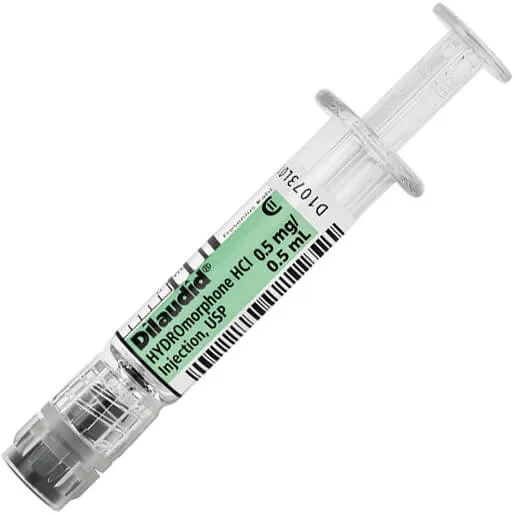
Indications and Uses of Hydromorphone
Hydromorphone is indicated for a variety of pain conditions, leveraging its strong opioid properties:
Acute Postoperative Pain: Alleviates severe pain following major surgeries (e.g., orthopedic, abdominal), per anesthesia guidelines, supported by clinical trials showing rapid onset within 15 minutes.
Chronic Cancer Pain: Manages persistent pain in advanced cancer patients, improving quality of life, recommended in oncology protocols with evidence of sustained relief.
Severe Injury Pain: Treats trauma-induced pain (e.g., fractures, burns), reducing suffering, with emergency medicine data.
Sickle Cell Crisis Pain: Investigated off-label to manage vaso-occlusive crises, with hematology-pain management studies.
Neuropathic Pain: Used off-label for refractory cases (e.g., diabetic neuropathy), with neurology research.
Palliative Care: Applied off-label in end-of-life care for dyspnea and pain, with hospice medicine evidence.
Labor Pain: Explored off-label as an adjunct in labor analgesia, with obstetrics-anesthesia data.
Post-Stroke Pain: Initiated off-label for central post-stroke pain, with neurology-pain studies.
Fibromyalgia Flare-Ups: Managed off-label for severe flares, with rheumatology evidence.
Renal Colic: Used off-label to relieve ureteral stone pain, with urology-emergency medicine research.
Dosage of Hydromorphone
Dosage for Adults
Acute Pain (Immediate-Release):
- Oral: 2–4 mg every 4–6 hours as needed.
- IM/IV: 1–2 mg every 3–6 hours, titrated based on response.
- Rectal: 3 mg every 6–8 hours.
Chronic Pain (Extended-Release):
- Oral (Exalgo): 8–16 mg every 24 hours, adjusted every 3–7 days based on pain control.
Cancer Pain:
- IV: 1–4 mg every 4 hours, with patient-controlled analgesia (PCA) options (e.g., 0.2–0.5 mg bolus).
Dosage for Children (≥6 months)
Acute Pain:
- Oral: 0.03–0.08 mg/kg every 4–6 hours, under pediatric pain management supervision.
- IV: 0.015–0.02 mg/kg every 3–6 hours, titrated cautiously.
Dosage for Pregnant Women
Pregnancy Category C: Use only if benefits outweigh risks; consult an obstetrician, with fetal monitoring for respiratory effects.
Dosage Adjustments
Renal Impairment:
- Mild (CrCl 50–80 mL/min): Reduce dose by 25%; severe (CrCl <30 mL/min): Reduce by 50%.
Hepatic Impairment:
- Mild to moderate (Child-Pugh A or B): Reduce initial dose by 25–50%; severe (Child-Pugh C): Avoid.
Concomitant Medications: Adjust if combined with CNS depressants (e.g., benzodiazepines); monitor for sedation.
Elderly: Start with 25% lower dose; titrate slowly due to increased sensitivity.
Opioid-Naive Patients: Begin with the lowest effective dose (e.g., 2 mg oral) to minimize respiratory risk.
Additional Considerations
- Administer this active ingredient with food to reduce gastrointestinal irritation.
- Use PCA pumps for hospitalized patients to allow self-titration within safe limits.
- Taper dose gradually when discontinuing to prevent withdrawal symptoms.
How to Use Hydromorphone
Administration:
Oral: Swallow tablets whole with water; do not crush or chew extended-release forms.
IV: Administer slowly over 2–5 minutes or via PCA pump under supervision.
Rectal: Insert suppository high into the rectum, remain lying down for 15–30 minutes.
Timing: Take as scheduled or on-demand for acute pain, with extended-release dosed once daily.
Monitoring: Watch for shallow breathing, confusion, or signs of overdose (e.g., pinpoint pupils); report changes immediately.
Additional Tips:
- Store at 20–25°C (68–77°F), protecting from light and moisture.
- Keep out of reach of children due to overdose risk; use lockable storage.
- Educate patients on safe storage and disposal (e.g., drug take-back programs).
- Use with a bowel regimen (e.g., laxatives) to prevent constipation.
- Schedule regular assessments every 1–2 days during initiation to adjust dose and monitor side effects.
Contraindications for Hydromorphone
Hypersensitivity: Patients with a known allergy to Hydromorphone or other opioids.
Severe Respiratory Depression: Contraindicated in acute or severe asthma or hypercapnia.
Paralytic Ileus: Avoid in bowel obstruction due to risk of worsening.
Acute Intoxication: Contraindicated with alcohol, sedatives, or hypnotics due to additive effects.
Monoamine Oxidase Inhibitors (MAOIs): Avoid within 14 days due to serotonin syndrome risk.
Severe Hepatic Failure: Contraindicated in Child-Pugh Class C due to impaired metabolism.
Moderate to Severe Renal Failure: Avoid in CrCl <30 mL/min without dose adjustment expertise.
Warnings & Precautions for Hydromorphone
General Warnings
Respiratory Depression: Risk of life-threatening breathing issues; monitor respiratory rate and oxygen saturation.
Addiction, Abuse, and Misuse: High potential for opioid use disorder; use risk evaluation tools (e.g., ORT).
Adrenal Insufficiency: Rare risk with prolonged use; monitor cortisol levels.
Severe Hypotension: Risk in hypovolemic patients; assess blood pressure regularly.
Gastrointestinal Obstruction: Risk of ileus; avoid in suspected cases.
Additional Warnings
Neonatal Opioid Withdrawal: Risk with maternal use; monitor newborns if exposed in late pregnancy.
QT Prolongation: Rare risk with high doses; monitor ECG in at-risk patients.
Sleep-Disordered Breathing: Risk of apnea in patients with sleep apnea; use cautiously.
Hypogonadism: Long-term risk of hormonal changes; assess testosterone levels.
Hypersensitivity Reactions: Rare anaphylaxis; discontinue if severe.
Use in Specific Populations
Pregnancy: Category C; use with caution, monitoring fetal distress.
Breastfeeding: Use caution; monitor infant for sedation or withdrawal.
Elderly: Higher risk of sedation and respiratory depression; start low and titrate slowly.
Children: Safe with pediatric oversight; avoid in infants <6 months.
Renal/Hepatic Impairment: Adjust or avoid based on severity.
Additional Precautions
- Inform your doctor about respiratory conditions, substance use history, or liver disease before starting this medication.
- Avoid alcohol or CNS depressants to reduce overdose risk.
- Use naloxone as an emergency reversal agent if available.
Overdose and Management of Hydromorphone
Overdose Symptoms
- Slow or shallow breathing, extreme drowsiness, or pinpoint pupils.
- Severe cases: Respiratory arrest, coma, or circulatory collapse.
- Nausea, confusion, or cold/clammy skin as early signs.
- Death from hypoxia with extremely high doses.
Immediate Actions
Contact the Medical Team: Seek immediate medical help if overdose is suspected.
Supportive Care: Administer oxygen, support ventilation, and monitor vital signs.
Specific Treatment: Use naloxone (0.4–2 mg IV, repeat every 2–3 minutes) to reverse opioid effects; titrate to response.
Monitor: Check respiratory rate, oxygen saturation, and consciousness for 24–48 hours; observe for re-sedation.
Patient Education: Advise keeping naloxone accessible and educating household members on its use.
Additional Notes
- Overdose risk is high with misuse or in opioid-naive patients; store securely.
- Report persistent symptoms (e.g., difficulty breathing, unresponsiveness) promptly.
Side Effects of Hydromorphone
Common Side Effects
- Drowsiness (20–30%, decreases with tolerance)
- Constipation (15–25%, managed with laxatives)
- Nausea (10–20%, relieved with antiemetics)
- Dizziness (10–15%, reduced with hydration)
- Itching (5–10%, treated with antihistamines)
These effects may subside with adaptation or dose adjustment.
Serious Side Effects
Seek immediate medical attention for:
- Respiratory: Severe depression or apnea.
- Neurological: Seizures or coma.
- Cardiovascular: Hypotension or bradycardia.
- Gastrointestinal: Bowel obstruction or perforation.
- Allergic: Anaphylaxis or severe rash.
Additional Notes
Regular monitoring with respiratory assessments and bowel function checks every 1–2 days is essential during initiation.
Patients with a history of sleep apnea should use pulse oximetry at night to detect hypoxia.
Report any unusual symptoms (e.g., shallow breathing, severe abdominal pain) immediately to a healthcare provider.
Long-term use (>3 months) requires screening for hypogonadism and osteoporosis risk.
Drug Interactions with Hydromorphone
This active ingredient may interact with:
- CNS Depressants: Increases sedation (e.g., benzodiazepines, alcohol); avoid combination.
- MAOIs: Enhances serotonin syndrome risk; avoid within 14 days.
- Anticholinergics: Potentiates constipation and urinary retention; monitor.
- CYP3A4 Inhibitors: Raises levels (e.g., ketoconazole); reduce dose.
- Serotonergic Drugs: Increases serotonin syndrome risk (e.g., SSRIs); use cautiously.
Action: Provide your healthcare provider with a complete list of medications.
Patient Education or Lifestyle
Medication Adherence: Use this opioid as prescribed for pain, following the exact schedule.
Monitoring: Report breathing difficulties, confusion, or signs of overdose immediately.
Lifestyle: Avoid driving or operating machinery; engage in light activity to prevent constipation.
Diet: Increase fiber and water intake to manage constipation.
Emergency Awareness: Know signs of overdose or withdrawal; seek care if present.
Follow-Up: Schedule regular check-ups every 1–2 weeks to monitor pain, side effects, and dependency risk.
Pharmacokinetics of Hydromorphone
Absorption: Oral, peak at 0.5–1 hour; bioavailability ~25–50% (first-pass effect).
Distribution: Volume of distribution ~4 L/kg; 8–19% protein-bound.
Metabolism: Hepatic via glucuronidation to hydromorphone-3-glucuronide (inactive).
Excretion: Primarily renal (70–80% as metabolites); half-life 2–3 hours.
Half-Life: 2–3 hours, with active metabolites accumulating in renal impairment.
Pharmacodynamics of Hydromorphone
This drug exerts its effects by:
Binding to mu-opioid receptors, reducing pain signal transmission in the spinal cord and brain.
Producing euphoria and sedation, contributing to abuse potential.
Exhibiting dose-dependent risks of respiratory depression and tolerance.
Storage of Hydromorphone
Temperature: Store at 20–25°C (68–77°F); protect from light and moisture.
Protection: Keep in original container, away from heat and humidity.
Safety: Store in a locked location out of reach of children and pets due to overdose risk.
Disposal: Dispose of unused tablets or syringes via drug take-back programs or follow local regulations.
Frequently Asked Questions (FAQs)
Q: What does Hydromorphone treat?
A: This medication treats moderate to severe pain.
Q: Can this active ingredient cause drowsiness?
A: Yes, drowsiness is common; avoid driving.
Q: Is Hydromorphone safe for children?
A: Yes, with pediatric supervision.
Q: How is this drug taken?
A: Orally, via injection, or rectally, as directed.
Q: How long is Hydromorphone treatment?
A: Varies from days to months, with tapering.
Q: Can I use Hydromorphone if pregnant?
A: Yes, with caution; consult a doctor.
Regulatory Information
This medication is approved by:
U.S. Food and Drug Administration (FDA): Approved in 1984 (Dilaudid) for pain management, with controlled substance scheduling (Schedule II).
European Medicines Agency (EMA): Approved for severe pain relief.
Other Agencies: Approved globally for analgesia; consult local guidelines.
References
- U.S. Food and Drug Administration (FDA). (2023). Dilaudid (Hydromorphone) Prescribing Information.
- Official FDA documentation detailing the drug’s approved uses, dosage, and safety.
- European Medicines Agency (EMA). (2023). Hydromorphone Summary of Product Characteristics.
- EMA’s comprehensive information on the medication’s indications and precautions in Europe.
- National Institutes of Health (NIH). (2023). Hydromorphone: MedlinePlus Drug Information.
- NIH resource providing detailed information on the drug’s uses, side effects, and precautions.
- World Health Organization (WHO). (2023). WHO Model List of Essential Medicines: Hydromorphone.
- WHO’s consideration of Hydromorphone for pain relief.
- Pain Medicine. (2022). Hydromorphone in Cancer Pain.
- Peer-reviewed article on Hydromorphone efficacy (note: access may require a subscription).
