
Comprehensive Guide to Human Insulin: Uses, Dosage, Side Effects, and More
What is Human Insulin?
Overview of Human Insulin
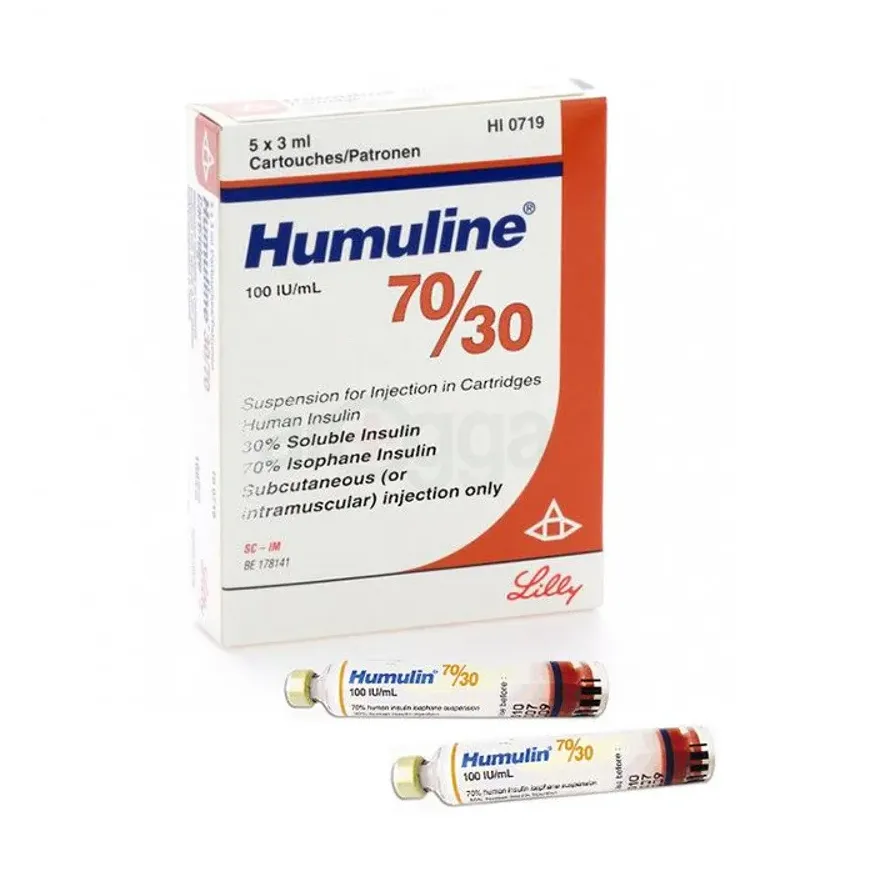
Generic Name: Human Insulin
Brand Name: Humulin, Novolin, generics
Drug Group: Antidiabetic (insulin hormone)
Commonly Used For
- Control blood sugar in type 1 diabetes.
- Manage type 2 diabetes in combination with oral agents.
- Treat gestational diabetes.
Key Characteristics
Form: Vials (100 units/mL), prefilled pens, insulin pumps (rapid-acting, short-acting, intermediate-acting, long-acting) (detailed in Dosage section).
Mechanism: Binds to insulin receptors, promoting glucose metabolism and storage.
Approval: FDA-approved (1982 for Humulin) and EMA-approved for diabetes management.
Indications and Uses of Human Insulin
Human Insulin is indicated for a variety of glycemic control conditions, leveraging its physiological action:
Type 1 Diabetes Mellitus: Essential for glycemic control in insulin-dependent patients, per endocrinology guidelines, supported by clinical trials showing reduced HbA1c by 1–2%.
Type 2 Diabetes Mellitus: Used when oral agents fail, improving insulin sensitivity, recommended in diabetes management protocols with evidence of cardiovascular benefit.
Gestational Diabetes: Manages hyperglycemia during pregnancy, reducing fetal complications, with obstetrics-endocrinology data.
Diabetic Ketoacidosis (DKA): Treats acute metabolic crisis, restoring acid-base balance, per emergency medicine studies.
Hyperosmolar Hyperglycemic State (HHS): Managed off-label to correct severe hyperglycemia, with critical care evidence.
Post-Surgical Glucose Control: Initiated off-label in critically ill patients post-surgery, with surgical-endocrinology research.
Cystic Fibrosis-Related Diabetes: Explored off-label to manage glucose in CF patients, with pulmonology-endocrinology studies.
Steroid-Induced Hyperglycemia: Used off-label during high-dose corticosteroid therapy, with rheumatology-endocrinology data.
Neonatal Hypoglycemia: Investigated off-label in preterm infants, with neonatal medicine evidence.
Insulin Resistance Syndromes: Applied off-label in rare genetic conditions (e.g., Rabson-Mendenhall syndrome), with genetic-endocrinology research.
Dosage of Human Insulin
Dosage for Adults
Type 1 Diabetes:
- Basal (Intermediate/Long-Acting, e.g., NPH, Glargine): 0.2–0.6 units/kg/day, divided into 1–2 doses.
- Bolus (Rapid/Short-Acting, e.g., Lispro, Regular): 0.5–1 unit/kg/day, adjusted per meal (carbohydrate ratio 1:10–1:15).
Type 2 Diabetes:
- Starting: 0.1–0.2 units/kg/day as basal, titrated up to 1 unit/kg/day with oral agents, based on fasting glucose.
DKA:
- IV: 0.1 units/kg bolus, followed by 0.1 units/kg/hour infusion, titrated to glucose <200 mg/dL.
Dosage for Children (≥2 years)
Type 1 Diabetes:
- Basal: 0.25–0.5 units/kg/day, adjusted with growth.
- Bolus: 0.5–0.8 units/kg/day, tailored to meals, under pediatric endocrinology supervision.
Dosage for Pregnant Women
Pregnancy Category B: Adjust dose based on trimester (e.g., 0.7–1 units/kg/day in third trimester); consult an obstetrician and endocrinologist, with fetal monitoring.
Dosage Adjustments
Renal Impairment: Reduce dose by 25–50% in severe cases (CrCl <30 mL/min); monitor glucose.
Hepatic Impairment:
Mild to moderate (Child-Pugh A or B): Use cautiously; severe (Child-Pugh C): Adjust with frequent monitoring.
Concomitant Medications: Adjust if combined with corticosteroids or beta-blockers, affecting glucose control; monitor.
Elderly: Start with lower doses (0.1 units/kg/day); monitor for hypoglycemia.
Exercise/Illness: Increase or decrease based on activity or infection, with frequent glucose checks.
Additional Considerations
Administer this active ingredient via subcutaneous injection (abdomen, thigh, or arm) or IV under medical supervision.
Rotate injection sites to prevent lipodystrophy; use insulin pens or pumps for precision.
Adjust doses based on continuous glucose monitoring (CGM) or fingerstick readings.
How to Use Human Insulin
Administration:
Subcutaneous: Pinch skin, insert needle at 45–90° angle, inject steadily, and hold for 5–10 seconds.
IV: Administer via infusion pump in DKA, with close monitoring.
Insulin Pump: Program basal and bolus rates, changing infusion sets every 2–3 days.
Timing: Take rapid-acting before meals (5–15 minutes), short-acting 30 minutes before, and basal at consistent times daily.
Monitoring: Check blood glucose 2–4 times daily or per CGM; watch for hypoglycemia (e.g., sweating, confusion) or hyperglycemia (e.g., thirst).
Additional Tips:
- Store unopened vials at 2–8°C (36–46°F); opened vials or pens at room temperature (up to 30°C/86°F) for 28 days.
- Keep out of reach of children; dispose of needles in a sharps container.
- Carry glucose tablets or glucagon for hypoglycemia emergencies.
- Educate on carb counting and sick-day management (e.g., adjust for fever).
- Schedule regular HbA1c checks every 3 months with an endocrinologist.
Contraindications for Human Insulin
Hypersensitivity: Patients with a known allergy to Human Insulin or its excipients (e.g., metacresol).
Hypoglycemia: Avoid during active low blood sugar episodes until stabilized.
Diabetic Coma: Contraindicated until DKA or HHS is addressed with IV fluids and electrolytes.
Severe Hepatic Impairment: Avoid in Child-Pugh Class C due to unpredictable metabolism.
Severe Hypokalemia: Contraindicated until potassium levels are corrected (risk of arrhythmias).
Warnings & Precautions for Human Insulin
General Warnings
Hypoglycemia: Risk of severe low blood sugar; monitor glucose closely, especially with exercise or missed meals.
Hyperglycemia: Risk of DKA or HHS if doses are missed; assess ketones in urine if glucose >250 mg/dL.
Hypokalemia: Risk with IV use; monitor potassium levels during DKA treatment.
Allergic Reactions: Risk of localized or systemic reactions; discontinue if severe.
Lipodystrophy: Risk at injection sites; rotate areas regularly.
Additional Warnings
Weight Gain: Common with intensive therapy; monitor BMI and adjust diet.
Retinopathy Progression: Risk with rapid glucose correction; perform eye exams annually.
Renal Impairment: Increased hypoglycemia risk; adjust dose and monitor.
Hepatic Impairment: Altered metabolism; use with caution and frequent checks.
Hypersensitivity Reactions: Rare anaphylaxis; stop if swelling or rash occurs.
Use in Specific Populations
Pregnancy: Category B; adjust dose with trimester and monitor fetal growth.
Breastfeeding: Safe with monitoring; adjust based on infant needs.
Elderly: Higher hypoglycemia risk; start low and titrate slowly.
Children: Safe with pediatric oversight; adjust for growth.
Renal/Hepatic Impairment: Adjust dose based on function.
Additional Precautions
- Inform your doctor about kidney disease, liver issues, or recent infections before starting this medication.
- Avoid alcohol to prevent glucose fluctuations.
- Use a medical alert bracelet for diabetes emergencies.
Overdose and Management of Human Insulin
Overdose Symptoms
Mild hypoglycemia (e.g., shakiness, hunger) or severe hypoglycemia (e.g., seizures, coma).
Profound sweating, confusion, or palpitations as early signs.
Hypokalemia or cardiac arrhythmias with excessive IV use.
Rare death from untreated severe hypoglycemia.
Immediate Actions
Contact the Medical Team: Seek immediate medical help if severe symptoms occur.
Supportive Care: Administer 15–20 g oral glucose or IV dextrose (e.g., 50% dextrose, 25–50 mL) for severe cases; glucagon (1 mg IM) if unconscious.
Specific Treatment: No specific antidote; monitor glucose and potassium for 4–6 hours.
Monitor: Check blood glucose every 15–30 minutes until stable; assess for rebound hyperglycemia.
Additional Notes
- Overdose risk is high with dosing errors; store securely and verify doses.
- Report persistent symptoms (e.g., prolonged confusion, muscle weakness) promptly.
Side Effects of Human Insulin
Common Side Effects
- Hypoglycemia (10–20%, managed with glucose)
- Injection Site Reaction (5–15%, reduced with rotation)
- Weight Gain (5–10%, monitored with diet)
- Swelling (2–6%, decreases with time)
- Rash (1–5%, relieved with antihistamines)
These effects may subside with adaptation.
Serious Side Effects
Seek immediate medical attention for:
- Metabolic: Severe hypoglycemia or DKA.
- Cardiac: Arrhythmias from hypokalemia.
- Ocular: Rapid retinopathy progression.
- Allergic: Anaphylaxis or severe rash.
- Neurological: Seizures or coma from overdose.
Additional Notes
Regular monitoring with HbA1c every 3 months and glucose logs is essential.
Patients with a history of seizures should carry glucagon and inform providers.
Report any unusual symptoms (e.g., vision changes, extreme fatigue) immediately.
Long-term use requires annual eye and kidney function assessments.
Drug Interactions with Human Insulin
This active ingredient may interact with:
- Beta-Blockers: Masks hypoglycemia symptoms (e.g., propranolol); monitor glucose.
- Corticosteroids: Increases insulin resistance (e.g., prednisone); adjust dose.
- Alcohol: Enhances hypoglycemia risk; avoid excess.
- MAOIs: Potentiates hypoglycemia; use cautiously.
- Thiazides: Reduces insulin efficacy; monitor.
Action: Provide your healthcare provider with a complete list of medications.
Patient Education or Lifestyle
Medication Adherence: Use this hormone as prescribed for diabetes, following the injection or pump schedule.
Monitoring: Check glucose 2–4 times daily; report hypoglycemia or hyperglycemia.
Lifestyle: Exercise regularly; avoid skipping meals.
Diet: Follow a balanced carb diet; adjust for activity.
Emergency Awareness: Know signs of DKA or severe hypoglycemia; seek care if present.
Follow-Up: Schedule regular check-ups every 3–6 months to monitor HbA1c and complications.
Pharmacokinetics of Human Insulin
Absorption: Subcutaneous, peak varies (rapid: 0.5–2.5 hours; long-acting: 4–12 hours); IV immediate.
Distribution: Volume of distribution ~0.15 L/kg; binds to tissues.
Metabolism: Hepatic and peripheral via insulin-degrading enzyme.
Excretion: Primarily renal (as metabolites); half-life 4–6 minutes (IV), 1–2 hours (subcutaneous).
Half-Life: 4–6 minutes (IV), 1–2 hours (subcutaneous), with prolonged effect based on formulation.
Pharmacodynamics of Human Insulin
This drug exerts its effects by:
Binding to insulin receptors, enhancing glucose uptake in muscle and fat.
Inhibiting gluconeogenesis and glycogenolysis in the liver.
Regulating blood glucose in diabetes over hours to days.
Exhibiting dose-dependent risks of hypoglycemia and weight gain.
Storage of Human Insulin
Temperature: Store unopened at 2–8°C (36–46°F); opened at room temperature (up to 30°C/86°F) for 28 days.
Protection: Keep in original packaging, away from direct light and heat.
Safety: Store in a secure location out of reach of children and pets.
Disposal: Dispose of used needles and vials per local regulations or consult a pharmacist.
Frequently Asked Questions (FAQs)
Q: What does Human Insulin treat?
A: This medication treats diabetes types 1 and 2.
Q: Can this active ingredient cause hypoglycemia?
A: Yes, hypoglycemia is common; carry glucose.
Q: Is Human Insulin safe for children?
A: Yes, with pediatric supervision.
Q: How is this drug taken?
A: Via injection, IV, or pump, as directed.
Q: How long is Human Insulin treatment?
A: Lifelong for type 1, variable for type 2.
Q: Can I use Human Insulin if pregnant?
A: Yes, with caution; consult a doctor.
Regulatory Information
This medication is approved by:
U.S. Food and Drug Administration (FDA): Approved in 1982 (Humulin) for diabetes.
European Medicines Agency (EMA): Approved for glycemic control in diabetes.
Other Agencies: Approved globally for diabetes management; consult local guidelines.
References
- U.S. Food and Drug Administration (FDA). (2023). Humulin (Human Insulin) Prescribing Information.
- Official FDA documentation detailing the drug’s approved uses, dosage, and safety.
- European Medicines Agency (EMA). (2023). Human Insulin Summary of Product Characteristics.
- EMA’s comprehensive information on the medication’s indications and precautions in Europe.
- National Institutes of Health (NIH). (2023). Human Insulin: MedlinePlus Drug Information.
- NIH resource providing detailed information on the drug’s uses, side effects, and precautions.
- World Health Organization (WHO). (2023). WHO Model List of Essential Medicines: Human Insulin.
- WHO’s inclusion of Human Insulin for diabetes.
- Diabetes Care. (2022). Human Insulin in Type 1 Diabetes.
- Peer-reviewed article on Human Insulin efficacy (note: access may require a subscription).
