
Comprehensive Guide to Haloperidol: Uses, Dosage, Side Effects, and More
What is Haloperidol?
Overview of Haloperidol
Generic Name: Haloperidol
Brand Name: Haldol, generics
Drug Group: Typical antipsychotic (dopamine antagonist)
Commonly Used For
- Treat schizophrenia and psychosis.
- Manage agitation in dementia.
- Control severe tics in Tourette syndrome.
Key Characteristics
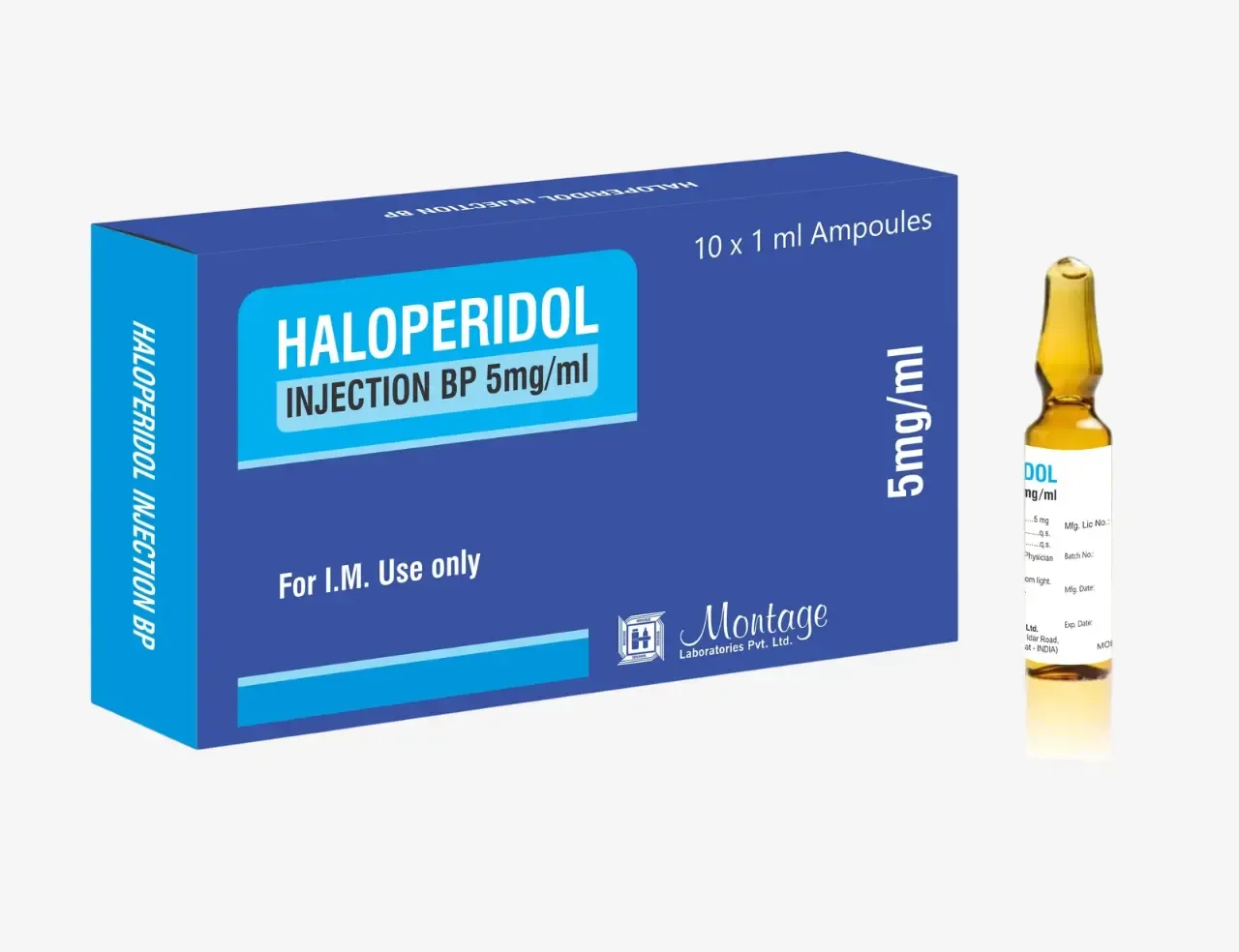
Form: Oral tablets (0.5 mg, 1 mg, 2 mg, 5 mg, 10 mg), oral solution (2 mg/mL), IM injection (5 mg/mL), or IV (hospital use) (detailed in Dosage section).
Mechanism: Antagonizes dopamine D2 receptors, reducing psychotic symptoms.
Approval: FDA-approved (1967 for Haldol) and EMA-approved for schizophrenia and agitation.
Indications and Uses of Haloperidol
Haloperidol is indicated for a variety of psychiatric, neurological, and behavioral conditions, leveraging its dopamine-blocking properties:
Schizophrenia: Alleviates positive symptoms (e.g., hallucinations, delusions) and negative symptoms (e.g., social withdrawal), per psychiatry guidelines, supported by clinical trials showing symptom reduction within 1–2 weeks.
Acute Psychosis: Manages severe agitation or delusional states in emergency settings, recommended in psychiatric protocols with evidence of rapid sedation.
Tourette Syndrome: Controls motor and vocal tics, improving quality of life, with neurology data.
Agitation in Dementia: Treats severe behavioral disturbances (e.g., aggression), per geriatric psychiatry studies.
Bipolar Mania: Investigated off-label to manage acute manic episodes, with mood disorder research.
Delirium: Used off-label in ICU settings to reduce agitation, with critical care evidence.
Huntington’s Disease: Applied off-label to manage chorea and irritability, with movement disorder studies.
Severe Insomnia: Explored off-label for refractory insomnia with agitation, with sleep medicine data.
Post-Traumatic Stress Disorder (PTSD): Initiated off-label to reduce hyperarousal, with trauma psychiatry research.
Alcohol Withdrawal Delirium: Managed off-label to control delirium tremens, with addiction medicine evidence.
Dosage of Haloperidol
Important Note: The dosage of this antipsychotic must be prescribed by a healthcare provider. Dosing varies by indication, route, and patient response, with adjustments based on clinical evaluation and side effect monitoring.
Dosage for Adults
Schizophrenia:
- Oral: 0.5–5 mg 2–3 times daily, titrated to 10–20 mg/day based on response, with a maximum of 100 mg/day in severe cases.
- IM: 2–5 mg every 4–8 hours, up to 15 mg/day initially.
Acute Psychosis or Agitation:
- IM: 2–10 mg, repeated every 60 minutes if needed (max 20 mg/day); IV use (5–10 mg) in controlled settings.
Tourette Syndrome:
- Oral: 0.5–2 mg 2–3 times daily, adjusted to 5–10 mg/day based on tic control.
Dosage for Children (≥3 years)
Behavioral Disorders or Tics:
- Oral: 0.025–0.05 mg/kg/day divided into 2–3 doses, titrated to 0.15 mg/kg/day, under pediatric psychiatry supervision.
- Maximum: 6 mg/day for children under 12 years.
Dosage for Pregnant Women
Pregnancy Category C: Use only if benefits outweigh risks; consult an obstetrician and psychiatrist, with fetal monitoring.
Dosage Adjustments
Renal Impairment: Reduce dose by 50% in severe cases (CrCl <10 mL/min); monitor for accumulation.
Hepatic Impairment:
Mild to moderate (Child-Pugh A or B): Use cautiously; severe (Child-Pugh C): Avoid due to metabolism concerns.
Concomitant Medications: Adjust if combined with CYP3A4 inhibitors (e.g., ketoconazole) or CNS depressants (e.g., lorazepam); monitor sedation.
Elderly: Start with 0.25–0.5 mg 1–2 times daily; titrate slowly due to EPS risk.
Dehydration or Hypovolemia: Reduce dose to prevent hypotension or NMS.
Additional Considerations
- Administer this active ingredient with food or water to reduce gastrointestinal irritation.
- Use the lowest effective dose for the shortest duration to minimize side effects.
How to Use Haloperidol
Administration:
Oral: Swallow tablets whole or mix solution with juice/water, taken with or without food.
IM: Inject deeply into a large muscle (e.g., gluteal); rotate sites to avoid irritation.
IV: Administer slowly (over 5–10 minutes) under medical supervision with monitoring.
Timing: Take or administer at consistent intervals, often twice daily for oral forms.
Monitoring: Watch for muscle stiffness, fever, or signs of NMS (e.g., confusion, rigidity); report changes immediately.
Additional Tips:
- Store at 15–30°C (59–86°F), protecting from light and moisture.
- Keep out of reach of children due to overdose risk.
- Educate patients on recognizing EPS (e.g., tremors) and reporting promptly.
- Use with supportive care (e.g., hydration) in acute settings to manage side effects.
- Schedule regular neurological exams every 1–2 weeks during initial therapy.
Contraindications for Haloperidol
Hypersensitivity: Patients with a known allergy to Haloperidol or other butyrophenones.
Parkinson’s Disease: Contraindicated due to worsening motor symptoms.
Comatose States: Avoid in patients with severe CNS depression or coma.
Severe Toxic CNS Depression: Contraindicated with alcohol or barbiturate overdose.
QT Prolongation Syndrome: Avoid in patients with known or suspected long QT interval.
Pheochromocytoma: Contraindicated due to hypertensive crisis risk.
Myasthenia Gravis: Avoid due to potential muscle weakness exacerbation.
Severe Liver Disease: Contraindicated in Child-Pugh Class C due to impaired metabolism.
Warnings & Precautions for Haloperidol
General Warnings
Neuroleptic Malignant Syndrome (NMS): Risk of fever, muscle rigidity, and autonomic instability; discontinue if suspected.
Tardive Dyskinesia: Risk of irreversible movement disorders with long-term use; monitor regularly.
QT Prolongation: Risk of torsades de pointes; perform ECG before and during therapy.
Extrapyramidal Symptoms (EPS): Risk of dystonia, akathisia, or parkinsonism; use anticholinergics if needed.
Seizure Threshold Lowering: Risk in patients with a history of seizures; monitor closely.
Additional Warnings
Hypotension: Risk of orthostatic hypotension, especially with IV use; monitor blood pressure.
Hyperprolactinemia: Risk of galactorrhea or amenorrhea; assess pituitary function.
Liver Toxicity: Rare elevation of liver enzymes; check hepatic function monthly.
Sudden Death: Rare risk in elderly with dementia-related psychosis; avoid unless critical.
Hypersensitivity Reactions: Rare anaphylaxis or rash; stop if severe.
Use in Specific Populations
Pregnancy: Category C; use with caution, monitoring fetal development.
Breastfeeding: Use caution; monitor infant for sedation or EPS.
Elderly: Higher EPS and NMS risk; start with low doses.
Children: Safe for short-term use with supervision.
Renal/Hepatic Impairment: Adjust or avoid in severe cases.
Additional Precautions
- Inform your doctor about seizure history, heart conditions, or medication allergies before starting this medication.
- Avoid alcohol to reduce sedation and hypotension risk.
- Use with behavioral therapy to enhance efficacy in chronic conditions.
Overdose and Management of Haloperidol
Overdose Symptoms
Sedation, confusion, or EPS (e.g., dystonia).
Severe cases: NMS, seizures, or cardiac arrest.
Tachycardia, hypotension, or coma as early signs.
Respiratory depression or profound QT prolongation with extremely high doses.
Immediate Actions
Contact the Medical Team: Seek immediate medical help.
Supportive Care: Monitor vital signs, provide IV fluids, and manage seizures with benzodiazepines if needed.
Specific Treatment: No specific antidote; use activated charcoal if recent ingestion and physostigmine for severe EPS under specialist guidance.
Monitor: Check ECG, temperature, and neurological status for 24–48 hours.
Patient Education: Advise against self-adjusting doses and to store safely.
Additional Notes
- Overdose risk is significant with accidental ingestion; store securely.
- Report persistent symptoms (e.g., severe muscle stiffness, irregular heartbeat) promptly.
Side Effects of Haloperidol
Common Side Effects
- Extrapyramidal Symptoms (EPS) (10–20%, managed with anticholinergics)
- Sedation (5–15%, decreases with time)
- Dry Mouth (5–10%, relieved with hydration)
- Constipation (3–8%, managed with fiber)
- Weight Gain (2–6%, controlled with diet)
These effects may subside with adaptation or dose adjustment.
Serious Side Effects
Seek immediate medical attention for:
- Neurological: Tardive dyskinesia, NMS, or seizures.
- Cardiac: QT prolongation or torsades de pointes.
- Metabolic: Hyperprolactinemia or diabetes mellitus.
- Hepatic: Jaundice or liver failure.
- Allergic: Rash, angioedema, or anaphylaxis.
Additional Notes
Regular monitoring with ECG and AIMS (Abnormal Involuntary Movement Scale) every 3–6 months is essential for long-term use.
Patients with a history of diabetes should monitor glucose levels due to metabolic risks.
Report any unusual symptoms (e.g., uncontrollable movements, fever) immediately to a healthcare provider.
Long-term use (>6 months) requires baseline and follow-up liver function tests and prolactin levels.
Drug Interactions with Haloperidol
This active ingredient may interact with:
- CYP3A4 Inhibitors: Increases levels (e.g., erythromycin); reduce dose.
- CNS Depressants: Enhances sedation (e.g., benzodiazepines); monitor.
- Antiarrhythmics: Potentiates QT prolongation (e.g., amiodarone); avoid.
- Antihypertensives: Amplifies hypotension; adjust dose.
- Levodopa: Reduces efficacy; avoid combination.
Action: Provide your healthcare provider with a complete list of medications.
Patient Education or Lifestyle
Medication Adherence: Use this antipsychotic as prescribed for psychosis or tics, following the schedule.
Monitoring: Report muscle stiffness, fever, or signs of NMS immediately.
Lifestyle: Avoid alcohol; engage in light exercise to manage weight.
Diet: Maintain a balanced diet; increase fiber to prevent constipation.
Emergency Awareness: Know signs of overdose or NMS; seek care if present.
Follow-Up: Schedule regular check-ups every 1–3 months to monitor EPS and metabolic health.
Pharmacokinetics of Haloperidol
Absorption: Oral, peak at 2–6 hours; IM peak at 10–20 minutes; bioavailability ~60–70%.
Distribution: Volume of distribution ~18–30 L/kg; 90% protein-bound.
Metabolism: Hepatic via CYP2D6 and CYP3A4 to reduced haloperidol.
Excretion: Primarily renal (40% as metabolites); half-life 12–38 hours.
Half-Life: 12–38 hours, prolonged in poor metabolizers.
Pharmacodynamics of Haloperidol
This drug exerts its effects by:
Blocking dopamine D2 receptors in the mesolimbic pathway, reducing psychotic symptoms.
Inhibiting dopamine in the striatum, causing EPS as a side effect.
Exhibiting dose-dependent risks of NMS and tardive dyskinesia.
Storage of Haloperidol
Temperature: Store at 15–30°C (59–86°F); protect from light and moisture.
Protection: Keep in original container, away from heat and humidity.
Safety: Store in a secure location out of reach of children and pets due to overdose risk.
Disposal: Dispose of unused tablets or solution per local regulations or consult a pharmacist.
Frequently Asked Questions (FAQs)
Q: What does Haloperidol treat?
A: This medication treats schizophrenia and tics.
Q: Can this active ingredient cause stiffness?
A: Yes, muscle stiffness is common; report if severe.
Q: Is Haloperidol safe for children?
A: Yes, with supervision for specific conditions.
Q: How is this drug taken?
A: Orally, IM, or IV, as directed.
Q: How long is Haloperidol treatment?
A: Varies from days to months, with monitoring.
Q: Can I use Haloperidol if pregnant?
A: Yes, with caution; consult a doctor.
Regulatory Information
This medication is approved by:
U.S. Food and Drug Administration (FDA): Approved in 1967 (Haldol) for schizophrenia and agitation.
European Medicines Agency (EMA): Approved for psychosis, Tourette syndrome, and behavioral disorders.
Other Agencies: Approved globally for psychiatric use; consult local guidelines.
References
- U.S. Food and Drug Administration (FDA). (2023). Haldol (Haloperidol) Prescribing Information.
- Official FDA documentation detailing the drug’s approved uses, dosage, and safety.
- European Medicines Agency (EMA). (2023). Haloperidol Summary of Product Characteristics.
- EMA’s comprehensive information on the medication’s indications and precautions in Europe.
- National Institutes of Health (NIH). (2023). Haloperidol: MedlinePlus Drug Information.
- NIH resource providing detailed information on the drug’s uses, side effects, and precautions.
- World Health Organization (WHO). (2023). WHO Model List of Essential Medicines: Haloperidol.
- WHO’s inclusion of Haloperidol for psychiatric conditions.
- Journal of Clinical Psychiatry. (2022). Haloperidol in Schizophrenia.
- Peer-reviewed article on Haloperidol efficacy (note: access may require a subscription).
