
Comprehensive Guide to Guaifenesin: Uses, Dosage, Side Effects, and More
What is Guaifenesin?
Overview of Guaifenesin
Generic Name: Guaifenesin
Brand Name: Mucinex, Robitussin, generics
Drug Group: Expectorant (mucolytic)
Commonly Used For
- Relieve chest congestion due to colds.
- Loosen mucus in bronchitis.
- Alleviate symptoms of sinusitis.
Key Characteristics
Form: Oral tablets (200 mg, 400 mg, 600 mg), extended-release tablets (600 mg, 1200 mg), syrup (100 mg/5 mL) (detailed in Dosage section).
Mechanism: Increases respiratory tract fluid secretion and reduces mucus viscosity.
Approval: FDA-approved (2002 for Mucinex) and widely available in Europe for symptomatic relief.
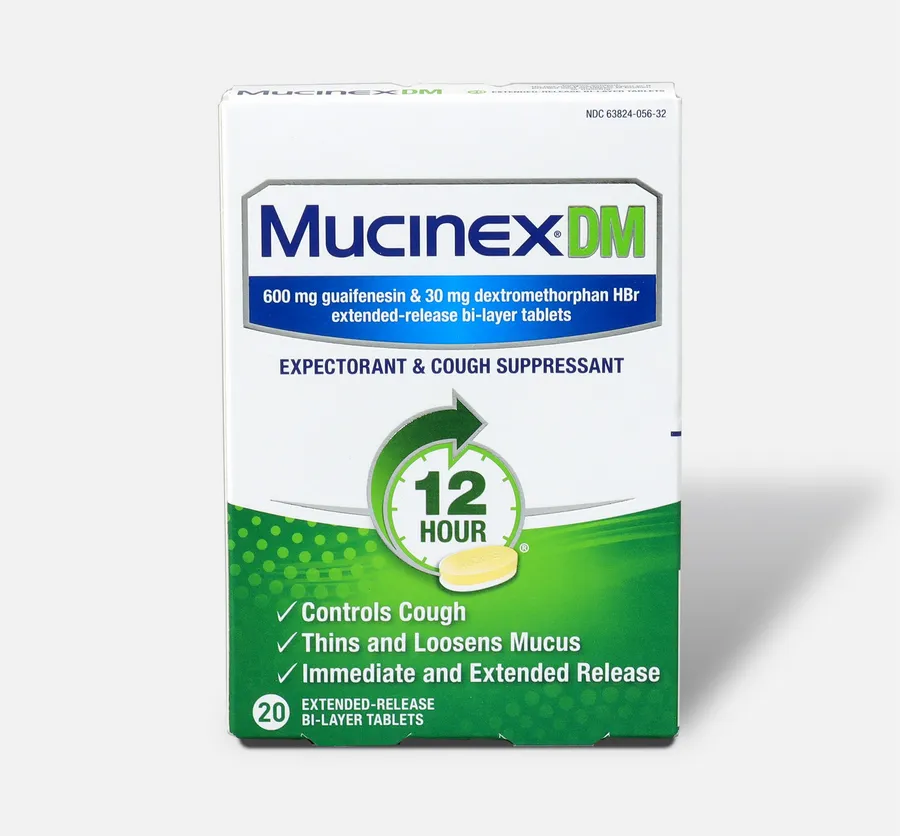
Indications and Uses of Guaifenesin
Guaifenesin is indicated for a variety of respiratory conditions, leveraging its mucolytic properties:
Common Cold: Relieves chest congestion and thick mucus, per general practice guidelines, supported by studies showing improved airway clearance within 24–48 hours.
Acute Bronchitis: Loosens mucus to ease coughing, reducing symptom severity, recommended in pulmonary medicine protocols with evidence of enhanced expectoration.
Sinusitis: Alleviates nasal and sinus congestion, improving drainage, with otolaryngology data.
Chronic Obstructive Pulmonary Disease (COPD): Investigated off-label to manage mucus hypersecretion, with pulmonology research.
Cystic Fibrosis: Explored off-label to thin viscous mucus in CF patients, with pediatric pulmonology evidence.
Allergic Rhinitis with Postnasal Drip: Used off-label to reduce thick mucus accumulation, with allergy studies.
Pneumonia (Supportive Care): Initiated off-label to aid mucus clearance in non-severe cases, with infectious disease data.
Laryngitis: Managed off-label to relieve vocal cord irritation from mucus, with otolaryngology research.
Bronchiectasis: Applied off-label to improve mucus mobilization, with respiratory therapy evidence.
Post-Viral Cough: Investigated off-label to shorten recovery time, with general medicine studies.
Dosage of Guaifenesin
Dosage for Adults
Immediate-Release: 200–400 mg every 4 hours, not exceeding 2,400 mg (2.4 g) per day.
Extended-Release: 600–1200 mg every 12 hours, not exceeding 2,400 mg per day.
Syrup: 10–20 mL (200–400 mg) every 4 hours, not exceeding 2,400 mg per day.
Dosage for Children
Ages 6–11 (Immediate-Release): 100–200 mg every 4 hours, not exceeding 1,200 mg per day, under supervision.
Ages 4–5 (Syrup): 50–100 mg every 4 hours, not exceeding 600 mg per day.
Ages 2–3 (Syrup): 25–50 mg every 4 hours, not exceeding 300 mg per day, with pediatric oversight.
Dosage for Pregnant Women
Pregnancy Category C: Use only if benefits outweigh risks; consult an obstetrician, with fetal monitoring.
Dosage Adjustments
Renal Impairment: No specific adjustment; monitor for accumulation in severe cases (CrCl <30 mL/min).
Hepatic Impairment:
Mild to moderate (Child-Pugh A or B): Use cautiously; severe (Child-Pugh C): Avoid due to limited data.
Concomitant Medications: Adjust if combined with cough suppressants (e.g., dextromethorphan) to avoid conflicting effects; monitor.
Elderly: Start with lower doses (e.g., 200 mg every 4 hours); assess for gastrointestinal tolerance.
Dehydration: Increase dose frequency only with adequate fluid intake; avoid in anuric patients.
Additional Considerations
- Take this active ingredient with a full glass of water to enhance mucus thinning.
- Do not crush or chew extended-release tablets; swallow whole.
- Avoid use beyond 7 days unless directed by a provider.
How to Use Guaifenesin
Administration:
Oral Tablets: Swallow with 8 ounces of water, taken every 4–6 hours as needed.
Extended-Release Tablets: Take with a full glass of water, every 12 hours, without breaking the tablet.
Syrup: Measure with a dosing spoon or syringe, taken with water to improve efficacy.
Timing: Use consistently, preferably with meals to reduce stomach upset, and increase fluid intake throughout the day.
Monitoring: Watch for dizziness, rash, or signs of allergic reaction (e.g., swelling); report changes immediately.
Additional Tips:
- Store at 20–25°C (68–77°F), protecting from moisture and light.
- Keep out of reach of children; use child-resistant packaging.
- Encourage steam inhalation or humidifiers as adjuncts to loosen mucus.
- Schedule follow-up if symptoms persist beyond 7 days to rule out underlying conditions.
- Educate patients on proper hydration (2–3 liters daily) to optimize expectorant action.
Contraindications for Guaifenesin
Hypersensitivity: Patients with a known allergy to Guaifenesin or its components.
Chronic Persistent Cough: Avoid in coughs due to smoking, asthma, or emphysema without medical advice.
Severe Renal Impairment: Contraindicated in anuria or severe renal failure (CrCl <15 mL/min).
Severe Hepatic Disease: Avoid in Child-Pugh Class C due to potential toxicity.
Gastrointestinal Obstruction: Contraindicated in patients with bowel obstruction or perforation.
Dehydrated Patients: Avoid without adequate fluid replacement due to risk of mucus thickening.
Warnings & Precautions for Guaifenesin
General Warnings
Gastrointestinal Upset: Risk of nausea or vomiting; take with food if persistent.
Allergic Reactions: Risk of rash or anaphylaxis; discontinue if severe.
Dizziness: Risk with high doses; avoid driving until tolerated.
Mucus Thickening: Risk if dehydrated; ensure adequate hydration.
Drug Dependence: Risk of overuse for symptom relief; limit to 7 days.
Additional Warnings
Respiratory Depression: Rare risk with overdose; monitor in vulnerable patients.
Kidney Stones: Theoretical risk with chronic use; assess in predisposed individuals.
Hypersensitivity Reactions: Rare angioedema or urticaria; stop if symptoms appear.
Interaction with Cough Suppressants: Risk of reduced efficacy; use cautiously.
Pediatric Use: Risk of overdose in young children; use age-appropriate doses.
Use in Specific Populations
Pregnancy: Category C; use with caution, monitoring fetal outcomes.
Breastfeeding: Use caution; monitor infant for gastrointestinal effects.
Elderly: Higher risk of dizziness or dehydration; start with lower doses.
Children: Safe for ages ≥2 with supervision.
Renal/Hepatic Impairment: Adjust or avoid in severe cases.
Additional Precautions
- Inform your doctor about kidney disease, chronic cough, or allergies before starting this medication.
- Avoid alcohol to prevent dehydration and increased dizziness.
- Use a humidifier to support respiratory health during therapy.
Overdose and Management of Guaifenesin
Overdose Symptoms
- Nausea, vomiting, or abdominal pain.
- Severe cases: Drowsiness, respiratory depression, or convulsions.
- Dizziness, headache, or rash as early signs.
- Coma or profound hypotension with extremely high doses.
Immediate Actions
Contact the Medical Team: Seek immediate medical help if overdose is suspected.
Supportive Care: Administer IV fluids, monitor vital signs, and manage seizures with benzodiazepines if needed.
Specific Treatment: No specific antidote; provide symptomatic care and gastric lavage if recent ingestion.
Monitor: Check respiratory rate, kidney function, and neurological status for 24–48 hours.
Patient Education: Advise against exceeding recommended doses and to store safely.
Additional Notes
- Overdose risk is low but possible with misuse; store securely and limit access.
- Report persistent symptoms (e.g., severe vomiting, confusion) promptly.
Side Effects of Guaifenesin
Common Side Effects
- Nausea (5–10%, managed with food)
- Dizziness (3–7%, decreases with rest)
- Headache (2–5%, relieved with hydration)
- Rash (1–4%, monitored for allergy)
- Vomiting (1–3%, controlled with smaller doses)
These effects may subside with adaptation or dose adjustment.
Serious Side Effects
Seek immediate medical attention for:
- Gastrointestinal: Severe vomiting or abdominal pain.
- Neurological: Convulsions or severe drowsiness.
- Respiratory: Respiratory depression or wheezing.
- Allergic: Anaphylaxis or angioedema.
- Renal: Signs of kidney stones (e.g., flank pain, hematuria).
Additional Notes
Regular monitoring for gastrointestinal tolerance and hydration status is advised.
Patients with a history of kidney stones should be monitored with urine analysis during prolonged use.
Report any unusual symptoms (e.g., persistent rash, difficulty breathing) immediately to a healthcare provider.
Long-term use (>14 days) requires renal function assessment to detect potential stone formation.
Drug Interactions with Guaifenesin
This active ingredient may interact with:
- Cough Suppressants: Reduces efficacy (e.g., dextromethorphan); avoid combination unless directed.
- Diuretics: Increases dehydration risk; monitor fluid intake.
- Alcohol: Enhances dizziness and dehydration; avoid use.
- Antihistamines: May thicken mucus if overused; use cautiously.
- Theophylline: Potential for increased side effects; monitor levels.
Action: Provide your healthcare provider with a complete list of medications.
Patient Education or Lifestyle
Medication Adherence: Use this expectorant as prescribed for congestion, following the dosing schedule.
Monitoring: Report dizziness, rash, or signs of overdose immediately.
Lifestyle: Maintain hydration with 2–3 liters of water daily; use a humidifier.
Diet: Take with food to reduce stomach upset; avoid dehydrating foods.
Emergency Awareness: Know signs of allergic reaction or respiratory distress; seek care if present.
Follow-Up: Schedule check-ups if symptoms persist beyond 7 days to assess underlying causes.
Pharmacokinetics of Guaifenesin
- Absorption: Oral, peak at 15–30 minutes; bioavailability ~90%.
- Distribution: Volume of distribution ~0.5 L/kg; minimal protein-binding.
- Metabolism: Hepatic to inactive glucuronide conjugates.
- Excretion: Primarily renal (as metabolites); half-life 1–5 hours.
- Half-Life: 1–5 hours, with effects lasting 4–6 hours.
Pharmacodynamics of Guaifenesin
This drug exerts its effects by:
Stimulating respiratory tract secretions, reducing mucus viscosity.
Enhancing ciliary action to clear airways in bronchitis and colds.
Exhibiting dose-dependent risks of gastrointestinal irritation and dizziness.
Storage of Guaifenesin
- Temperature: Store at 20–25°C (68–77°F); protect from moisture and light.
- Protection: Keep in original container, away from heat and humidity.
- Safety: Store in a secure location out of reach of children and pets.
- Disposal: Dispose of unused syrup or tablets per local regulations or consult a pharmacist.
Frequently Asked Questions (FAQs)
Q: What does Guaifenesin treat?
A: This medication treats chest congestion and mucus.
Q: Can this active ingredient cause nausea?
A: Yes, nausea is possible; take with food.
Q: Is Guaifenesin safe for children?
A: Yes, for ages ≥2 with supervision.
Q: How is this drug taken?
A: Orally as tablets or syrup, with water.
Q: How long is Guaifenesin treatment?
A: Typically 7 days or as directed.
Q: Can I use Guaifenesin if pregnant?
A: Yes, with caution; consult a doctor.
Regulatory Information
This medication is approved by:
U.S. Food and Drug Administration (FDA): Approved in 2002 (Mucinex) for expectorant use.
European Medicines Agency (EMA): Approved for symptomatic relief of respiratory conditions.
Other Agencies: Approved globally for over-the-counter use; consult local guidelines.
References
- U.S. Food and Drug Administration (FDA). (2023). Mucinex (Guaifenesin) Prescribing Information.
- Official FDA documentation detailing the drug’s approved uses, dosage, and safety.
- European Medicines Agency (EMA). (2023). Guaifenesin Summary of Product Characteristics.
- EMA’s comprehensive information on the medication’s indications and precautions in Europe.
- National Institutes of Health (NIH). (2023). Guaifenesin: MedlinePlus Drug Information.
- NIH resource providing detailed information on the drug’s uses, side effects, and precautions.
- World Health Organization (WHO). (2023). WHO Model List of Essential Medicines: Guaifenesin.
- WHO’s consideration of Guaifenesin for respiratory symptoms.
- Chest Journal. (2022). Guaifenesin in Bronchitis.
- Peer-reviewed article on Guaifenesin efficacy (note: access may require a subscription).
