
Comprehensive Guide to Glycerin: Uses, Dosage, Side Effects, and More
What is Glycerin?
Overview of Glycerin
Generic Name: Glycerin
Brand Name: Fleet Glycerin Suppositories, Glycerin Ophthalmic, generics
Drug Group: Osmotic laxative, humectant, intraocular pressure reducer
Commonly Used For
- Treat constipation.
- Moisturize dry skin.
- Manage glaucoma (ophthalmic use).
Key Characteristics
Form: Suppositories (adult 2–3 g, pediatric 1–2 g), oral solution (50–70%), topical ointment, ophthalmic drops (0.5–1%) (detailed in Dosage section).
Mechanism: Draws water into the intestines or eyes via osmosis, softening stool or reducing IOP.
Approval: Widely used globally, with FDA and EMA recognition for specific formulations.
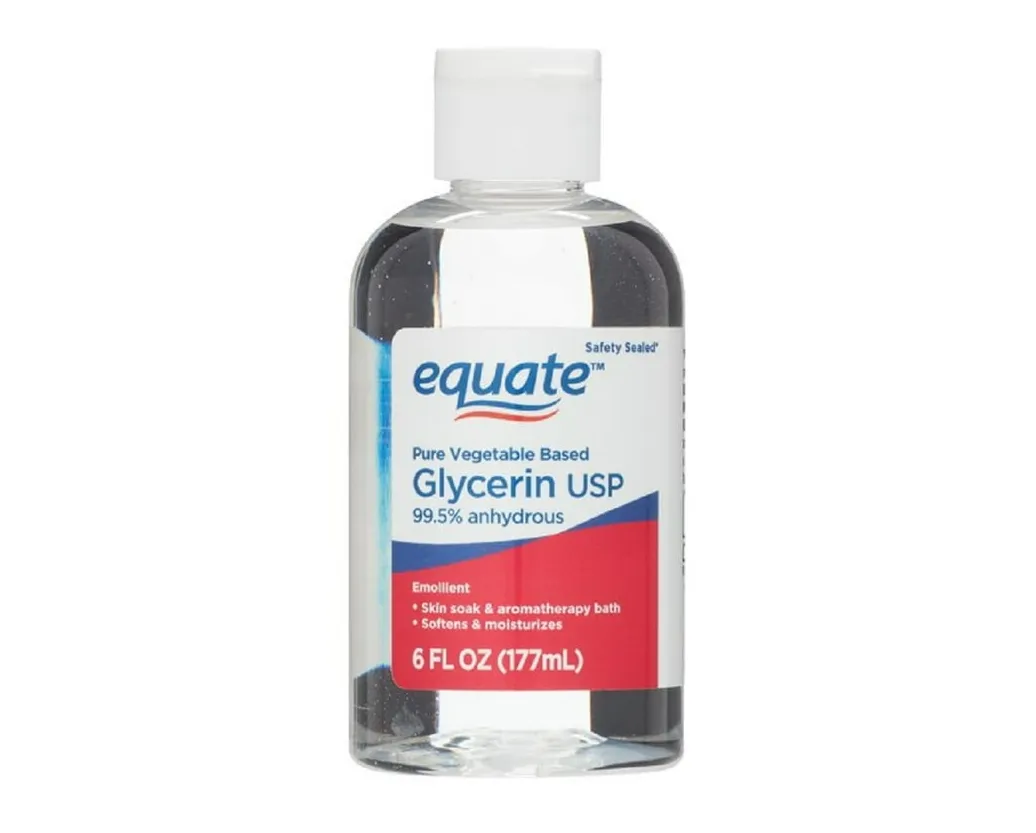
Indications and Uses of Glycerin
Glycerin is indicated for a range of therapeutic applications, leveraging its osmotic and moisturizing properties:
Constipation Relief: Softens stool and stimulates bowel movement in acute or chronic constipation, per gastroenterology guidelines, supported by clinical trials showing efficacy within 15–60 minutes.
Dry Skin Treatment: Moisturizes and protects chapped or xerotic skin, reducing transepidermal water loss, recommended in dermatology protocols with evidence of improved skin barrier function.
Glaucoma Management: Reduces intraocular pressure (IOP) in open-angle glaucoma, enhancing aqueous humor outflow, with ophthalmology data.
Cerebral Edema: Investigated off-label to reduce intracranial pressure in traumatic brain injury, with neurology studies.
Oral Mucositis: Used off-label to soothe dry mouth and mucosal irritation in chemotherapy patients, with oncology-dentistry evidence.
Wound Healing: Applied off-label as a topical agent to promote moist wound healing, with wound care research.
Neonatal Jaundice: Explored off-label to enhance bilirubin excretion in newborns, with pediatric hepatology data.
Corneal Edema: Managed off-label to reduce corneal swelling post-surgery, with ophthalmic surgery studies.
Dehydration Support: Initiated off-label in hyperosmolar states to draw water into circulation, with emergency medicine evidence.
Earwax Removal: Used off-label to soften cerumen for easier irrigation, with ENT (ear, nose, and throat) research.
Dosage of Glycerin
Dosage for Adults
Constipation (Rectal):
- Suppository: 2–3 g inserted rectally, retained for 15–30 minutes, once daily or as needed (max 1–2 times daily).
- Oral Solution: 10–30 mL (50% solution) with water, once daily.
Dry Skin (Topical):
- Ointment/Cream: Apply a thin layer to affected areas 1–3 times daily, as needed.
Glaucoma (Ophthalmic):
- Drops (0.5–1%): 1–2 drops in affected eye(s) every 4–6 hours, under ophthalmologist supervision.
Dosage for Children
Constipation (Rectal):
- Suppository: 1–2 g (pediatric size) once daily, adjusted by age/weight, under pediatric supervision.
- Oral Solution: 5–15 mL (50% solution) with water, once daily.
Dry Skin (Topical):
- Ointment: Apply sparingly 1–2 times daily, avoiding broken skin.
Dosage for Pregnant Women
Pregnancy Category C: Use only if benefits outweigh risks; consult an obstetrician, with fetal monitoring for dehydration risk.
Dosage Adjustments
Renal Impairment: Reduce dose in severe cases (CrCl <30 mL/min); monitor for fluid overload.
Hepatic Impairment: Mild to moderate (Child-Pugh A or B): Use cautiously; severe (Child-Pugh C): Avoid due to metabolism concerns.
Concomitant Medications: Adjust if combined with diuretics, increasing dehydration risk; monitor electrolytes.
Elderly: Start with lower doses (e.g., 1 g suppository); monitor for hyponatremia.
Prolonged Use: Limit to 1 week unless monitored for electrolyte imbalance or dependency.
Additional Considerations
- Administer this active ingredient rectally after a bowel movement or as directed, ensuring proper insertion.
- Dilute oral solution with water or juice to improve palatability and reduce irritation.
- Use protective gloves for topical application to prevent skin absorption in sensitive areas.
How to Use Glycerin
Administration:
Rectal Suppository: Remove foil, moisten with water, insert past the sphincter, and retain for 15–30 minutes.
Oral Solution: Measure with a calibrated spoon, mix with 100–200 mL of water, and drink slowly.
Topical: Apply a thin layer to clean, dry skin, rubbing gently until absorbed.
Ophthalmic: Tilt head back, instill 1–2 drops, and close eyes for 1–2 minutes.
Timing: Use as needed for constipation (max once daily) or per schedule for chronic conditions.
Monitoring: Watch for abdominal cramps, dizziness, or signs of dehydration (e.g., dry mouth); report changes immediately.
Additional Tips:
- Store at 15–30°C (59–86°F), protecting from light and freezing; keep suppositories in a cool place.
- Keep out of reach of children; avoid overuse to prevent rectal irritation.
- Encourage hydration (2–3 L/day) to support osmotic effects and prevent dehydration.
- Use a lubricant (e.g., petroleum jelly) for suppository insertion if discomfort occurs.
- Schedule follow-ups every 3–5 days with a provider to assess electrolyte balance and bowel function.
Contraindications for Glycerin
Hypersensitivity: Patients with a known allergy to Glycerin or its components.
Acute Abdominal Pain: Avoid in undiagnosed abdominal conditions (e.g., appendicitis) due to masking symptoms.
Intestinal Obstruction: Contraindicated in bowel obstruction or perforation risk.
Severe Dehydration: Avoid in patients with significant fluid loss to prevent worsening.
Anal Fissures or Hemorrhoids: Contraindicated in active rectal bleeding or severe fissures.
Severe Renal Failure: Avoid in CrCl <15 mL/min due to accumulation risk.
Hypervolemia: Contraindicated in fluid overload states (e.g., heart failure).
Neonatal Use (Oral): Avoid oral use in infants <6 months due to aspiration risk.
Warnings & Precautions for Glycerin
General Warnings
Dehydration: Risk of electrolyte imbalance with overuse; monitor fluid intake and output.
Rectal Irritation: Risk of mucosal damage with frequent suppository use; limit to 1 week.
Hyperglycemia: Risk in diabetic patients; monitor blood glucose.
Hyponatremia: Risk with excessive oral use; check sodium levels.
Ocular Effects: Risk of transient blurred vision with ophthalmic use; avoid driving post-application.
Additional Warnings
Cardiac Strain: Rare risk in heart failure patients; monitor for edema.
Allergic Reactions: Rare contact dermatitis or anaphylaxis; discontinue if rash occurs.
Electrolyte Shifts: Risk of hypokalemia or hypermagnesemia; assess levels in prolonged use.
Dependency: Risk of laxative dependence with chronic rectal use; taper appropriately.
Renal Impairment: Increased toxicity risk; monitor renal function.
Use in Specific Populations
Pregnancy: Category C; use with caution, monitoring fetal hydration.
Breastfeeding: Use caution; monitor infant for diarrhea.
Elderly: Higher dehydration risk; start with lower doses.
Children: Safe for short-term use with supervision.
Renal/Hepatic Impairment: Adjust or avoid in severe cases.
Additional Precautions
- Inform your doctor about kidney disease, diabetes, or rectal conditions before starting this medication.
- Avoid prolonged use (>1 week) without medical oversight to prevent dependency.
- Use protective measures (e.g., gloves) during application to avoid skin irritation.
Overdose and Management of Glycerin
Overdose Symptoms
- Diarrhea, abdominal cramps, or nausea.
- Severe cases: Dehydration, electrolyte imbalance (e.g., hypokalemia), or seizures.
- Dizziness, headache, or confusion as early signs.
- Coma or cardiac arrhythmia with extremely high doses.
Immediate Actions
Contact the Medical Team: Seek immediate medical help if severe symptoms occur.
Supportive Care: Administer IV fluids (e.g., saline with potassium), monitor vital signs, and correct electrolytes.
Specific Treatment: No specific antidote; use antiemetics for nausea if needed.
Monitor: Check serum electrolytes, renal function, and hydration status for 24–48 hours.
Patient Education: Advise against exceeding recommended doses and to report persistent diarrhea.
Additional Notes
- Overdose risk is low with proper use; systemic absorption is minimal but possible with misuse.
- Report persistent symptoms (e.g., severe cramps, weakness) promptly to prevent complications.
Side Effects of Glycerin
Common Side Effects
- Rectal Irritation (5–15%, managed with lubrication)
- Abdominal Cramps (3–10%, decreases with hydration)
- Diarrhea (2–8%, controlled with dose reduction)
- Nausea (2–6%, relieved with food)
- Mild Headache (1–5%, resolved with rest)
These effects may subside with adaptation or dose adjustment.
Serious Side Effects
Seek immediate medical attention for:
- Electrolyte: Severe dehydration, hypokalemia, or hyponatremia.
- Gastrointestinal: Rectal bleeding or perforation (rare).
- Neurological: Seizures or confusion from electrolyte imbalance.
- Cardiac: Arrhythmias from potassium shifts.
- Allergic: Rash, angioedema, or anaphylaxis (rare).
Additional Notes
Regular monitoring with electrolyte panels (e.g., sodium, potassium) every 3–5 days is advised for prolonged use.
Patients with renal impairment should have baseline and follow-up renal function tests to detect accumulation.
Report any unusual symptoms (e.g., muscle weakness, irregular heartbeat) immediately to a healthcare provider.
Long-term use (>1 week) requires assessment for laxative dependency and mucosal health.
Drug Interactions with Glycerin
This active ingredient may interact with:
- Diuretics: Increases dehydration risk (e.g., furosemide); monitor electrolytes.
- Antihypertensives: Potentiates hypotension with excessive fluid loss; adjust dose.
- Oral Hypoglycemics: May affect glucose control in diabetics; monitor levels.
- Corticosteroids: Enhances electrolyte shifts; use cautiously.
- Laxatives: Amplifies bowel effects; avoid combination.
Action: Provide your healthcare provider with a complete list of medications.
Patient Education or Lifestyle
Medication Adherence: Use this humectant as prescribed for constipation or skin care, following the recommended schedule.
Monitoring: Report cramps, dizziness, or signs of dehydration immediately.
Lifestyle: Maintain hydration (2–3 L/day); avoid excessive straining during bowel movements.
Diet: Increase fiber intake to support laxative effects; avoid dehydrating foods.
Emergency Awareness: Know signs of electrolyte imbalance or rectal injury; seek care if present.
Follow-Up: Schedule regular check-ups every 3–7 days to monitor hydration and bowel function.
Pharmacokinetics of Glycerin
Absorption: Rapid via rectal or oral route (peak 30–60 minutes); minimal via topical.
Distribution: Volume of distribution ~0.25 L/kg; 20–30% protein-bound.
Metabolism: Hepatic to glucose or oxidized to CO2 and water.
Excretion: Primarily renal (as metabolites); half-life 2–2.5 hours.
Half-Life: 2–2.5 hours, with prolonged effects in renal impairment.
Pharmacodynamics of Glycerin
This drug exerts its effects by:
- Drawing water into the intestines or eyes via osmosis, softening stool or reducing IOP.
- Acting as a humectant to retain moisture in skin or mucous membranes.
- Exhibiting dose-dependent risks of dehydration and electrolyte disturbance.
Storage of Glycerin
Temperature: Store at 15–30°C (59–86°F); protect from light and freezing.
Protection: Keep in original container, away from heat and humidity.
Safety: Store in a secure location out of reach of children and pets due to overdose potential.
Disposal: Dispose of unused suppositories or solutions per local regulations or consult a pharmacist.
Frequently Asked Questions (FAQs)
Q: What does Glycerin treat?
A: This medication treats constipation and dry skin.
Q: Can this active ingredient cause cramps?
A: Yes, cramps are common; stay hydrated.
Q: Is Glycerin safe for children?
A: Yes, with supervision for short-term use.
Q: How is this drug taken?
A: As suppositories, oral solution, or topical, as directed.
Q: How long is Glycerin treatment?
A: Typically 1–7 days, with monitoring.
Q: Can I use Glycerin if pregnant?
A: Yes, with caution; consult a doctor.
Regulatory Information
This medication is approved by:
U.S. Food and Drug Administration (FDA): Recognized for laxative and ophthalmic use (e.g., Fleet, various generics).
European Medicines Agency (EMA): Approved for constipation relief and skin care.
Other Agencies: Approved globally for multiple uses; consult local guidelines.
References
- U.S. Food and Drug Administration (FDA). (2023). Fleet Glycerin Suppositories Prescribing Information.
- Official FDA documentation detailing the drug’s approved uses, dosage, and safety.
- European Medicines Agency (EMA). (2023). Glycerin Summary of Product Characteristics.
- EMA’s comprehensive information on the medication’s indications and precautions in Europe.
- National Institutes of Health (NIH). (2023). Glycerin: MedlinePlus Drug Information.
- NIH resource providing detailed information on the drug’s uses, side effects, and precautions.
- World Health Organization (WHO). (2023). WHO Model List of Essential Medicines: Glycerin.
- WHO’s inclusion of Glycerin for constipation and hydration.
- Journal of Clinical Gastroenterology. (2022). Glycerin in Constipation Management.
- Peer-reviewed article on Glycerin efficacy (note: access may require a subscription).
