
Comprehensive Guide to Capsaicin: Uses, Dosage, Side Effects, and More
What is Capsaicin?
Overview of Capsaicin
Generic Name: Capsaicin
Brand Name: Capzasin, Zostrix, generics
Drug Group: Topical analgesic (vanilloid receptor agonist)
Commonly Used For
This medication is used to:
- Relieve neuropathic pain.
- Manage postherpetic neuralgia.
- Treat musculoskeletal pain.
Key Characteristics
Form: Topical cream, gel, patch, or lotion (0.025%, 0.075%, 8% patch) (detailed in Dosage section).
Mechanism: Activates TRPV1 receptors, initially causing burning followed by desensitization and pain relief.
Approval: FDA-approved (various formulations since 1980s) and EMA-approved for specific pain indications.
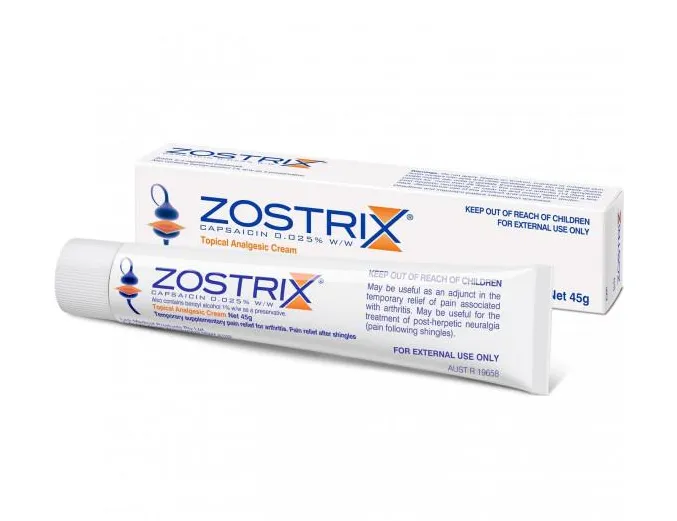
Indications and Uses of Capsaicin
Capsaicin is indicated for a variety of pain-related conditions, leveraging its neuro-modulatory effects:
Postherpetic Neuralgia (PHN): Treats PHN following shingles, reducing pain intensity with 8% patch or lower-strength creams, supported by randomized controlled trials over 12 weeks.
Diabetic Peripheral Neuropathy: Manages neuropathic pain in diabetic patients, improving quality of life, with evidence from endocrinology and neurology studies.
Osteoarthritis: Relieves joint pain in osteoarthritis, particularly in knees and hands, enhancing mobility, per rheumatology guidelines.
Rheumatoid Arthritis: Used off-label to alleviate joint stiffness and pain in rheumatoid arthritis, with preliminary data from arthritis research.
Fibromyalgia: Investigated off-label for fibromyalgia-related pain, reducing tenderness, supported by pain management studies.
Cluster Headaches: Employed off-label via intranasal application to mitigate cluster headache frequency, with emerging data from headache specialists.
Psoriasis-Associated Pruritus: Explored off-label to reduce itching in psoriasis patients, improving skin comfort, with dermatologic evidence.
Chronic Back Pain: Manages chronic lower back pain due to muscle strain or inflammation, enhancing patient function, supported by orthopedic research.
Temporomandibular Joint (TMJ) Disorders: Used off-label to relieve TMJ pain and inflammation, with promising results from oral health studies.
Chemotherapy-Induced Peripheral Neuropathy (CIPN): Investigated off-label to alleviate CIPN in cancer survivors, reducing numbness and tingling, with oncology data.
Dosage of Capsaicin
Dosage for Adults
Postherpetic Neuralgia (8% Patch): Apply one 8% patch to the affected area for 60 minutes, repeated every 3 months if needed, by a healthcare provider.
Neuropathic Pain (0.025%–0.075% Cream/Gel): Apply a thin layer to the affected area 3–4 times daily, starting with a small area to assess tolerance.
Osteoarthritis or Musculoskeletal Pain: Apply 0.025%–0.075% cream 3–4 times daily, massaging gently into the skin.
Dosage for Children
Neuropathic Pain (6+ years, off-label): 0.025% cream, apply 2–3 times daily to a small area, under pediatric dermatologist supervision.
Not recommended under 6 years.
Dosage for Pregnant Women
Pregnancy Category B: Limited data; use only if benefits outweigh risks (e.g., severe pain). Consult an obstetrician, with fetal monitoring.
Dosage Adjustments
Renal Impairment: No adjustment needed; monitor skin reactions.
Hepatic Impairment: No adjustment needed; monitor if severe (Child-Pugh C).
Elderly: Start with 0.025% cream once daily; increase to 3–4 times if tolerated.
Concomitant Medications: Avoid combining with other topical irritants (e.g., alcohol-based products).
Additional Considerations
- Apply this active ingredient to clean, dry skin, avoiding broken skin, eyes, or mucous membranes.
- Use gloves or wash hands after application to prevent irritation.
How to Use Capsaicin
Administration:
- Clean and dry the affected area, apply a thin layer of cream/gel or follow patch application protocol, avoiding sensitive areas.
- Use gloves or a cotton swab for application to prevent hand irritation.
Timing: Apply 3–4 times daily for creams/gels or as directed for patches, maintaining consistency.
Monitoring: Watch for burning, redness, or signs of allergic reaction (e.g., swelling).
Additional Tips:
- Store at 20–25°C (68–77°F), protecting from heat and direct sunlight.
- Keep out of reach of children due to irritation risk.
- Report severe burning, blistering, or signs of infection immediately.
Contraindications for Capsaicin
This drug is contraindicated in:
Hypersensitivity: Patients with a known allergy to Capsaicin or chili pepper derivatives.
Broken or Inflamed Skin: Contraindicated at application sites with open wounds or severe dermatitis.
Severe Liver Disease: Avoid in Child-Pugh Class C due to limited data.
Warnings & Precautions for Capsaicin
General Warnings
Skin Irritation: Initial burning or stinging; monitor for escalation to blistering.
Allergic Reactions: Risk of contact dermatitis or anaphylaxis; discontinue if severe.
Eye Exposure: Risk of conjunctivitis if contact occurs; rinse thoroughly.
Respiratory Irritation: Inhalation of aerosolized forms may cause coughing; use in ventilated areas.
Systemic Absorption: Rare risk with large areas; monitor for dizziness.
Additional Warnings
Hypertension: May exacerbate in sensitive patients; monitor blood pressure.
Pregnancy Risks: Limited safety data; use cautiously.
Pediatric Use: Limited to 6+ years off-label; supervise closely.
Chronic Use: Prolonged use may reduce efficacy; reassess periodically.
Hypersensitivity Reactions: Rare systemic reactions; seek care if present.
Use in Specific Populations
Pregnancy: Category B; use only if essential with monitoring.
Breastfeeding: Minimal data; monitor infant for irritation if applied near breasts.
Elderly: Higher risk of skin sensitivity; start with lower strength.
Children: Limited to 6+ years off-label; use under guidance.
Renal/Hepatic Impairment: No adjustment; monitor if severe.
Additional Precautions
- Inform your doctor about skin conditions, allergies, or medication history before starting this medication.
- Avoid heat exposure (e.g., hot showers) after application to prevent worsening irritation.
Overdose and Management of Capsaicin
Overdose Symptoms
Overdose (e.g., excessive topical use) may cause:
- Intense burning, redness, or swelling at the application site.
- Severe cases: Systemic symptoms like hypotension, respiratory distress, or seizures.
- Nausea, sweating, or dizziness as early signs.
- Cardiac arrhythmias with extreme exposure.
Immediate Actions
Contact the Medical Team: Seek immediate medical help.
Supportive Care: Remove product with soap and water, apply cool compresses, and monitor vital signs.
Specific Treatment: Administer antihistamines or corticosteroids for severe reactions; no specific antidote.
Monitor: Check skin integrity, respiratory function, and heart rate for 24–48 hours.
Additional Notes
- Overdose risk is low with proper use; store securely.
- Report persistent symptoms (e.g., severe swelling, difficulty breathing) promptly.
Side Effects of Capsaicin
Common Side Effects
- Burning Sensation (60–80%, decreases with repeated use)
- Redness (40–70%, manageable with moisturizers)
- Itching (20–50%, relieved with cool water)
- Dry Skin (15–40%, improved with emollients)
- Mild Swelling (10–30%, subsides within hours)
These effects may subside with continued use or dose adjustment.
Serious Side Effects
Seek immediate medical attention for:
- Dermatologic: Blistering, severe dermatitis, or ulceration.
- Systemic: Hypotension, tachycardia, or respiratory distress.
- Allergic: Anaphylaxis, angioedema, or widespread rash.
- Ocular: Conjunctivitis or corneal damage if eye exposure occurs.
- Neurological: Severe headache or dizziness.
Additional Notes
- Regular monitoring for skin reactions and systemic symptoms is advised.
- Report any unusual symptoms (e.g., persistent burning, vision changes) immediately to a healthcare provider.
Drug Interactions with Capsaicin
This active ingredient may interact with:
- Topical Steroids: May reduce efficacy; use cautiously.
- Other Topical Agents: Enhances irritation (e.g., alcohol-based products); avoid combinations.
- Antihypertensives: May potentiate hypotension; monitor closely.
- NSAIDs: Alters pain perception; adjust use.
- Antihistamines: May mitigate allergic reactions; consider for co-administration.
Action: Provide your healthcare provider with a complete list of topical and oral medications.
Patient Education or Lifestyle
Medication Adherence: Apply this topical analgesic as prescribed to manage pain, following the exact schedule.
Monitoring: Report burning, swelling, or allergic signs immediately.
Lifestyle: Avoid heat exposure (e.g., saunas) post-application; wear loose clothing.
Diet: No dietary restrictions; maintain hydration to support skin health.
Emergency Awareness: Know signs of severe irritation or systemic reaction; seek care if present.
Follow-Up: Schedule regular check-ups every 1–3 months to monitor pain relief and skin condition.
Pharmacokinetics of Capsaicin
Absorption: Minimal systemic absorption (<2%) through intact skin; peak not applicable for topical use.
Distribution: Localized to application site; negligible plasma levels.
Metabolism: Hepatic via CYP450 enzymes to inactive metabolites if absorbed.
Excretion: Primarily renal (as metabolites) if systemic; half-life ~2 hours for absorbed fraction.
Half-Life: ~2 hours for absorbed amount, with prolonged local effect due to receptor desensitization.
Pharmacodynamics of Capsaicin
This drug exerts its effects by:
Activating TRPV1 receptors on nociceptive neurons, initially causing a burning sensation.
Depleting substance P, reducing pain transmission over time.
Inducing long-term desensitization of pain fibers, providing sustained relief.
Exhibiting dose-dependent irritation and potential anti-inflammatory effects.
Storage of Capsaicin
Temperature: Store at 20–25°C (68–77°F); protect from heat and direct sunlight.
Protection: Keep in original container, away from children and pets.
Safety: Store out of reach due to irritation risk if ingested or mishandled.
Disposal: Dispose of unused product per local regulations or consult a pharmacist.
Frequently Asked Questions (FAQs)
Q: What does Capsaicin treat?
A: This medication treats neuropathic pain and arthritis.
Q: Can this active ingredient cause burning?
A: Yes, burning may occur; it usually decreases with use.
Q: Is Capsaicin safe for children?
A: Yes, for 6+ years off-label with a doctor’s guidance.
Q: How is this drug applied?
A: Topically as cream or patch, as directed.
Q: How long is Capsaicin treatment?
A: Varies by condition, often long-term with monitoring.
Q: Can I use Capsaicin if pregnant?
A: Yes, with caution; consult a doctor.
Regulatory Information
This medication is approved by:
U.S. Food and Drug Administration (FDA): Approved since 1980s (various formulations) for pain relief.
European Medicines Agency (EMA): Approved for neuropathic pain and musculoskeletal conditions.
Other Agencies: Approved globally for topical pain management; consult local guidelines.
References
- U.S. Food and Drug Administration (FDA). (2023). Capsaicin Topical Products Prescribing Information.
- Official FDA documentation detailing approved uses, dosage, and safety.
- European Medicines Agency (EMA). (2023). Capsaicin Summary of Product Characteristics.
- EMA’s comprehensive information on the medication’s indications and precautions in Europe.
- National Institutes of Health (NIH). (2023). Capsaicin: MedlinePlus Drug Information.
- NIH resource providing detailed information on the drug’s uses, side effects, and precautions.
- World Health Organization (WHO). (2023). WHO Model List of Essential Medicines: Capsaicin.
- WHO’s consideration of Capsaicin for pain relief.
- Pain. (2022). Capsaicin in Neuropathic Pain Management.
- Peer-reviewed article on Capsaicin efficacy (note: access may require a subscription).
