
Comprehensive Guide to Beclomethasone: Uses, Dosage, Side Effects, and More
What is Beclomethasone?
Overview of Beclomethasone
Generic Name: Beclomethasone
Brand Name: Qvar, Beconase, Clenil, generics
Drug Group: Corticosteroid (inhaled/nasal/topical)
Commonly Used For
- Control asthma symptoms.
- Treat allergic rhinitis.
- Reduce inflammation in eczema or psoriasis.
Key Characteristics
Form: Inhalation aerosol (40 mcg, 80 mcg), nasal spray (50 mcg), and topical cream (0.025%, 0.1%) (detailed in Dosage section).
Mechanism: Suppresses inflammation via glucocorticoid receptor activation.
Approval: FDA-approved (1976 for nasal, 1996 for inhaled) and EMA-approved for respiratory and dermatological use.
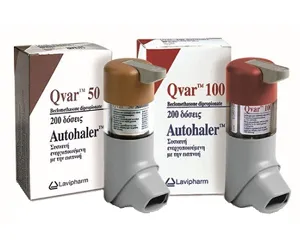
Indications and Uses of Beclomethasone
Beclomethasone is indicated for a broad spectrum of inflammatory and allergic conditions, leveraging its corticosteroid activity:
Asthma: Manages persistent asthma (mild to moderate) by reducing airway inflammation and hyperresponsiveness, serving as a controller therapy with long-term benefits.
Allergic Rhinitis: Alleviates seasonal or perennial allergic rhinitis symptoms (e.g., sneezing, congestion) by decreasing nasal mucosal inflammation, effective for pollen or dust allergies.
Chronic Obstructive Pulmonary Disease (COPD): Controls inflammation in stable COPD patients, often combined with long-acting bronchodilators to improve lung function.
Eczema (Atopic Dermatitis): Treats mild to moderate eczema flares on the face or body, reducing itching and redness with topical application.
Psoriasis: Manages localized plaque psoriasis, particularly on non-scalp areas, by suppressing keratinocyte proliferation and inflammation.
Off-Label Uses: Includes treatment of eosinophilic esophagitis to reduce esophageal inflammation, management of chronic sinusitis as an adjunct to antibiotics, prevention of post-surgical nasal adhesions, and control of inflammatory bowel disease (e.g., ulcerative colitis) with oral formulations under specialist care, supported by clinical trials and case reports.
Nasal Polyposis: Reduces polyp size and associated symptoms (e.g., anosmia) in patients with chronic rhinosinusitis, enhancing quality of life.
Vocal Cord Dysfunction: Used off-label to reduce laryngeal inflammation in non-asthmatic patients, guided by otolaryngologists.
Dosage of Beclomethasone
Dosage for Adults
Inhaled (Qvar):
- Initial: 40–80 mcg twice daily, increasing to 320 mcg/day (max) in divided doses for moderate to severe asthma.
- Maintenance: 40–160 mcg twice daily, adjusted based on peak flow or symptoms.
Nasal (Beconase): 1–2 sprays (50 mcg/spray) per nostril twice daily (100–400 mcg/day max), tapered to once daily for maintenance.
Topical (Cream): 0.025% or 0.1% cream, apply a thin layer 1–2 times daily to affected areas, limiting to 45 g/week for potent formulations.
Combination Therapy:
- Inhaled: 80 mcg twice daily with a long-acting beta-agonist (e.g., salmeterol) for asthma control.
- Nasal: 1 spray per nostril with antihistamines for enhanced rhinitis relief.
Dosage for Children
Inhaled: 5–11 years: 40 mcg twice daily, max 80 mcg/day; 12+ years: Same as adults, starting at 40–80 mcg twice daily.
Nasal: 6–11 years: 1 spray per nostril once daily (50 mcg/day), max 200 mcg/day; 12+ years: Same as adults.
Topical: 1–12 years: 0.025% cream, apply sparingly 1–2 times daily, max 15–30 g/week based on body surface area; avoid face unless directed.
Special Populations: Adjust for low weight or sensitive skin, starting with half the adult dose.
Dosage for Pregnant Women
Dosage Adjustments
Renal Impairment: No adjustment needed, but monitor for systemic effects in extensive use.
Hepatic Impairment: Reduce inhaled dose by 25% in severe cases; monitor liver function.
Elderly: Start with 40 mcg inhaled or 1 spray nasal once daily; increase cautiously due to skin thinning risk.
Immunosuppressed Patients: Use lowest effective dose to minimize infection risk.
Additional Considerations
- Use this active ingredient as directed, rinsing mouth after inhalation to prevent thrush.
- Taper doses gradually (e.g., reduce by 25% every 5–7 days) after prolonged use.
How to Use Beclomethasone
Administration:
- Inhaled: Shake inhaler, exhale fully, inhale 1–2 puffs (40–80 mcg) through the mouth, hold breath for 5–10 seconds, and rinse mouth to prevent thrush; use a spacer for better delivery.
- Nasal: Shake spray, clear nasal passages, insert nozzle into one nostril, spray while inhaling gently, repeat for the other nostril, and avoid blowing nose for 15 minutes.
- Topical: Clean and dry the affected area, apply a thin layer of cream with gloved hands, rub gently, and avoid occlusive dressings unless prescribed.
- Combination Use: Space inhaled or nasal doses 5–10 minutes apart from other medications to prevent interaction.
Timing: Use twice daily (morning and evening) or as prescribed, maintaining consistency for optimal control.
Monitoring: Watch for hoarseness, nasal bleeding, or skin thinning; check for signs of infection (e.g., white patches).
Additional Tips:
- Store at 15–30°C (59–86°F), protecting from freezing and excessive heat.
- Clean inhaler weekly with warm water, air-dry to maintain function.
- Use a humidifier with nasal spray to soothe dry mucosa; report severe symptoms (e.g., wheezing, rash) immediately.
Contraindications for Beclomethasone
Hypersensitivity: Patients with a known allergy to Beclomethasone or other corticosteroids (e.g., budesonide).
Active Untreated Infections: Contraindicated in active tuberculosis, fungal (e.g., candidiasis), or viral (e.g., herpes simplex) infections unless treated.
Status Asthmaticus: Avoid in acute asthma attacks requiring immediate bronchodilators.
Severe Immune Suppression: Contraindicated in patients with AIDS or recent organ transplant due to infection risk.
Perioral Dermatitis: Avoid topical use on perioral areas with active inflammation to prevent worsening.
Warnings & Precautions for Beclomethasone
General Warnings
Adrenal Suppression: Long-term use may suppress the hypothalamic-pituitary-adrenal (HPA) axis; taper gradually and monitor cortisol levels.
Oral Thrush: Risk of candidiasis with inhaled forms; rinse mouth after use and use a spacer.
Growth Retardation: Potential delay in children’s growth with prolonged high doses; monitor height and weight.
Ocular Effects: Risk of glaucoma or cataracts with chronic use; regular eye exams recommended.
New Warning: Potential for osteoporosis with extended systemic exposure; supplement with calcium and vitamin D, especially in postmenopausal women.
Use in Specific Populations
Pregnancy: Category C; fetal risks include cleft palate; use only if essential with monitoring.
Breastfeeding: Excreted in breast milk; avoid or monitor infant for growth issues.
Elderly: Higher risk of skin thinning and osteoporosis; use lowest effective dose.
Children: Monitor growth and HPA axis with prolonged use; limit to short-term therapy if possible.
Renal/Hepatic Impairment: Adjust dose in severe cases; monitor liver and kidney function.
Additional Precautions
- Inform your doctor about diabetes, infections, or recent vaccinations before starting this medication.
- Avoid abrupt discontinuation after long-term use; monitor for adrenal crisis signs.
Overdose and Management of Beclomethasone
Overdose Symptoms
Hypercortisolism (e.g., weight gain, moon face) with excessive inhaled or topical use.
Severe cases: Adrenal crisis, hypoglycemia, or psychiatric disturbances (e.g., psychosis).
Nasal overuse: Nasal septal perforation or epistaxis.
Ingestion (rare): Nausea, vomiting, or electrolyte imbalances.
Immediate Actions
Contact the Medical Team: Seek immediate medical help.
Supportive Care: Monitor blood glucose, electrolytes, and vital signs; provide hydration and glucose if needed.
Specific Treatment: Administer hydrocortisone for adrenal crisis, treat nasal bleeding with cauterization if severe; discontinue excess use.
Monitor: Check HPA axis function, blood pressure, and psychiatric status for 24–48 hours.
Additional Notes
- Overdose risk increases with misuse (e.g., excessive nasal sprays); store securely.
- Report persistent symptoms (e.g., confusion, severe swelling) promptly.
Side Effects of Beclomethasone
Common Side Effects
- Throat Irritation (15–25%, reduced with mouth rinsing)
- Nasal Dryness (10–20%, manageable with hydration)
- Hoarseness (5–15%, improved with spacer use)
- Skin Thinning (5–10%, with prolonged topical use)
- Headache (3–8%, dose-dependent)
These effects may decrease with dose adjustment or proper technique.
Serious Side Effects
Endocrine: Cushingoid features, adrenal insufficiency, or hyperglycemia.
Respiratory: Worsening asthma, bronchospasm, or paradoxical bronchoconstriction.
Ocular: Blurred vision, glaucoma, or cataracts.
Infections: Oral thrush, nasal fungal infections, or systemic sepsis.
Psychiatric: Severe mood swings, depression, or hallucinations.
Additional Notes
- Regular monitoring for oral health, ocular changes, and infection signs is advised.
- Report any unusual symptoms (e.g., vision loss, severe fatigue) immediately.
Drug Interactions with Beclomethasone
This active ingredient may interact with:
CYP3A4 Inhibitors (e.g., Ketoconazole): Increases corticosteroid levels; adjust dose.
Antidiabetic Drugs: May elevate blood glucose; monitor and adjust insulin.
Vaccines: Reduces immune response; avoid live vaccines during therapy.
NSAIDs: Increases gastrointestinal bleeding risk; use cautiously.
Ritonavir: Potentiates systemic effects; avoid unless benefits outweigh risks.
Patient Education or Lifestyle
Medication Adherence: Use this corticosteroid as prescribed to manage inflammation, following the exact schedule.
Monitoring: Report hoarseness, nasal bleeding, or skin changes immediately.
Lifestyle: Avoid smoking or allergens on treated areas; use a humidifier for nasal comfort.
Diet: Take with food to reduce stomach upset; limit salt to manage fluid retention.
Emergency Awareness: Know signs of adrenal crisis or severe infection; seek care if present.
Follow-Up: Schedule regular check-ups every 1–3 months to monitor side effects.
Pharmacokinetics of Beclomethasone
Absorption: Minimal systemic absorption (<10%) with inhalation/nasal use; topical varies by skin thickness.
Distribution: Volume of distribution ~20 L/kg; 87% protein-bound.
Metabolism: Hepatic via CYP3A4 to active metabolite (beclomethasone-17-monopropionate).
Excretion: Primarily fecal (60%) and renal (12%) as metabolites; half-life 2.8 hours.
Half-Life: 2.8 hours, with prolonged local effects (up to 12 hours).
Pharmacodynamics of Beclomethasone
This drug exerts its effects by:
Binding to glucocorticoid receptors to inhibit NF-κB, reducing pro-inflammatory cytokines (e.g., IL-5, TNF-α).
Stabilizing lysosomal membranes to decrease inflammatory mediator release.
Suppressing immune responses, effective in chronic allergic and inflammatory conditions.
Demonstrating dose-dependent HPA axis suppression, requiring careful tapering.
Storage of Beclomethasone
Temperature: Store at 15–30°C (59–86°F); protect from freezing.
Protection: Keep in original container, away from light and moisture.
Safety: Store out of reach of children.
Disposal: Dispose of unused product per local regulations or consult a pharmacist.
Frequently Asked Questions (FAQs)
Q: What does Beclomethasone treat?
A: This medication treats asthma, rhinitis, and eczema.
Q: Can this active ingredient cause thrush?
A: Yes, rinse mouth after inhalation to prevent it.
Q: Is Beclomethasone safe for children?
A: Yes, with caution; consult a pediatrician.
Q: How is this drug used?
A: Via inhaler, nasal spray, or cream, as directed.
Q: How long is Beclomethasone treatment?
A: Long-term for asthma; short-term for skin.
Q: Can I stop Beclomethasone suddenly?
A: No, taper off to avoid adrenal issues.
Regulatory Information for Beclomethasone
This medication is approved by:
U.S. Food and Drug Administration (FDA): Approved in 1976 (Beconase) and 1996 (Qvar) for respiratory use.
European Medicines Agency (EMA): Approved for asthma, rhinitis, and topical indications.
Other Agencies: Approved globally for inflammation; consult local guidelines.
References
- U.S. Food and Drug Administration (FDA). (2023). Qvar (Beclomethasone) Prescribing Information.
- Official FDA documentation detailing the drug’s approved uses, dosage, and safety.
- European Medicines Agency (EMA). (2023). Beclomethasone Summary of Product Characteristics.
- EMA’s comprehensive information on the medication’s indications and precautions in Europe.
- National Institutes of Health (NIH). (2023). Beclomethasone: MedlinePlus Drug Information.
- NIH resource providing detailed information on the drug’s uses, side effects, and precautions.
- World Health Organization (WHO). (2023). WHO Model List of Essential Medicines: Beclomethasone.
- WHO’s inclusion of Beclomethasone for asthma management.
- Journal of Allergy and Clinical Immunology. (2022). Beclomethasone in Asthma Control.
- Peer-reviewed article on Beclomethasone efficacy (note: access may require a subscription).
