
What Is Low Blood Pressure? Symptoms, Causes, and Prevention
The causes of low blood pressure are varied, and treatment depends on identifying and addressing the underlying reason.
Understanding Low Blood Pressure
Blood pressure is determined by the amount of blood the heart pumps and the resistance to blood flow in the arteries. It is measured in millimeters of mercury (mmHg) and recorded as two numbers:
- Systolic pressure: The top number represents the pressure in your arteries when your heart beats.
- Diastolic pressure: The bottom number indicates the pressure in your arteries when your heart rests between beats.
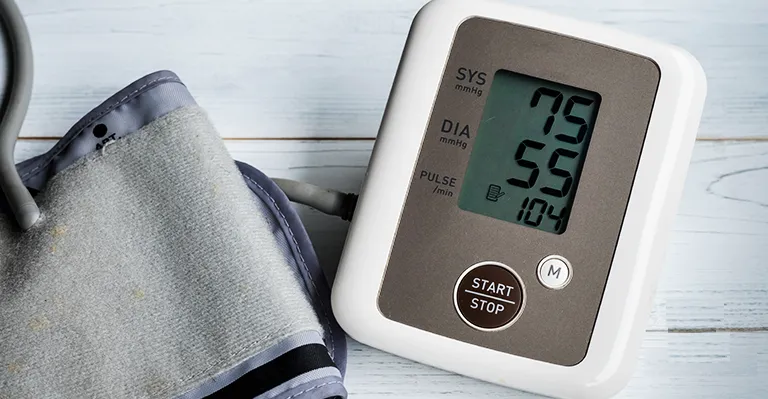
According to the American Heart Association (AHA), normal blood pressure is typically below 120/80 mmHg. Hypotension is generally defined as a reading below 90 mmHg systolic or 60 mmHg diastolic.
Symptoms of Low Blood Pressure
Common signs and symptoms of hypotension include:
- Blurred or dim vision
- Dizziness or lightheadedness
- Fainting (syncope)
- Fatigue or weakness
- Difficulty concentrating
- Nausea
For some individuals, low blood pressure may signal an underlying medical condition, especially when it occurs suddenly or alongside other symptoms.
A sudden drop in blood pressure can be dangerous. Even a small decrease — for example, from 110 mmHg systolic to 90 mmHg — may cause dizziness or fainting. Severe drops, such as those caused by uncontrolled bleeding, severe infection, or an allergic reaction, can be life-threatening.
When blood pressure falls too low, it can lead to shock, a medical emergency.
Symptoms of shock include:
- Confusion, especially in older adults
- Cold, clammy skin
- Pale or bluish complexion
- Rapid, shallow breathing
- Weak, fast pulse

When to See a Doctor
Seek immediate medical attention if you experience symptoms of low blood pressure or shock.
If your blood pressure readings are consistently low but you feel well, your doctor may simply monitor your condition during regular checkups.
It’s helpful to keep a record of your symptoms, noting when they occur and what you were doing at the time, to assist your healthcare provider in diagnosis and management.
Causes of Low Blood Pressure
What Causes Low Blood Pressure?
A variety of conditions can lead to hypotension, including the following:
Pregnancy: Blood pressure often drops during the first 24 weeks of pregnancy. It usually returns to pre-pregnancy levels after delivery.
Heart and valve disorders: Certain heart conditions or valve abnormalities can reduce the efficiency of blood flow, resulting in low blood pressure.
Hormonal or endocrine disorders: Problems affecting hormone production, such as adrenal insufficiency or thyroid imbalance, may cause hypotension.
Dehydration: Fever, vomiting, severe diarrhea, overuse of diuretics, or intense physical activity can all lead to dehydration, which lowers blood volume and blood pressure.
Blood loss: Major injuries or internal bleeding reduce the amount of blood circulating in the body, leading to a dangerous drop in blood pressure.
Severe infection (septicemia): When an infection enters the bloodstream, it can cause a life-threatening drop in blood pressure known as septic shock.
Severe allergic reaction (anaphylaxis): Allergic responses to medications, foods, or insect stings may trigger a sudden, dangerous fall in blood pressure.
Nutritional deficiencies: A lack of vitamin B12, folate, or iron may cause anemia — a condition in which the body produces too few red blood cells — resulting in low blood pressure.

Medications That May Cause Low Blood Pressure
Certain medications can also contribute to hypotension, including:
- Diuretics (water pills)
- Alpha blockers
- Beta blockers
- Medications for Parkinson’s disease
- Some antidepressants (particularly tricyclic antidepressants)
- Drugs used to treat erectile dysfunction
Risk Factors for Low Blood Pressure
Who Is at Risk?
People who may be more likely to develop low blood pressure include those who:
- Have heart disease
- Have metabolic disorders or are pregnant
- Experience psychological stress or anxiety disorders
- Take medications that lower blood pressure
- Have conditions listed above as potential causes of hypotension
Factors That Increase the Risk of Hypotension
Several factors can heighten the likelihood of developing low blood pressure:
Age: Postural (orthostatic) hypotension and postprandial hypotension are more common in adults over 65. Neurally mediated hypotension tends to affect children and young adults.
Medications: Certain blood pressure medications and other drugs can increase the risk of hypotension.
Chronic diseases: Conditions such as Parkinson’s disease, diabetes, and some heart or endocrine disorders can contribute to persistent low blood pressure.
Diagnosis and Treatment of Low Blood Pressure
Diagnostic Tests and Evaluation
To determine the cause of low blood pressure, your doctor will typically measure your blood pressure, review your symptoms, and perform a number of tests such as:
Blood tests: To check for blood sugar levels, complete blood count, and other indicators of underlying conditions.
Electrocardiogram (ECG): To assess heart rhythm and detect abnormalities that may contribute to hypotension.
Tilt table test: This test monitors how your blood pressure and heart rate respond to changes in posture, helping diagnose conditions such as orthostatic hypotension.
Effective Treatment for Low Blood Pressure
Low blood pressure (hypotension) without symptoms or with only mild symptoms rarely requires treatment.
If hypotension causes noticeable symptoms, treatment will depend on the underlying cause.
For example, if a medication is responsible for lowering your blood pressure, your doctor may recommend adjusting the dosage, switching to a different drug, or stopping it altogether. Never change or stop medication on your own without consulting your healthcare provider.

If the cause of low blood pressure is unclear or cannot be corrected directly, treatment focuses on raising blood pressure levels and alleviating symptoms. Depending on your age, overall health, and type of hypotension, the following strategies may help:
Increase salt intake: While high salt (sodium) intake is usually discouraged because it can raise blood pressure, people with hypotension may benefit from moderate increases. However, excessive sodium can lead to heart failure, particularly in older adults — always discuss this approach with your doctor first.
Stay well hydrated: Fluids increase blood volume and prevent dehydration, both of which are essential for maintaining healthy blood pressure levels.
Wear compression stockings: Also known as support stockings, these elastic garments help reduce pain and swelling from varicose veins and improve blood flow from the legs back to the heart.
Medication therapy:Certain medications may be prescribed to treat specific forms of low blood pressure, such as orthostatic hypotension (low blood pressure upon standing) or neurally mediated hypotension (low blood pressure after prolonged standing).
Lifestyle and Prevention of Low Blood Pressure
Healthy Habits to Help Manage or Prevent Low Blood Pressure
Lifestyle Recommendations
Depending on the underlying cause of hypotension, the following lifestyle adjustments may help reduce or prevent symptoms:
- Stay hydrated and limit alcohol consumption.
Drinking plenty of fluids helps maintain blood volume, while alcohol can lower blood pressure and worsen dehydration. - Change positions gradually.
Move slowly when transitioning from lying down or squatting to standing. Avoid sitting with crossed legs, which can restrict blood flow. - Cross your legs if symptoms occur while standing.
Crossing your thighs and squeezing them tightly can help increase blood flow to the heart and temporarily raise blood pressure. - Exercise regularly.
Aim for at least 30 minutes of moderate physical activity daily. Avoid exercising in hot or humid environments to prevent dehydration and dizziness.
Dietary Recommendations
- Eat smaller, more frequent meals.
To prevent post-meal drops in blood pressure, try eating several smaller meals throughout the day rather than a few large ones. Limit foods high in carbohydrates, such as potatoes, rice, pasta, and bread. - Include caffeinated beverages in moderation.
One or two cups of coffee or tea in the morning may help raise blood pressure slightly. However, caffeine can increase fluid loss, so remember to drink plenty of water and non-caffeinated fluids as well.
Preventive Measures for Low Blood Pressure
To effectively prevent hypotension, consider the following recommendations:
- Maintain a balanced diet and a consistent exercise routine.
- Take medications for heart or blood pressure conditions exactly as prescribed by your doctor.
- Manage stress and maintain a calm, relaxed mindset.
- Drink enough water throughout the day.
- Ensure adequate sleep and rest.
- Avoid sitting or standing still for long periods.
- Avoid sudden changes in posture, such as bending or standing up abruptly.
- Refrain from consuming caffeinated drinks late at night.
- Limit alcohol intake.
