
What Is Hypertension? Causes and Effective Prevention Strategies
Understanding Hypertension
What Is Blood Pressure?
Blood pressure is the force exerted by circulating blood against the walls of the arteries as it is pumped by the heart throughout the body. It is one of the body’s vital signs, reflecting the overall function of the cardiovascular system.
Blood pressure is measured in millimeters of mercury (mmHg) and consists of two readings:
- Systolic pressure (SBP): The pressure in the arteries when the heart contracts to pump blood out.
- Diastolic pressure (DBP): The pressure in the arteries when the heart relaxes between beats.
What Is Hypertension?
Hypertension (high blood pressure) is diagnosed when:
- Systolic blood pressure ≥ 140 mmHg and/or
- Diastolic blood pressure ≥ 90 mmHg
(measured under standardized conditions in a clinical setting).
Blood Pressure Classification
| Category | Systolic (mmHg) | Diastolic (mmHg) |
| Normal | <130 | <85 |
| High-normal | 130–139 | 85–89 |
| Hypertension | ≥140 | ≥90 |

Symptoms of Hypertension
Common Signs and Symptoms
Hypertension often develops silently, without noticeable symptoms, even as serious complications begin to form. When symptoms do appear, they may include:
- Morning headaches
- Nosebleeds
- Facial flushing
- Dizziness or tinnitus
- Heart palpitations
- Chest pain
- Fatigue

Potential Complications of Hypertension
Uncontrolled high blood pressure can cause direct damage to the heart and blood vessels, leading to life-threatening complications.
Major Complications
- Brain: Stroke, cerebral hemorrhage, vascular dementia
- Eyes: Retinal hemorrhage, papilledema
- Heart: Heart failure, atrial fibrillation, myocardial infarction, chronic coronary syndrome
- Kidneys: Chronic kidney disease
- Peripheral arteries: Narrowing or blockage of arteries in the legs
When to See a Doctor
You should seek medical advice if any of the above symptoms occur or if you suspect elevated blood pressure. Early diagnosis and management help reduce the risk of complications and improve long-term cardiovascular outcomes.
Causes of Hypertension
Underlying Causes
In most adults, the exact cause of hypertension remains unknown — this type is called primary (essential) hypertension, which accounts for about 90% of all cases. The remaining 10% are due to secondary hypertension, which arises from an identifiable medical condition.
Primary (Essential) Hypertension
As mentioned, most cases of high blood pressure have no clear underlying cause. However, primary hypertension tends to run in families, suggesting a genetic component combined with lifestyle and environmental influences.
Secondary Hypertension
When high blood pressure results from another medical condition and the underlying cause is properly treated, the condition may be reversible. Common causes of secondary hypertension include:
- Kidney disorders: such as glomerulonephritis, nephrotic syndrome, chronic kidney disease, or renal artery stenosis
- Pheochromocytoma (adrenal gland tumor)
- Conn’s syndrome (primary hyperaldosteronism)
- Cushing’s syndrome
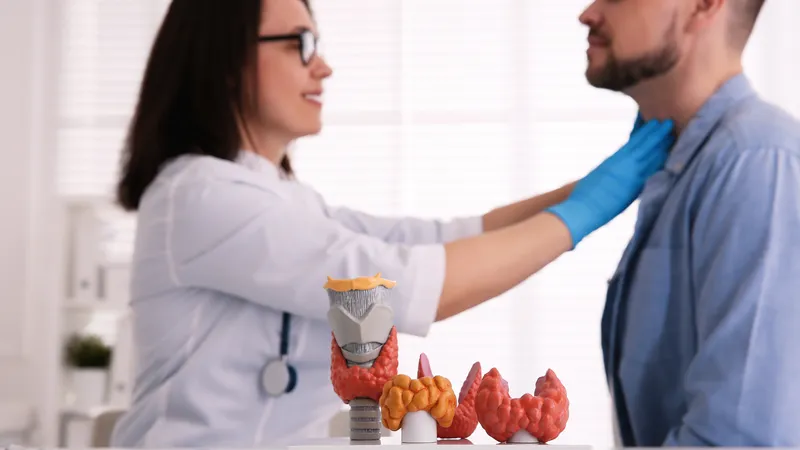
- Thyroid diseases (both hypo- and hyperthyroidism)
- Obstructive sleep apnea
- Certain medications: including oral contraceptives, anti-inflammatory drugs, and pain relievers
- Coarctation of the aorta
Risk Factors for Hypertension
Who Is at Risk?
Some groups of people have a higher likelihood of developing hypertension, including:
- Older adults
- Men and postmenopausal women
- Individuals with a family history of cardiovascular disease
Factors That Increase the Risk of Hypertension
Several lifestyle and behavioral factors can increase blood pressure levels or accelerate the onset of hypertension:
- Smoking
- Overweight and obesity
- Sedentary lifestyle or lack of physical activity
- Excessive alcohol consumption
- Unhealthy diet: high salt intake, saturated fats (animal fat, organ meats), low fruit and vegetable consumption
- Chronic stress and anxiety

Diagnosis and Treatment of Hypertension
Diagnostic Criteria
| Classification | Systolic BP (mmHg) | Diastolic BP (mmHg) |
| Normal | <130 | and <85 |
| High-normal (Prehypertension) | 130–139 | and/or 85–89 |
| Grade 1 Hypertension | 140–159 | and/or 90–99 |
| Grade 2 Hypertension | ≥160 | and/or ≥100 |
| Hypertensive Crisis | ≥180 | and/or ≥120 |
| Isolated Systolic Hypertension | ≥140 | and <90 |
Diagnostic Tests for Hypertension
Tests to Identify Secondary Causes
- Renal causes: Serum creatinine, urine albumin, renal artery Doppler ultrasound, plasma renin activity, abdominal CT or MRI
- Endocrine causes (adrenal, thyroid, or pituitary disorders): Serum aldosterone, cortisol, ACTH, metanephrine, TSH, fT3, fT4, calcium
- Other causes: Polysomnography (for sleep apnea), complete blood count with hematocrit (for polycythemia), echocardiography (for aortic coarctation)
Routine and Specialized Tests to Assess Organ Damage
- Blood tests: CBC, lipid profile (total cholesterol, LDL-C, triglycerides), electrolytes, uric acid, fasting glucose or HbA1c, creatinine, liver enzymes (AST, ALT)
- Urine analysis: Urinalysis and urine albumin-to-creatinine ratio — to assess kidney damage
- Cardiac assessment: Electrocardiogram (ECG), chest X-ray, echocardiography — to evaluate cardiac structure and function
- Arterial stiffness: Pulse Wave Velocity (PWV) measurement
- Peripheral artery assessment: Ankle-Brachial Index (ABI)
- Ophthalmoscopy: To detect hypertensive damage in retinal vessels
- Brain imaging (CT or MRI): To detect ischemic or hemorrhagic stroke
Effective Treatment of Hypertension
Treatment Goals
The main goals of hypertension management are to:
- Maintain stable blood pressure within target levels,
- Reduce cardiovascular complications (heart attack, stroke, heart failure),
- Improve quality of life and extend life expectancy.
Patients diagnosed with hypertension should strictly follow their physician’s treatment plan, while managing associated risk factors and comorbidities such as diabetes, dyslipidemia, or kidney disease.
Lifestyle Modifications
Healthy lifestyle habits play a vital role in both preventing and treating high blood pressure:
- Follow the DASH diet: Emphasize vegetables, fruits, whole grains, and low-fat dairy; reduce saturated fats and added sugars.
- Reduce salt intake: Limit salty foods and processed items high in sodium.
- Increase potassium intake: From natural sources such as bananas, leafy greens, and potatoes (unless contraindicated due to kidney disease).
- Maintain a healthy weight: Lose excess weight if overweight or obese.
- Avoid smoking and limit alcohol: Minimize alcohol consumption and avoid both active and passive smoking.
- Exercise regularly: Engage in moderate physical activity such as brisk walking, swimming, or cycling.
- Manage stress and ensure adequate sleep: Practice relaxation techniques and maintain good sleep hygiene.
Pharmacologic Treatment
Doctors will prescribe medication based on:
- The severity of hypertension,
- The patient’s age, comorbid conditions, and response to therapy.
Combination therapy is often required to achieve optimal blood pressure control.

Lifestyle and Prevention of Hypertension
Healthy Habits to Help Control High Blood Pressure
Lifestyle Adjustments
Preventing hypertension is a key strategy in reducing cardiovascular diseases, sudden cardiac death, and overall mortality. While certain risk factors such as age, gender, and family history cannot be changed, adopting a healthy lifestyle can significantly lower your risk of developing high blood pressure.
Recommended habits include:
- Increase physical activity and exercise regularly.
- Avoid smoking, both active and passive exposure.
- Limit alcohol consumption and drink responsibly.
- Maintain a healthy body weight and lose excess weight if you are overweight or obese.
- Manage stress effectively and establish a balanced routine between work and rest.
Dietary Recommendations
- Reduce sodium intake to about 5–6 grams of salt per day (approximately one level teaspoon). Pay attention to hidden sources of salt in foods such as snacks, processed or canned foods, sauces, and condiments (soy sauce, fish sauce, etc.).
- Increase your intake of fruits and vegetables, and limit foods high in saturated fats and trans fats.

Effective Ways to Prevent Hypertension
Regular health check-ups are essential to monitor blood pressure levels and detect any underlying conditions that may contribute to hypertension. If you are diagnosed with high blood pressure, it is crucial to:
- Follow your doctor’s treatment plan strictly.
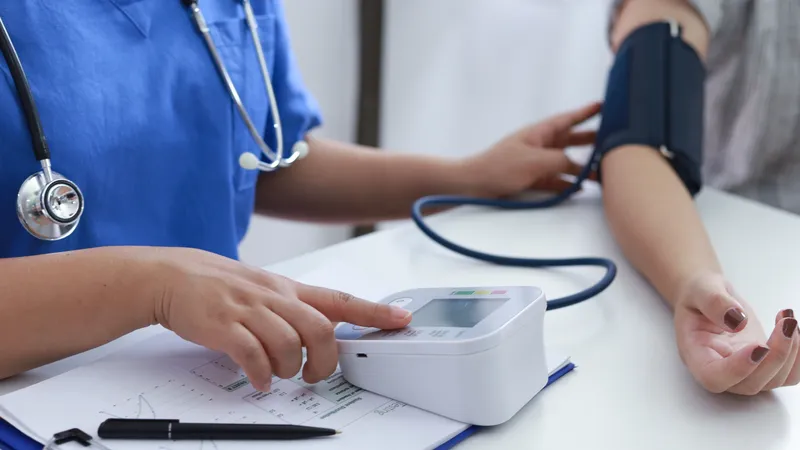
- Monitor your blood pressure at home on a regular basis.
- Attend follow-up visits as scheduled.
