
What It Is, Symptoms, and Treatment Options
Overview of Stage 3 Stomach Cancer
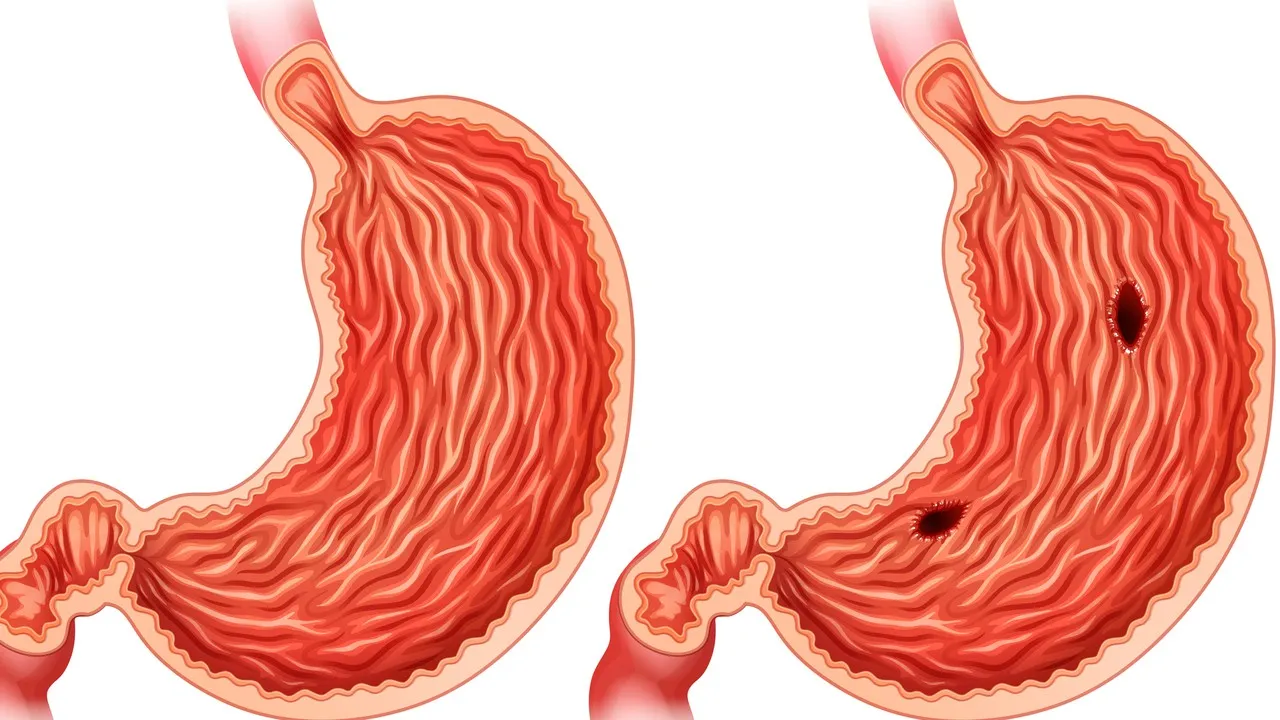
The stomach is located in the upper middle part of the abdomen, just beneath the breastbone. It plays a vital role in storing and breaking down food. Structurally, the stomach wall consists of five layers: the innermost mucosa, followed by the submucosa, muscularis, subserosa, and the outer serosa.
Stomach cancer is one of the most common cancers worldwide, with incidence influenced by dietary habits and food preservation methods. It is more common in older adults and rarely occurs in people under the age of 30.
Stage 3 stomach cancer is diagnosed when the tumor has grown through the muscular layer or subserosa and has spread to nearby lymph nodes or adjacent organs, but has not yet reached distant organs.
According to staging classification, stage 3 stomach cancer is divided into three subgroups:
- Stage 3A: The tumor has invaded the connective tissue layer and spread to nearby lymph nodes but has not reached distant organs.
- Stage 3B: Cancer cells have penetrated the submucosal or subserosal layers, spread to multiple lymph nodes, and may invade through the stomach wall into nearby structures.
- Stage 3C: The tumor has reached the serosa and spread to numerous lymph nodes. Malignant cells may also invade organs close to the stomach.
Symptoms of Stage 3 Stomach Cancer
Because stage 3 is an advanced stage, the disease often causes noticeable and sometimes severe symptoms that can significantly affect daily life, such as:
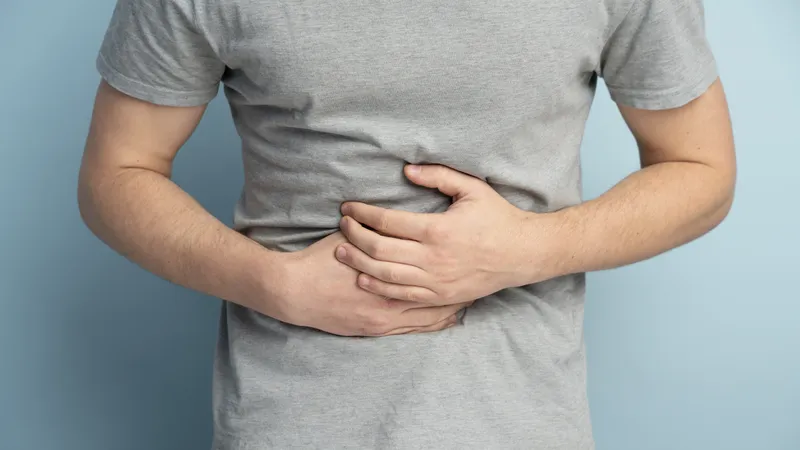
- Persistent and often severe pain in the upper abdomen (epigastric pain).
- Difficulty swallowing, nausea, or vomiting after meals. In some cases, vomiting blood may occur.
- Blood in the stool, caused by bleeding tumors.
- Pain or tenderness when pressing on the abdomen.
- Rapid weight loss, fatigue, and general weakness.
Possible Complications
Stage 3 stomach cancer can lead to dangerous complications, including:
Nutritional deficiency and malabsorption → leading to severe weight loss and cachexia.
Pyloric obstruction → blockage that prevents food from moving from the stomach to the duodenum.
Cardia obstruction → tumors near the upper stomach can cause difficulty swallowing and a choking sensation.
Gastrointestinal bleeding → tumors may rupture and cause bleeding, leading to anemia and fatigue.
Perforated stomach → more common with ulcerative cancer, a life-threatening emergency.
Mortality → without timely detection and treatment, stomach cancer has one of the highest death rates among cancers.
When to See a Doctor
If you experience any of the symptoms above, it is crucial to seek medical advice as soon as possible. Early diagnosis and treatment not only slow the progression of the disease but can also significantly improve quality of life and survival.
Causes of Stage 3 Stomach Cancer
Stomach cancer can arise from a combination of factors, including: infection with Helicobacter pylori (H. pylori), stomach polyps, chronic or recurrent gastritis and ulcers, a history of benign stomach conditions, smoking, alcohol consumption, and dietary habits. Diets high in preservatives, smoked or salted foods, grilled or charred meats, canned products, and processed meats can also play a role. In addition, having a family history of stomach cancer or gastrointestinal disorders may increase the risk. Without timely detection and treatment, stomach cancer can progress to stage 3.
Who Is at Risk for Stage 3 Stomach Cancer?
Certain groups of people are considered at higher risk of developing stage 3 stomach cancer, such as those with:
- Gastric adenomas (stomach glandular tumors)
- Pernicious anemia
- Gastric intestinal metaplasia
- Familial adenomatous polyposis (FAP)
- Lynch syndrome (hereditary nonpolyposis colorectal cancer)
- Peutz–Jeghers syndrome
- Multiple polyposis syndromes
Risk Factors That Increase the Likelihood of Stage 3 Stomach Cancer
Several factors can contribute to a higher chance of developing stomach cancer, including:
Gender: Men are more likely than women to develop stomach cancer.
Dietary habits:
- Frequent consumption of processed meats (such as smoked, dried, or charcoal-grilled foods).
- Foods containing high levels of nitrates.
- Excessive salt intake.
- Low intake of vitamin A, vitamin C, and fresh fruits.
Lack of proper refrigeration for food storage.
Smoking and alcohol use: Both increase the likelihood of stomach cancer.
Excess body weight: Being overweight or obese is linked to cancers in the upper stomach, particularly near the esophagus.
Family history: Having close relatives with stomach cancer raises personal risk.
Infection with Helicobacter pylori (H. pylori): A well-established cause of chronic gastritis that can lead to cancer.
Certain stomach polyps.
Pernicious anemia.

Diagnosis and Treatment of Stage 3 Stomach Cancer
Diagnostic Methods and Tests
To detect stage 3 stomach cancer, doctors use a combination of procedures and tests, including:
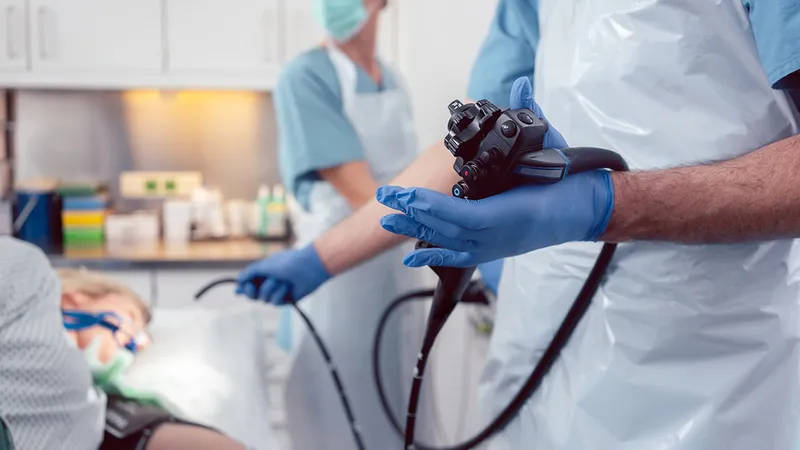
Upper endoscopy (gastroscopy): This procedure allows doctors to directly examine the stomach lining and identify abnormal growths. During the process, tissue samples can be collected for further testing.
Biopsy: If suspicious lesions are found, a small tissue sample is taken and analyzed under a microscope to confirm the presence of cancer cells. Biopsies are usually performed during endoscopy.
Blood tests: While blood tests cannot directly diagnose stomach cancer, they provide insight into a patient’s overall health. In some cases, specialized DNA tests may detect fragments of tumor cells circulating in the blood.
Ultrasound of the stomach (endoscopic ultrasound): This test helps assess nearby lymph nodes and guides needle biopsies. Tissue samples obtained are later examined in a lab to check for cancer cells.
Imaging tests: CT scans and PET-CT scans are commonly used to determine whether cancer has spread to nearby lymph nodes or other parts of the body.
Diagnostic surgery (laparoscopy): In cases where imaging is not conclusive, minimally invasive surgery may be performed to directly look inside the abdomen, check for tumor spread, and detect whether cancer has reached organs such as the liver.
Treatment for Stage 3 Stomach Cancer
Managing stage 3 stomach cancer typically requires a multimodal approach, meaning several treatments are combined to improve outcomes. The choice of therapy depends on the patient’s age, overall health, and the extent of the disease.
Surgery: Surgery plays a central role when possible, often involving partial or total gastrectomy (removal of part or all of the stomach) along with nearby lymph nodes. Surgery helps control symptoms and prevents further local spread.
Chemotherapy: If surgery is not an option due to poor health or extensive tumor involvement, chemotherapy is used to shrink the tumor, slow its growth, and kill cancer cells. Drugs are administered either intravenously or orally. Side effects may include hair loss, fatigue, nausea, and anemia, but these usually lessen after treatment cycles.
Radiation therapy: Often combined with chemotherapy, radiation helps destroy remaining cancer cells and enhances the effectiveness of treatment.
Combined therapy: In many cases, doctors recommend a combination of surgery, chemotherapy, and radiation to achieve the best results.
For treatment to be most effective, patients should follow their care plan closely. This includes adhering to prescribed medications, maintaining a balanced diet, resting adequately, staying physically active within safe limits, and attending regular follow-up visits to monitor progress.

Lifestyle and Prevention for Stage 3 Stomach Cancer
Healthy Lifestyle Habits
Adopting certain daily habits can help slow the progression of stage 3 stomach cancer and improve overall well-being:
Stay physically active: Regular exercise helps strengthen the body and boost immunity.
Rest and relaxation: Maintain a healthy balance between work and rest to reduce stress and improve recovery.
Avoid smoking and limit alcohol: Both are major risk factors that can worsen cancer progression.
Routine cancer screening: Regular checkups make it easier to monitor your condition and catch potential complications early.
Maintain a positive mindset: Emotional health plays a big role in managing cancer and improving quality of life.
Nutrition for Stomach Cancer Patients
Stomach cancer often causes malnutrition due to impaired absorption and the disease’s effect on the body. Supporting nutritional health is essential before and after surgery, during chemotherapy or radiation, and in advanced care. Key recommendations include:
Post-surgery recovery: Increase intake of vitamins and minerals to strengthen the immune system and support wound healing. High-energy diets and supplemental nutrition may be needed, delivered both orally and intravenously (such as amino acid or lipid solutions, or specialized nutrition packs like Kabiven, Nutriplex, or Combilipid). Soft, easily digested foods like soups and pureed meals are often recommended.
Safe food choices: Always choose fresh, clean, and well-preserved foods with clear origins to reduce the risk of infections.
Eat smaller, frequent meals: Consuming 6–7 small meals a day can provide adequate nutrition without overwhelming the digestive system.
Prioritize nutrient-rich foods:
- Protein sources: eggs, milk, cheese.
- Fiber-rich foods: whole grains, fresh vegetables.
- Avoid processed foods, fast food, and items high in preservatives.
Prevention of Stomach Cancer
Like other cancers, stomach cancer is easier to treat successfully when detected early. Regular health checkups and cancer screenings are especially important for people at high risk. Detecting the disease in its early stages allows timely intervention, while late detection often leads to rapid progression and serious health consequences.
In Vietnam, gastric cancer screening is generally recommended starting at age 40, especially for high-risk individuals. However, as cases are being diagnosed at younger ages, earlier screening—around 30–35 years old—may be advisable for those with multiple risk factors.
Diet and environment also play a major role in prevention. Recommendations include:
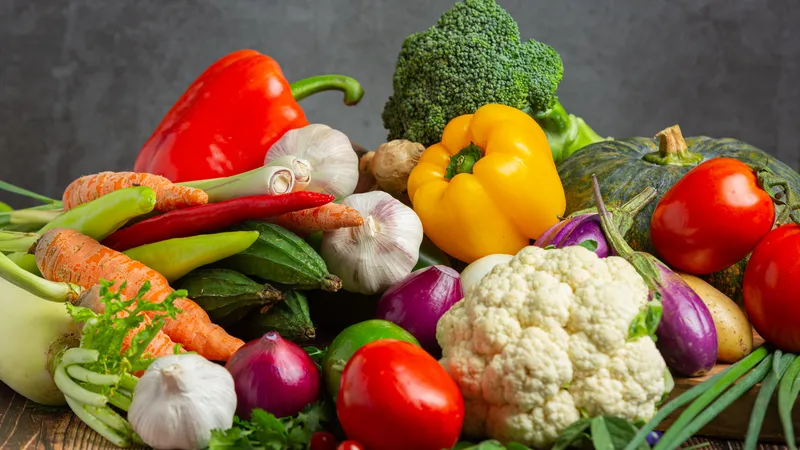
- Eating foods rich in vitamins A and C, such as fresh fruits (e.g., oranges, lemons) and vegetables.
- Maintaining a high-fiber diet.
- Ensuring adequate intake of trace minerals like zinc, copper, iron, and magnesium, which may help reduce cancer risk.
