
Stage 2 Stomach Cancer: Causes, Symptoms, and Treatment Options
Overview of Stage 2 Stomach Cancer
The stomach is a vital organ of the digestive system located between the esophagus and the small intestine. Its primary role is to churn and digest food, allowing nutrients to be absorbed before the contents move into the small intestine for further digestion.
Doctors classify stomach cancer (gastric cancer) using the TNM staging system, which considers:
- T (Tumor): How deeply the tumor has invaded the stomach wall
- N (Nodes): Whether nearby lymph nodes are affected
- M (Metastasis): Whether the cancer has spread to distant organs
Stages of Stomach Cancer
- Stage 0 (Carcinoma in situ): Cancer cells are confined to the innermost lining of the stomach.
- Stage I: Cancer has invaded the inner or outer muscle layer of the stomach wall and may involve one or two lymph nodes.
- Stage II: Cancer has penetrated deeper layers of the stomach wall and has spread to several lymph nodes, but distant organs remain unaffected.
- Stage III: The tumor is larger, may invade nearby connective tissue, and has spread to more lymph nodes.
- Stage IV: Cancer has metastasized beyond the stomach to distant organs such as the liver, lungs, or peritoneum.
Early diagnosis at Stage 2 significantly improves the chance of successful treatment and long-term survival.
Common Symptoms of Stage 2 Stomach Cancer
Stage 2 gastric cancer may cause the following signs and symptoms:
- Loss of appetite
- Difficulty swallowing (dysphagia)
- Fatigue and weakness
- Nausea and vomiting
- Unexplained weight loss
- Heartburn or persistent indigestion
- Black, tarry stools or vomiting blood (signs of gastrointestinal bleeding)
- Abdominal pain, especially in the upper or middle stomach region
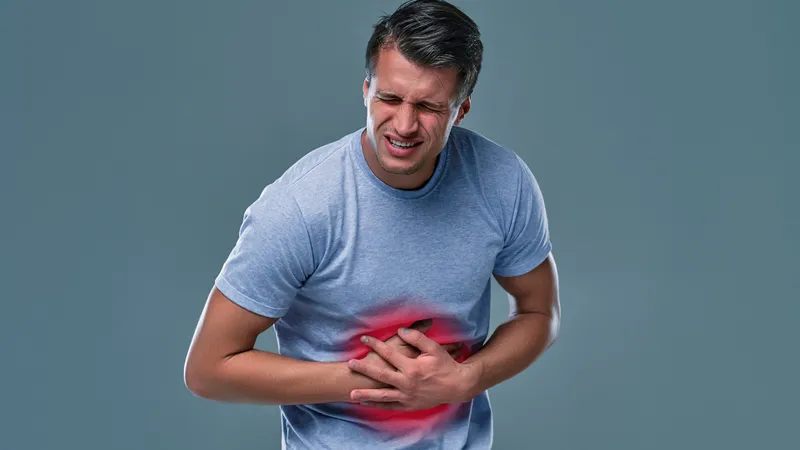
Because these symptoms can be mistaken for less serious gastrointestinal conditions, persistent or worsening symptoms should prompt medical evaluation.
Possible Complications
If left untreated, stage 2 stomach cancer can lead to serious complications, including:
- Progression to advanced cancer with distant metastasis
- Perforation of the stomach wall
- Severe gastrointestinal bleeding
- Malnutrition and cachexia (severe weight loss and muscle wasting)
- Death
When to See a Doctor
Seek medical advice from a gastroenterologist if you experience persistent symptoms such as abdominal pain, unexplained weight loss, black stools, or vomiting blood. Early consultation, imaging tests (like endoscopy and CT scan), and biopsy can help confirm the diagnosis and allow treatment to begin promptly—significantly improving the prognosis.
Causes of Stage 2 Stomach Cancer
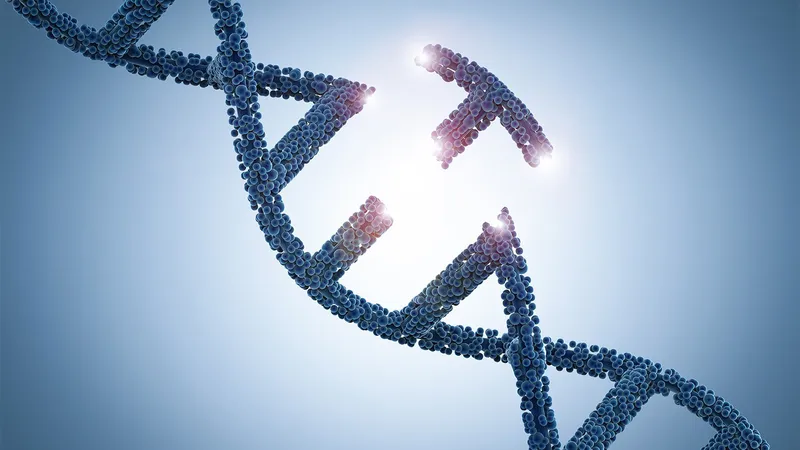
The primary cause of stage 2 stomach cancer is genetic mutations in the DNA of stomach lining cells. These mutations cause cells to grow uncontrollably, forming malignant tumors. While the exact trigger for these mutations is still unknown, researchers have identified several contributing factors.
Some potential causes and contributors include:
- Chronic infection: Persistent Helicobacter pylori (H. pylori) infection is the strongest known risk factor for gastric cancer.
- Chronic acid reflux: Long-term acid reflux and chronic gastritis can damage the stomach lining, increasing the risk of cellular changes.
- Dietary habits: Diets high in salted, smoked, or pickled foods and low in fresh fruits and vegetables are linked to a higher risk.
- Lifestyle factors: Tobacco smoking and heavy alcohol consumption are strongly associated with gastric cancer development.
It is important to note that not everyone with these risk factors will develop stomach cancer. Further research is ongoing to better understand why certain individuals are more susceptible than others.
Risk Factors for Stage 2 Stomach Cancer
Although anyone can develop gastric cancer, certain demographic and medical factors increase the likelihood:
- Age: Most cases occur in individuals over 65 years old.
- Sex: Men are at higher risk than women.
- Geography: Higher incidence is seen in East Asia (Japan, Korea, China), Eastern Europe, and parts of Central and South America.
Additional Risk Factors
Several other conditions and lifestyle choices can raise the risk of stage 2 stomach cancer:
- Tobacco use – cigarette smoking significantly increases stomach cancer risk.
- Alcohol consumption – heavy or chronic alcohol use may promote cancer development.
- H. pylori infection – chronic infection causes inflammation and atrophic gastritis.
- Unhealthy diet – frequent consumption of smoked, salted, or pickled foods combined with low intake of fresh produce.
- Obesity and overweight – excess body weight is linked to gastric cardia cancer.
- Chronic gastritis or stomach ulcers – persistent inflammation can lead to precancerous changes.
- Family history of gastric cancer – especially in first-degree relatives.
- Inherited genetic syndromes – such as Familial Adenomatous Polyposis (FAP), Lynch syndrome, Hereditary Diffuse Gastric Cancer (HDGC), or Gastric Adenocarcinoma and Proximal Polyposis of the Stomach (GAPPS).
Recognizing and modifying these risk factors—where possible—plays an important role in prevention and early detection strategies.

Diagnosis and Treatment of Stage 2 Stomach Cancer
Diagnostic Methods and Tests
To diagnose stage 2 stomach cancer, your doctor will first review your medical history, ask about your symptoms, and perform a physical examination, which may include palpating your abdomen for masses or tenderness. Several tests and procedures can confirm the diagnosis and determine the stage of the disease:
Complete blood count (CBC): Evaluates red blood cells, white blood cells, and platelets, which may reveal anemia or other cancer-related complications.
Upper endoscopy (esophagogastroduodenoscopy, EGD): Allows direct visualization of the stomach lining to detect abnormal tissue and measure tumor size and location.
Biopsy: Performed during endoscopy to collect tissue samples for histopathological examination, confirming the presence and type of cancer.
Imaging studies:
- X-ray and CT scan: Detect tumor size, lymph node involvement, and potential spread to nearby organs.
- MRI scan: Offers detailed images of soft tissues and helps assess local invasion.
- PET scan (positron emission tomography): Detects distant metastasis by highlighting areas of increased metabolic activity.
Accurate staging with these tests is essential to determine the most effective treatment plan.

Treatment Options for Stage 2 Stomach Cancer
The treatment of stage 2 gastric cancer usually involves a combination of surgery and systemic therapies. The goal is to completely remove the tumor, eradicate microscopic cancer cells, and prevent recurrence.
1. Medical (Non-Surgical) Treatment
- Chemotherapy: Uses cytotoxic drugs to kill rapidly dividing cancer cells. For stage 2 gastric cancer, chemotherapy is often given before surgery (neoadjuvant chemotherapy) to shrink the tumor and improve surgical outcomes, and after surgery (adjuvant chemotherapy) to reduce the risk of recurrence.
- Radiation therapy: High-energy beams are directed at the tumor area to destroy cancer cells. Radiation may be combined with chemotherapy (chemoradiation) to enhance effectiveness.
- Targeted therapy: Drugs such as trastuzumab (for HER2-positive tumors) or ramucirumab (anti-angiogenic therapy) may be used, especially in advanced or recurrent cases.
- Immunotherapy: Immune checkpoint inhibitors like pembrolizumab may be considered for select patients with PD-L1 positive or MSI-high tumors.
- Palliative care: Aims to improve quality of life by managing symptoms such as pain, nausea, and loss of appetite. Palliative treatment can be provided alongside curative therapies.

2. Surgical Treatment
Surgery is the cornerstone of treatment for stage 2 stomach cancer, provided the patient is a good surgical candidate.
Endoscopic resection: If the cancer is still limited to the superficial layers of the stomach wall (rare at stage 2), it may be removed using minimally invasive endoscopic mucosal resection (EMR) or endoscopic submucosal dissection (ESD).
Gastrectomy: The most common approach for stage 2 disease.
- Subtotal (partial) gastrectomy: Removal of the affected portion of the stomach along with nearby lymph nodes.
- Total gastrectomy: Removal of the entire stomach if the tumor is large or centrally located. The esophagus is then connected to the small intestine to allow continued digestion.
Following surgery, nutritional counseling and vitamin supplementation (especially vitamin B12) may be required to prevent deficiencies.

Lifestyle Habits and Prevention for Stage 2 Stomach Cancer
Healthy Lifestyle Tips to Slow Disease Progression
Adopting healthy habits plays a crucial role in improving treatment outcomes and preventing the progression of stage 2 stomach cancer.
Daily Lifestyle Recommendations:
- Follow your doctor’s treatment plan: Take all medications as prescribed and attend follow-up appointments regularly.
- Monitor your symptoms: Report any new or worsening symptoms—such as pain, vomiting, or weight loss—to your healthcare provider promptly.
- Quit smoking: Tobacco use can worsen cancer prognosis and interfere with healing.
- Maintain a regular meal schedule: Avoid skipping meals to keep your digestive system stable and prevent unintentional weight loss.
- Get adequate rest and manage stress: Chronic stress can weaken the immune system, so prioritize rest, mindfulness, or relaxation exercises.
Dietary Guidelines:
- Avoid alcohol: Alcohol can irritate the stomach lining and impair recovery.
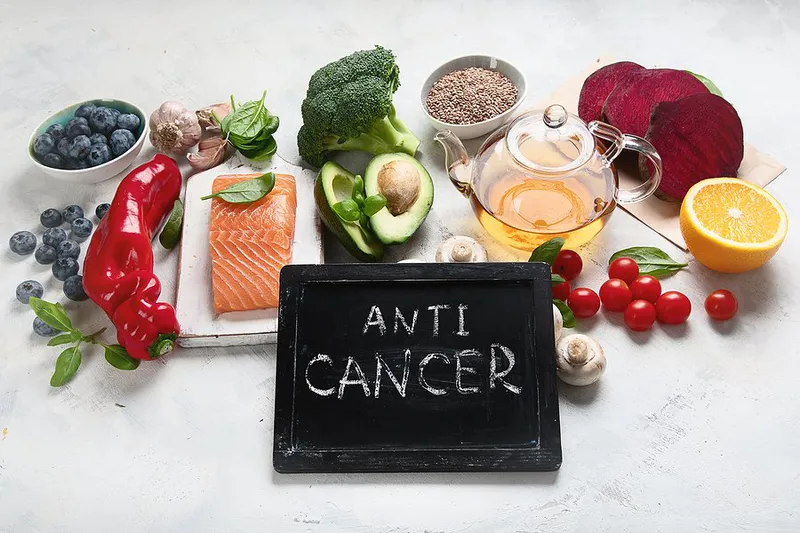
- Eat a nutrient-rich diet: Focus on fresh vegetables, fruits, and whole grains to boost immunity and provide antioxidants.
- Limit carbonated drinks and caffeine: These can worsen acid reflux and discomfort.
- Avoid spicy, fried, and heavily processed foods: These may irritate the stomach and contribute to inflammation.
- Opt for small, frequent meals: This helps improve digestion and maintain stable energy levels.
Preventing Stomach Cancer
While not all cases of gastric cancer can be prevented, certain steps can significantly lower your risk:
- Eat more fruits and vegetables: Aim for a colorful variety daily to benefit from vitamins, minerals, and protective plant compounds.
- Reduce salt and processed foods: High-salt diets and preserved foods are linked to increased gastric cancer risk.
- Stop smoking: Quitting smoking reduces the risk of stomach cancer and many other cancers.
- Get screened if you have a family history: Individuals with a first-degree relative who had stomach cancer may benefit from early screening (such as endoscopy), which can detect precancerous changes before symptoms appear.
- Treat H. pylori infection promptly: If you test positive for Helicobacter pylori, your doctor may prescribe antibiotics to eradicate the bacteria and reduce long-term cancer risk.
