
Signet Ring Cell Carcinoma: Symptoms and Treatment Options
What is Signet Ring Cell Carcinoma?
The term “signet ring” refers to the tumor cells’ distinctive appearance under the microscope: round cells with abundant mucin that pushes the nucleus to one side, resembling a signet ring. SRCC is classified as a subtype of adenocarcinoma — malignancies that arise from glandular tissues naturally present in the linings of many organs.
This histological variant is characterized by rapid progression, early spread within the peritoneal cavity, and reduced responsiveness to conventional therapies compared with other gastric adenocarcinomas.
Where It Occurs
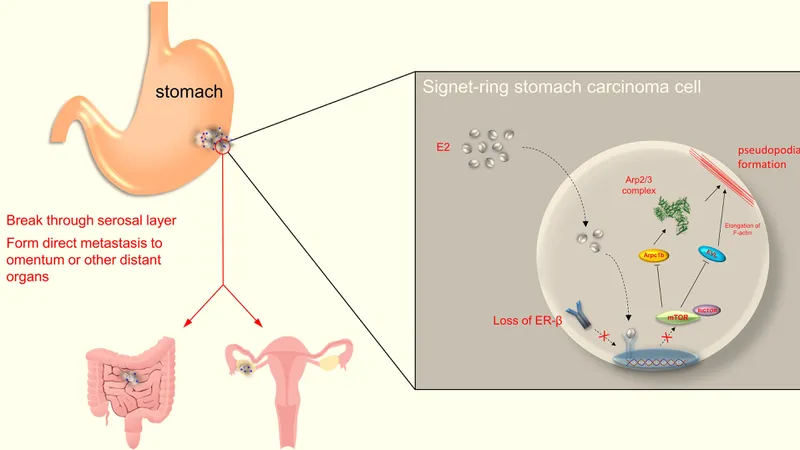
Approximately 90% of signet ring cell carcinomas are gastric in origin. Less commonly, similar histology is seen in the rectum, pancreas, bladder, and esophagus. Because of its infiltrative growth, SRCC can remain “silent” until it has metastasized to the peritoneum, bones, or ovaries (Krukenberg tumors).
Symptoms
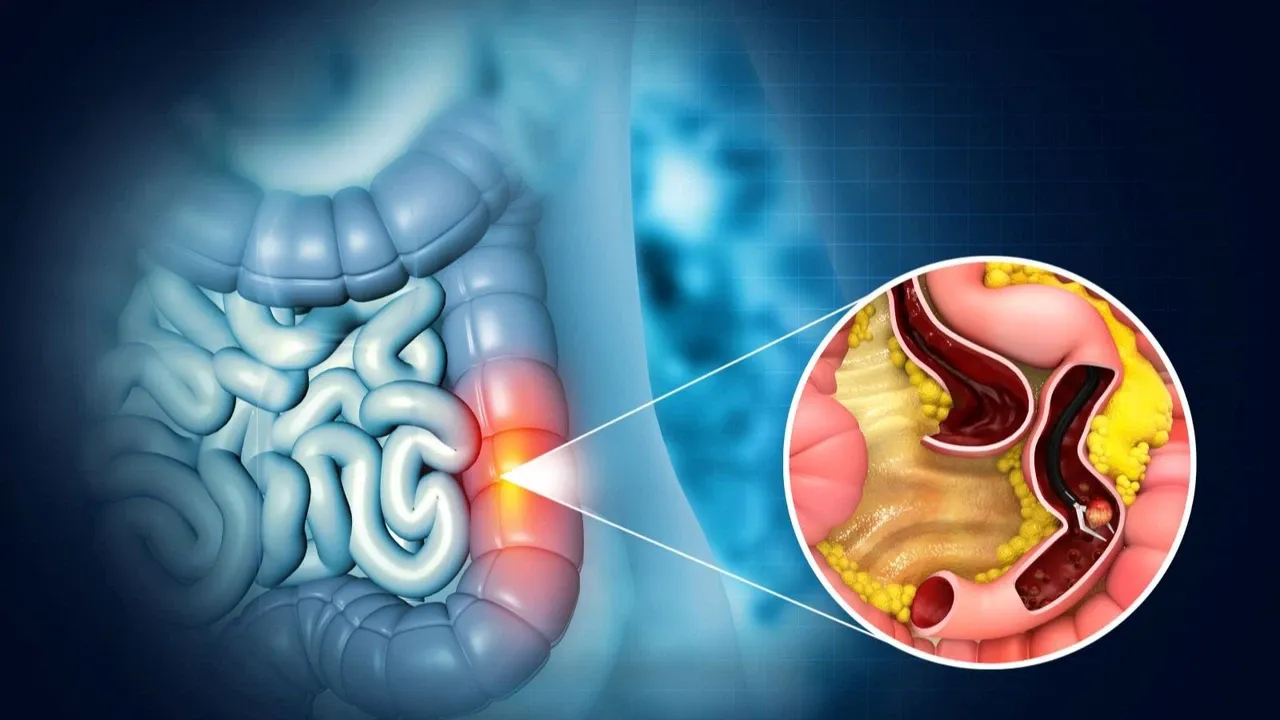
In its early stages, SRCC may cause few or no symptoms, which is why it is frequently diagnosed late. When clinical signs appear, they are often nonspecific and resemble common gastrointestinal conditions. Potential symptoms include:
- Persistent indigestion, bloating, or abdominal discomfort
- Nausea and vomiting
- Diarrhea or constipation
- Blood in the stool or melena
- Unexplained fatigue and weight loss
- Joint pain or generalized body aches
- Pallor, shortness of breath, or rapid heartbeat due to anemia
Because these manifestations overlap with benign gastrointestinal disorders, further evaluation is essential if symptoms persist.
Possible Complications
Up to 15% of patients with signet ring cell carcinoma develop malignant effusions, such as pleural effusion. Compared with conventional adenocarcinoma, SRCC more frequently metastasizes to the peritoneum, bones, and ovaries, and less often to the lungs or liver. Such spread can lead to ascites, bowel obstruction, or secondary tumors in reproductive organs.
When to See a Doctor
Anyone experiencing persistent, unexplained gastrointestinal symptoms — especially abdominal pain, chronic diarrhea, or unexplained anemia — should consult a healthcare professional. While these complaints are far more likely to be caused by non-cancerous conditions, early medical evaluation improves the chance of timely diagnosis and management.
Causes, Risk Factors, and Diagnosis of Signet Ring Cell Carcinoma
Causes of Signet Ring Cell Carcinoma
Signet ring cell carcinoma (SRCC) develops when a glandular epithelial cell acquires genetic alterations that allow it to grow uncontrollably and invade surrounding tissue. These malignant cells can form a primary tumor and later spread (metastasize) to distant organs.
Although the precise trigger for this transformation is still unknown, research has identified certain genetic and molecular changes associated with SRCC. In particular, mutations in the CDH1 gene — which codes for the cell-adhesion protein E-cadherin — are strongly linked to the loss of normal cell adhesion and the development of diffuse gastric cancer, including the signet ring subtype. However, not every case of SRCC involves this mutation, and many aspects of its pathogenesis remain under investigation.
Who Is at Risk?
SRCC is most commonly diagnosed in adults over the age of 30, but cases have been reported in younger individuals. Epidemiological studies suggest a slightly higher incidence among younger women and among certain populations, including people of Asian, African, Hispanic, Pacific Islander, and Alaska Native ancestry.
Risk Factors
Several factors may increase the likelihood of developing SRCC or related diffuse gastric cancers:
- Family history of cancer: especially hereditary diffuse gastric cancer or related malignancies
- Genetic predisposition: CDH1 mutations and other hereditary cancer syndromes
- Chronic gastric conditions: such as chronic gastritis, Helicobacter pylori infection, or gastric polyps
- Dietary patterns: low intake of fruits and vegetables combined with a high intake of processed foods, smoked or salted products, and red meat

While having these risk factors does not guarantee disease, awareness and early screening in high-risk individuals can be lifesaving.
Diagnosis of Signet Ring Cell Carcinoma
Diagnosing SRCC typically requires a combination of clinical evaluation, imaging studies, and tissue sampling:
Imaging tests:
- CT scans of the abdomen and pelvis are commonly used to detect masses, wall thickening, or metastases.
- PET scans may be ordered to evaluate whether cancer has spread beyond the primary site.
Blood tests: Routine labs help assess overall health, anemia, and nutritional status. Specific tumor markers are sometimes measured, although they are not diagnostic on their own.
Biopsy: Definitive diagnosis requires removal of tissue from the suspected lesion. A pathologist examines the sample under a microscope for the hallmark signet ring cells. Immunohistochemistry staining may be performed to confirm the diagnosis and rule out other cancer types.
Treatment Options for Signet Ring Cell Carcinoma
Management of signet ring cell carcinoma (SRCC) depends on multiple factors, including the primary site, tumor stage, overall health status, and whether the disease has spread. In most cases, a multimodal approach — combining surgery, chemotherapy, and sometimes radiotherapy or immunotherapy — provides the best outcomes. Treatment decisions should always be made in close consultation with an oncologist experienced in gastrointestinal cancers.
Endoscopic Surgery
When SRCC is detected at a very early stage and confined to the mucosal or submucosal layers, it may be removed using a minimally invasive technique such as endoscopic mucosal resection (EMR) or endoscopic submucosal dissection (ESD). In this procedure, the surgeon inserts a flexible scope through the mouth to access the stomach or esophagus, avoiding external incisions.
Tumor Resection (Radical Surgery)
Because SRCC is often diagnosed at an advanced stage, more extensive surgery is usually required. This may involve partial or total gastrectomy (removal of the stomach) or resection of other affected organs, along with removal of nearby lymph nodes to reduce the risk of recurrence.
Hyperthermic Intraperitoneal Chemotherapy (HIPEC)
For SRCC that has spread within the abdominal cavity, some centers offer HIPEC. After surgically removing visible tumor deposits, heated chemotherapy drugs are circulated directly into the peritoneal cavity. The heat enhances drug penetration and can kill microscopic cancer cells left behind.
Systemic Chemotherapy
Traditional chemotherapy is given intravenously or orally to circulate throughout the body. It is a mainstay of treatment for advanced or metastatic SRCC. Common regimens include combinations of fluoropyrimidines, platinum-based drugs, and taxanes. However, responses are often temporary, and side effects must be closely monitored.
Radiotherapy
External-beam radiotherapy may be recommended after surgery or alongside chemotherapy to target residual cancer cells. It uses high-energy beams delivered from outside the body to the tumor area. While not always a first-line treatment for SRCC, it can be useful in selected cases.
Immunotherapy
Some patients with SRCC may qualify for immunotherapy, which harnesses the body’s immune system to attack cancer cells. Immune checkpoint inhibitors (such as PD-1/PD-L1 antibodies) have shown promise in subsets of gastric and colorectal cancers with high microsatellite instability (MSI-H) or PD-L1 expression. Eligibility testing is essential to identify candidates who may benefit.

Lifestyle and Prevention Tips for Signet Ring Cell Carcinoma
Although there is currently no guaranteed way to prevent signet ring cell carcinoma (SRCC), adopting a healthy lifestyle can support overall well-being, improve treatment tolerance, and may lower the risk of recurrence or related cancers.
Healthy Lifestyle Habits
- Stay physically active: Engage in low-impact exercises such as walking, swimming, or yoga based on your fitness level. Regular physical activity helps maintain muscle mass, improve mood, and support immune function.
- Maintain regular exercise routines: Even moderate-intensity activity several times a week can reduce inflammation and improve gastrointestinal motility.
- Prioritize adequate sleep: Aim for 7–8 hours per night and avoid frequent late nights to support immune health and hormonal balance.
Nutrition for Cancer Prevention and Recovery
- Eat a plant-forward diet: Increase your intake of fresh fruits, vegetables, whole grains, and lean protein sources such as poultry, fish, legumes, and tofu.
- Limit processed and high-fat foods: Minimize consumption of processed meats, refined sugars, and foods high in saturated fat to reduce chronic inflammation.
- Stay hydrated: Drinking enough water (unless otherwise directed by your doctor) supports digestion and overall cellular health.
Reducing the Risk of Signet Ring Cell Carcinoma
While SRCC cannot be completely prevented, these measures can help lower risk factors and detect disease early:
- Undergo regular cancer screenings if you have a family history of gastric cancer or other risk factors.
- Consume a diet rich in fiber, antioxidants, and phytochemicals from fruits, vegetables, and whole grains to support gastrointestinal health.
- Exercise regularly to maintain a healthy weight and strengthen your immune system.
- Avoid tobacco and limit alcohol consumption: Smoking and heavy alcohol intake are linked to an increased risk of various gastrointestinal cancers, including gastric adenocarcinomas.