
Retinoblastoma: Causes, Symptoms, and Treatment Options
Retinoblastoma is a rare but serious type of eye cancer that develops in the retina, most often affecting children under the age of 5. Although uncommon, it is the most frequent primary malignant eye tumor in children, accounting for about 3% of all pediatric cancers. The good news is that with early diagnosis and proper treatment, the survival rate can reach up to 95%, and in many cases, vision can also be preserved.
Early recognition of symptoms is key, as timely intervention significantly improves treatment outcomes.
What is Retinoblastoma?
Retinoblastoma is a malignant tumor that begins in the retina, the thin layer of light-sensitive tissue located at the back of the eye. While rare, it remains the most common eye cancer in young children.
The disease occurs when mutations affect the RB1 gene, a tumor-suppressor gene that normally helps regulate cell growth. When this gene fails, abnormal cells grow uncontrollably and form a tumor.
- Retinoblastoma can affect one eye (unilateral) or both eyes (bilateral).
- About 60% of cases involve only one eye, with an average diagnosis age of around 24 months.
- Around 40% of cases affect both eyes, with diagnosis often occurring earlier, at around 15 months of age.
At specialized treatment centers, survival rates reach 95%, though access to care can make outcomes less favorable in developing countries.
Symptoms of Retinoblastoma
Because retinoblastoma often develops before children can fully express or describe their symptoms, parents and caregivers play a crucial role in spotting warning signs.
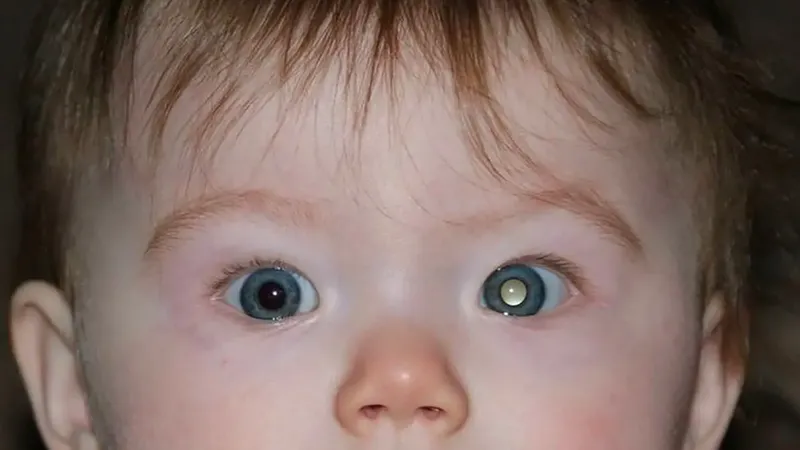
The most common and earliest symptom is leukocoria, also called the “cat’s eye reflex.” This appears as a white or pale reflection in the pupil, often noticed in photographs taken with flash.
Other symptoms may include:
- Strabismus (crossed eyes or misaligned eye movements)
- Reduced or blurred vision
- Eye redness or swelling
- Eye pain or irritation
- Bulging of the eye (proptosis)
- Change in iris color
- Intraocular bleeding
- Glaucoma or abnormally large eye (buphthalmos)
Potential Complications
Without treatment, retinoblastoma can lead to serious consequences, such as:
- Retinal detachment
- Retinal necrosis
- Optic nerve invasion and brain spread
- Secondary tumors in other body parts (metastasis)
- Blindness in one or both eyes
- Cataracts
- Radiation-related retinal damage or neuropathy
Children with hereditary retinoblastoma are also at higher risk of developing other cancers later in life, particularly osteosarcoma (bone cancer).
When to See a Doctor
Parents should consult a pediatrician or ophthalmologist immediately if they notice:
- White or unusual reflections in the child’s eye
- Persistent eye redness, swelling, or misalignment
- Any unexplained changes in vision or eye appearance
Families with a history of retinoblastoma or known RB1 gene mutations should consider genetic counseling and testing, as early monitoring can make a significant difference.
Prompt diagnosis and intervention are critical not only for saving vision but also for ensuring the best possible survival outcomes.
Causes of Retinoblastoma
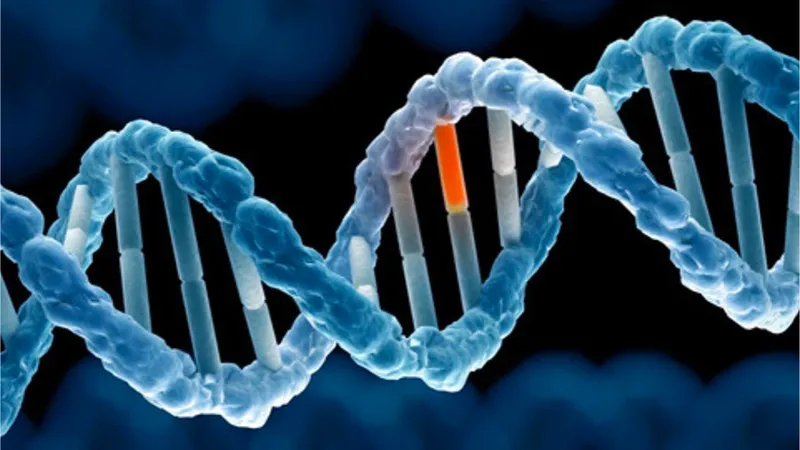
Retinoblastoma develops due to mutations in the RB1 tumor suppressor gene, located on the long arm of chromosome 13 (13q14). Normally, RB1 helps regulate cell growth in the retina, preventing uncontrolled cell division. When both copies of the RB1 gene are altered, retinal cells grow abnormally and form a tumor.
- In bilateral retinoblastoma (affecting both eyes), about 98% of cases involve a germline mutation (inherited or occurring in reproductive cells).
- Around 40% of retinoblastoma cases are caused by hereditary RB1 mutations, though only about 10% of affected children have a family history.
- The remaining 60% of cases result from sporadic (non-inherited) mutations, often limited to one eye.
Types of RB1 Mutation
1. Hereditary Retinoblastoma
- Children inherit one defective RB1 gene from a parent.
- The condition follows an autosomal dominant inheritance pattern, meaning only one mutated copy is enough to increase risk.
- These children are more likely to develop tumors in both eyes and at an earlier age.
2. Non-hereditary (sporadic) Retinoblastoma
- Occurs due to random mutations in retinal cells after birth.
- Typically affects only one eye.
- Even without a family history, a child may still carry a new germline mutation if it arose during the formation of the parents’ reproductive cells.
Risk Factors for Retinoblastoma
Although retinoblastoma is the most common eye cancer in children, it is still considered rare, affecting about 1 in 14,000 to 20,000 live births.
Key facts about risk distribution:
- It affects boys and girls equally, with no gender preference.
- 90% of cases are diagnosed before the age of 3 years.
- Incidence varies by geography, with some regions reporting higher rates.
The strongest risk factor is a family history of retinoblastoma or carrying an RB1 mutation. Children of parents with this condition are at significantly higher risk.
Additional Risk Factors Under Study
While genetic changes remain the primary cause, some studies suggest that environmental or parental factors may play a role in increasing susceptibility:
Maternal factors during pregnancy:
- Low intake of fruits and vegetables
- Exposure to toxic chemicals such as gasoline or diesel exhaust
Paternal factors:
- Exposure to radiation
- Advanced paternal age at conception
However, the evidence linking these risk factors to retinoblastoma remains inconclusive and requires further research.

Diagnosis and Treatment of Retinoblastoma
Diagnostic Methods and Tests for Retinoblastoma
Retinoblastoma is usually diagnosed through fundus examination. For young children, doctors may use dilating eye drops or perform the examination under anesthesia.
To detect tumors that are difficult to visualize or to identify associated brain lesions, several imaging tests may be performed, including:
- Ultrasound: Can reveal calcium deposits, which are commonly seen in retinoblastoma.
- Computed Tomography (CT scan): Retinoblastoma often involves calcification, which can also be detected on CT imaging.
- Magnetic Resonance Imaging (MRI): Considered the best method for obtaining detailed images of body tissues and structures. MRI is useful for assessing tumor extension and possible metastasis.
- Positron Emission Tomography (PET scan): Particularly helpful in detecting metastatic disease.
- Genetic Testing: May be performed to identify RB1 gene mutations, which can support genetic counseling for families.
Treatment of Retinoblastoma
Treatment for retinoblastoma involves a multidisciplinary approach, including pediatrics, oncology, ophthalmology, family support, and other healthcare professionals. The choice of treatment depends on the size, location, extent of the tumor, and the potential for preserving the child’s vision.
The main treatment options include:
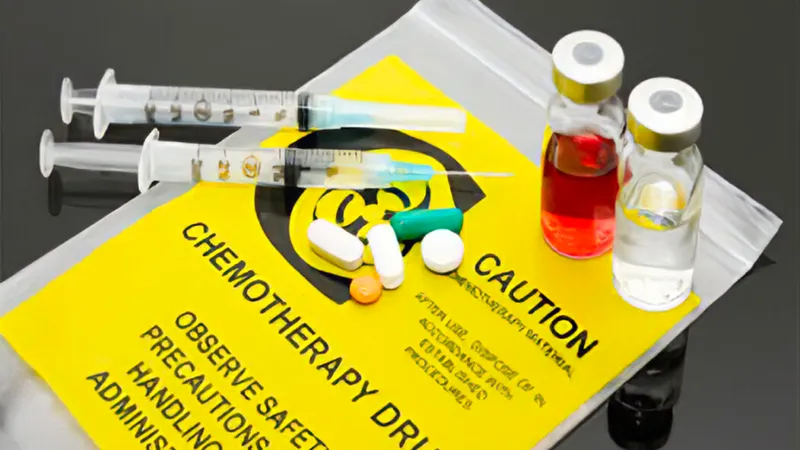
- Chemotherapy: The primary treatment, using drugs to directly target cancer cells. The regimen varies depending on the stage of retinoblastoma. Chemotherapy may be administered systemically or through intra-arterial infusion directly into the eye. Following chemotherapy, adjunctive therapies such as cryotherapy or thermotherapy may be applied to maximize tumor control.
- Radiation Therapy: Retinoblastoma is highly radiosensitive. However, radiation is less commonly used due to long-term side effects such as cataracts, radiation-induced neuropathy, or radiation retinopathy. When necessary, plaque brachytherapy (localized radiation with radioactive plates) may be used to reduce complications.
- Focal Therapies (Cryotherapy, Thermotherapy, Laser Therapy): Used to directly destroy tumor cells.
- Surgery: Enucleation (removal of the affected eye) may be indicated when the tumor poses a high risk of spreading, vision preservation is impossible, and complete removal is required to eliminate cancer from the body.
Lifestyle and Prevention of Retinoblastoma
Healthy Habits to Slow the Progression of Retinoblastoma
The cornerstone of retinoblastoma management is strict adherence to the treatment plan and careful monitoring after therapy. Families can take proactive steps to help limit disease progression and support the child’s recovery, including:
- Follow the treatment plan as prescribed by the doctor.
- Attend follow-up appointments on time to monitor recovery and detect recurrence early.
- Monitor symptoms at home and contact your doctor immediately if new or unusual signs appear.
- Seek psychological support programs for children and families to better cope with stress and anxiety during treatment.
Can Retinoblastoma Be Prevented?
Because retinoblastoma is caused by RB1 gene mutations, there is currently no way to completely prevent the disease. However, if your family has a history of retinoblastoma or you know that you carry a gene mutation, genetic counseling can help you understand the risk of passing it on to your children.
For children with a high risk, genetic testing and regular eye examinations can allow early detection and timely treatment, which significantly improves outcomes.
Frequently Asked Questions (FAQs) About Retinoblastoma
What is the prognosis for retinoblastoma?
In general, retinoblastoma has a favorable prognosis if treated promptly. Around 95% of children survive, and most are able to maintain useful vision. However, outcomes depend on early diagnosis and how far the tumor has spread.
Is retinoblastoma considered cancer?
Yes. Retinoblastoma is a malignant eye cancer in children. While rare overall, it is the most common primary intraocular cancer in childhood, accounting for about 3% of all pediatric cancers.
Is retinoblastoma hereditary?
About 40% of cases are hereditary, caused by mutations in the RB1 tumor-suppressor gene. The disease can be passed from parent to child (more often resulting in bilateral retinoblastoma), or it may occur due to new mutations (somatic mutations) without any family history.
Can retinoblastoma be prevented?
Since the condition is caused by genetic mutations, there is no absolute way to prevent it. However, genetic testing and counseling can help high-risk families understand and manage their risk.
Does my child need lifelong follow-up after retinoblastoma treatment?
Yes. Long-term monitoring is essential. Survivors of retinoblastoma should be followed for life to detect potential recurrence, new cancers, or late treatment-related side effects. Regular follow-up visits also support the child’s overall development and quality of life.
