
Renal Cell Carcinoma (RCC). What It Is, Symptoms, Causes, and Treatment Options
Understanding Renal Cell Carcinoma
What is renal cell carcinoma?
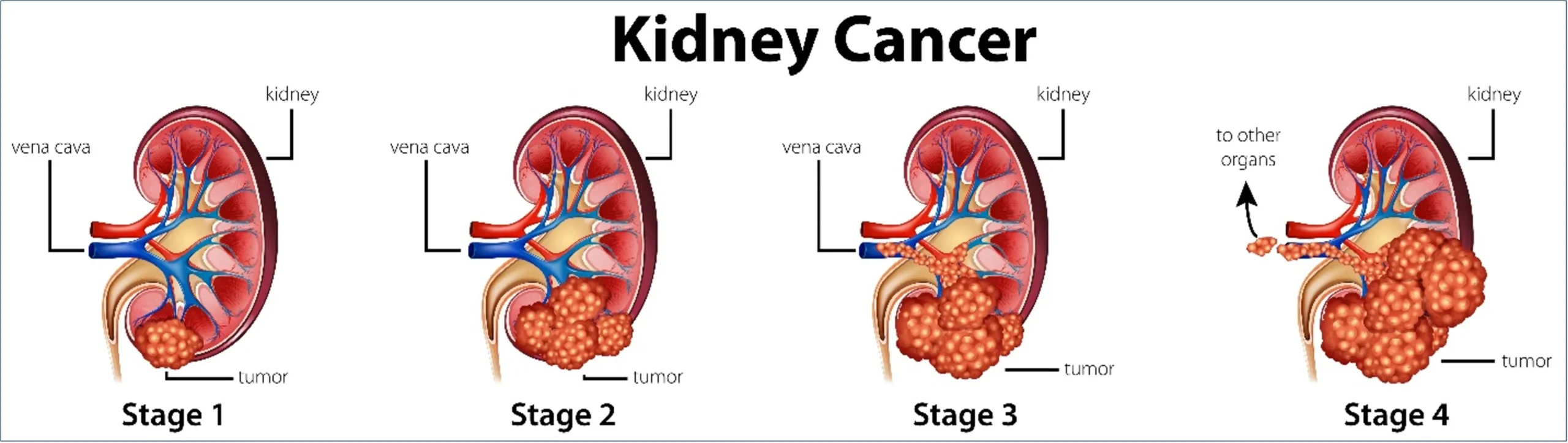
Renal cell carcinoma is a cancer that originates in the lining of the small tubes (tubules) in the kidney, which filter blood and produce urine. While it is a serious condition, early diagnosis and modern treatments can significantly improve outcomes.
RCC usually begins as a single tumor in one kidney but may occasionally develop as multiple tumors in both kidneys.
The most common subtypes include:
- Clear cell RCC (ccRCC): The most frequent form, representing 70–80% of cases.
- Papillary RCC: Accounts for about 10–15% of cases.
- Chromophobe RCC: Less common, with generally better prognosis.
- Unclassified RCC: Rare tumors that do not fit standard categories.
Symptoms of Renal Cell Carcinoma
Most patients with RCC experience no symptoms in the early stages. Symptoms usually appear as the tumor grows and affects nearby organs or spreads to other parts of the body.
Common symptoms include:
- Hematuria (blood in urine)
- Flank or back pain
- Abdominal or flank mass
- Unexplained fever
- Night sweats
- Unintentional weight loss
- Fatigue, anemia, or shortness of breath

Possible Complications
RCC can cause complications due to the tumor itself, paraneoplastic syndromes, metastasis, or treatment side effects.
1. Direct tumor effects:
- Hypertension (high blood pressure)
- Abdominal discomfort, bloating, or constipation
2. Paraneoplastic syndromes (indirect tumor effects):
- Polycythemia (high red blood cell count)
- Hypercalcemia (elevated calcium levels)
- Non-metastatic liver dysfunction
- Thrombocytosis and prolonged clotting time
- Enlarged liver or spleen
3. Metastatic complications:
- Lung metastasis: reduced lung function, cough, shortness of breath
- Bone metastasis: bone pain, spinal cord compression
- Brain metastasis: seizures, neurological symptoms
- Liver metastasis: jaundice, elevated liver enzymes
- Venous spread: varicocele in men due to testicular vein involvement
4. Treatment-related complications:
- Impaired kidney function, proteinuria
- Hypertension
- Delayed wound healing
- Gastrointestinal perforation or bleeding
- Blood clots (thrombosis)
- Heart or endocrine dysfunction
When to See a Doctor
You should seek medical evaluation if you experience persistent hematuria, flank pain, or unexplained weight loss.
Individuals with a family history of kidney cancer or hereditary syndromes (such as Von Hippel–Lindau disease) may need regular screening and follow-up. Even if you feel healthy, attending routine checkups helps detect RCC at an early and more treatable stage.
Causes of Renal Cell Carcinoma (RCC)
What Causes Renal Cell Carcinoma?
The exact cause of renal cell carcinoma (RCC) is not fully understood. However, several risk factors have been strongly associated with its development. Among these, cigarette smoking is considered the most significant and well-established risk factor. Other contributors include obesity (particularly in women), chronic hypertension, chronic kidney disease, and occupational exposure to certain industrial chemicals such as trichloroethylene.
In addition, research has shown that inherited genetic mutations and hereditary syndromes play a role in a subset of cases, highlighting the importance of both environmental and genetic influences in the development of RCC.
Who Is at Risk for Renal Cell Carcinoma?
RCC can occur in both men and women of any age, but it is far more common in older adults. The peak incidence is between ages 60 and 70. Men are about twice as likely to develop RCC compared to women.
In the United States, it was estimated that in 2020 approximately 73,750 new cases of kidney cancer would be diagnosed, accounting for around 5% of all cancers in men and 3% in women.
Risk Factors That Increase the Likelihood of RCC
Several factors may elevate the risk of developing renal cell carcinoma, including:
- Tobacco use (cigarette smoking)
- Obesity (especially abdominal obesity)
- High blood pressure (hypertension)
- Chronic kidney disease or patients on long-term dialysis
- Hepatitis C infection
- Prolonged use of pain medications, including NSAIDs and acetaminophen
- Previous abdominal radiation therapy
- Occupational exposure to carcinogens, such as asbestos, cadmium, or trichloroethylene
- Sickle cell disease
- Family history of kidney cancer
- Genetic mutations and hereditary syndromes, such as Von Hippel–Lindau disease

Diagnosis and Treatment of Renal Cell Carcinoma
How RCC Is Diagnosed
Up to 25% of RCC cases are not detected until the cancer has advanced, often because symptoms become noticeable only at later stages. However, with the widespread use of imaging technologies, many kidney tumors are now discovered incidentally during scans performed for unrelated reasons. This has led to earlier detection, improving the chances of successful treatment.
Common Diagnostic Tests:
- Ultrasound: Helps distinguish between fluid-filled cysts (usually benign) and solid masses (more suspicious for cancer).
- Computed Tomography (CT) Scan: Provides detailed cross-sectional images of the kidneys. Often performed before and after intravenous contrast injection to better visualize the tumor.
- Magnetic Resonance Imaging (MRI): Used for patients who cannot undergo CT with contrast (e.g., allergy to contrast dye, impaired kidney function) or when CT results are inconclusive.
Unlike many other cancers, biopsy is not routinely performed for RCC because of the risk of bleeding or damaging the kidney. Instead, diagnosis is often confirmed after surgical removal of the tumor. In advanced cases where cancer has spread, a biopsy from a metastatic site may be obtained to guide treatment.

Why Cell Examination Matters
Examining tumor cells under the microscope helps determine the specific subtype of RCC (such as clear cell, papillary, or chromophobe). Identifying the subtype is crucial, as it can guide personalized treatment decisions and predict response to targeted therapies or immunotherapy.
Treatment of Renal Cell Carcinoma (RCC)
Medical (Systemic) Therapy
The choice of treatment for renal cell carcinoma depends on several factors, including the stage of the cancer, whether it has spread (metastasized), and the patient’s overall health. Localized RCC is managed differently than advanced or metastatic disease.
The most common systemic treatments for RCC include:
- Immunotherapy: Stimulates the immune system to recognize and destroy cancer cells. Checkpoint inhibitors such as nivolumab and pembrolizumab are widely used.
- Targeted therapy: Drugs that specifically block abnormal pathways driving cancer growth. Tyrosine kinase inhibitors (TKIs) like sunitinib, pazopanib, and cabozantinib, as well as mTOR inhibitors, are commonly prescribed.
- Combination therapy: In some cases, a combination of immunotherapy and targeted therapy may be recommended for greater effectiveness.
These treatments do not “cure” advanced RCC but can significantly slow disease progression and improve survival.
Surgical Treatment
Surgery remains the primary treatment for localized RCC and offers the best chance for long-term survival. Surgical approaches include:
- Radical nephrectomy: Removal of the entire kidney, often with surrounding tissue and sometimes nearby lymph nodes.
- Partial nephrectomy: Removal of only the tumor and part of the kidney, preserving kidney function whenever possible.
For patients who cannot undergo major surgery, less invasive techniques may be considered:
- Cryoablation: Freezing the tumor to kill cancer cells.
- Radiofrequency ablation (RFA): Using high-energy radio waves to heat and destroy cancer cells.
Lifestyle and Prevention of Renal Cell Carcinoma
Lifestyle Measures for Patients with RCC
While lifestyle changes cannot replace medical treatment, they can help slow disease progression and support overall health:
- Quit smoking.
- Maintain a healthy body weight.
- Follow medical advice and attend regular follow-up appointments.
- Monitor symptoms and report any new changes promptly.
Nutrition
There is no single proven “anti-cancer diet” for kidney cancer. Nutritional needs vary depending on the stage of disease and overall health. It is best to consult both your oncologist and a dietitian for a personalized nutrition plan.
General recommendations include:
- A balanced diet rich in fruits, vegetables, and whole grains.
- Adequate protein intake (adjusted for kidney function).
- Staying well-hydrated unless restricted by your doctor.
Can RCC Be Prevented?
There is no guaranteed way to prevent renal cell carcinoma. However, adopting certain healthy habits can significantly reduce your risk:
- Avoid tobacco: Quitting smoking may cut the risk of kidney cancer by up to half.
- Maintain a healthy weight through diet and exercise.
- Limit alcohol intake to moderate levels.
- Adopt a nutrient-rich diet: Long-term consumption of fruits, vegetables, and omega-3–rich fish has been linked to lower kidney cancer risk.