
What Is Pharyngeal Cancer? Key Facts About HPV-Positive Throat Cancer
Main symptoms include persistent sore throat, foul odor in the mouth/throat, and difficulty swallowing. Diagnosis is confirmed by biopsy of the affected tissue. Treatment options may include surgery, radiation therapy, chemotherapy, or a combination of these approaches.
Overview of Pharyngeal Cancer
Anatomy:
The pharynx (throat) is the structure located at the front of the neck, extending from the skull base to the cricoid cartilage (about 12 cm long). It is divided into three sections:
- Nasopharynx
- Oropharynx
- Laryngopharynx
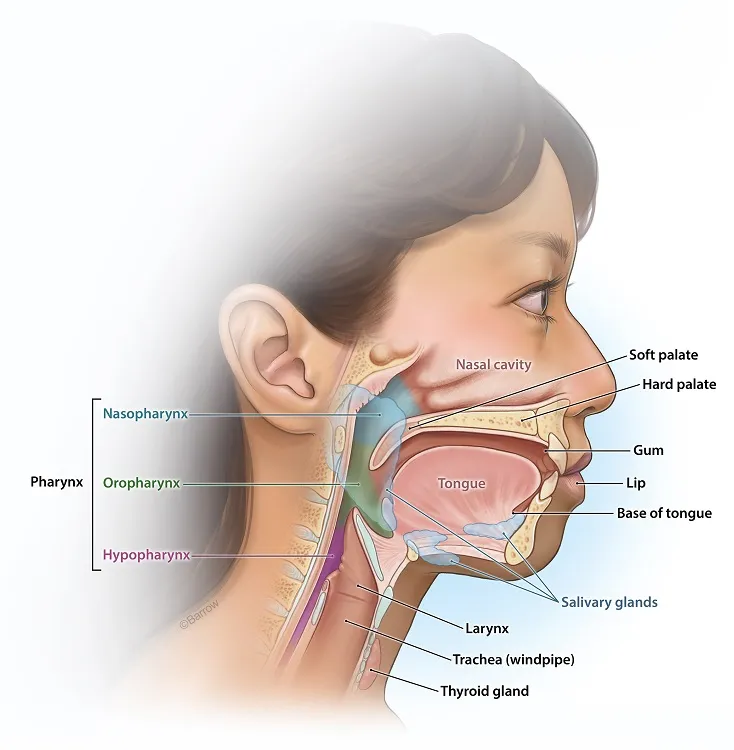
Cancer type:
Over 90% of pharyngeal cancers are squamous cell carcinomas, originating from the lining of the throat. Two main forms are recognized:
- HPV-related pharyngeal cancer
- Non-HPV-related cancer (primarily due to tobacco and alcohol)
Besides directly invading adjacent soft tissues, the cancer may also spread via blood and lymphatic systems to distant organs.
Staging:
Cancer staging guides treatment planning and prognosis. Pharyngeal cancer is typically classified into Stage I to Stage IV, depending on tumor size, spread to nearby lymph nodes, and presence of distant metastases.
Symptoms of Pharyngeal Cancer
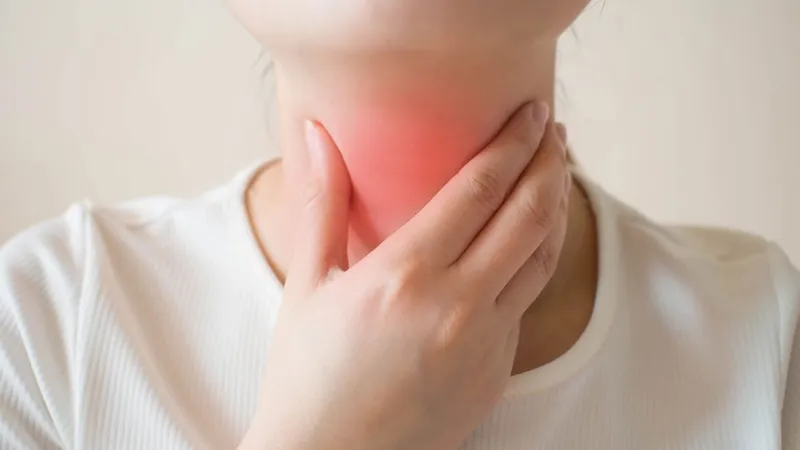
Early-stage symptoms are often subtle and easily mistaken for common ENT conditions. Notably, symptoms may “borrow” from the ear, nose, cervical lymph nodes, or nervous system, and are often one-sided.
Key warning signs:
- Difficulty swallowing (dysphagia)
- Painful swallowing
- Sleep apnea or breathing pauses at night
- Voice changes
- Ear pain; unilateral tinnitus; hearing loss on one side; discharge from the ear
- Coughing up blood
- Bad breath
- Enlarged neck lymph nodes, often on the same side as the tumor; nodes may appear before other symptoms and later become larger, harder, and fixed
- Unusual bleeding from the throat mass
Other possible symptoms:
- Persistent fatigue
- Unintentional weight loss
- Pallor
Impact on Health
Pharyngeal cancer affects not only the patient’s physical health but also the mental well-being of family members and caregivers.
Possible Complications
Late-diagnosed pharyngeal cancer can metastasize to other organs, increasing morbidity and even leading to death.
Potential treatment-related complications include:
- After radiation: dry mouth, dental caries, altered taste
- After surgery: wound infection, hematoma
When to See a Doctor
If you experience any concerning symptoms or have questions about this condition, seek medical advice promptly for screening and professional consultation.
Causes of Pharyngeal Cancer
What Causes Throat Cancer?
There are several causes of pharyngeal (throat) cancer, with HPV infection being the most common.
HPV (Human Papillomavirus): Pharyngeal cancer occurs when genes that regulate cell division and growth no longer control the cell cycle properly, causing uncontrolled cell growth and tumor formation. HPV produces proteins that accelerate cell division in the lining of the pharynx. Among HPV strains, HPV-16 accounts for nearly 90% of HPV-positive pharyngeal cancers, with men affected more often than women.
Tobacco: Use of tobacco (including cigarettes, cigars, and chewing tobacco) damages the lining cells of the throat, prompting them to divide more than normal. As more cells replicate to replace damaged ones, the chance of DNA replication errors rises, increasing the risk of abnormal—cancerous—cells.
Alcohol: Drinking alcoholic beverages can damage throat cells and impair their ability to repair DNA, further elevating cancer risk.
Risk of Pharyngeal Cancer
Who Is at Risk?
Middle-aged men are most likely to develop pharyngeal cancer due to higher rates of smoking and alcohol use compared to women.
Key Risk Factors
The leading risk factors for pharyngeal cancer include:
- Smoking
- Heavy alcohol consumption
- HPV infection, especially HPV-16
- History of head and neck cancer
- Previous radiation therapy to the head and neck
Less common risk factors:
- Low intake of fruits and vegetables
- Betel nut chewing
- Poor nutrition
- Marijuana use
- Asbestos exposure
- Certain genetic mutations (e.g., P53 mutation, CDKN2A mutation)
Diagnostic and Treatment Methods for Oropharyngeal Cancer
Diagnostic tests and methods
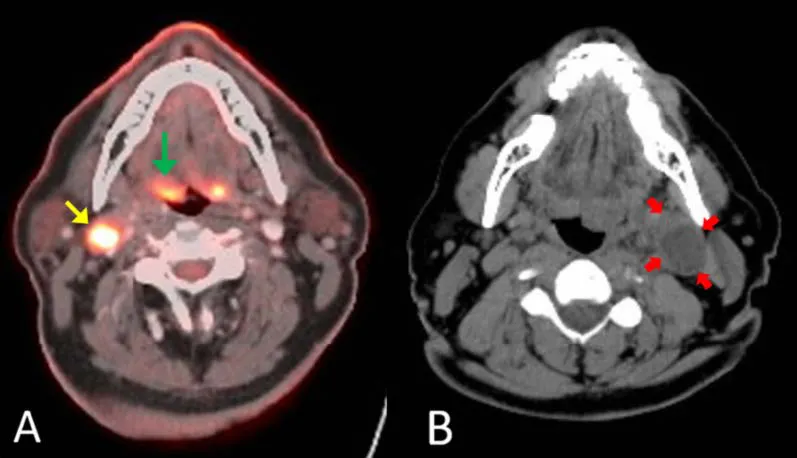
Diagnosis of oropharyngeal cancer usually begins with a physical examination of the oropharynx and the whole body (particularly in later stages when systemic effects of the cancer may be present). Physicians also check for the spread of the tumor into adjacent areas such as the nasal sinuses, ears, and oral cavity. If abnormalities are detected, additional imaging tests such as X-ray, MRI, CT, PET scans, and possibly tissue biopsy are recommended to confirm the presence of cancer.
- X-ray: Used to detect extensive lesions and skull base destruction; common projections include Hirtz view, lateral skull view, and CT scans.
- Computed Tomography (CT): Helps measure tumor size and determine whether it has spread. It is often combined with positron emission tomography (PET) scanning.
- Magnetic Resonance Imaging (MRI): Provides detailed images of soft tissue involvement, such as the tonsils and base of tongue, and helps determine tumor size.
- Endoscopy: Direct visualization of the tumor in the oropharynx; tissue samples can also be taken for histopathological evaluation.
Treatment of Oropharyngeal Cancer
Treatment options include surgical removal of the tumor, radiation therapy, electrocautery, cryotherapy, laser excision, chemotherapy, or combinations of these approaches. The specific plan depends on the tumor’s anatomical location, size, and stage, whether it has metastasized, the patient’s age and overall health, coexisting conditions, and personal preferences. The main goal is to eradicate cancer cells while preserving the patient’s ability to speak and swallow.
Non-surgical therapies
- Radiation therapy: Used at all stages of oropharyngeal cancer. High-energy beams destroy cancer cells and prevent new cancer cells from growing.
- Chemotherapy: Uses anti-cancer drugs administered orally or intravenously to kill cancer cells. It may be given alone or combined with radiation therapy, either before surgery to shrink the tumor or after surgery to eradicate residual cancer cells.
- Targeted therapy: Laboratory-made monoclonal antibodies specifically block proteins that cancer cells rely on to divide, grow, and spread. This approach kills rapidly dividing cancer cells without harming most normal cells.
- Immunotherapy: Stimulates the immune system to recognize and destroy cancer cells. It is a first-line option for recurrent or metastatic oropharyngeal cancer. Immunotherapy drugs used for this disease include pembrolizumab and nivolumab.

Surgical therapy
- Tumor resection: Surgical removal of the tumor is an option for patients with small, localized oropharyngeal cancers. It is often chosen for HPV-related cases, as these patients tend to be younger and in better overall health.
Lifestyle Habits & Prevention of Oropharyngeal Cancer
Lifestyle habits that may help slow disease progression
Positive self-care practices can help limit the worsening of the disease.
Patients should strictly follow their physician’s treatment plan, attend follow-up visits as scheduled, and undergo regular post-treatment checkups to monitor for recurrence and potential complications. Keeping up to date with information about the disease helps patients feel more secure in their treatment journey and recognize unusual signs early, prompting timely medical attention.
Nutrition: Ensure adequate intake of essential nutrients as advised by healthcare professionals.
Prevention of Oropharyngeal Cancer
Although you cannot completely prevent oropharyngeal cancer, the following measures may help lower your risk:
- Avoid HPV infection: Having multiple sexual partners and/or engaging in oral sex increases the risk of contracting HPV, the most common cause of this cancer. HPV vaccination before age 27 in both men and women significantly reduces the risk.
- Quit smoking: If you smoke or use tobacco products, quit. Continuing tobacco use greatly increases the risk of metastatic cancers of the mouth, throat, larynx, and lungs.
- Limit alcohol consumption: Avoid drinking alcoholic beverages frequently or in large quantities.
- Adopt a healthy lifestyle: A balanced diet with adequate nutrients and regular physical activity supports a strong immune system and overall health.
HPV, particularly high-risk types 16 and 18, is a major cause of oropharyngeal cancer. Gardasil® 4 and Gardasil® 9 vaccines provide protection against these high-risk HPV strains, reducing the chance of developing the disease early on. Gardasil® 4 protects against four HPV types, while Gardasil® 9 extends protection to nine types, including those commonly associated with genital warts and cancers of the reproductive system.
Vaccination services
Long Châu Vaccination Center proudly offers HPV vaccination services with both Gardasil® 9 and Gardasil® 4, available in two- and three-dose schedules suitable for different ages and groups—particularly children from age 9, adolescents, and young adults.
Health is invaluable, and prevention is a wise investment for long-term well-being—for yourself and your loved ones. Don’t let oropharyngeal cancer become a silent threat. Take action today by registering for Gardasil® 4 or Gardasil® 9 vaccination at Long Châu Vaccination Center. Contact us now to schedule your appointment and receive prompt consultation and support.
