
What is Medulloblastoma? Causes, Symptoms, and Treatment
Understanding Medulloblastoma
What is Medulloblastoma?
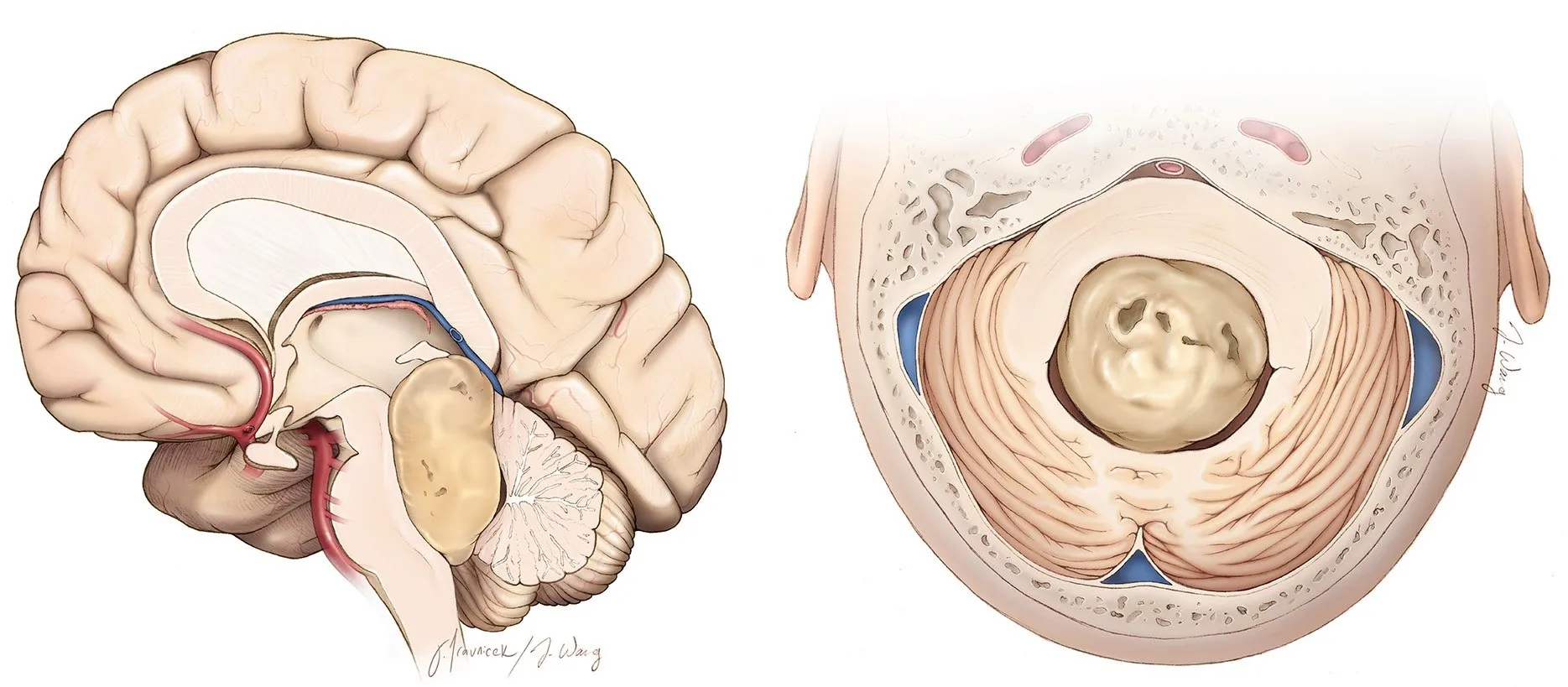
Medulloblastoma is a fast-growing malignant brain tumor that starts in the cerebellum. From there, it can spread to other parts of the brain and spinal cord through the cerebrospinal fluid (CSF).
Although it can occur at any age, medulloblastoma most often affects young children. Despite being rare overall, it is the most common malignant brain tumor in children.
The survival rate in children depends on the patient’s age and whether the tumor has spread. If the tumor is localized, the survival rate is above 60%, but if it has spread to the spinal cord, the survival rate decreases significantly.
Symptoms of Medulloblastoma
The signs and symptoms may vary depending on several factors, including the patient’s age, tumor size, and stage of growth. Symptoms may result from the tumor’s location or increased pressure inside the brain. These can include:
- Headache
- Dizziness
- Nausea and vomiting
- Fatigue
- Double or blurred vision
- Difficulty walking
- Back pain
- Loss of bowel or bladder control

Possible Complications of Medulloblastoma
Patients with medulloblastoma may experience serious complications such as:
- Vision or hearing loss
- Seizures
- Quadriplegia (paralysis of all four limbs)
- Speech difficulties
- Death
When to See a Doctor
If you or your child experience symptoms such as persistent headaches, nausea, confusion, or vision changes, it is crucial to consult a doctor promptly for accurate diagnosis and timely treatment.
Causes of Medulloblastoma
What Causes Medulloblastoma?
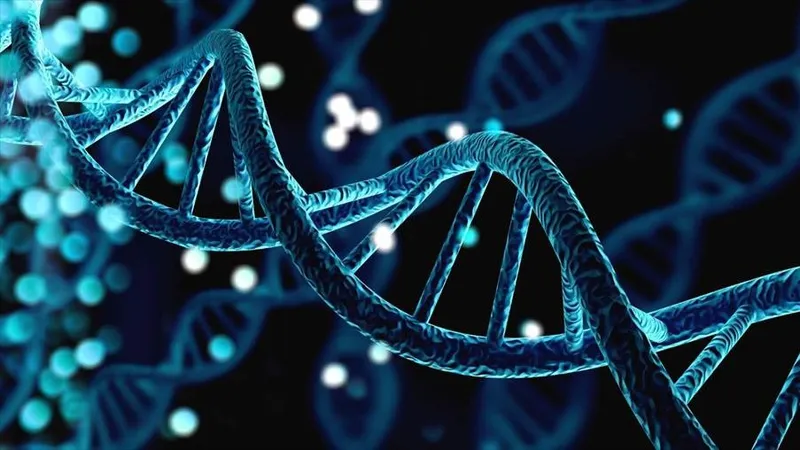
The exact cause of medulloblastoma is still not fully understood. However, certain inherited genetic conditions can increase the risk of developing this disease, including:
BRCA1 gene mutation: BRCA1 and BRCA2 are responsible for producing proteins that help repair damaged DNA. People who inherit certain variants of these genes are at a higher risk of developing several cancers, such as breast and lung cancer, and they may also be more likely to develop cancer at a younger age.
Nevoid Basal Cell Carcinoma Syndrome (NBCCS): Also known as Gorlin syndrome, this genetic condition is characterized by multiple basal cell skin cancers. Individuals with NBCCS have about a 5% chance of developing medulloblastoma.
Turcot Syndrome: This inherited condition is associated with colorectal cancer and primary brain tumors caused by gene mutations. Patients with Turcot syndrome often have colon cancer along with a tumor in the central nervous system, such as medulloblastoma or glioma.
Risk Factors for Medulloblastoma
Who is at Risk?
Children and adolescents under the age of 16 are more likely to develop medulloblastoma compared to adults.
Additional Risk Factors
Other factors that may increase the likelihood of medulloblastoma include:
- Family history of brain tumors or related cancers
- Living in environments with radiation exposure, or having an occupation involving frequent contact with radiation
Diagnosis and Treatment of Medulloblastoma
Diagnostic Methods and Tests
Your doctor will ask about your symptoms and review your medical history in detail. If medulloblastoma is suspected, several tests may be ordered to confirm the diagnosis. These may include:
Computed Tomography (CT) Scan: Helps determine the location and size of the tumor.
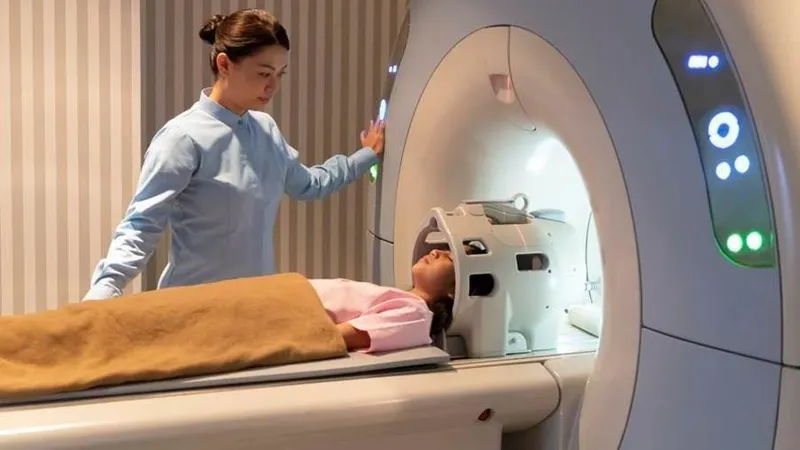
Magnetic Resonance Imaging (MRI): In addition to identifying the tumor’s location and size, MRI can reveal which blood vessels in the brain are affected.
Biopsy: Performed only if imaging results are insufficient to establish a diagnosis.
Lumbar Puncture (Spinal Tap): Conducted after intracranial pressure is controlled or after tumor removal, to test for cancer cells in the cerebrospinal fluid.
Treatment Options for Medulloblastoma
Medical (Non-Surgical) Treatments
The choice of treatment depends on several factors, including the patient’s age, overall health, and the extent of tumor spread. Non-surgical treatments include:
Chemotherapy: Drugs are administered orally or intravenously to destroy cancer cells. Chemotherapy may be given after surgery, after radiation therapy, or in combination with radiation. In some cases, stem cell transplantation may follow chemotherapy.
Radiation Therapy: High-energy radiation beams are used to kill cancer cells in the brain and spinal cord. Radiation is carefully planned to target cancer cells while sparing healthy tissue. This treatment is commonly used for brain tumors and cancers in children.
Surgical Treatments
Surgery to Reduce Cerebrospinal Fluid (CSF) Buildup: Medulloblastoma can obstruct the normal flow of CSF, leading to fluid accumulation and increased pressure on the brain. Surgeons may create a pathway to drain the CSF. Sometimes, this procedure is performed together with tumor removal.
Surgical Removal of Medulloblastoma: The goal is to remove as much of the tumor as possible. However, complete removal may not always be feasible if the tumor is located near critical structures deep within the brain.

Lifestyle & Prevention of Medulloblastoma
Healthy Habits to Help Manage Medulloblastoma
Lifestyle:
- Avoid exposure to radiation.
- Monitor symptoms closely. If new symptoms appear or if you have any concerns about your own or your child’s condition, contact a doctor promptly for medical advice.
Nutrition: There is no specific diet for medulloblastoma. Maintaining a balanced and adequate diet is important for overall health.
Prevention of Medulloblastoma
Aside from avoiding radiation exposure, there are currently no known environmental or lifestyle risk factors linked to brain cancer in children. Therefore, there is no proven way to prevent medulloblastoma.
Frequently Asked Questions (FAQs) about Medulloblastoma
Can medulloblastoma be completely cured?
Medulloblastoma can be treated with a combination of surgery, radiation therapy, and chemotherapy.
The possibility of a complete cure depends on several factors, including the patient’s age, overall health, tumor size and location, and whether the cancer has spread to other parts of the body.
With modern treatments, the cure rate can reach 70–80% in children and 50–60% in adults. However, some patients may experience recurrence and require additional treatment. Early diagnosis and timely treatment can significantly improve outcomes.
When should I see a doctor?
If you or your child develop symptoms such as headaches, nausea, confusion, or vision changes, contact a doctor immediately.
What causes medulloblastoma?
The exact cause of medulloblastoma is still unclear. However, certain inherited genetic mutations may increase the risk of developing the disease.
How long does recovery take after treatment?
Recovery time varies by individual. Patients who undergo brain surgery typically need at least 4–8 weeks to recover. Chemotherapy or radiation therapy may last several weeks or months, depending on the case.
Can medulloblastoma be prevented?
Other than minimizing radiation exposure, there are no known environmental or lifestyle-related risk factors for pediatric brain cancer. As such, there is currently no way to prevent medulloblastoma.
