
What is lymphoma? Causes, symptoms, treatment, and prevention
Overview
What Is Lymphoma?
Lymphoma, also known as lymphatic cancer, is a general term for malignancies of the lymphatic system. It is sometimes classified as a type of blood cancer, since it begins in lymphocytes (a subtype of white blood cells) within the lymphatic system.
There are two major categories:
- Hodgkin lymphoma (HL)
- Non-Hodgkin lymphoma (NHL)
Lymphomas may be aggressive (fast-growing) or indolent (slow-growing). With appropriate treatment, many patients achieve remission and, in some cases, complete cure. Lymphoma can affect children, teenagers, and adults alike.

Symptoms
Common Signs and Symptoms of Lymphoma
Many lymphoma symptoms overlap with those of more common illnesses, which can make early recognition challenging. Typical warning signs for both Hodgkin and non-Hodgkin lymphoma include:
Painless swollen lymph nodes in the neck, armpits, or groin that persist for several weeks.
Persistent fatigue, lasting for days even with adequate rest.
Unexplained fever, often above 39.5°C (103°F), lasting more than two days or recurring.
Night sweats, sometimes severe enough to soak clothing and bed sheets.
Shortness of breath, feeling as though you cannot get enough air.
Unexplained weight loss, losing more than 10% of body weight within six months without dieting or exercise.

When to See a Doctor
You should consult a healthcare provider if any of the above symptoms persist or cause concern. Early medical evaluation is essential for timely diagnosis and effective treatment.
Causes of Lymphoma
Several environmental, infectious, genetic, and immune-related factors have been linked to the development of lymphoma:
Occupational exposure: Contact with herbicides and pesticides.
Infectious organisms:
- Helicobacter pylori (associated with MALT lymphoma)
- Borrelia burgdorferi, Chlamydia psittaci, Campylobacter jejuni
- Human T-cell lymphotropic virus (adult T-cell leukemia/lymphoma)
- Hepatitis C virus (linked to lymphoplasmacytic lymphoma, diffuse large B-cell lymphoma, and marginal zone B-cell lymphoma)
- Human herpesvirus 8 (primary effusion lymphoma, Castleman disease)
Chronic immune stimulation: Prolonged activation of lymphoid tissue increases lymphoma risk.
Persistent viral infections: Especially Epstein-Barr virus (EBV) and cytomegalovirus (CMV).
Immunodeficiency: HIV infection, organ transplant recipients, or those with inherited immunodeficiency disorders such as severe combined immunodeficiency (SCID) or common variable immunodeficiency (CVID).
Medications: Long-term immunosuppressive drugs (used after organ or bone marrow transplantation) and TNF-alpha inhibitors (linked to T-cell lymphomas).
Autoimmune diseases: Inflammatory bowel disease (associated with intestinal lymphoma), rheumatoid arthritis, and Sjögren’s syndrome (linked to diffuse large B-cell lymphoma).
Geographic variation: Higher rates of extranodal NK/T-cell lymphoma in parts of South Asia and Latin America.
Risk Factors for Lymphoma
Who Is at Risk?
Non-Hodgkin lymphoma (NHL): Most often diagnosed between ages 60 and 80, and more common in men.
Hodgkin lymphoma (HL): Tends to affect people between ages 20–39 and again after age 65. Men have a slightly higher risk than women.
Additional Risk Factors
Factors that may increase the likelihood of developing lymphoma include:
Age: Certain subtypes are more common in younger individuals, while others appear more often after age 55.
Male sex: Men are at greater risk than women.
Weakened immune system: Lymphoma is more frequent in those with immune disorders or who take immunosuppressive medications.
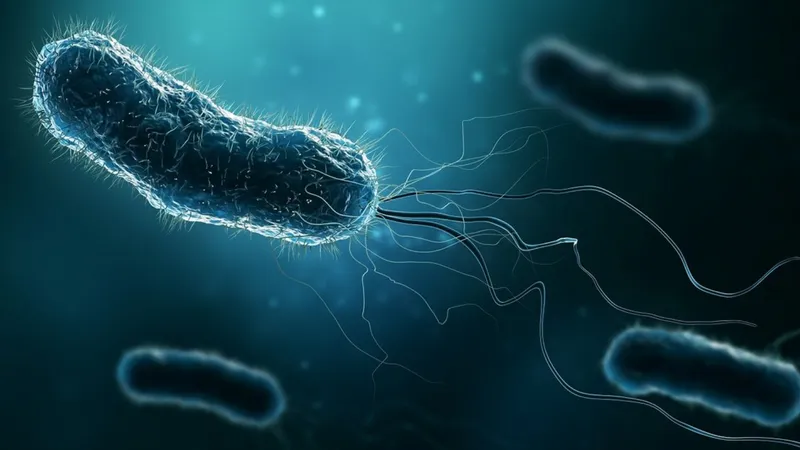
Chronic infections: Some infections increase lymphoma risk, particularly Epstein-Barr virus (EBV) and Helicobacter pylori.
Diagnosis and Treatment of Lymphoma
Diagnostic Tests for Lymphoma
Doctors diagnose lymphoma through a combination of physical examination, tissue biopsy, and laboratory testing. A biopsy—such as a lymph node biopsy or bone marrow biopsy—allows microscopic analysis of tissue samples. If lymphoma is suspected, additional blood work and imaging studies help confirm the diagnosis and guide treatment planning.
Blood Tests may include:
Complete blood count (CBC): Measures different types of white blood cells.
Erythrocyte sedimentation rate (ESR): Detects inflammation that may be linked to lymphoma.
Lactate dehydrogenase (LDH): Elevated levels may signal rapid cell growth or cell breakdown.
Liver and kidney function tests: Assess overall organ function.
Serum protein electrophoresis: Identifies abnormal monoclonal proteins (M proteins) produced by plasma cells.
Imaging Studies may include:
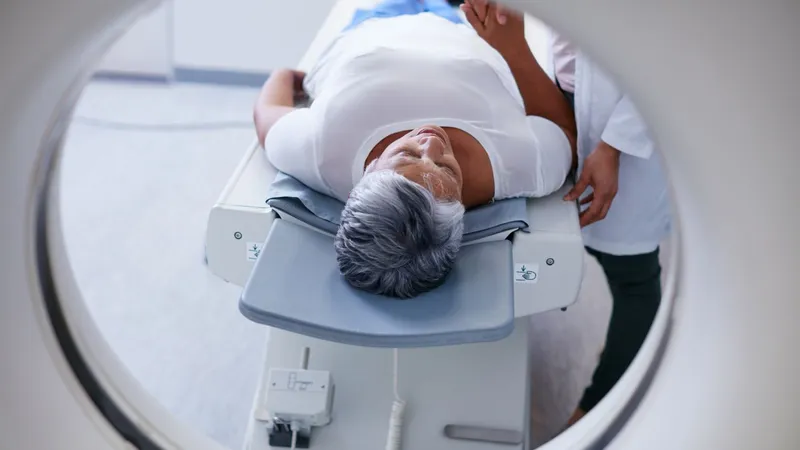
- CT scan: Detects enlarged lymph nodes, spleen, or involvement of other organs.
- PET scan: Identifies areas of active cancer. PET scans are often combined with CT scans and occasionally used with MRI for detailed evaluation.
Treatment of Lymphoma
Treatment varies depending on the type and stage of lymphoma. For slow-growing (indolent) lymphomas, doctors may recommend a “watch and wait” approach, monitoring health and symptoms closely before starting active treatment.
Common treatment options include:
Chemotherapy: Uses drugs to kill cancer cells.
Radiation therapy: High-energy rays target and destroy lymphoma cells.
Targeted therapy: Drugs designed to attack specific molecules involved in lymphoma cell growth.
Immunotherapy: Boosts the immune system to fight cancer more effectively.
CAR-T cell therapy: A personalized treatment that modifies the patient’s T cells to attack lymphoma cells.
Stem cell (bone marrow) transplant: Replaces damaged bone marrow with healthy stem cells.
Lifestyle and Prevention of Lymphoma
Healthy Habits to Support Lymphoma Management
Adopting the right lifestyle can help patients manage symptoms, improve treatment outcomes, and maintain overall well-being:
Follow prescribed treatment: Adhere closely to your doctor’s recommendations to keep the disease under the best possible control.
Exercise regularly: If your condition allows, engage in light activities such as walking, swimming, or yoga to stay active and reduce stress.
Get adequate rest: Quality sleep and sufficient rest help restore energy and strengthen the immune system.
Avoid infection exposure: People with lymphoma often have weakened immunity. Limit contact with sick individuals, including those with viral or bacterial infections.
Limit harmful substances: Avoid smoking, alcohol, and exposure to toxic chemicals that can further weaken the immune system.
Seek psychological support: A lymphoma diagnosis can be mentally challenging. Talk with family, friends, or support groups, and seek professional counseling if needed.
Schedule regular check-ups: Frequent medical visits help monitor disease progression and evaluate treatment effectiveness.
Nutrition for People with Lymphoma
A balanced diet plays a key role in supporting immune function and maintaining strength during and after treatment. General guidelines include:
Eat a variety of fruits and vegetables: Fresh produce provides antioxidants, vitamins, minerals, and fiber.
Choose healthy protein sources: Nuts, beans, tofu, fish, poultry, and lean meats are preferred; limit fatty red meats and processed foods.
Include healthy fats: Use sources like olive oil, almonds, salmon, chia seeds, and flaxseeds. Avoid saturated and trans fats from processed and fast foods.
Increase dietary fiber: Supports digestive health and immune function.
Stay hydrated: Drink enough water daily to maintain fluid balance and support organ function.
Avoid unhealthy foods: Limit sugary, salty, processed, or preservative-heavy foods. Alcohol should also be minimized.
Consult a nutritionist: Seek professional advice to personalize your diet for your health needs.

Preventing Lymphoma
Although not all cases are preventable, you can reduce your risk by addressing known risk factors:
- Maintain a healthy body weight.
- Avoid behaviors that increase the risk of HIV/AIDS and hepatitis C infection.
- Limit unnecessary exposure to harmful chemicals and radiation.
- Undergo regular screenings, especially after age 50.
- Quit smoking.
- Eat a balanced, nutrient-rich diet.
- Stay physically active.
