
Lung Tumor: Causes, Symptoms, and Treatment
Overview of Lung Tumors
What is a lung tumor?
A lung tumor refers to the development of abnormal growths in the lungs, which may be benign or malignant.
Benign lung tumors
Benign lung tumors are relatively rare. Although considered “non-cancerous,” the term benign is relative, since these tumors may still cause health issues. They typically grow slowly, and in some cases, may stop growing or even regress spontaneously.
The most common types include bronchial adenoma (carcinoid tumors) and pulmonary hamartoma. Other less frequent types are papillomas, neurogenic tumors, hemangiomas, myomas, and lipomas.
Key characteristics of benign lung tumors:
- Do not spread (metastasize) to other parts of the body.
- Slow growth, sometimes remain stable or shrink spontaneously.
- Usually not life-threatening and may not require removal.
- Can become large and cause compression but do not invade or destroy surrounding tissue.
Malignant lung tumors (Lung cancer)
Lung cancer is one of the leading causes of cancer-related death in the United States. Since 1987, it has caused more deaths in women than breast cancer. In the early 20th century, lung cancer was rare, but its incidence rose dramatically in the following decades due to the increase in cigarette smoking among both men and women.
Symptoms of Lung Tumors
Symptoms vary depending on whether the tumor is benign or malignant.
Benign lung tumors
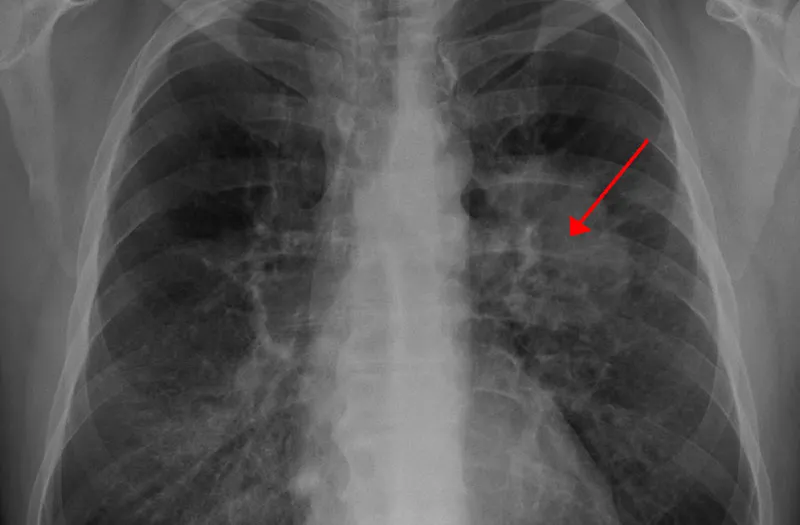
Most patients with benign lung tumors have no symptoms (less than 5%). Studies show that more than 90% of cases are discovered incidentally on chest X-ray or CT scan.
If symptoms occur, they may include (from most common to less common):
- Chest discomfort or pain at the tumor site
- Persistent dry cough
- Shortness of breath
- Fever (mild or high, often in the evening)
- Wheezing
- Coughing up blood (usually small amounts)
- Fatigue, weight loss
- Joint pain
Malignant lung tumors (Lung cancer)
There are no specific or early warning signs of lung cancer. Most patients present with advanced disease by the time symptoms appear.
Possible symptoms include:
- Persistent cough (present in 50–75% of cases)
- Hemoptysis (coughing up blood), seen in 15–30%
- Chest pain in 20–40% and shortness of breath in 25–40% of cases
- Pleural effusion, bone pain, hypercalcemia, or neurological symptoms due to metastasis
Possible Complications of Lung Tumors
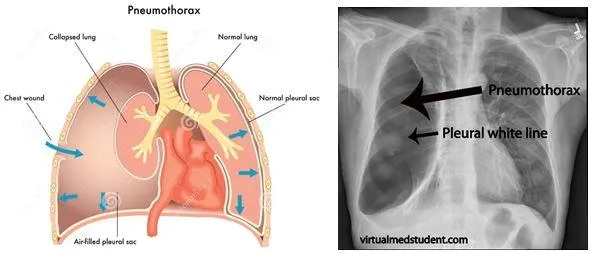
Benign tumors: Complications are usually related to invasive procedures such as surgery. Postoperative risks include bleeding, pulmonary embolism, infection, pleural effusion, pneumothorax, myocardial infarction, or neurological events.
Malignant tumors: Complications often arise from cancer metastasis or paraneoplastic syndromes. Treatment-related side effects may include nausea, vomiting (from chemotherapy), fatigue, loss of appetite, weight loss, anemia, leukopenia, kidney toxicity, or central nervous system toxicity.
When to See a Doctor
Consult a healthcare provider if you experience:
- A persistent cough, worsening cough, or coughing up blood
- New or worsening symptoms such as shortness of breath, fever, chills, or chest pain
- Unexplained weight loss
Causes of Lung Tumors
There are multiple causes that may lead to the development of lung tumors, which can be benign or malignant.
Causes of benign lung tumors
Benign tumors of the lungs may arise from several conditions, including:
- Granulomas: Small clusters of inflamed cells that may form due to infections, such as tuberculosis or fungal infections like histoplasmosis.
- Lung abscesses: Pus-filled infections in the lung, often caused by bacteria.
- Infections: Various respiratory infections can present as nodules in the lung.
- Inflammatory diseases: Conditions such as rheumatoid arthritis, sarcoidosis, or granulomatosis with polyangiitis may cause benign lung masses.
- Congenital abnormalities: Benign tumors may also result from congenital causes, including cysts, scars, or malformations such as arteriovenous malformations.
Causes of malignant lung tumors (Lung cancer)
For lung cancer, cigarette smoking is the most significant and well-established cause. It is estimated that about 90% of lung cancer cases are directly linked to smoking, with the highest risk among men who smoke.
Other contributing factors include exposure to environmental and occupational carcinogens, which can significantly increase lung cancer risk.

Risk Factors for Lung Tumors
Who is at risk?
Benign lung tumors: More frequently found in men compared to women. Risk is higher among smokers, individuals with chronic obstructive pulmonary disease (COPD), and the elderly.
Lung cancer: Both men and women are at risk, but mortality rates are higher in men. Smoking remains the dominant risk factor.
Factors that increase the risk of lung tumors
For benign lung tumors:
- Smoking
- Advanced age
- Chronic lung disease (e.g., COPD)
For malignant lung tumors (lung cancer):
- Cigarette smoking (primary risk factor)
- Exposure to asbestos
- Radon exposure
- Secondhand smoke
- Radiation therapy for other cancers (e.g., non-Hodgkin lymphoma, breast cancer)
- Occupational exposure to toxic metals such as chromium, nickel, arsenic, and polycyclic aromatic hydrocarbons

Diagnosis of Lung Tumors
Detecting a lung tumor is often a diagnostic challenge for physicians, especially when tumors are incidentally found on imaging such as a chest CT scan. Determining whether a lung tumor is benign or malignant usually requires a biopsy.
In addition to medical history, physical examination, and imaging (X-ray or CT scan), doctors may recommend several tests to identify the nature of the lung tumor, its underlying cause, and potential complications. These may include:
- Blood tests
- Tuberculosis (TB) test
- Positron emission tomography (PET scan)
- Magnetic resonance imaging (MRI) (in rare cases)
- Biopsy, which is the gold standard for distinguishing between benign and malignant tumors
Treatment of Lung Tumors
Treatment depends on whether the tumor is benign or malignant.
Management of benign lung tumors
A multidisciplinary approach is often recommended. Factors such as tumor size, characteristics, and risk assessment must be carefully evaluated. Biopsy is typically required to confirm that the tumor is not cancerous.
- Observation: Many benign tumors do not require active treatment and may simply be monitored over time.
- Surgery: If the tumor is causing symptoms, is invasive, or cannot be clearly distinguished from cancer, surgical removal may be necessary. The surgical approach depends on the location and type of tumor.
Management of malignant lung tumors (Lung cancer)
Treatment varies depending on the type of lung cancer (non-small cell lung cancer – NSCLC or small cell lung cancer – SCLC) and the stage of disease.
Non-small cell lung cancer (NSCLC):
NSCLC is divided into four stages (I–IV). Depending on the stage, treatment may include:
- Surgery (to remove part or all of the lung)
- Radiation therapy
- Adjuvant chemotherapy
- Targeted therapy
- Immunotherapy
Small cell lung cancer (SCLC): SCLC tends to respond well to chemotherapy but has a high recurrence rate. Treatment may include:
- Chemotherapy (first-line therapy)
- Radiation therapy
- Surgery (in selected early-stage cases)
Lifestyle and Prevention of Lung Tumors
Healthy lifestyle habits to help manage lung tumors
To slow the progression of a lung tumor, it is crucial to follow your doctor’s treatment plan.
- For both benign lung tumors and lung cancer, quitting smoking is the most important step and is strongly recommended.
- Closely monitor your symptoms and report any changes to your healthcare provider. This helps guide diagnosis and ongoing treatment.
- If you have recently undergone a biopsy or surgery to remove a lung tumor, avoid heavy lifting and strenuous activity for about one week to allow proper healing.
Nutrition
Patients with lung tumors or lung cancer should follow a balanced, science-based diet. Consulting a nutritionist may be beneficial.
- Eat a diet rich in fresh fruits and vegetables that contain antioxidant vitamins (A, C, and E), which may help reduce the risk of lung disease.
- Limit processed foods, excessive fats, and alcohol.
- Maintain a healthy weight through proper diet and regular exercise.

Effective Prevention of Lung Tumors
For lung cancer, the most effective prevention strategy is smoking cessation for everyone, including smokers and those exposed to secondhand smoke.
Another critical preventive measure is screening in high-risk individuals, which can reduce both incidence and mortality.
- Low-dose spiral CT (LDCT) scans are recommended for high-risk individuals as a primary preventive measure.
- Screening is particularly beneficial for adults aged 66 to 80 with a significant smoking history, although adults aged 55–64 may also benefit.
- High-risk individuals are defined as those with a smoking history of 20 pack-years or more, who are either current smokers or who quit within the past 15 years.
Other preventive measures include:
- Avoiding exposure to radiation, environmental dust, and toxic fumes
- Maintaining a vitamin-rich diet with green vegetables and fresh fruits
