
What is liposarcoma? Causes, symptoms, and treatment
Overview
What Is Liposarcoma?
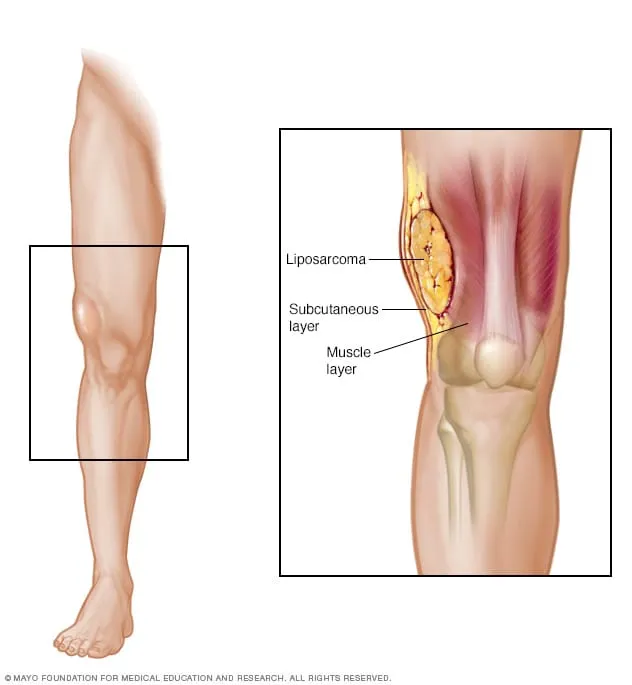
Liposarcoma is an uncommon malignant tumor that originates in fat cells. It usually develops in the abdomen or in the muscles of the arms and legs, but it can occur in any area of fat tissue.
This disease mainly affects middle-aged and older adults, typically between ages 50 and 65. Many liposarcomas are low-grade and grow slowly, while others may be more aggressive, form malignant tumors, recur after treatment, and metastasize (spread). When they metastasize, the lungs, liver, and other soft tissues are common sites.
There are four main types of liposarcoma:
- Well-differentiated liposarcoma (WDL): Accounts for about 40–45% of cases. These tumors rarely metastasize and are often considered benign or precancerous.
- Dedifferentiated liposarcoma: Most common in adults aged 60–80, and rarely found in children or adolescents. These tumors often arise in the retroperitoneum (abdominal cavity).
- Myxoid liposarcoma (MLS): Also called round cell liposarcoma, it represents ~30% of all cases. Most often diagnosed in people aged 40–50. These tumors are usually large (1–39 cm, average 12 cm), painless, well-defined, and can grow for weeks to years before detection.
- Pleomorphic liposarcoma: A rare but aggressive form, making up 5–10% of cases. Tumors often grow rapidly, exceed 5 cm, and are highly malignant. They typically occur in the legs or arms, retroperitoneum, abdomen, or, in rare cases, in the spermatic cord, head and neck, chest wall, pelvis, pleura, pericardium, or spine.
Symptoms of Liposarcoma
The symptoms of liposarcoma vary depending on the tumor’s size and location. Some people may have no noticeable symptoms, while others develop visible or palpable lumps beneath the skin. Often, symptoms appear only when the tumor becomes large enough to press against nearby organs such as the lungs, stomach, or intestines.
Common signs and symptoms include:
- A new or enlarging lump under the skin, especially around or behind the knee, in the arm, or on the thigh.
- Pain or swelling at the tumor site (e.g., arms, thighs, abdomen).
- Feeling full quickly.
- Loss of appetite.
- Constipation.
- Blood in stool or dark, tarry stools.
- Abdominal cramps.
- Vomiting blood.
- Chest pain.
- Shortness of breath.

When to See a Doctor
If you notice an unusual lump or swelling under the skin that continues to grow, you should seek medical attention promptly for proper evaluation and timely treatment.
Causes of Liposarcoma
The exact cause of liposarcoma remains unclear.
Liposarcoma develops when certain genes undergo mutations or changes, causing fat cells to multiply uncontrollably and form tumors. Researchers have identified at least 20 different genetic mutations associated with liposarcoma, but it is still unknown why these mutations occur.

Risk Factors for Liposarcoma
Who Is at Risk?
Although liposarcoma can occur at any age, the average age at diagnosis is around 65.
Men are about twice as likely to be diagnosed with liposarcoma compared to women.
Additional Risk Factors
Factors that may increase the likelihood of developing liposarcoma include:
- Family history of the disease
- Prior radiation therapy for another cancer
- Exposure to harmful chemicals
Diagnosis of Liposarcoma
Doctors begin the diagnostic process with a physical examination and a review of symptoms. Additional tests may include:
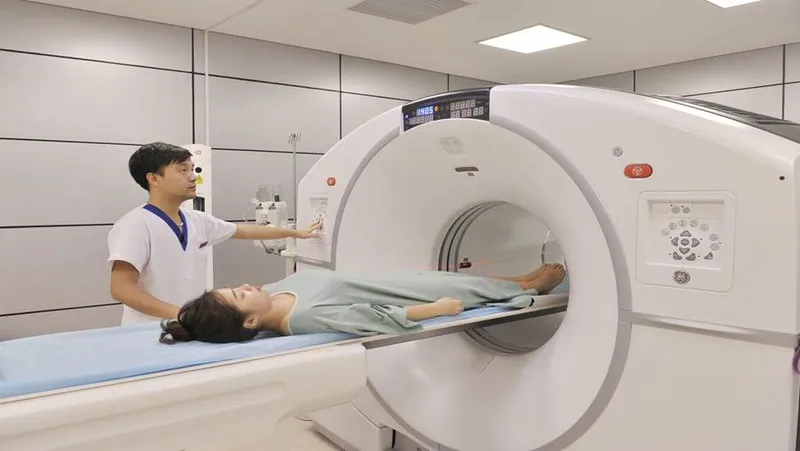
- CT scan: Helps identify the tumor’s location, evaluate its size, and determine whether it has spread to nearby organs.
- MRI scan: Provides detailed images of surrounding nerves, blood vessels, and muscles potentially affected by the tumor.
- Biopsy: A tissue sample is collected and examined under a microscope by a pathologist to confirm the diagnosis.
- Molecular and genetic testing: Helps classify the specific subtype of liposarcoma.
Treatment of Liposarcoma
Medical Treatments
Doctors may recommend one or more of the following approaches:
- Radiation therapy: Uses high-energy beams such as X-rays or protons to destroy cancer cells. Radiation may be applied before surgery to shrink the tumor or after surgery to eliminate any remaining cancer cells.
- Chemotherapy: Involves strong anti-cancer drugs given intravenously or orally. Not all types of liposarcoma respond to chemotherapy, so careful diagnosis is essential to determine if this treatment is appropriate. Chemotherapy may be used after surgery to target residual cancer cells or before surgery to shrink the tumor. It is sometimes combined with radiation therapy.
Surgery
The primary goal of surgery is to remove the entire tumor along with any affected tissue. In cases where the liposarcoma has spread extensively to nearby organs, complete removal may not be possible.

Lifestyle and Supportive Care
Healthy habits can help manage liposarcoma and improve quality of life:
- Avoid exposure to harmful substances: Limit contact with radiation and toxic chemicals.
- Monitor symptoms closely: Seek medical advice promptly if new symptoms appear or if there are concerns about health status.
Nutrition
There is no specific diet proven to treat liposarcoma. However, maintaining a balanced and nutrient-rich diet is important for overall health and immune support.
Prevention of Liposarcoma
Because the genetic mutations that cause liposarcoma remain poorly understood, there is currently no known way to prevent this cancer.
