
Leukemia: Causes, Symptoms, and Treatment Methods
Overview of Leukemia
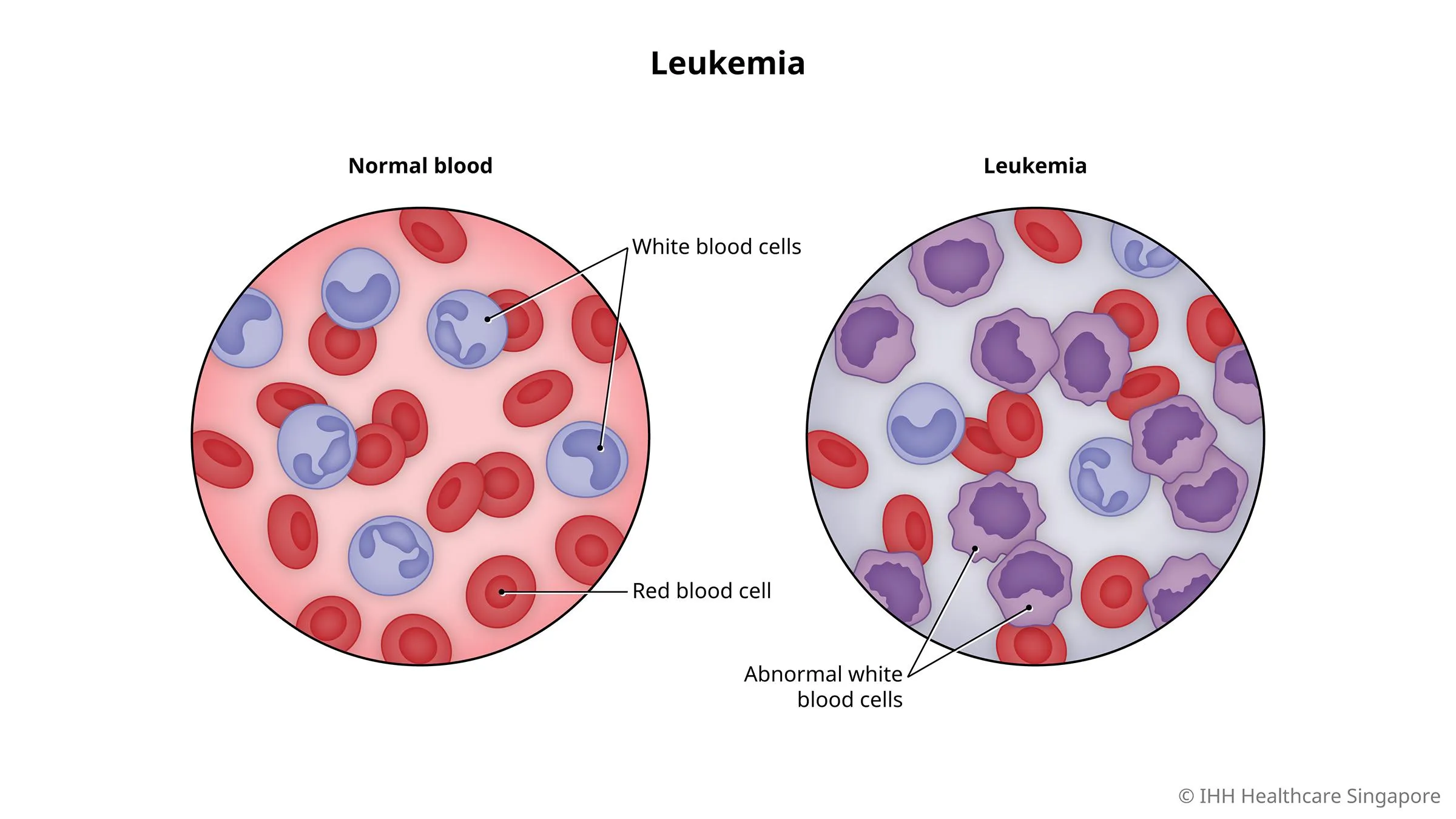
Leukemia is a type of blood cancer characterized by the rapid growth of abnormal blood cells. This uncontrolled proliferation occurs in your bone marrow, the tissue responsible for producing several types of blood cells with different functions:
- White blood cells: Help the body fight off foreign pathogens.
- Red blood cells: Carry oxygen from the lungs to other organs throughout the body.
- Platelets: Play an essential role in blood clotting.
There are several types of leukemia. The four most common forms include:
- Acute lymphoblastic leukemia (ALL)
- Acute myeloid leukemia (AML)
- Chronic lymphocytic leukemia (CLL)
- Chronic myeloid leukemia (CML)
Symptoms of Leukemia
Common signs and symptoms of leukemia include:
- Fatigue
- Fever
- Frequent infections
- Shortness of breath
- Pale skin
- Unexplained weight loss
- Bone or joint pain
- Enlarged liver or spleen
- Swollen lymph nodes
- Easy bruising
- Easy bleeding, including bleeding gums, nosebleeds, or skin hemorrhages

Possible Complications of Leukemia
If left untreated, leukemia may lead to serious complications such as:
- Anemia
- Infections
- Splenomegaly (enlarged spleen) or splenic rupture
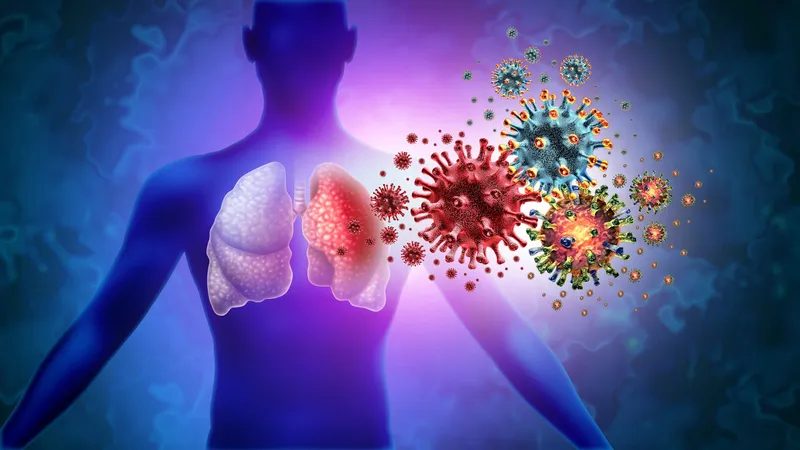
- Pneumonia
- Increased risk of secondary cancers
- Bone disorders such as osteoporosis, rickets, or fractures
When to See a Doctor
You should see a doctor if you experience any persistent signs or symptoms that concern you.
Leukemia symptoms are often vague and nonspecific. Early signs can easily be mistaken for flu or other common illnesses, leading to delayed diagnosis.
Sometimes leukemia is detected incidentally during routine blood tests performed for other medical conditions.
Causes of Leukemia
Leukemia develops due to genetic changes in bone marrow cells.
Scientists have not yet identified the exact cause of these genetic alterations leading to leukemia. However, certain risk factors are associated with the disease. For example, the risk of leukemia increases with age, and the condition is most common in people over 60 years old.
Risk of Leukemia
Who is at risk of developing leukemia?
Research shows that adults over 60 years old are more likely to develop the disease. In contrast, acute lymphoblastic leukemia (ALL) and acute myeloid leukemia (AML) are more common among children and adolescents.
Factors that increase the risk of leukemia include:
Previous cancer treatment: Prior cancer therapies involving radiation or chemotherapy may increase your risk of certain types of leukemia.
Smoking: A history of smoking or secondhand smoke exposure raises the risk of acute myeloid leukemia.
Exposure to industrial chemicals: Benzene and formaldehyde are known carcinogens found in building materials and household products. Benzene is used in manufacturing plastics, rubber, dyes, pesticides, medications, and detergents. Formaldehyde can be found in building materials and household items such as soaps, shampoos, and cleaning products.
Certain genetic disorders: Conditions such as neurofibromatosis, Klinefelter syndrome, Shwachman–Diamond syndrome, and Down syndrome can increase your risk.
Family history of leukemia: Some types of leukemia may run in families. Consider seeing a genetic counselor if you or a family member has leukemia. They may recommend genetic testing to assess your risk.
Diagnosis and Treatment of Leukemia
Tests and procedures to diagnose leukemia:
Your doctor will ask about your medical history and check for signs of leukemia, such as pale skin due to anemia, swollen lymph nodes, and an enlarged liver or spleen. They may also recommend several tests to confirm the diagnosis, including:
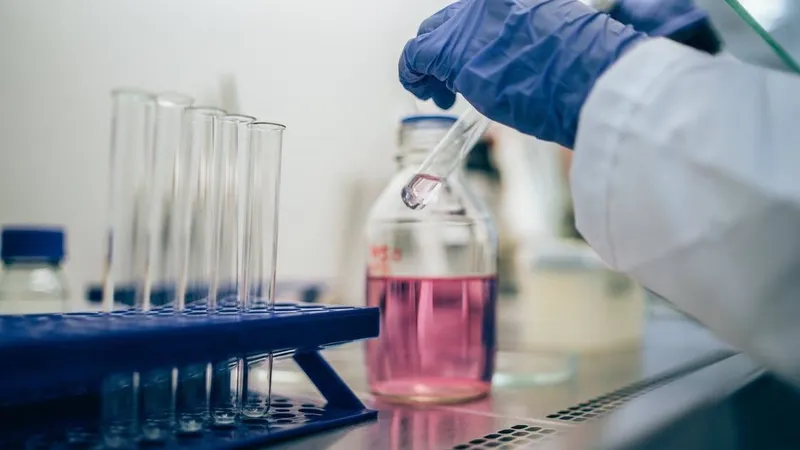
Complete blood count (CBC): This blood test measures your red blood cells, white blood cells, and platelets. If you have leukemia, you may have a higher-than-normal white blood cell count.
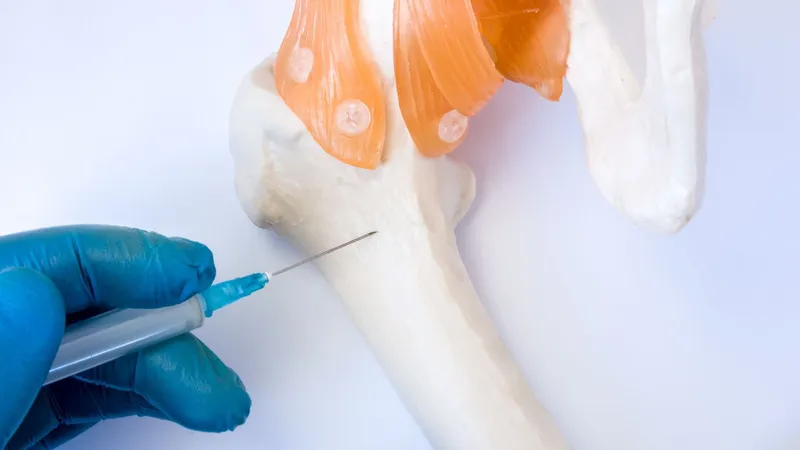
Bone marrow biopsy: If abnormal white blood cell counts are detected, your doctor may perform a bone marrow biopsy. A long needle is inserted into your bone marrow (usually the pelvic bone) to withdraw a sample. The sample is examined in a lab to detect leukemia cells. A biopsy also helps determine the proportion of abnormal cells in your marrow and confirm the diagnosis.
Other imaging tests: Your doctor may order a chest X-ray, CT scan, or MRI if symptoms suggest that leukemia has affected your bones or other organs.
Lumbar puncture (spinal tap): A sample of cerebrospinal fluid may be tested to see whether leukemia has spread to your brain and spinal cord.
Treatment for Leukemia
Medical (non-surgical) treatment options:
- Chemotherapy: This drug-based therapy uses chemicals to kill leukemia cells.
- Targeted therapy: These drugs specifically target the molecular abnormalities in cancer cells.
- Radiation therapy: High-energy X-rays or beams are used to destroy leukemia cells and inhibit their growth.
- Bone marrow transplant (stem cell transplant): This procedure replaces unhealthy bone marrow with healthy stem cells to restore normal blood cell production.
- Immunotherapy: This approach uses medications to strengthen your immune system, enabling it to attack leukemia cells more effectively.
Surgical/Procedural treatment option:
Bone marrow transplant (hematopoietic stem cell transplantation): Healthy blood-forming stem cells from a donor are infused into the patient. These healthy cells multiply to form new bone marrow and produce normal red blood cells, white blood cells, and platelets.

Lifestyle and Prevention of Leukemia
Healthy Lifestyle Habits to Support Leukemia Management
Maintaining a healthy lifestyle can help support your immune system and improve your body’s ability to cope with leukemia and its treatments:
- Limit exposure to harmful substances: Avoid excessive contact with industrial chemicals (such as benzene) and unnecessary radiation.
- Quit smoking: Tobacco is linked to an increased risk of certain types of leukemia.
- Seek prompt medical care: If you notice persistent symptoms—especially unusual bruising, frequent nosebleeds, prolonged gum bleeding, or other unexplained issues—consult a doctor as soon as possible. Early evaluation is crucial, especially for children showing suspicious signs.
Tip: Patients undergoing chemotherapy or bone marrow transplantation should wash their hands frequently, avoid crowded places, and wear masks as advised to reduce infection risk.

Nutrition and Dietary Considerations
There is no specific diet proven to prevent leukemia. However, a balanced, nutrient-rich diet can help strengthen the immune system, support recovery, and reduce treatment-related complications. Consider:
- Eating a variety of fruits, vegetables, lean proteins, and whole grains.
- Consulting a registered dietitian for a personalized meal plan based on your treatment stage and health status.
- Practicing safe food handling to minimize the risk of foodborne infections during periods of low immunity.
Effective Strategies to Reduce Risk and Support Prevention
Although there is no guaranteed way to prevent leukemia, adopting a healthy lifestyle may lower your risk and enhance your overall well-being:
- Maintain a healthy body weight.
- Drink at least 2 liters (about 8 cups) of water daily.
- Engage in at least 30 minutes of moderate exercise per day (walking, yoga, cycling).
- Manage stress with relaxation techniques, meditation, or breathing exercises.
- Get adequate sleep (7–9 hours per night for adults).
- Avoid tobacco, recreational drugs, and limit alcohol consumption.
- Stay up to date with recommended medical check-ups and vaccinations.
Note: Joining patient support groups or seeking counseling can improve emotional resilience and quality of life during treatment.